Introduction: The Quest for Perfect Cut-Out Cookies
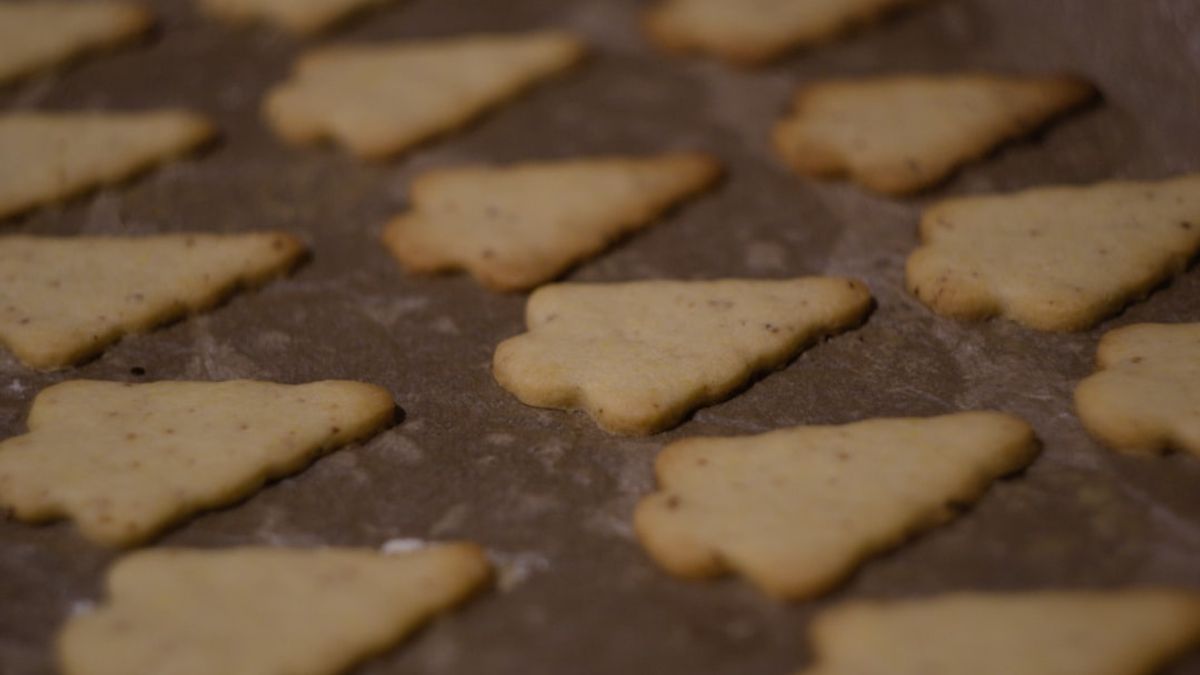
As a former pastry chef, I’ve spent countless hours perfecting the craft of baking. One of the most rewarding experiences in the kitchen is crafting beautifully shaped sugar cookies that hold their form and taste as good as they look. But if you’ve ever experienced the frustration of seeing your perfectly cut shapes morph into blobs in the oven, you’re not alone. The science behind this is fascinating, and today, I’m going to guide you through the process of achieving consistently perfect, no-spread sugar cookies. With a few simple tips and tricks, you’ll be on your way to baking bliss.
Essential Ingredients and Their Role in Preventing Spread
Butter: The Critical Role of Temperature and Consistency
In any baking endeavor, butter plays a pivotal role. For no-spread sugar cookies, the temperature and consistency of your butter are crucial. Room temperature butter should be soft enough to indent with a finger but not melted or too warm. This is because very soft butter is a key culprit for cookies spreading. When butter is too soft, it can cause the dough to slacken, leading to spread during baking.
Sugar: How the Type and Amount Affect Spread
Sugar contributes to both the sweetness and structure of your cookies. In no-spread cookies, the science behind this is fascinating: sugar helps create a fine crumb structure while also playing a role in moisture retention. Too much sugar can lead to spreading, so precision is key here. Stick to the recipe’s sugar measurements for optimal results.
Flour: Why Accurate Measurement is Paramount
Flour is the backbone of your cookie dough, and accurate measurement is paramount. Too little flour can lead to spreading, while too much can result in tough cookies. I always recommend weighing your flour for precision. A digital kitchen scale ensures consistency and eliminates the guesswork involved in the scoop-and-level method.
Leavening Agents: Understanding Their Impact
Many no-spread sugar cookie recipes omit leavening agents like baking powder or baking soda. The idea is to maintain clean, sharp edges without the cookies puffing up. The omission of leavening agents helps the cookies retain their intended shape while baking.
Eggs and Vanilla: For Flavor and Binding
Eggs act as a binding agent in your dough, holding everything together. They also contribute to the rich flavor and texture of the cookies. Meanwhile, vanilla adds a depth of flavor that complements the sweetness of the sugar. When incorporating eggs and vanilla, mix until just combined to avoid overworking the dough.
Step-by-Step Recipe: Your Guide to No-Spread Sugar Cookies
Ingredients
- 1 cup (227g) unsalted butter, at room temperature
- 1 cup (200g) granulated sugar
- 1 large egg
- 1 teaspoon pure vanilla extract
- 3 cups (360g) all-purpose flour
- 1/4 teaspoon salt
Creaming Butter and Sugar
1. In a large bowl, cream the butter and sugar together until light and fluffy. This should take about 3-5 minutes. Precision is key here, as overmixing can incorporate too much air, causing cookies to rise and then fall, resulting in spreading.
Adding Wet Ingredients
2. Add the egg and vanilla extract to the creamed mixture. Mix until just combined. The science behind this is fascinating; overmixing can lead to a tough dough.
Mixing in Dry Ingredients
3. In a separate bowl, whisk together the flour and salt. Gradually add the dry ingredients to the wet mixture, mixing until just combined. Be careful not to overmix, as this can develop gluten and lead to tougher cookies.
Chilling the Dough
4. Divide the dough into two portions, wrap in plastic wrap, and refrigerate for at least 1 hour. Chilling firms up the butter, helping the cookies maintain their shape during baking.
Rolling and Cutting
5. Preheat your oven to 350°F (175°C).
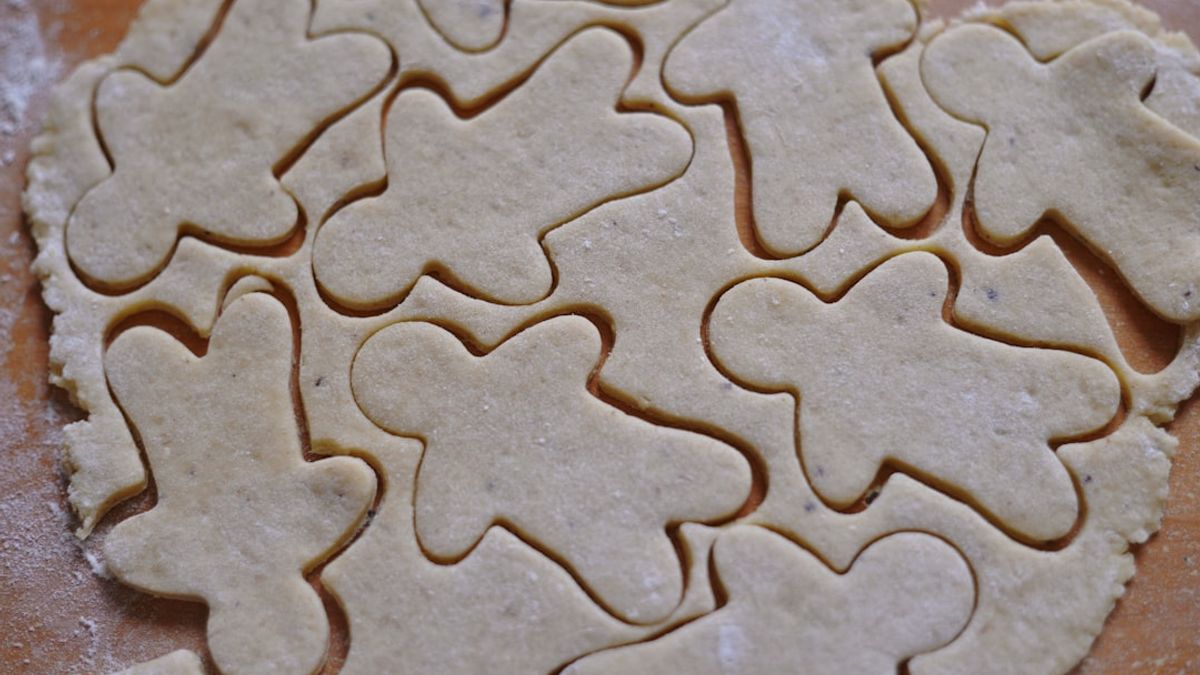
Roll out the chilled dough on a lightly floured surface to about 1/4 inch thickness. Use cookie cutters to cut out shapes and transfer them to a baking sheet lined with parchment paper.
Baking to Perfection
6. Bake in the preheated oven for 8-10 minutes, or until the edges are just beginning to turn golden. Let me explain why this works: baking at the correct temperature is crucial to prevent spreading. Rotate the baking sheet halfway through for even baking, especially if your oven has hot spots.
Troubleshooting Common Sugar Cookie Problems
Cookies Spreading Too Much
If your cookies are spreading too much, consider these culprits: your butter may be too warm, or the dough wasn’t chilled enough. Additionally, check your flour-to-fat ratio; too little flour can lead to spreading. For more tips, I wrote about this before in my guide to troubleshooting cookie baking woes.
Cookies Too Hard or Crumbly
Overmixing can lead to tough cookies, while dry dough can cause them to crumble. To fix this, ensure you’re not overworking the dough and that your ingredients are measured accurately. Check out my article on baking better cookies for more advice.
Bubbles on Cookie Surface
If you notice bubbles forming on the surface of your cookies, try tapping the baking sheet on the counter before baking to release any trapped air. This will help in achieving smooth, flat cookies.
Uneven Baking
Uneven baking can often be attributed to oven hot spots. Rotating pans halfway through the baking process can help with this issue. Additionally, consider baking a test cookie to gauge if your oven temperature is accurate.
Pro Tips for Sugar Cookie Success
The Importance of Weighing Ingredients
Weighing your ingredients, particularly flour, can make a significant difference in the outcome of your cookies. Precision is key here, and using a digital scale ensures accuracy.
Using Parchment Paper and Cool Baking Sheets
Baking on parchment paper prevents sticking and can reduce spreading, as cool baking sheets help the dough maintain its shape. This small step can have a big impact on your results.
Flavor Variations
Once you’ve mastered the basic recipe, feel free to experiment with flavor variations. Lemon or orange zest, almond extract, or spices like cinnamon can add an exciting twist to your classic sugar cookies.
Storage and Freezing
Sugar cookies can be stored in an airtight container in a cool, dry place for up to three weeks. If you’d like to prepare ahead, these cookies can be frozen for up to three months.
Decorating Ideas

Finally, let your creativity shine with decorating! Whether using royal icing, sprinkles, or edible glitter, beautifully decorated cookies make a statement at any gathering.
By: David Thompson
{“@context”:”https://schema.org”,”@type”:”Article”,”headline”:”Baking Bliss: Achieve Perfect No-Spread Sugar Cookies Every Time”,”description”:”Master the art of no-spread sugar cookies with our expert recipe and troubleshooting guide. Get perfectly shaped, delicious cut-out cookies every time, ideal for decorating!”,”author”:{“@type”:”Person”,”name”:”David Thompson”},”publisher”:{“@type”:”Organization”,”name”:”Cookingzone”},”image”:[“https://cookingzone.org/wp-content/uploads/2025/09/a-batch-of-perfectly-shaped-unspread-sug-1757383789212.jpg”],”inLanguage”:”en”}
Understanding Cookie Spread Science
Cookie spread happens when butter melts faster than the structure sets. Several factors control spreading: butter temperature, flour protein content, sugar ratio, and oven temperature. Understanding these variables gives you control over cookie thickness. Soft, spreadable butter causes more spreading than cold butter.
The Cold Butter Method
Using cold butter produces thicker cookies with chewier centers. Cold butter takes longer to melt, giving the flour proteins and egg proteins time to set before the cookie spreads flat. Cut cold butter into small pieces and mix just until combined for best results.
Flour Selection and Measurement
Flour provides structure that resists spreading. Properly measured flour matters more than most bakers realize. Scooping flour directly from the bag packs it densely, adding excess flour that makes cookies cakey. Instead, spoon flour into the measuring cup and level with a knife. This technique produces consistent results batch after batch.
Chilling Dough for Perfect Results
Chilling cookie dough concentrates flavors and controls spreading. Cold dough holds its shape longer in the oven. Chill for at least 30 minutes, or up to 72 hours for maximum flavor development. The longer chill time allows flour to fully hydrate and sugars to develop complexity.
Cookie Baking Secrets
Chilling cookie dough concentrates flavors and controls spreading. Even 30 minutes in the refrigerator makes a noticeable difference in texture and taste.
Room temperature butter creams better than cold butter, incorporating more air for lighter cookies. Let butter soften naturally rather than microwaving.
Rotate baking sheets halfway through for even browning. Every oven has hot spots that can cause uneven baking.