Why the gravy splits an hour after you make it
How to fix broken gravy fast, plus why it splits an hour after looking fine: the fat-to-flour ratio, settled drippings, and the whisk-in rescue.
11 min read

Master culinary techniques, discover authentic recipes, and elevate your home cooking with expert tips and inspiration
How to fix broken gravy fast, plus why it splits an hour after looking fine: the fat-to-flour ratio, settled drippings, and the whisk-in rescue.
A turkey stock recipe made a full week ahead: roasted parts, a six-hour simmer, safe cooling, and a freezer method that turns into gravy on the day.
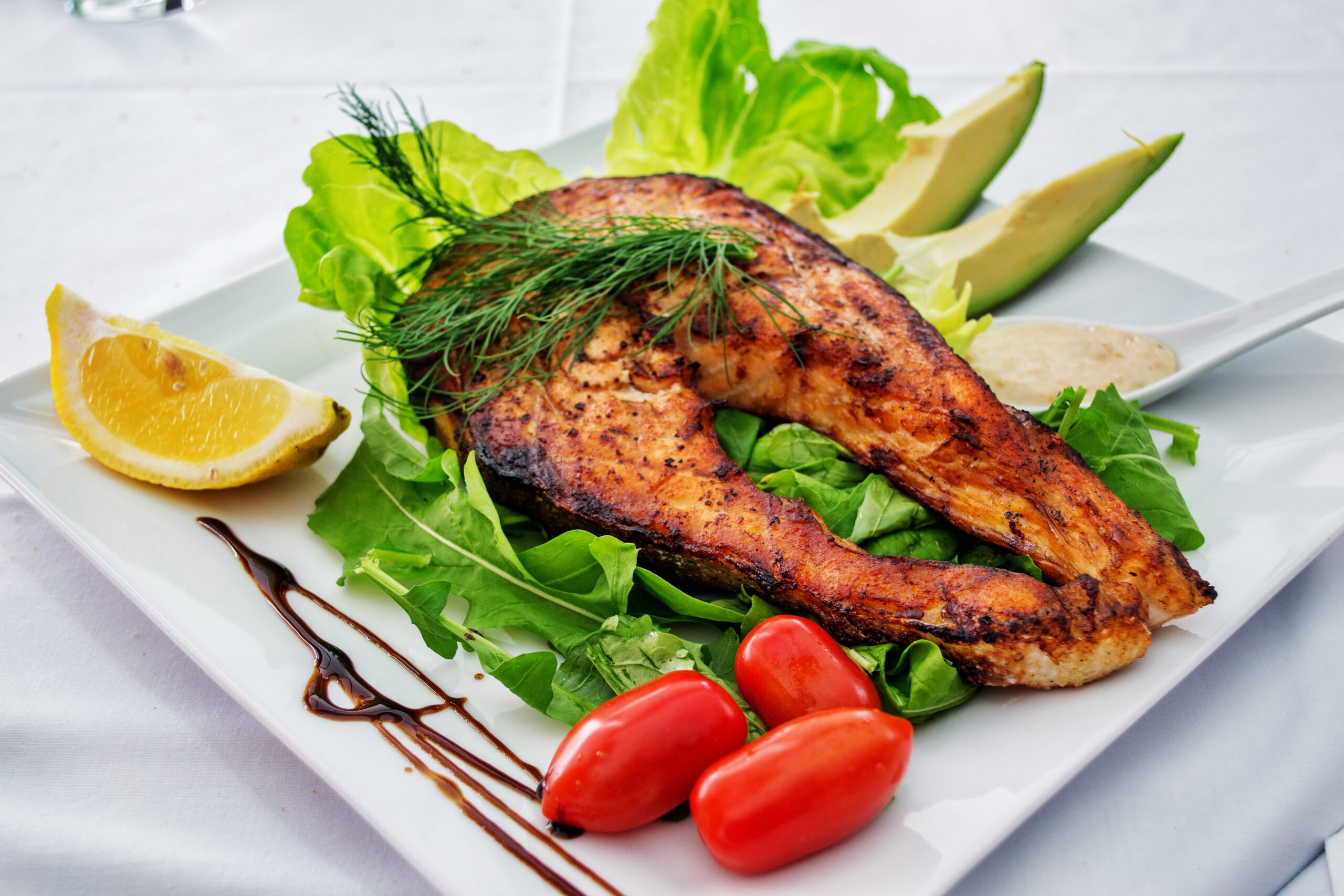
The four vitamin D food sources that matter once November sunlight stops working: fatty fish, egg yolks, UV mushrooms, and fortified milk, compared.
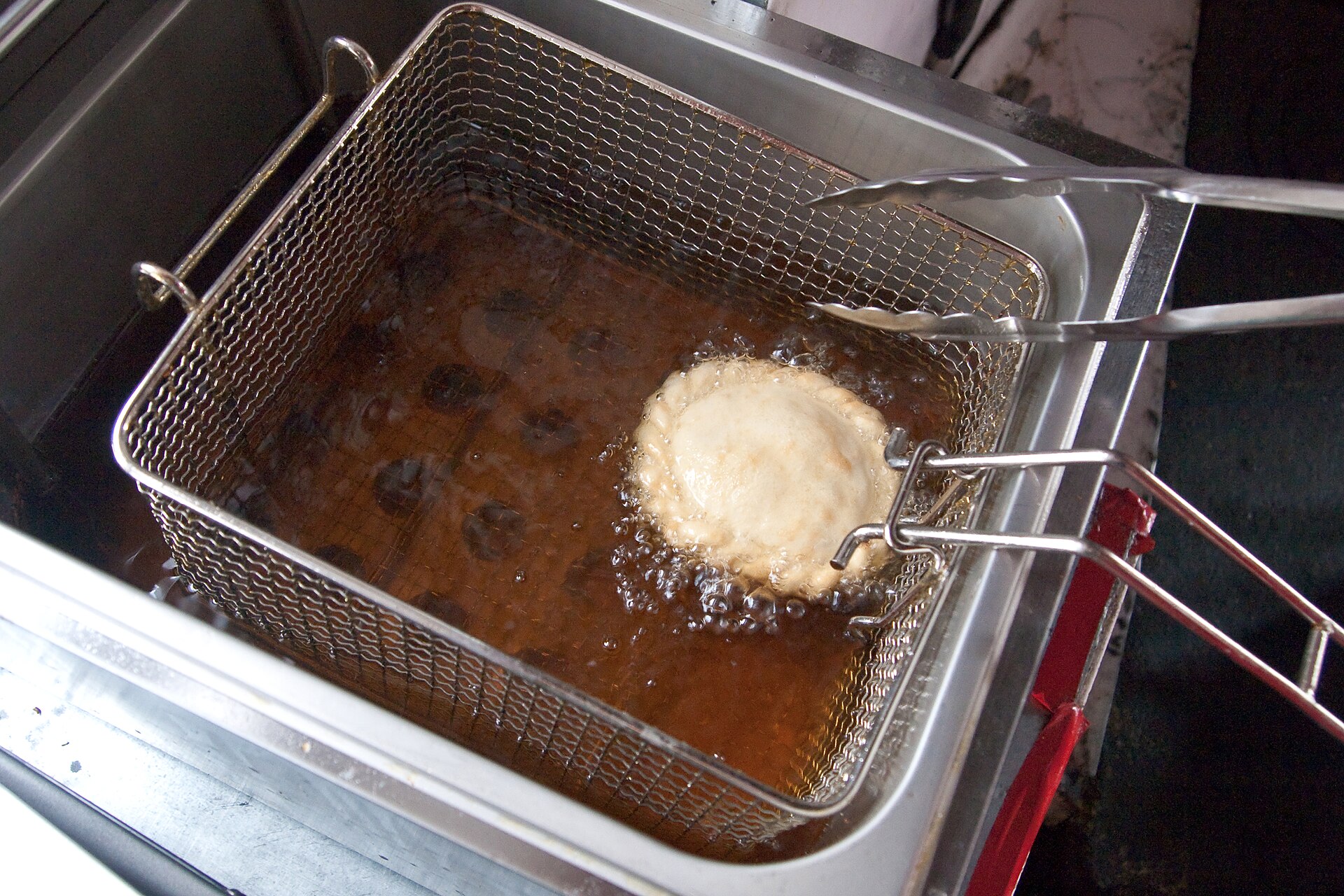
Deep frying oil temperature drops 30 to 60F the moment food goes in. How far, how long recovery takes by pot, and how many fries the oil has left.
The roux stages timed and weighed: minutes per color, the fat-to-flour ratio, and how much more dark roux you need to hit the same thickness in a sauce.
Fat soluble vitamin absorption in vegetables depends on a teaspoon of oil, not a bottle. The nutrients affected, the amounts, and where the claim overreaches.
A deglazing liquid comparison run on three identical pans of chicken: what wine, stock and vinegar each pull off the fond, and how differently they reduce.
The difference between stock and broth is gelatin: which bones give it, the hours it needs, and the overnight fridge test that tells you what you made.
Maillard vs caramelization: one needs protein and starts near 285F, the other needs only sugar and 320F. Where each runs, and how to get both at once.
How to keep food hot in a thermos: four measured cooling curves over five hours, what preheating and fill level are worth, and four foods to keep out of one.