The sun sits low enough in November, across most of the United States, that the angle its rays hit the skin at stops triggering meaningful vitamin D production even on a clear day. This is not a gradual fade; it is closer to a switch, tied to the sun’s angle rather than to how cold or cloudy the day feels. By the time frost is a daily occurrence, the body has largely lost the tool it relied on all summer.
Diet has to pick up the difference, and it turns out there are genuinely few foods that contribute a meaningful amount. Most produce, most grains, and most meat carry close to none. The list of real dietary sources is short enough to memorize, which is useful, because knowing it beats guessing at a grocery store trying to eat generally healthier.
What follows is that short list, how much a normal serving of each actually delivers, what cooking method does to the amount that survives to the plate, and who should be paying closer attention as the season turns.
- The four real sources: fatty fish, egg yolks, UV-exposed mushrooms, and fortified foods
- Strongest single source: fatty fish like salmon, mackerel, and sardines
- Sunlight synthesis: drops sharply above roughly the 35th latitude line from about November through February
- At higher risk: older adults, people with darker skin, anyone who covers up or stays mostly indoors
- Cooking loss: real but modest for most methods; frying and prolonged high heat lose more than baking or grilling
- Raw egg caution: use pasteurized eggs for any preparation eaten raw or undercooked
Why sunlight synthesis collapses in November
Vitamin D synthesis in skin depends on UVB radiation reaching the skin at a specific angle, and once the sun sits low enough in the sky, the atmosphere filters out most of that UVB before it ever reaches the ground, regardless of temperature or cloud cover. Across much of the continental United States, this shutoff happens somewhere in the fall and does not fully reverse until spring.
This is a geography and calendar problem more than a weather one. A bright, cold, sunny November day at a northern latitude can still deliver essentially none of the UVB needed for synthesis, while a humid summer afternoon at the same location delivers plenty even through some cloud cover. Sunscreen, window glass, and most clothing block the relevant wavelength as well, adding to the gap.
The body does store some vitamin D from summer sun exposure in body fat, and that reserve draws down gradually through the darker months, which is part of why deficiency, when it shows up, tends to appear toward the end of winter rather than at its very start. By November, though, the daily production that topped off that reserve has already mostly stopped.
The four vitamin D food sources that actually matter
Almost everything in a typical diet contributes negligible vitamin D, which surprises people used to thinking of nutrients as broadly present across a varied plate. Vitamin D is unusually concentrated in a small handful of foods rather than spread thinly across many, which makes the list short and worth knowing by name rather than by category.
| Source | Typical serving | Rough contribution |
|---|---|---|
| Fatty fish (salmon, mackerel, sardines) | 3.5 oz cooked | meaningful, often the largest single-food source |
| Egg yolks | 2 large yolks | modest, smaller than fish by a wide margin |
| UV-exposed mushrooms | 1 cup sliced, cooked | meaningful, comparable to a fish serving for the specific UV-treated kind |
| Fortified milk or plant milk | 1 cup | modest but consistent, and easy to get daily |
The specificity matters here: ordinary white button mushrooms grown without UV exposure carry very little vitamin D, and the mushrooms worth seeking out are labeled as UV-exposed or UV-treated, a distinction covered further down.
Fatty fish: the strongest single source, and how cooking affects it
Salmon, mackerel, and sardines carry meaningfully more vitamin D than nearly any other whole food, since the vitamin accumulates in fish fat the way it does in the fat of other animals that store it from their own diet, and oily, cold-water fish concentrate it more than lean, white fish do.
Wild-caught salmon generally carries more than farmed salmon, since wild fish accumulate it through a marine food chain that farmed fish, raised on formulated feed, do not replicate as fully, though farmed salmon still contributes a real amount and is far from a negligible source.
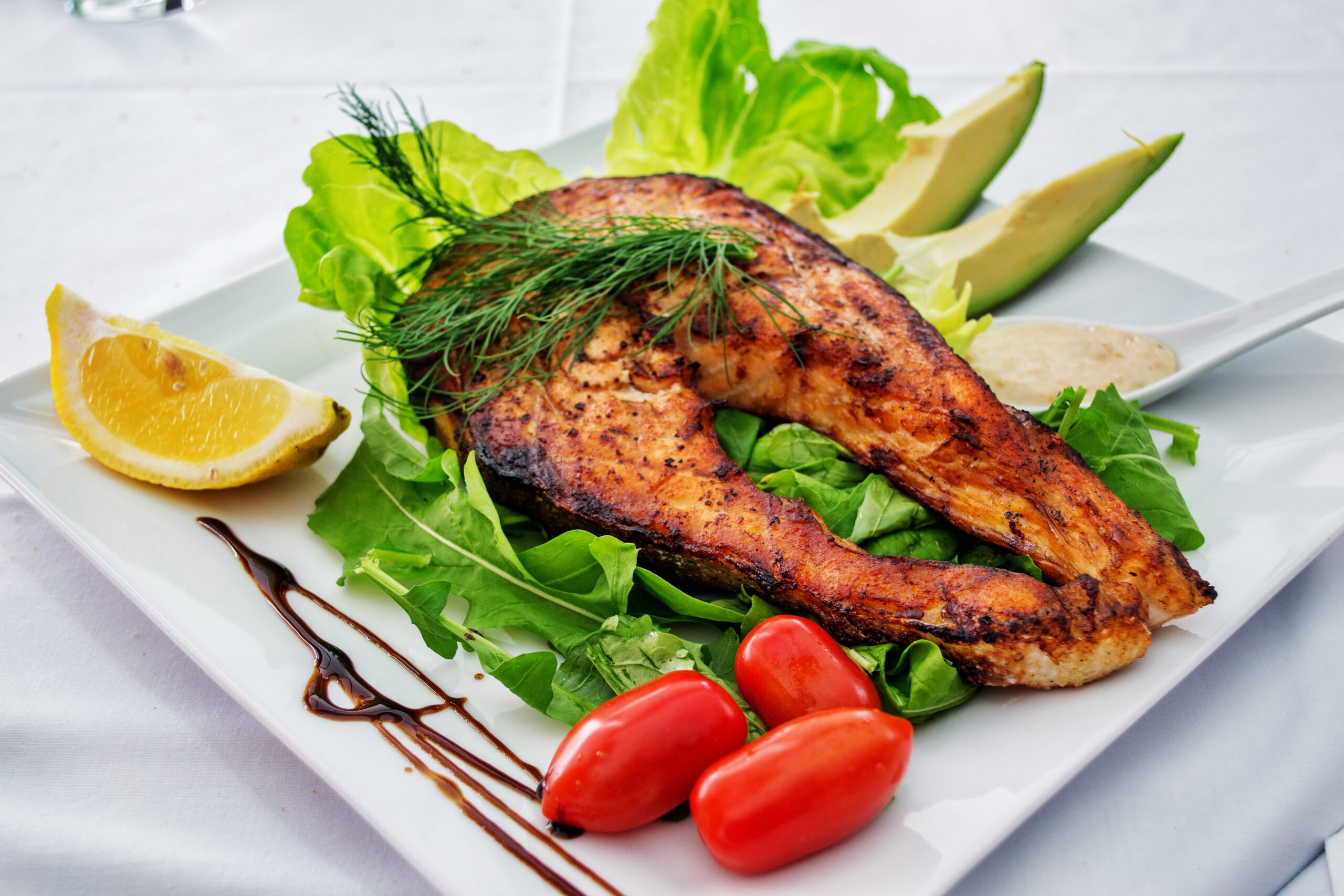
A simple tray of baked salmon with lemon and herbs is one of the more efficient ways to get a real dose without any special preparation. Baking, grilling, and poaching all retain most of a fish’s vitamin D content, since it is fat-soluble and stays largely intact at normal cooking temperatures. Deep frying, by contrast, can leach some of the vitamin out into the surrounding oil along with other fat-soluble content, making it a comparatively less efficient way to prepare a fish meant to deliver this particular nutrient.
Egg yolks: a smaller amount, and a raw-egg caution
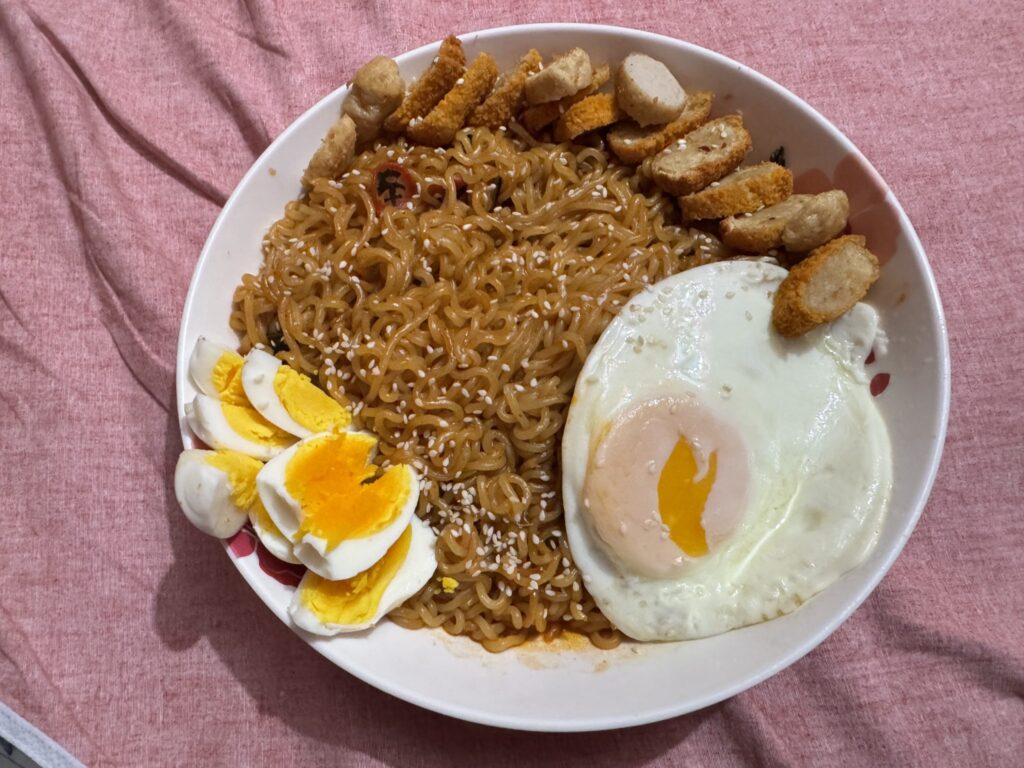
Egg yolks carry a real but modest amount of vitamin D, concentrated entirely in the yolk rather than the white, and the exact amount varies with what the hen was fed; eggs specifically labeled as vitamin D-enriched, from hens fed a supplemented diet, carry noticeably more than a standard carton.
Two yolks contribute a fraction of what a serving of fatty fish does, which makes eggs a reasonable daily contributor rather than a primary source on their own. Someone eating eggs regularly through the colder months is getting a small, steady addition rather than a single large dose.
Any preparation that leaves the yolk raw or only lightly cooked, a soft-poached egg, a homemade mayonnaise, or a raw cookie dough made with egg, carries the same salmonella consideration any raw or undercooked egg does. Using pasteurized eggs for these preparations removes that risk without changing the vitamin D content, since pasteurization does not meaningfully reduce it, which matters for a dish like eggs Benedict where the yolk is barely cooked at all.
UV-exposed mushrooms: the only produce-aisle source worth counting

Mushrooms are a genuine exception to the rule that produce carries little vitamin D, but only the ones deliberately exposed to UV light during or after growing, which triggers the same kind of synthesis in the mushroom’s own tissue that ultraviolet light from sunlight triggers in human skin. Standard button, cremini, and portobello mushrooms grown in the dark, without that UV step, carry only a trace amount.
Packaging on UV-treated mushrooms usually says so directly, often with a specific vitamin D content listed on the label, since producers use the enrichment as a selling point. Where the label does not specify UV exposure, assume the mushroom is closer to a trace source than a meaningful one.
A dish like mushroom risotto made with UV-treated mushrooms carries meaningfully more vitamin D than the same dish made with untreated ones, even though nothing about the recipe itself changes. Home UV exposure is possible in principle, since sliced mushrooms left gill-side up in direct sunlight for even a short period do synthesize some vitamin D, but the amount is inconsistent and hard to measure at home compared to a commercially UV-treated product with a tested, labeled amount.
Fortified foods: milk, plant milk, and orange juice do the heavy lifting for most people

Vitamin D does not occur naturally in milk in any significant amount; it is added during processing, a practice that has been standard for dairy milk in the United States for decades specifically to address widespread deficiency. Most plant-based milk alternatives, soy, oat, and almond among them, are fortified the same way, generally to a comparable level.
Fortified orange juice, some breakfast cereals, and a handful of other packaged foods carry added vitamin D as well, and checking a nutrition label for a listed daily-value percentage is the only reliable way to know whether a given product is fortified, since appearance and brand alone do not indicate it.
For a household that drinks milk or a fortified alternative daily, this ends up being one of the more consistent contributors across the week, even though any single serving contributes a moderate rather than large amount. Consistency across many small servings adds up in a way a single large serving of fish, eaten occasionally, does not.
How much a single serving of each actually contributes
Framed relative to each other rather than against a specific numeric target, a serving of fatty fish contributes the most of the four, UV-exposed mushrooms come in a close second for the mushrooms specifically labeled as treated, fortified milk contributes a moderate and steady amount, and egg yolks contribute the least of the four on a per-serving basis, though they are also the easiest to eat daily without much planning.
A day that combines two of these sources, salmon at dinner and a glass of fortified milk at breakfast, for instance, covers considerably more ground than relying on any single one. This is the practical takeaway more than memorizing exact figures: spreading intake across more than one of the four sources through the week does more than maximizing any one of them.
None of the four alone reliably meets a full day’s target from food in the amounts most people actually eat, which is part of why vitamin D deficiency is common even among people who consider their diet reasonably healthy, and why supplementation is a common recommendation specifically for the darker months.
Should you take a supplement instead?
A supplement removes the guesswork these four sources otherwise require and is a reasonable choice for anyone who does not eat fish regularly, drinks little fortified milk, and lives somewhere with limited winter sun. Many multivitamins and standalone vitamin D supplements are formulated specifically to close this seasonal gap.
Vitamin D is fat-soluble, meaning the body stores excess rather than excreting it the way it does with water-soluble vitamins, which means it is possible to take too much over time, unlike a vitamin where extra simply passes through. Following the dosage on a supplement label, or a dose recommended by a clinician after blood testing, is worth doing rather than assuming more is automatically better.
Anyone with a diagnosed deficiency, a condition affecting fat absorption, or particular risk factors for low vitamin D should treat food and general supplementation as a starting point for a conversation with a doctor rather than a substitute for testing and a tailored recommendation, since the right dose varies by individual circumstance more than a general food guide can capture.
Who is most at risk of a November dip
Older adults synthesize vitamin D from sunlight less efficiently than younger people even during peak summer conditions, which compounds the seasonal drop and makes the food sources covered here proportionally more important for that group specifically.
People with darker skin naturally produce less vitamin D from a given amount of sun exposure, since melanin filters some of the UVB that triggers synthesis, which means the summer reserve going into fall may already be smaller regardless of how much time was spent outdoors.
Anyone who spends most daylight hours indoors, whether from work, climate, or personal habit, along with anyone living at a higher latitude where the sunlight cutoff arrives earlier and lasts longer into spring, faces a longer stretch of the year relying on food and, often, supplementation to make up the gap that summer sun would otherwise close.
Cooking methods that preserve or lose vitamin D
| Method | Effect on vitamin D | Best for |
|---|---|---|
| Baking or roasting | minimal loss | fish, mushrooms |
| Grilling | minimal loss | fish |
| Poaching or steaming | minimal loss | eggs, fish, mushrooms |
| Pan-frying in oil | modest loss, some leaches into the oil | acceptable occasionally |
| Deep frying | the most loss of the common methods | not ideal if vitamin D retention matters |
| Boiling eggs | minimal loss, well contained within the shell | a reliable way to cook egg yolks |
The overall pattern favors dry, direct heat methods and gentle moist heat over deep frying, which is consistent with how fat-soluble vitamins generally behave across cooking methods: they survive heat itself reasonably well, and the main loss mechanism is the vitamin migrating out into surrounding fat or oil that then gets discarded rather than eaten.
Four foods, spread across a normal week rather than concentrated into one meal, do most of what diet alone can do to offset a November sun that has stopped delivering. For anyone still short after that, a supplement and a conversation with a clinician cover the rest.
Frequently Asked Questions
Does canned salmon or sardines still count as a good source?
Yes, canned fatty fish generally retains most of its vitamin D through the canning process, and it is often a more affordable and convenient way to get a regular serving than fresh fish. Draining and eating the fish as-is works fine for this purpose.
Can I get enough vitamin D from a vegan diet without supplements?
It is difficult but not impossible. UV-exposed mushrooms and fortified plant milks are the two realistic whole-food sources for a vegan diet, since fish and egg yolks are both off the table, and many vegans choose a vitamin D2 or D3 supplement, with D3 versions now available from lichen rather than animal sources.
Is vitamin D3 from food the same as the vitamin D the body makes from sunlight?
They are closely related but not identical in their initial form. Sunlight produces vitamin D3 directly in skin, and D3 from animal food sources is the same compound, while D2, more common in fortified and plant-based products, is processed by the body slightly differently, though both ultimately convert to the active form the body uses.
How long does the body’s summer vitamin D reserve actually last?
It varies by individual, but stored reserves from summer sun exposure commonly support the body for a couple of months into fall before levels start declining more noticeably, which is part of why deficiency symptoms, when they appear, often show up toward late winter rather than in November itself.
Should I get my vitamin D level tested before taking a supplement?
Testing is a reasonable step for anyone with risk factors, symptoms, or uncertainty about their level, since it removes the guesswork of dosing blind. For a generally healthy adult without particular risk factors, a standard over-the-counter dose during the darker months is a common and low-risk approach, but a clinician’s input is worth having if there is any doubt.