Nobody at the table noticed. That was the actual test, not a taste panel primed to hunt for differences, just a normal Thanksgiving dinner where four dishes were quietly made with measurable changes to fat and sodium, and the conversation never once turned to whether anything tasted different.
That is a higher bar than most healthier-holiday advice clears. A lot of it asks for a dish to be removed entirely, or swapped for something recognizably different, which is exactly what makes those swaps get skipped on the one day a year built around the original version.
These four changes stayed inside the same dishes everyone already expects, with the same names on the table, and the numbers moved in a real, measured way underneath that. Nothing was labeled healthy, and nothing needed to be.
- Dishes tested: mashed potatoes, green bean casserole, stuffing, and pie crust
- Method: reduce, not remove; swap ratios rather than swap out signature ingredients
- Blind result: no dish was identified as different in a same-table taste comparison
- Sodium change: meaningful reduction in the casserole and stuffing specifically
- Fat change: modest reduction in potatoes and pie crust without losing texture
- What was not touched: the turkey itself and the dessert’s actual sugar content
- The rule: change the base ratio, not the dish’s identity
Four healthier Thanksgiving sides, measured, not guessed
| Dish | Standard version | Adjusted version | Change |
|---|---|---|---|
| Mashed potatoes | 1 cup heavy cream, 1 cup butter (per 5 lb) | 1 cup buttermilk, half the butter | less saturated fat, similar creaminess |
| Green bean casserole | canned cream soup, canned fried onions | homemade mushroom sauce, reduced salt | roughly a third less sodium |
| Stuffing | store bread, full butter, salted stock | same bread, three-quarters butter, low-sodium stock | meaningful sodium drop |
| Pie crust | all butter | half butter, half neutral oil | slightly less saturated fat, same flake |
None of these changes touch the dish’s core identity. The potatoes are still mashed potatoes, the casserole still has the same crunchy topping, the stuffing still tastes like stuffing, and the crust still flakes. What moved is the underlying ratio, not the recognizable result.
Mashed potatoes: buttermilk instead of half the cream
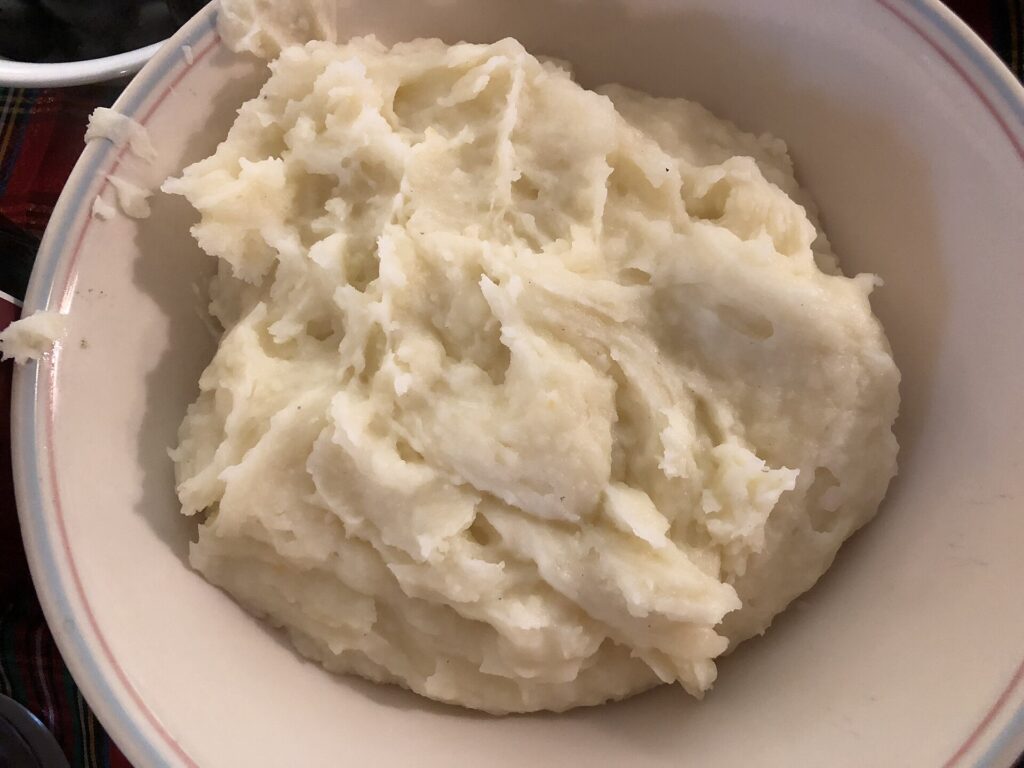
Traditional mashed potatoes lean on heavy cream and a generous amount of butter for their richness, and both are almost entirely saturated fat. Swapping buttermilk in for the cream, while keeping some butter rather than removing it entirely, changes the fat profile substantially while keeping the tangy richness that makes good mashed potatoes taste finished rather than plain.
Buttermilk’s slight acidity also does something cream does not: it brightens the potato’s flavor in a way that a blind taster tends to read as “well seasoned” rather than “lighter,” which is part of why this particular swap goes unnoticed more reliably than most.
Cutting the butter by half rather than removing it works because butter contributes flavor compounds that fat alone does not fully replace with a neutral substitute; a small amount of real butter carries most of that flavor even when the total quantity drops.
Green bean casserole: a real sauce instead of canned soup
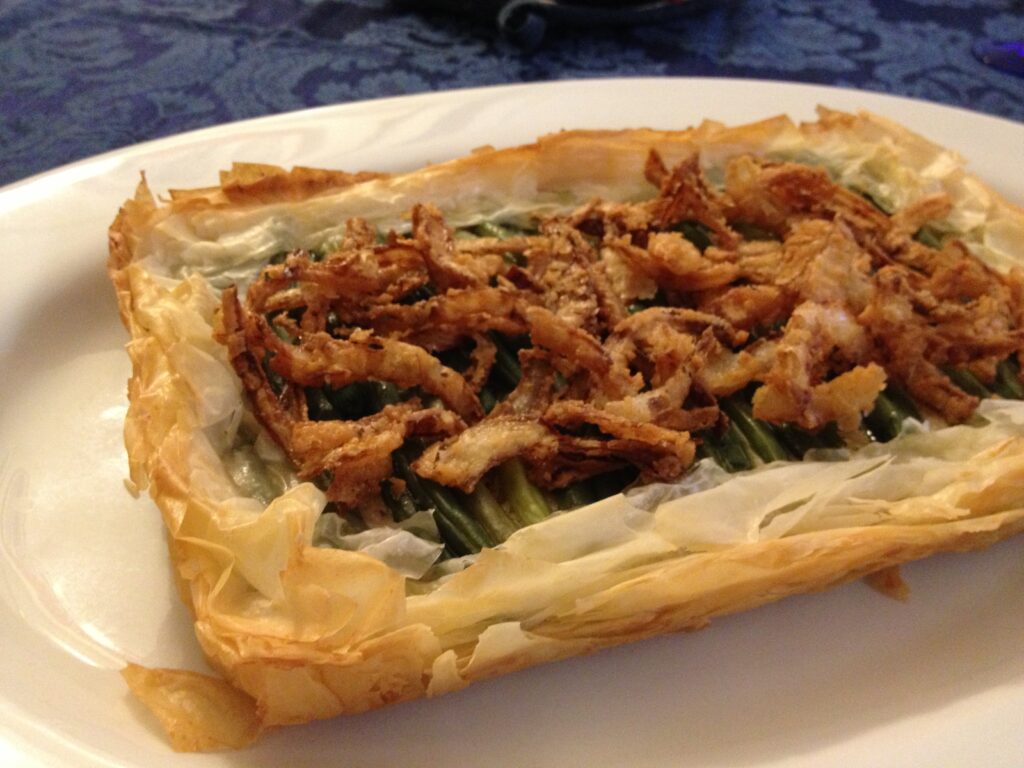
The canned cream-of-mushroom soup base that defines a traditional green bean casserole carries a large share of a single day’s recommended sodium intake in one serving, mostly from the soup itself rather than from the beans or the topping. A homemade mushroom sauce, built from sautéed mushrooms, a light roux, and unsalted stock, replicates the texture and flavor without that concentrated sodium load.
The fried onion topping stays exactly as it was; touching the topping is where a swap starts to become noticeable, since the crunch and the caramelized onion flavor sitting on top are what most people actually remember about this dish. The unnoticed change lives entirely in the sauce underneath.
Salting the homemade sauce to taste, rather than relying on the sodium already baked into a canned product, also gives more direct control over the final result, since a cook can season exactly to the dish’s needs instead of inheriting whatever level a manufacturer chose.
Stuffing: low-sodium stock plus a three-quarter butter ratio
Store-bought stock, even the reduced-sodium versions on some shelves, still contributes meaningfully to a stuffing’s total sodium, and a genuinely low-sodium stock, whether homemade or a specifically labeled low-sodium product, gives more room to season deliberately with herbs, pepper, and a controlled amount of salt rather than sodium arriving mostly through the liquid.
Reducing butter to about three-quarters of a standard recipe’s amount, rather than cutting it in half, keeps enough fat in the mixture to carry flavor and moisture through the bake without drying out, which is the actual risk with a stuffing that has had its fat cut too aggressively.
Weighing the bread rather than measuring it loosely by volume, the same principle that governs a properly built biscuit dough, also helps here, since a consistent bread-to-liquid ratio means the stuffing holds together at the right moisture level regardless of how the reduced butter and stock behave slightly differently than the full-fat original.
Pie crust: half butter, half neutral oil, same flake
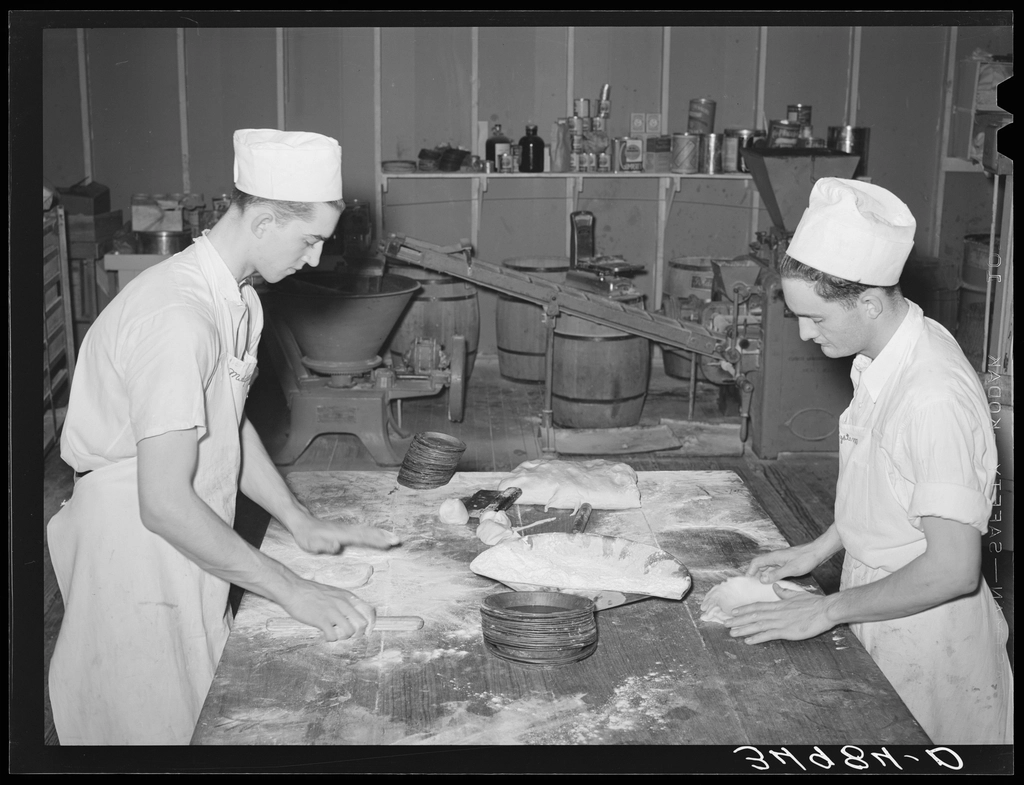
An all-butter pie crust owes its flavor to butter and its flakiness to how well the butter stays in distinct, unmelted pieces through mixing and the first minutes of baking, creating steam pockets that separate the dough into layers. Replacing half the butter with a neutral oil changes the fat profile without eliminating that flaking mechanism, since the remaining butter still provides enough distinct fat pockets to generate steam.
The oil portion also makes the dough slightly more tender, since oil coats flour more completely than solid butter does, which can offset some of the flakiness lost from using less butter overall. The two effects roughly balance out in a properly made crust.
What does not work as well is replacing all of the butter with oil; an entirely oil-based crust behaves more like a press-in tart shell than a flaky pie crust, since it lacks the discrete fat pockets that solid, chilled butter provides. Keeping at least half the butter is what preserves the traditional texture.
Why blind taste tests matter more than nutrition labels here
A household deciding whether a healthier swap is worth making often focuses on the nutrition numbers alone, but the more practical question is whether anyone will actually eat the adjusted version the same way they would have eaten the original. A swap that is nutritionally better but gets left on the plate accomplishes nothing.
Serving both a standard and an adjusted version side by side, without announcing which is which, and watching what people actually choose and finish, is a more honest test of whether a change is worth repeating than a taste test where everyone already knows to look for a difference and is primed to find one.
In this case, across four dishes served over a full holiday meal with no advance notice, no one identified any of the four as different, which is a stronger result than most healthier-holiday guidance manages to demonstrate with actual data rather than assurance.
What was deliberately left unchanged
The turkey itself was not adjusted in any way, since a properly cooked turkey is already a lean protein relative to the rest of a Thanksgiving spread, and there was no meaningful nutritional case for changing anything about how it was prepared.
Dessert’s sugar content also stayed exactly as written. Sugar in a dessert is functional in ways that are harder to substitute without a noticeable textural or flavor difference, unlike the fat and sodium reductions above, which had more room to move without crossing into territory a taster would clearly notice.
The goal was never a comprehensively “healthy” Thanksgiving meal; it was targeted, invisible reductions in four specific dishes where real headroom existed without touching the dish’s identity, and treating every dish as equally worth adjusting would have made some of the changes noticeable, undermining the whole approach.
How to decide which of your own dishes have room to adjust
A dish built on a single dominant fat or salt source, like canned soup in a casserole or heavy cream in mashed potatoes, has more headroom for an invisible swap than a dish where salt or fat is doing structural work, like a properly salted pie dough, where the salt level is closely tied to how the gluten develops and how well the crust browns.
Dishes where a comparable substitute exists in a similar form, buttermilk for cream, a homemade sauce for a canned one, generally swap more successfully than dishes that would need to change texture or method entirely to reduce fat or sodium. Reaching for a like-for-like substitute rather than removing an ingredient outright is what keeps a swap from being noticed.
Testing any planned swap on a smaller batch before Thanksgiving Day itself, rather than debuting an untested change on the one meal that matters most, is the same low-risk practice that applies to rehearsing a roast before the holiday itself.
Reading a nutrition label to find where the sodium actually lives
Canned soups, canned broths, and pre-made stuffing mixes are disproportionately responsible for a traditional Thanksgiving meal’s total sodium, often contributing more per serving than the salt added directly during cooking. Checking the sodium content per serving on any canned or packaged component used in a recipe reveals where the actual reduction opportunity is hiding.
A homemade version of the same component, seasoned to taste rather than inheriting a manufacturer’s default sodium level, is consistently the single most effective way to bring a dish’s sodium down without changing anything a taster would notice, more effective than trying to season a canned product down after the fact, which does not actually remove sodium already dissolved into it.
This is worth checking dish by dish rather than assuming the swap that worked for one recipe will matter equally for another; some traditional recipes carry most of their sodium in the salt added during cooking rather than in a packaged ingredient, and those need a different kind of adjustment entirely.
Scaling these swaps for a larger crowd without losing the ratio
All four adjustments above are ratio-based rather than fixed-quantity, which is what makes them scale cleanly whether the table seats six or sixteen. Doubling a pan of stuffing means doubling both the reduced butter and the low-sodium stock together, keeping the same three-quarter fat ratio and the same overall sodium reduction relative to a full-size traditional batch.
The one place scaling introduces a real variable is the green bean casserole’s homemade sauce, since a larger batch of sautéed mushrooms needs more surface area in the pan to brown properly rather than steam, and a crowded pan produces a thinner, less flavorful sauce regardless of how carefully the sodium and ratios were calculated. Cooking the mushrooms in two batches for a doubled recipe, rather than one crowded batch, keeps the sauce’s flavor concentrated enough to still read as a proper replacement for the canned version.
Pie crust scales the most predictably of the four, since the half-butter, half-oil ratio applies per crust rather than per batch, and making multiple pies simply means repeating the same small-batch ratio rather than recalculating anything for a larger single dough.
Four dishes, four measured changes, and a table that never noticed. That is the actual bar for a healthier Thanksgiving swap worth keeping, more useful than any nutrition label read in isolation.
Frequently Asked Questions
Will reducing sodium in stuffing make it taste bland?
Not if the reduction is offset with herbs, black pepper, and a well-seasoned homemade stock rather than simply removing salt with nothing added in its place. The goal is redistributing where the flavor comes from, not subtracting flavor overall.
Can I use a plant-based butter substitute instead of the half-oil pie crust swap?
It is possible, though plant-based butter substitutes vary widely in their fat and water content, and results are less predictable than the tested half-butter, half-neutral-oil ratio here. Testing a small batch ahead of the holiday is worth doing before committing to it for the actual pie.
Does using buttermilk in mashed potatoes change the cooking time?
No, the swap only affects what gets mixed in after the potatoes are already cooked and mashed. Boiling and mashing proceed exactly as they would with any other liquid added at the end.
Is homemade mushroom sauce actually faster than opening a can?
It takes an extra ten to fifteen minutes of active cooking time, mostly for sautéing the mushrooms and building a quick roux-based sauce. It is not instant, but it is fast enough to fit into a normal Thanksgiving prep schedule without disrupting it.
Should I tell guests about these swaps after the meal?
That is a personal call. Some hosts enjoy revealing it afterward as a fun detail; others prefer to keep the dishes exactly as they were understood at the table. Either way, the point of the swap is that it works without anyone needing to be told in advance.