Turkey does not go bad in a straight line so much as it dries out along a predictable curve, losing moisture a little more each day even under proper refrigeration. That curve is the actual reason the same leftover meat that slices beautifully on Friday tastes noticeably drier by Sunday, well before it has come anywhere near its storage limit.
Rather than treating every leftover container the same way until it runs out or gets tossed, matching the use to where the meat sits on that curve gets more out of it: sliced and simple when the meat is at its best, folded into moisture-heavy dishes once it starts drying, and reduced to stock once there is nothing left to do but extract what flavor remains.
What follows are turkey leftover ideas organized by day rather than by recipe category, along with the storage windows that actually apply and the handling that slows the decline in the first place.
- Day one to two: sliced cold for sandwiches, meat at its best texture
- Day three to four: soups, hashes, and casseroles where moisture gets added back in
- Day five onward: the picked carcass goes into stock rather than being discarded
- Refrigerator window: three to four days for cooked turkey meat
- Freezer window: two to three months for best quality, longer if safely stored
- Reheating target: 165F throughout, not just warm to the touch
Why turkey dries out faster than most leftover meat
Turkey breast in particular is lean compared to many other roasted meats, carrying less internal fat to slow moisture loss during storage. Once refrigerated, the meat continues to lose small amounts of water through evaporation and through the muscle fibers tightening slightly as they cool fully and sit.
This moisture loss compounds daily, which is why a slice that was genuinely juicy on Thursday night can feel noticeably firmer and drier by the following Sunday, independent of whether it has spoiled in any way. The meat is still entirely safe to eat within its storage window; it is simply drier than it was.
Storing turkey in larger pieces rather than pre-sliced thin, and keeping some of the reserved pan drippings or a bit of stock in the storage container, both slow this curve somewhat by giving the meat less exposed surface area and some moisture to reabsorb.
Day one and two: turkey leftover ideas that need nothing added
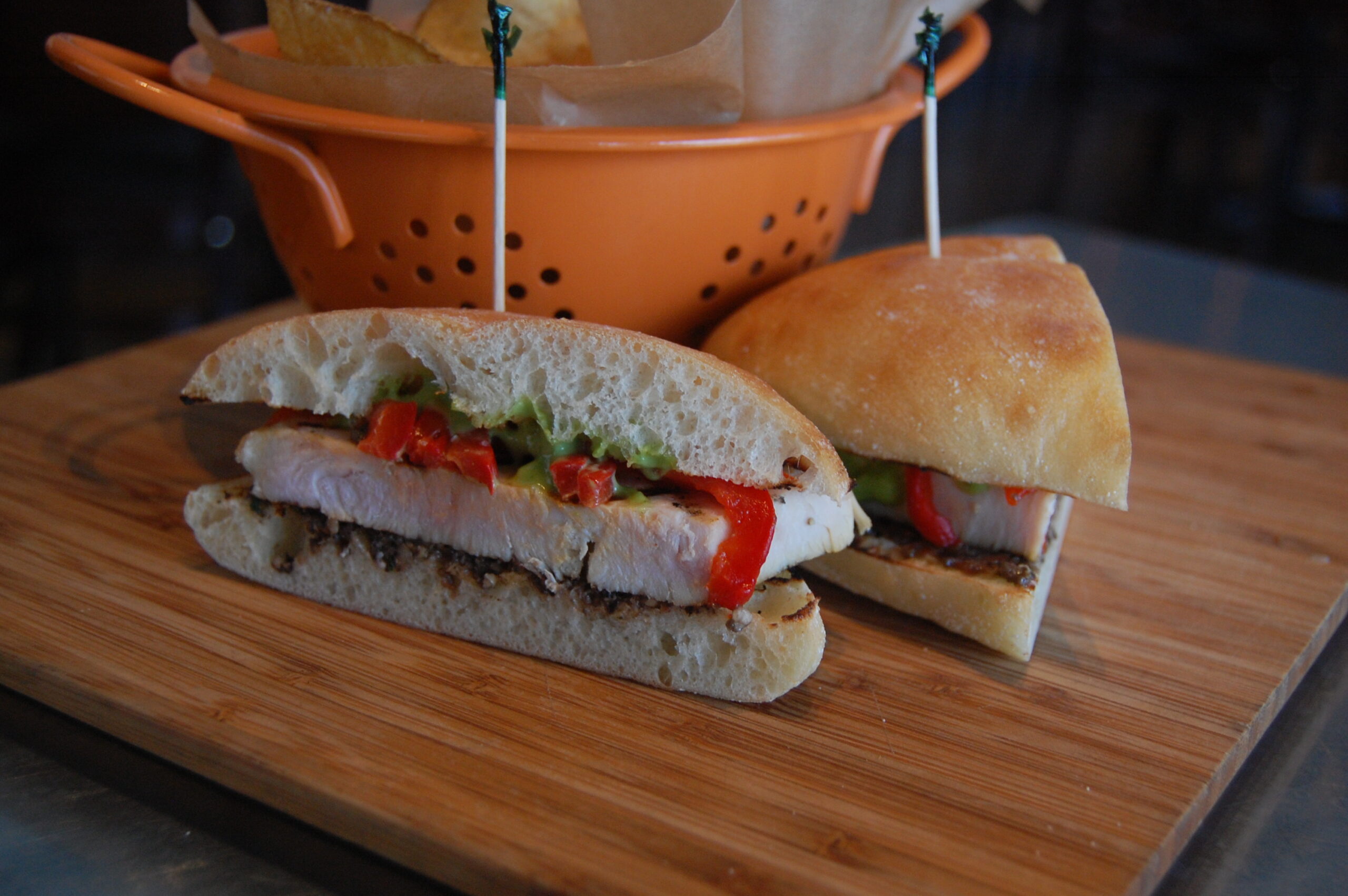
In the first two days, leftover turkey is close enough to its just-roasted texture that it holds up fine served cold, straight from the refrigerator, without needing a sauce or moisture boost to feel right. This is the window for a straightforward sandwich, thick-sliced turkey on good bread with whatever condiments the household prefers.
A cold turkey and stuffing sandwich, built the same way a good layered sandwich is built, with the wettest ingredients kept away from the bread until just before eating, makes efficient use of two of the biggest Thanksgiving leftovers in one dish.
A simple turkey salad, chopped meat folded with mayonnaise, celery, and a little mustard, is another early-window option that works precisely because the meat is still tender enough not to need a long simmer to soften it back up.
Days three and four: soups, hashes, and casseroles
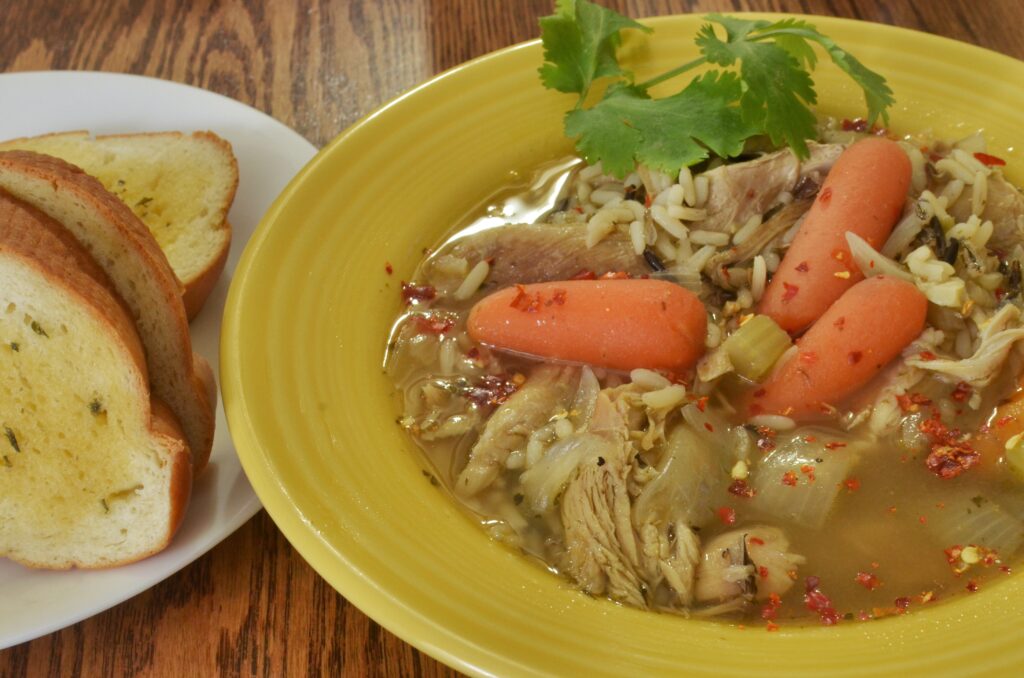
By the third day, turkey benefits from dishes that add moisture back rather than serving it dry and unadorned. A turkey and vegetable soup, using the meat shredded into a simmering broth, rehydrates the meat somewhat as it heats through, softening the firmer texture that has developed since roasting.
A hash, turkey diced and pan-fried with potatoes and onions until crisp at the edges, works well here too, since the browning and added fat from the pan compensate for what the meat itself has lost. This is also a reasonable window for a casserole, where sauce or gravy binds the meat and keeps it from tasting as dry as it would served plain.
Turkey pot pie, similar in construction to a classic chicken version, is one of the more forgiving uses for turkey at this stage, since the rich, moisture-heavy filling entirely masks any dryness that has set in by day three or four.
Matching the dish to the day
| Day | Meat texture | Best use |
|---|---|---|
| 1 to 2 | close to fresh, still moist | cold slices, sandwiches, turkey salad |
| 3 to 4 | firmer, drier at the edges | soup, hash, pot pie, casseroles |
| 5 and beyond (carcass) | picked clean of usable meat | stock, no meat left to serve directly |
Meat itself, rather than the carcass, should not realistically still be sitting in the refrigerator by day five under standard storage guidance; this table assumes earlier portions were used or frozen along the way, with the carcass held separately for stock.
Day five and beyond: the carcass becomes stock
Once the usable meat has been picked off, the carcass itself, bones, skin, and all the small scraps too awkward to serve, still holds real flavor and, more importantly, the collagen that makes a good stock gel once chilled. Rather than discarding it, a long, low simmer following the same principle behind any bone-based stock extracts what is left.
Roasting the carcass briefly before simmering, if it has cooled without much browning left on it, deepens the flavor of the resulting stock, though a carcass that already carries plenty of roasted color from the original cook can skip this step and go straight into the pot.
A picked carcass should not sit at room temperature for any length of time before this step; if stock-making is not happening the same day the bird is carved, the carcass needs to go into the refrigerator or freezer promptly rather than waiting on the counter.
Storage windows, spelled out
Cooked turkey meat holds safely in the refrigerator for three to four days, and that window starts from when the meat was cooked, not from when it was carved off the bone or moved to a new container. Tracking the original cooking date, not the day leftovers were repackaged, is the accurate way to judge how much time is left.
The freezer extends that window considerably: two to three months for the best texture and flavor, though turkey frozen properly, airtight and free of excess air, remains safe well beyond that if quality is a secondary concern. Freezing in flat, thin portions rather than one large block both speeds freezing and makes thawing individual portions later much more practical.
Any leftover turkey, whether meat or stock, needs to move from the table to the refrigerator within two hours of the meal ending, following the same room-temperature limit that applies to any cooked food. A large pot of turkey soup or stock should be divided into smaller, shallower containers before refrigerating, since a single deep pot cools too slowly at the center to be fully safe.
Labeling every container the moment it goes into the refrigerator, rather than trusting memory a few days later, removes the single most common source of confusion during this stretch: a stack of similar-looking containers with no clear sense of which one was made first. A piece of tape with the date written on it takes a few seconds and settles the question every time.
Reheating leftovers without drying them out further
Reheating turkey meat directly in a dry pan or a microwave at full power tends to compound the dryness that has already developed, since it drives off more of what little moisture remains. Reheating with a splash of stock, gravy, or even water, covered, in a low oven or a covered pan on gentle heat, brings the meat back to temperature more gently.
Regardless of method, reheated turkey should reach 165F throughout before eating, checked with a thermometer if there is any doubt, since simply feeling warm to the touch is not a reliable indicator that the center has come back up to a safe temperature.
Making the most of the full timeline
- Refrigerate leftovers within two hours of the meal, in shallow containers. Deep containers cool too slowly.
- Use the first two days for simple, cold preparations. The meat is at its best texture and needs nothing added.
- Move to moisture-heavy dishes by day three. Soup, hash, and pot pie all compensate for developing dryness.
- Freeze anything that will not be used within four days. Portion it flat for faster thawing later.
- Simmer the picked carcass into stock rather than discarding it. This is the last real use left in the bird.
- Reheat gently with added liquid, to 165F throughout. Skip the dry, full-power microwave reheat.
What to do if leftovers are piling up faster than they get used
A household that ends up with far more turkey than the five-day plan above can realistically work through has two reasonable options: freeze the surplus immediately in usable portions, or share it. Neither choice is a failure of planning; a well-cooked turkey often produces more usable meat than a single household eats fresh, even with soup, sandwiches, and a casserole all in rotation.
Portioning surplus meat into meal-sized bags before freezing, rather than one large block, means a future weeknight can pull exactly enough for a quick soup or sandwich rather than thawing far more than is needed for one meal. Labeling each bag with the freeze date keeps the eventual freezer inventory from turning into a guessing game months later.
Giving away a portion of a large bird to family or neighbors right after the holiday, while the meat is still at its best texture, is also a practical way to avoid the tail end of the moisture curve altogether, since day-one turkey handed off immediately skips the drying-out problem this whole schedule is built around managing.
A vacuum sealer, where one is available, slows freezer burn and moisture loss noticeably better than a standard zip-top bag, which matters more for turkey specifically than for many other frozen foods, since the meat was already trending toward dry before it ever reached the freezer.
Where neither freezing nor sharing is practical, scaling down the original bird the following year is worth considering; a household that consistently ends up with more turkey than five days of leftovers can use is a reasonable signal that a smaller bird would serve the table just as well with far less waste at the end.
A single turkey, handled this way across five days, produces a sandwich, a soup, and a pot of stock that all taste like they were made on purpose rather than like leftovers running out the clock.
Frequently Asked Questions
How long can leftover turkey safely sit in the refrigerator?
Three to four days from the original cooking date. Past that window, even turkey that looks and smells fine should be discarded or should have already been moved to the freezer well before this point.
Can I freeze turkey stock along with the meat?
Yes, and it holds up well frozen, often for several months without much quality loss. Freezing it in smaller portions, such as ice cube trays for small amounts or pint containers for larger ones, makes it easier to use only what a given recipe needs.
Is it safe to make stock from a carcass that has been in the refrigerator for four days?
Yes, as long as the carcass itself was refrigerated promptly and stayed within the same three to four day guidance as the meat. If it has been longer than that, it is safer to discard the carcass rather than risk it.
Why does my reheated turkey taste worse than it did on Thanksgiving?
Usually a combination of natural moisture loss over the days since cooking and a reheating method, often a microwave, that drives off more moisture in the process. Reheating gently with added liquid addresses both issues at once.
What is the fastest way to use up a large amount of leftover turkey at once?
A large pot of soup or a casserole that uses several cups of shredded meat at once clears out more leftover turkey per dish than sandwiches do, and both freeze well if the household cannot finish a full batch within a few days.