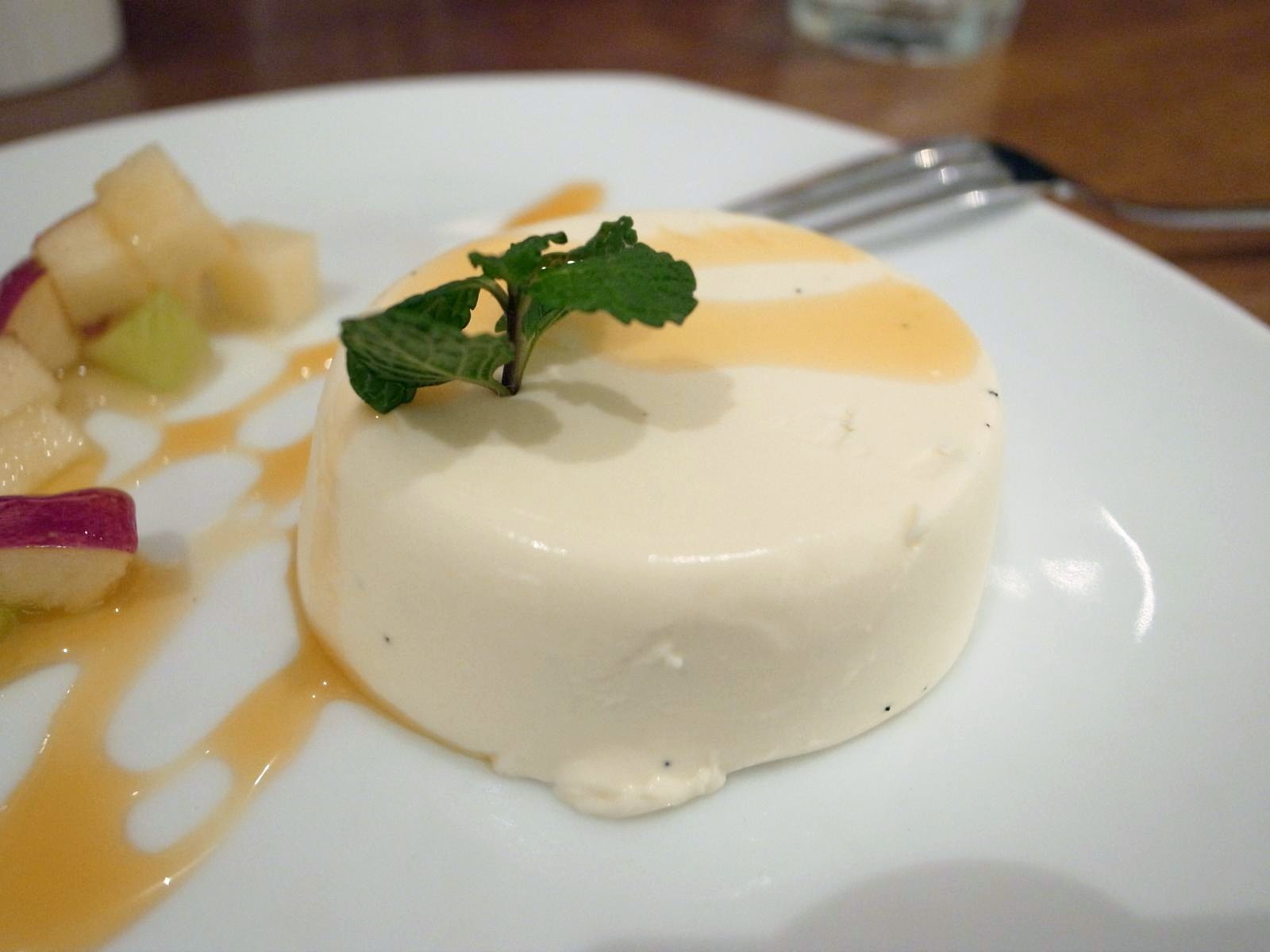
Leave a gelatin panna cotta and an agar one on the counter during a warm dinner party, and only one of them survives it. The gelatin slumps within twenty minutes of leaving the refrigerator, and by the time dessert is served it has gone from a proud dome to a soft puddle at the base. The agar version sits exactly as it was set, hours later, because it does not know the room is warm.
That single difference, the temperature at which each one turns back to liquid, decides more about which to use than any recipe usually explains. Gelatin melts around body temperature, which is why it feels like it disappears on the tongue. Agar sets far above body temperature and stays solid there, which is why a cube of it can sit in a warm drink and never dissolve.
Pectin belongs to the same conversation but plays a different game entirely, since it needs sugar and acid to do its work at all. What follows is where all three actually diverge: melt point, the strength numbers printed on packaging, how they behave around acid, and the ratios for swapping one into a recipe written for another.
- Gelatin: melts around 95F, mouth-melting texture, sets soft and elastic
- Agar: sets around 90 to 95F and does not melt again below about 185F, firm and slightly brittle texture
- Pectin: needs sugar and acid together, sets firm and spreadable, does not remelt on a warm counter
- Gelatin source: animal collagen; agar and pectin are both plant-derived
- Vegan swap: agar replaces gelatin at roughly a quarter of the weight
- Acid warning: raw pineapple, kiwi, papaya, and ginger stop gelatin from setting at all
Melt point is the whole difference between gelatin and agar
Gelatin sets into a gel somewhere around 95F, but the same protein network that traps water when cold falls apart again close to body temperature, which is roughly where a spoonful sits once it hits a warm tongue. That collapse is what produces the sensation people describe as a dessert melting rather than dissolving, and it is not an accident of a specific recipe. It is the defining property of the ingredient.
Agar’s network is built from a different plant carbohydrate, and it behaves almost the opposite way. Once set, it does not soften again until it reaches somewhere around 185F, well past anything that happens in a mouth or on a summer table. A cube of agar-set jelly dropped into a hot drink will not dissolve on contact, and a slice left in direct sun on a picnic table will still be a slice hours later.
Neither behavior is objectively better. Mouth-melting texture is exactly what a mousse or a classic panna cotta wants, and a texture that resists melting is exactly what a shelf-stable confection, a hot dessert component, or a tropical-climate dish needs.
Gelatin vs agar vs pectin: what each one actually is
Gelatin comes from collagen, the structural protein in animal skin and connective tissue, broken down by heat and acid until it dissolves in hot water and reforms into a gel as it cools. Because it is a protein, it behaves like one: certain raw fruit enzymes attack it, and it is sensitive to strong acid in a way the other two are not.
Agar is extracted from red algae and is a carbohydrate rather than a protein, built from repeating sugar units rather than amino acids. It requires an actual boil to dissolve fully, not just warm water, and once it cools past its setting point it holds that shape with far more heat resistance than gelatin ever will.
Pectin is another plant carbohydrate, found naturally in the cell walls of fruit and vegetables, and it is the reason a jar of jam sets at all. Unlike gelatin and agar, it does not gel from concentration and temperature alone; commercial pectin needs a specific balance of sugar and acid alongside it to link into a network, which is why jam recipes are precise about both.
Bloom strength: what the number on a gelatin box means

Bloom is a measure of gel strength, named for the test that presses a plunger into a standardized gel and records the force needed to deform it. Higher bloom means a firmer gel at the same concentration, and most home gelatin, powdered or in sheets, falls in the 160 to 250 bloom range depending on brand and grade.
Sheet gelatin is usually sold by bloom strength directly, in bronze, silver, gold, and platinum grades from softest to firmest, while powdered gelatin in most supermarkets is a single unlabeled grade close to the middle of that range. Swapping sheet for powder without adjusting quantity is the single most common reason a home cook’s panna cotta comes out too firm or too soft compared to the recipe’s intent.
A rough rule that holds across most home recipes: one standard sheet of gelatin, regardless of grade, is close enough to one teaspoon of powdered gelatin to substitute directly in most desserts, though a professional pastry kitchen working across multiple bloom grades treats the conversion with more precision than that. It is the same bloom-strength question that decides whether a no-bake New York cheesecake sets firm enough to slice cleanly or stays soft enough to spoon.
Agar sets at room temperature and needs a boil to dissolve

Agar will not dissolve in cold or lukewarm liquid the way gelatin can be softened and melted gently. It needs to be whisked into the liquid and brought to a full boil for a minute or two, or it will set unevenly, with gritty undissolved flecks throughout the finished dish.
Once boiled and poured, agar sets as it cools past roughly 90 to 95F, which is close to room temperature in a warm kitchen. That means an agar-set dessert can firm up on the counter well before it goes anywhere near a refrigerator, which surprises people used to gelatin’s dependence on cold to set at all.
The texture is also different in the mouth even before melt point comes into it. Agar gels tend toward firm and slightly brittle rather than gelatin’s soft, elastic wobble, and at higher concentrations it can turn outright crumbly, which is a texture choice some Asian desserts, like a firm-set fruit jelly, rely on deliberately.
Pectin only works with sugar and acid in the right ratio
High-methoxyl pectin, the common type in most home jam recipes, needs roughly 55 to 65 percent sugar concentration and a pH somewhere in the range of 2.8 to 3.5 to form a gel at all. Cut the sugar significantly without changing anything else and the same amount of pectin simply will not set, no matter how long it cooks.
Low-methoxyl pectin, sold separately and often marketed for reduced-sugar preserves, sets instead in the presence of calcium and tolerates far less sugar, which is why it exists as a distinct product rather than a simple substitute. The two are not interchangeable measure for measure.
Once set, pectin gels do not soften on a warm counter the way gelatin does, and they do not need a boil to dissolve the way agar does; the setting reaction happens once, during cooking, and the result is stable at room temperature afterward. That stability is exactly why jam does not need refrigeration to hold its set, whatever storage rules apply to the fruit and sugar inside it for other reasons.
Acid tolerance separates all three
| Gelatin | Agar | Pectin | |
|---|---|---|---|
| Tolerates strong acid | Poorly; weak, soft set past a certain pH | Moderately; loses some strength but still sets | Needs acid to set at all |
| Raw pineapple, kiwi, papaya, ginger | Will not set; enzymes break down the protein | Sets normally; enzymes do not affect a carbohydrate gel | Not typically relevant to jam fruit |
| Fix for problem fruit | Cook the fruit first to deactivate the enzyme | No fix needed | Not applicable |
The raw fruit problem is worth explaining rather than just listing. Pineapple, kiwi, papaya, ginger, and a few others carry proteolytic enzymes, compounds that break protein chains apart. Gelatin is pure protein, so these fruits digest it before it ever gets the chance to set, leaving a liquid mess instead of a dessert. A quick boil of the fruit denatures the enzyme and solves the problem completely, which is why canned pineapple, already heat-processed, sets fine in gelatin while fresh pineapple does not.
Agar has no such vulnerability, because there is no protein for the enzyme to attack, which makes it the reliable choice for a raw tropical fruit terrine where gelatin would quietly fail.
Conversion ratios for swapping one into a recipe written for another
| Recipe calls for | Use instead | Ratio | Note |
|---|---|---|---|
| 1 tsp powdered gelatin | Agar powder | about 1/4 tsp | agar sets far stronger by weight; boil to dissolve |
| 1 sheet gelatin | Agar flakes | about 1 tsp | adjust texture expectation, agar sets firmer |
| Agar for a soft, wobbly set | Reduce agar | use the low end of the ratio | agar has a narrower usable range than gelatin |
| Pectin in place of gelatin | Not a direct swap | n/a | pectin needs sugar and acid; changes the whole recipe |
Pectin sits outside the swap table because it cannot substitute for gelatin or agar in most applications without rewriting the recipe’s sugar and acid balance from the ground up. It belongs to a different category of use, built around fruit preserves and sweet-tart set spreads rather than the custards, mousses, and terrines gelatin and agar are used for.
Texture side by side: three panna cotta, three ways
A gelatin panna cotta, cream and sugar set at the standard ratio, the same base a matcha white chocolate panna cotta builds on, has the texture the dessert is known for: it holds its shape unmolded but yields the instant a spoon touches it, and it disappears on the tongue with no separate sensation of chewing through anything.
The same cream base set with agar at an equivalent firmness holds its shape more assertively when unmolded, slices cleanly with a knife rather than trembling, and has a faint but real firmness in the mouth before it breaks down. Some tasters describe it as slightly less luxurious for exactly that reason; others prefer it for the same reason in a hot climate.
A version thickened instead with a fruit puree and pectin, more jam than panna cotta in structure, sets spreadable rather than sliceable and carries the tartness pectin’s acid requirement builds in. It is a different dessert entirely rather than a texture variant of the first two, which is the clearest way to understand why the three ingredients are not simply interchangeable options on a shelf. A baked custard like crème brûlée sits outside this comparison altogether, since it sets from egg protein coagulating under heat rather than from any of the three gelling agents covered here.
Where each one fails
Gelatin fails in heat, with raw enzyme-bearing fruit, and in very acidic mixtures like a straight citrus curd, where the set comes out soft and the dessert weeps liquid over time.
Agar fails when it is not fully boiled, leaving grainy undissolved specks, and in dishes that specifically want gelatin’s mouth-melting quality, where agar’s firmer, cooler-feeling set reads as wrong rather than just different.
Pectin fails when the sugar or acid is off, producing either a set that never firms or one so stiff it turns rubbery, and it is the least forgiving of the three to improvise with because the chemistry is a genuine balance rather than a simple ratio of thickener to liquid.
Weeping desserts, holding temperature, and the safety side of a soft set
A gelatin dessert that never fully sets, most often from too little gelatin or from an unrecognized enzyme problem, is a texture failure rather than a safety one on its own. But a dairy-based gelled dessert, whether set with gelatin, agar, or neither, is still a dairy product, and it should not sit out at room temperature for more than about two hours, less in a hot room, for the same reason any cream- or egg-based dish should not.
Panna cotta, mousse, and Bavarian cream all fall into that category regardless of which setting agent holds them together. Chill them promptly after unmolding for service, and treat a warm dinner table the way you would treat any other dairy dessert: served, admired, and eaten within a couple of hours rather than left out for the length of a long evening.
Sheet gelatin and powdered gelatin both carry a short bloom step in cold water before use, which softens them and prevents clumping when they hit hot liquid; skipping that step is a texture problem, stringy undissolved gelatin, rather than a safety one, but it is worth doing correctly regardless.
None of the three is a universal thickener, and reaching for whichever is already in the pantry, without checking whether the dish needs melt or hold, sugar or none, cold set or heat resistance, is the fastest way to end up with a dessert that behaves nothing like the one intended.
Frequently Asked Questions
Can I use agar and gelatin together in the same recipe?
Yes, and some professional kitchens do exactly that to get a texture between the two: a firmer hold than pure gelatin with a softer mouthfeel than pure agar. Start with a small amount of agar alongside the normal gelatin quantity and adjust from there, since the two behave differently enough that the combination needs its own testing.
Why did my gelatin dessert never set with fresh pineapple in it?
Fresh pineapple carries an enzyme called bromelain that breaks down the protein gelatin is made of, so the mixture never gels no matter how much gelatin goes in. Cooking or canning the pineapple deactivates that enzyme, which is why canned pineapple works fine in the same recipe.
Is agar considered vegan and gelatin is not?
Correct. Agar comes from red algae and carries no animal product, while gelatin is derived from animal collagen, typically from pork, beef, or fish byproducts. Pectin is also plant-derived and suitable for the same diets that avoid gelatin.
Does agar need to be refrigerated to set, like gelatin does?
No. Agar sets as it cools to roughly room temperature, well above refrigerator temperature, which is the main reason it holds up outside the refrigerator where a gelatin dessert would not. Refrigerating an agar dessert afterward is fine for food safety reasons related to what else is in the dish, not for the set itself.
Can I substitute cornstarch for gelatin, agar, or pectin?
Not directly for any of the three. Cornstarch thickens through gelatinized starch granules rather than a protein or carbohydrate gel network, and it produces a soft, custard-like thickness rather than a sliceable or moldable set. It belongs in a different category of thickener, useful for puddings and sauces rather than unmolded desserts.