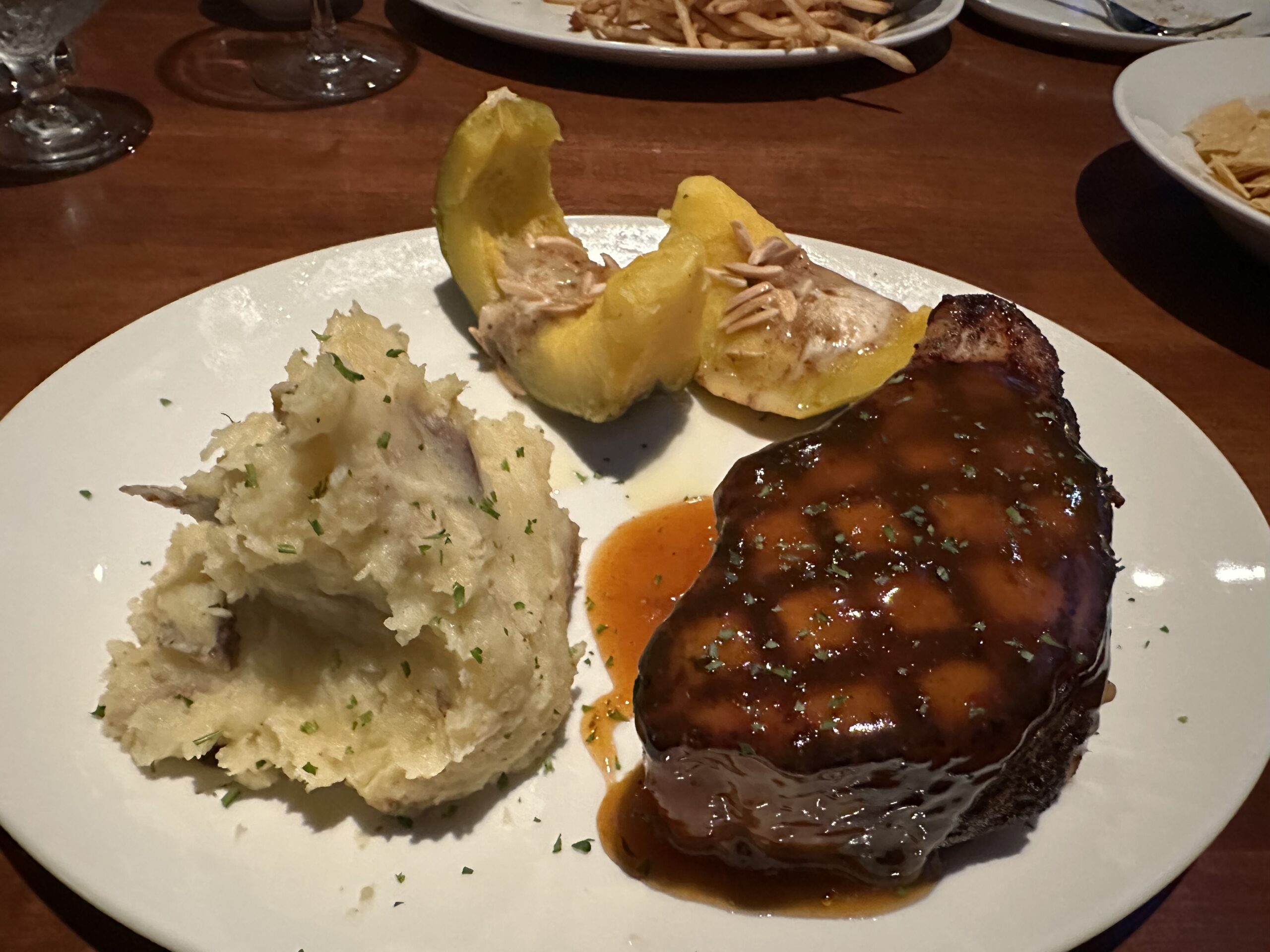
A cup of cooked Brussels sprouts and a cup of cooked acorn squash look like roughly the same fiber contribution to a plate. They are not close. One delivers something in the neighborhood of four grams, the other closer to nine, and neither number has anything to do with how green or how virtuous the vegetable looks sitting next to a roast.
Fall produce is unusually good ground for this comparison, because the season puts squash, root vegetables, and brassicas on the same table at once, and the fiber content between them swings by a factor of three or four. Ranking them by the cooked cup, rather than by reputation, changes which vegetables are worth reaching for twice.
What follows is that ranking, the cooking losses that are real but smaller than assumed, and three plate combinations that reach a full day’s fiber target from vegetables alone, no bran cereal or supplement required.
- Target: roughly 25 to 35 grams of fiber a day for most adults, and most people get well under half that
- Highest of the fall crop: artichokes and winter squash, both in the range of 6 to 10 grams per cooked cup
- Lowest of the fall crop: cauliflower and kale, closer to 2.5 to 3 grams per cooked cup
- Cooking loss: small for fiber specifically, larger for some vitamins, and boiling loses more than roasting or steaming
- Skin matters: potatoes and squash lose a meaningful share of their fiber when peeled
- Go slow: a sudden jump in fiber intake causes real gas and bloating; build up over a couple of weeks
Fiber loss during cooking is smaller than most people assume
Dietary fiber is, by definition, the part of a plant that resists digestion, and that same structural resistance makes it fairly stable against heat. Water-soluble vitamins like vitamin C break down substantially during boiling; fiber mostly does not, because it is not the kind of molecule that heat degrades easily.
What does change fiber numbers is water. Boiling a vegetable in a large volume of water and then draining it can leach out a modest amount of soluble fiber into the cooking liquid, along with minerals and some vitamins. Steaming, roasting, and sautéing in a small amount of fat keep nearly everything that started in the vegetable inside it.
The practical upshot: the fiber figures below hold up reasonably well across cooking methods, with boiling knocking off a small percentage and drier methods keeping close to the raw value. The bigger swing between vegetables is due to what they are, not how they were cooked.
Twenty fall vegetables ranked by fiber per cooked cup
| Vegetable, cooked | Fiber per cup | Rank |
|---|---|---|
| Artichoke hearts | about 9 to 10 g | 1 |
| Acorn squash | about 9 g | 2 |
| Green peas | about 8 to 9 g | 3 |
| Parsnips | about 6 g | 4 |
| Butternut squash | about 6 g | 5 |
| Broccoli | about 5 g | 6 |
| Collard greens | about 5 g | 7 |
| Brussels sprouts | about 4 g | 8 |
| Carrots | about 4 to 5 g | 9 |
| Green beans | about 4 g | 10 |
| Sweet potato, cubed | about 4 g | 11 |
| Sweet corn kernels | about 4 g | 12 |
| Potato, skin on | about 3.5 to 4 g | 13 |
| Spinach | about 4 g | 14 |
| Beets | about 3.5 g | 15 |
| Turnips | about 3 g | 16 |
| Cabbage | about 3 g | 17 |
| Pumpkin, mashed | about 3 g | 18 |
| Cauliflower | about 3 g | 19 |
| Kale | about 2.5 g | 20 |
The gap between the top and bottom of that list is real cooking arithmetic. Two cups of Brussels sprouts and one cup of acorn squash land at close to the same fiber total, which matters if squash keeps appearing at the table and sprouts do not.
The artichoke problem: high fiber, low turnout
Artichoke tops the list by a comfortable margin, and almost nobody eats a cup of it in a sitting, because most of a whole artichoke is inedible leaf base and choke. A single trimmed heart is a modest amount of food relative to the effort of getting there.
Frozen and canned artichoke hearts solve the labor problem and keep most of the fiber, since the edible portion is already separated. A cup of drained, chopped artichoke hearts tossed into a grain bowl or a pasta dish is a realistic way to use the ranking rather than an aspirational one.
Jerusalem artichokes, unrelated botanically but sharing the name, are a separate case and worth a mention here only to avoid confusion: they are a root vegetable with their own fiber profile, largely from a type of fiber called inulin, and they are not interchangeable with the globe artichoke in this table.
Winter squash beats most green vegetables on this metric
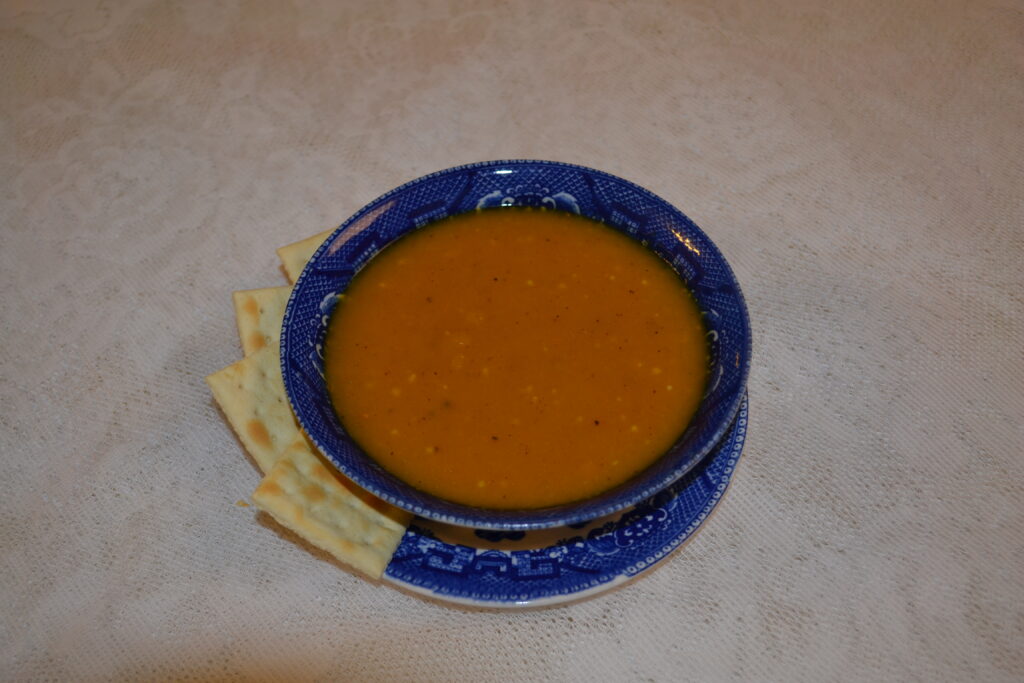
The instinct to reach for green vegetables as the fiber-dense choice does not hold up against winter squash. Acorn and butternut squash both land well ahead of broccoli, kale, and cauliflower on a per-cup basis, mostly because a cup of dense roasted squash simply packs more plant material than a cup of leafy greens, which collapse to a fraction of their raw volume once cooked.
This does not make squash nutritionally superior in every respect; leafy greens carry their own vitamin and mineral profile that squash does not match. It does mean that treating squash as a fiber afterthought next to a green vegetable side dish undersells what a roasted tray of it is actually contributing.
Roasting squash in large cubes with the skin left on where the variety allows, such as acorn or delicata, keeps the fiber that would otherwise be lost to peeling, and it needs nothing beyond oil, salt, and a hot oven to turn out well, the same basic method behind a good tray of crispy roasted vegetables.
Where high fiber vegetables fit in a normal day
Most adults are advised to aim for somewhere between 25 and 35 grams of fiber a day, and most people in practice land closer to half that, largely because refined grains and processed food have displaced the vegetables, fruit, and whole grains that would otherwise supply it. High fiber vegetables are not a niche health-food category; they are simply underused compared to how often they appear in a typical week.
A single serving from the top of the ranking above, roughly a cup of squash or artichoke, covers close to a third of the daily target on its own. Spread across three meals, hitting the full number from vegetables and a modest amount of whole grain is realistic without any specialty product involved.
The gap closes fastest by upgrading side dishes rather than adding new ones. A weeknight dinner that already includes a vegetable side gets most of the benefit simply by choosing squash or Brussels sprouts over a lower-fiber option like cucumber salad or plain rice.
Three combinations that hit the daily target without supplements
| Combination | Approx. total fiber | What’s in it |
|---|---|---|
| Roasted squash grain bowl | 13 to 15 g | 1 cup roasted butternut, 1/2 cup farro, handful of greens |
| Braised greens and beans plate | 14 to 16 g | 1 cup collards, 1/2 cup white beans, 1/2 cup carrots |
| Sprout and parsnip roasting tray | 10 to 12 g | 1 cup Brussels sprouts, 1 cup parsnips, olive oil |
None of these three requires an ingredient outside a normal fall produce aisle, and each one, paired with a whole-grain side or a slice of whole-wheat bread at the same meal, comfortably covers a third to half of a full day’s target from a single plate. The roasted squash bowl in particular follows the same logic as a buddha bowl: one starch, one green, one roasted vegetable, and a source of protein, stacked rather than plated separately.
Skin-on versus peeled: the fiber you throw away
Potato skin alone accounts for a meaningful share of a potato’s total fiber, commonly estimated at close to half in a medium potato, which means a peeled mash gives up a substantial amount of what a skin-on preparation would have kept. The same logic applies to squash varieties with an edible skin, carrots, and even apples eaten as a side to a savory dish.
Not every skin is worth keeping. Winter squash varieties like Hubbard and spaghetti squash have a tougher rind that most people find unpleasant to eat even after roasting, and peeling those is a reasonable trade for texture over the fiber they carry in the skin.
Where the skin is thin and the vegetable is scrubbed rather than peeled, as with potatoes, carrots, and acorn or delicata squash, leaving it on is close to a free upgrade: no extra cost, no extra time, and a real fiber gain.
Soluble and insoluble fiber do different jobs
Fiber is not one substance behaving one way. Soluble fiber dissolves into a gel in water and slows digestion, which helps moderate blood sugar response and can lower cholesterol; oats, beans, and root vegetables like carrots and sweet potato carry a meaningful share of it. Insoluble fiber does not dissolve and instead adds bulk that moves through the digestive tract, which is the type most associated with regularity; the fibrous parts of broccoli stems, cabbage, and green beans lean this direction.
Building a meal around whole grains alongside these vegetables adds a third fiber source with its own soluble-insoluble mix, which is part of why grain bowls tend to outperform a plain vegetable side on this measure. Most vegetables carry a mix of both rather than one exclusively, and there is no need to track the split precisely at home. The practical takeaway is that variety across the fall vegetable list does more for digestive health than maximizing any single high-fiber item, since the two types support different functions.
Adding fiber too fast causes real discomfort
A household that goes from a low-fiber week to three servings of Brussels sprouts, beans, and squash in the same day frequently ends up with gas, bloating, and cramping that has nothing to do with anything being wrong with the food. The gut’s bacterial population adjusts to fiber intake gradually, and a sudden jump gives it more to ferment than it is used to handling.
Building up over one to two weeks, adding roughly five extra grams every few days rather than all at once, avoids most of that discomfort. Drinking enough water alongside the increase matters as well, since fiber that moves through the gut without adequate fluid can have the opposite effect from the one intended and cause constipation rather than relieve it.
Anyone managing a diagnosed digestive condition, such as irritable bowel syndrome or an inflammatory bowel disease, should treat general fiber targets as a starting point for conversation with a clinician or dietitian rather than a fixed goal, since some conditions call for lower fiber during flares and a different approach to which types of fiber are tolerated.
Cooking method changes the number more than the vegetable does
| Method | Effect on fiber | Best for |
|---|---|---|
| Steaming | minimal loss | broccoli, green beans, carrots |
| Roasting | minimal loss, some water evaporates and concentrates the rest | squash, Brussels sprouts, parsnips |
| Boiling and draining | modest loss of soluble fiber into the water | potatoes, beets, when the liquid isn’t used |
| Boiling, liquid kept (soup or stew) | essentially no loss, the fiber stays in the pot | any root vegetable or squash |
| Pureeing or straining | can remove fiber if pulp is discarded | avoid for smooth soups meant to keep the fiber |
The one method that meaningfully reduces fiber intake is straining out solids, which shows up most often in pureed soups pushed through a fine sieve for a silkier texture, or in juicing rather than eating a vegetable whole. Neither is wrong as an occasional preparation, but a household relying on smooth soups and juices as its main vegetable intake is quietly losing a large share of what the vegetable offered.
Ranking fall vegetables by fiber does not mean abandoning kale for squash at every meal; it means noticing that a roasting tray of parsnips and Brussels sprouts is doing more on this one measure than the salad it often sits next to, and choosing accordingly on the nights that call for it.
Frequently Asked Questions
Do frozen fall vegetables have less fiber than fresh?
Generally no. Vegetables frozen shortly after harvest hold their fiber content close to fresh, sometimes better than fresh vegetables that have traveled and sat for days before cooking. Canned vegetables are similar for fiber, though often higher in added sodium.
Does peeling always lower the fiber count significantly?
It depends on the vegetable and the thickness of the skin. Potatoes and thin-skinned squash lose a meaningful share when peeled; thick-skinned squash like Hubbard loses comparatively less relative to the effort of eating the peel, since most people would not eat that skin regardless.
Can I get too much fiber from vegetables alone?
It is uncommon but possible, and the more likely issue is discomfort from a fast increase rather than any lasting harm. Very high intakes can interfere with mineral absorption in some cases, which is one more reason to build up gradually rather than jump straight to the top of a target range.
Is fiber content different between raw and cooked vegetables?
The total fiber changes only modestly with cooking, but cooked vegetables usually take up less volume than raw, so a cooked cup often represents more of the plant than a raw cup of the same vegetable. That is part of why cooked measurements, not raw, are the more useful reference for comparing fiber density.
Which single fall vegetable is the best value for fiber and cost?
Cabbage and carrots are both inexpensive and reliably available through the season, and while neither tops the fiber ranking, their low cost and long storage life make them easy to eat in larger, more frequent portions than pricier options like artichokes, which closes much of the per-cup gap in practice.