Two jars of kimchi, same head of napa cabbage, same paste, split the day they were packed. One sits on a counter in a kitchen running close to 65F. The other goes straight into the refrigerator. Five days later the counter jar is sharp, fizzy, and clearly sour. The refrigerated one still tastes mostly of raw cabbage and chile, with barely a hint of tang.
A good jar of it is also half of what makes a plate of Korean fried chicken feel complete, cutting through the richness the way pickles do alongside any fried food. Kimchi is not a fixed flavor that a recipe locks in at the moment of packing. It is a moving target, and where it lands depends more on the room it sits in for the first few days than on anything in the paste. A kitchen at 65F gets there in about three days. The same jar at 75F gets there in one, often overshooting into something sharper than intended.
What follows is the salting that actually matters, what the paste is doing beyond flavor, the room-temperature window that sets the sourness, and what happens to a batch that skips the cold phase most recipes call for at the end.
- Salt for brining a whole head: a strong salt water soak, roughly a cup of salt per gallon of water
- Brine time: 1 to 2 hours for quartered napa, turned partway through
- Room-temperature ferment: 2 to 5 days at 65 to 70F
- Faster and sourer: above 75F, often done in a single day
- Then cold: refrigerate to slow fermentation to a crawl, not stop it
- Watch for: fuzzy colored mold means discard; a flat white film is usually harmless yeast
Two-hour brine, not a dry salt rub
Sauerkraut is typically salted dry, shredded and tossed with salt until it releases its own liquid. Kimchi usually takes the opposite route: the cabbage is cut into quarters or large pieces and soaked directly in a strong salt water solution, which draws water out through the leaves more evenly than a dry rub does on such large pieces.
An hour to two hours is the normal window, with the cabbage turned once partway through so the parts that started above the brine line get their turn. The leaves should go from stiff and squeaky to pliable enough to bend around a finger without snapping, which is the visual cue that the brining has gone far enough.
Rinsing after brining removes the surface salt so the finished kimchi is not simply salty, and a taste of a rinsed leaf should read as pleasantly seasoned rather than sharp. Under-rinsed cabbage produces a kimchi that never balances properly no matter how the paste is adjusted afterward.
How much salt a whole head of napa actually needs
A standard brine runs somewhere around one cup of coarse salt dissolved into a gallon of water, enough to fully submerge two quartered heads of napa. That concentration is well above what any of the vegetable ends up absorbing, since most of the salt stays in the water and only a portion moves into the leaves during the soak.
Weighing the cabbage and calculating a percentage, the way a dry-salted ferment does, is less common for whole-leaf kimchi because a soak brine works on a different mechanism than a dry-salt cure. What matters more than a precise ratio here is the visual and tactile check: properly brined leaves bend without breaking and taste seasoned rather than raw once rinsed.
Salt without iodine or anti-caking agents is worth using for the same reason it matters in any vegetable ferment: iodine can inhibit the bacteria doing the work, and anti-caking agents cloud the brine without adding anything useful.
The paste: what each ingredient is doing
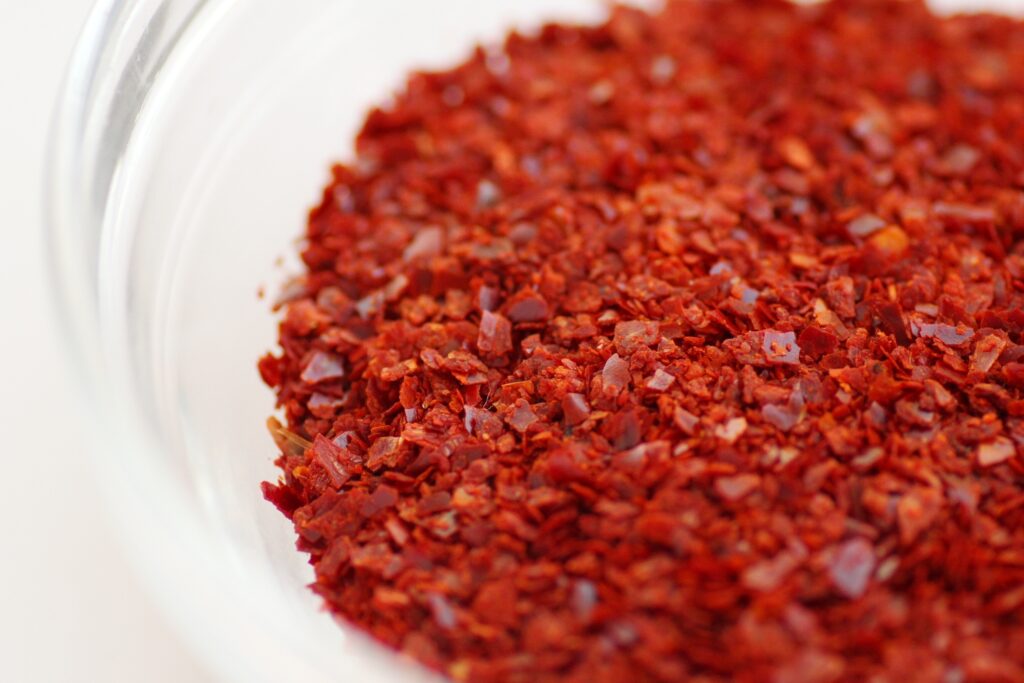
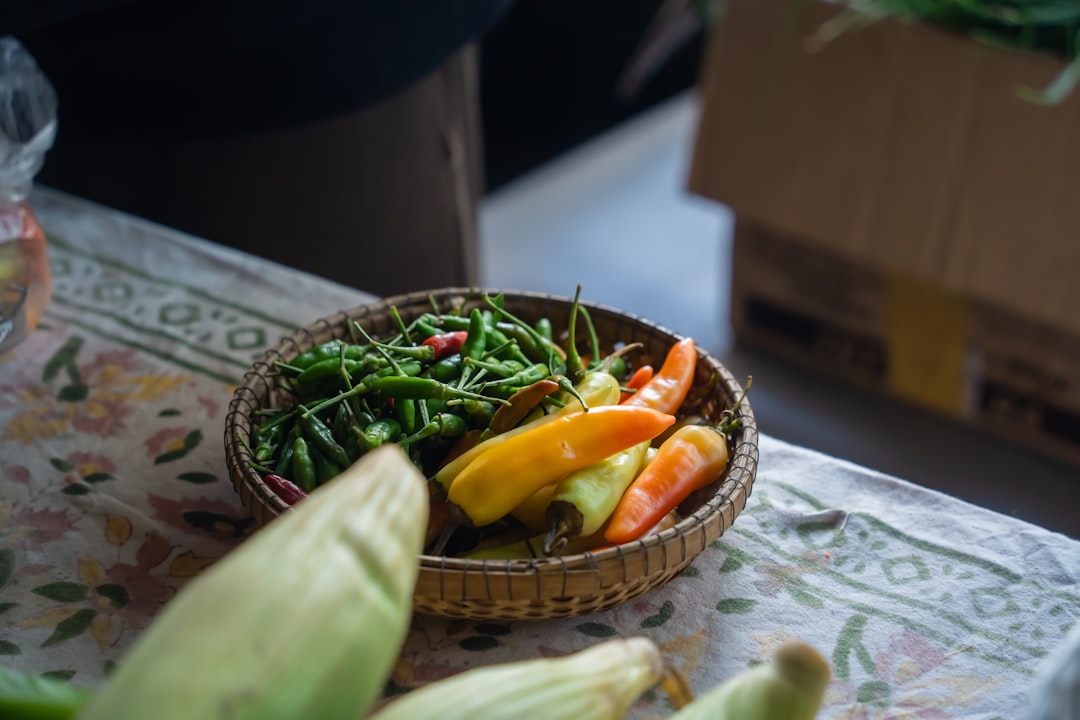
Korean chile flake, gochugaru, supplies color and a fruity, moderate heat rather than the sharp burn of a fresh chile, and there is no real substitute that reproduces its exact character. Its thicker, sweeter cousin gochujang is what gives tteokbokki its glossy red sauce, but the two are not interchangeable in a kimchi paste. Garlic and ginger, both crushed to a near-paste, contribute pungency that mellows considerably over the fermentation and would taste harsh if tasted raw at the moment of mixing.
A starch slurry, usually rice flour or sweet rice flour cooked briefly with water into a thin paste, is not there for flavor. It gives the paste enough body to cling to every leaf rather than sliding off, and it also supplies a small amount of sugar that feeds the fermentation in its early hours.
Fish sauce or salted shrimp, or both, are the savory backbone that a purely vegetable ferment lacks, contributing the glutamate-rich depth that makes finished kimchi taste rounder than chile and garlic alone would produce. Scallion, and often julienned radish or carrot, go in whole rather than pureed, adding texture and their own small sugar content to the mix.
How to make kimchi at home, from head to jar
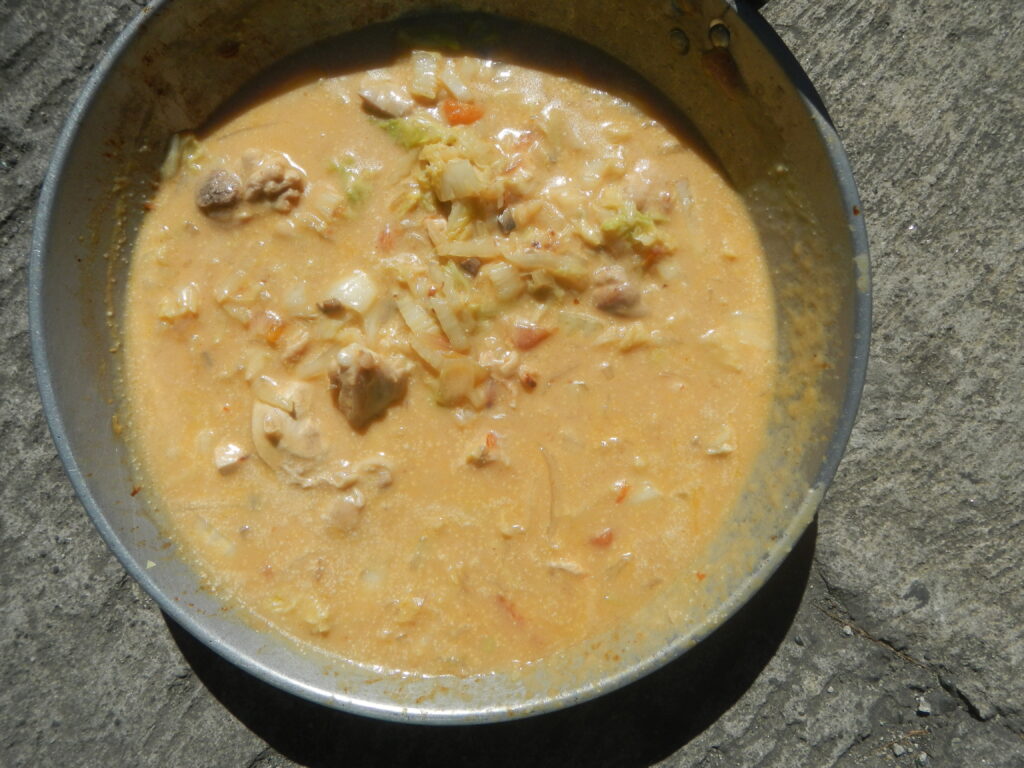
- Quarter one large napa cabbage through the core, keeping the leaves attached at the base. Cutting rather than pulling leaves apart keeps the layered structure intact for packing later.
- Dissolve about a cup of coarse salt into a gallon of water. Submerge the quarters, weighting them down if they float.
- Brine for 1 to 2 hours, turning once. The leaves are ready when the thick white base bends without snapping.
- Rinse each quarter under cold water two or three times. Taste a piece of the base; it should read seasoned, not sharply salty.
- Cook a thin rice flour slurry and let it cool. A few tablespoons of rice flour whisked into a cup of water, simmered until slightly thickened.
- Mix the slurry with gochugaru, garlic, ginger, fish sauce, and sugar into a thick paste. It should coat the back of a spoon heavily.
- Fold in scallion and julienned radish or carrot. These add crunch that survives the ferment.
- Work the paste between every leaf of each cabbage quarter, by hand. Gloves are worth wearing; the chile paste stains and lingers on skin.
- Pack the quarters tightly into a jar, pressing to remove air pockets. Leave an inch or two of headspace for the liquid that will rise.
- Leave it at 65 to 70F for 2 to 5 days, checking daily. Press the cabbage under its own liquid if any pokes above the surface.
- Move it to the refrigerator once it tastes as sour as you want. It will keep developing slowly from there.
The two to five days at 65F that decide the sourness
Room-temperature lactic acid fermentation is where nearly all of kimchi’s character develops, and the temperature of that room is the single biggest variable a home cook controls. At 65 to 70F, most batches move from mild and cabbage-forward on day one to a balanced, lightly sour, fully developed flavor by day three or four.
Warmer rooms compress that timeline sharply. At 75F and above, the same batch can reach a comparable sourness in a single day and continue past it quickly if left unchecked, often ending up sharper and softer in texture than a cooler, slower ferment would have produced.
There is no fixed finish line, only a target flavor. Tasting daily, with a clean utensil, is the only reliable way to catch a batch at the point you personally want it, since two households given the identical recipe and room temperature can still prefer different points on the same curve.
What happens if you skip the cold phase
Kimchi left at room temperature past the point of good flavor does not stop developing; the same bacteria keep converting sugars into acid, and the vegetables keep softening as their structure breaks down under the acidity and the enzymes at work. A batch forgotten on the counter for two weeks is edible but noticeably softer, sharper, and less balanced than one moved to the cold at day four.
Refrigeration slows fermentation to a small fraction of its room-temperature pace rather than halting it outright, which is why properly stored kimchi keeps changing, slowly, for months. This is expected and is part of why older kimchi is prized for cooking rather than eating fresh: it turns into a different, more intensely flavored ingredient rather than simply going bad.
Skipping the cold phase entirely and leaving a jar at room temperature indefinitely is the version that actually causes problems, since unchecked room-temperature fermentation eventually pushes texture and flavor well past what most people find pleasant, even though the acidity itself keeps the batch safe from the organisms that would otherwise be a concern in an anaerobic, low-acid environment.
Fish sauce, shrimp paste, or neither
Traditional baechu kimchi nearly always includes some animal-derived savory ingredient, fish sauce, salted shrimp, or both, and the two are not fully interchangeable: fish sauce is smoother and more liquid, salted shrimp adds small bursts of texture and a funkier depth. Recipes that use both are building layered savoriness rather than doubling up redundantly.
A vegan version replaces these with a combination of soy sauce, a small amount of extra sugar, and sometimes a splash of the brine itself, plus a boost from ingredients like dried shiitake or kelp for the umami depth that fish sauce would otherwise supply. The fermentation itself proceeds normally either way, since the lactic acid bacteria doing the work live on the cabbage, not in the fish sauce.
The flavor difference between a fish-sauce version and a vegan one is real and noticeable side by side, but neither is more or less authentically kimchi in a strict sense; regional and household recipes across Korea vary considerably on exactly this point.
Signs the ferment is healthy, and the ones that mean stop
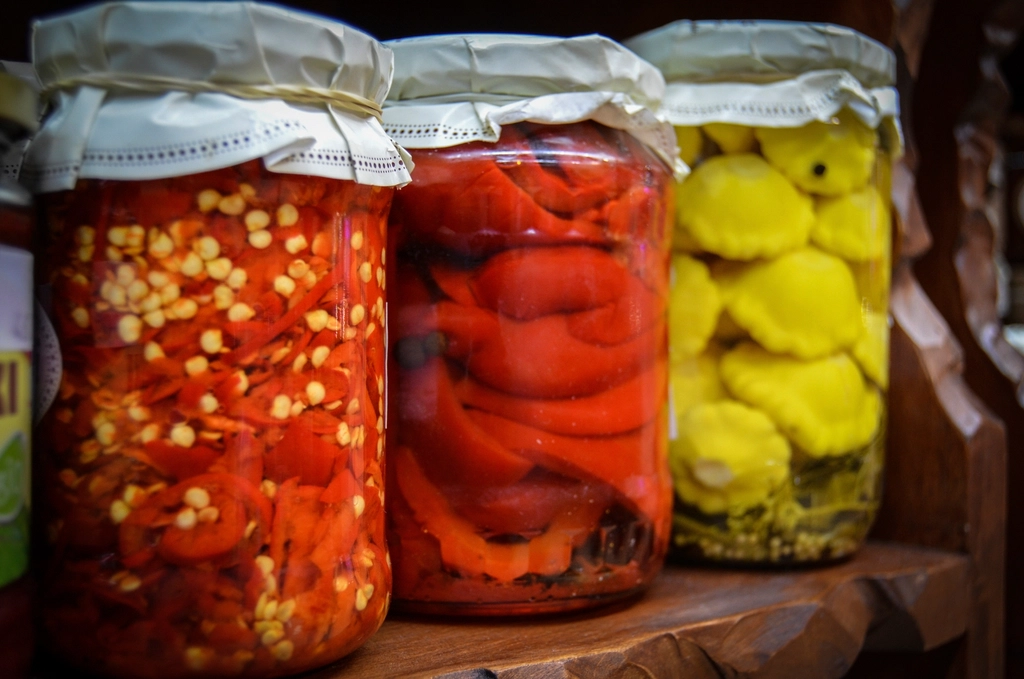
Small bubbles rising through the jar, a slightly cloudy brine, and a smell that shifts from raw cabbage toward something tangy and faintly funky are all normal signs of an active, healthy ferment. The liquid level typically rises in the first day or two as the salt draws more moisture from the vegetables and the fermentation adds gas.
A thin, flat, wrinkled white film on the surface is usually a harmless yeast, similar to the kahm yeast that appears on other vegetable ferments, and it can be skimmed off without discarding the batch underneath. Fuzzy, raised mold in any color is a different matter entirely and means the batch should be thrown out, since mold filaments extend well past what is visible on the surface.
A batch that never develops any sourness after several days at a reasonable room temperature is usually too cold, oversalted, or was made with chlorinated water that slowed the bacteria down. Moving it somewhere slightly warmer and giving it another day or two before deciding solves most of these cases.
Where the safety margin actually comes from
A properly made kimchi acidifies within days, and that acidity, generally dropping well below pH 4.6 as fermentation proceeds, is what keeps it safe at room temperature during the active ferment and beyond. The organisms responsible for the more serious risks associated with sealed, low-acid, oxygen-free foods do not grow once that acidity is reached.
The vegetables have to stay submerged under their own liquid throughout the process for this to hold, since anything sitting exposed to air is outside the protective environment the brine and fermentation create. Pressing the cabbage down daily during the room-temperature phase is not a texture preference; it is the step that keeps the whole batch inside the zone that makes the process safe.
Anyone pregnant, immunocompromised, or managing a condition affected by fermented and high-sodium foods should treat homemade kimchi the way they would any fermented product and check with a clinician if unsure, particularly given the salt content of a proper brine.
Storage after the ferment
Refrigerated kimchi keeps developing slowly for months, moving from young and crisp to old and deeply sour along a continuum rather than hitting a hard expiration. Many households keep a fast-turnover jar for eating fresh and a second, older jar specifically for cooking, since aged kimchi brings a sourness and depth that suits stews, fried rice, and a topping for bibimbap better than a young batch does.
A tightly sealed jar, kept cold and with the cabbage submerged under its own liquid, is stable for well over a month without any noticeable decline in quality, and considerably longer if the household simply enjoys the sourer, softer stage that develops after that.
Once opened regularly, use a clean utensil each time rather than fingers, and keep the remaining kimchi pressed back under its liquid, the same principle that applies to any submerged ferment.
The paste gets the credit, but the room does the deciding. Track the temperature, taste daily, and move the jar to the cold the moment it tastes like the kimchi you actually wanted.
Frequently Asked Questions
How do I make kimchi at home if my kitchen runs warm year-round?
Check daily rather than relying on the usual timeline, since a kitchen consistently above 75F can finish a ferment in a single day. Moving the jar to the coolest available spot, even a basement or an interior closet, buys a slower and often more balanced result than a warm counter would.
Can I use regular chile flakes instead of gochugaru?
Not with a similar result. Gochugaru is milder and fruitier than most other chile flakes at an equivalent visual heat level, and substituting a hotter, sharper chile flake at the same quantity produces a kimchi that reads as simply spicy rather than balanced. If gochugaru is unavailable, reduce the substitute considerably and expect a different flavor profile.
Why did my kimchi turn out slimy instead of crisp?
Usually too little salt during the brine, too warm a fermentation, or cabbage that was already past its best before starting. A proper brine that leaves the leaves pliable but not limp, combined with a cooler room-temperature phase, keeps more of the original crunch through the ferment.
Is it normal for the jar to overflow during fermentation?
Yes, and it is one of the most common surprises for first-time batches. Gas production and rising liquid in the first day or two can push brine over the rim, so set the jar on a plate or in a shallow dish and leave real headspace when packing.
Can I eat kimchi the same day I make it?
Yes, though it will taste mostly like seasoned raw cabbage rather than fermented kimchi, since the sourness that defines the dish has not developed yet. Some households do enjoy this fresh, unfermented stage as its own thing, often called mak kimchi, separate from the aged version.