The Ancient Origins and Global Journey of Falafel
You might also enjoy our Korean Corn Dogs recipe. For more tips, check out this helpful resource.
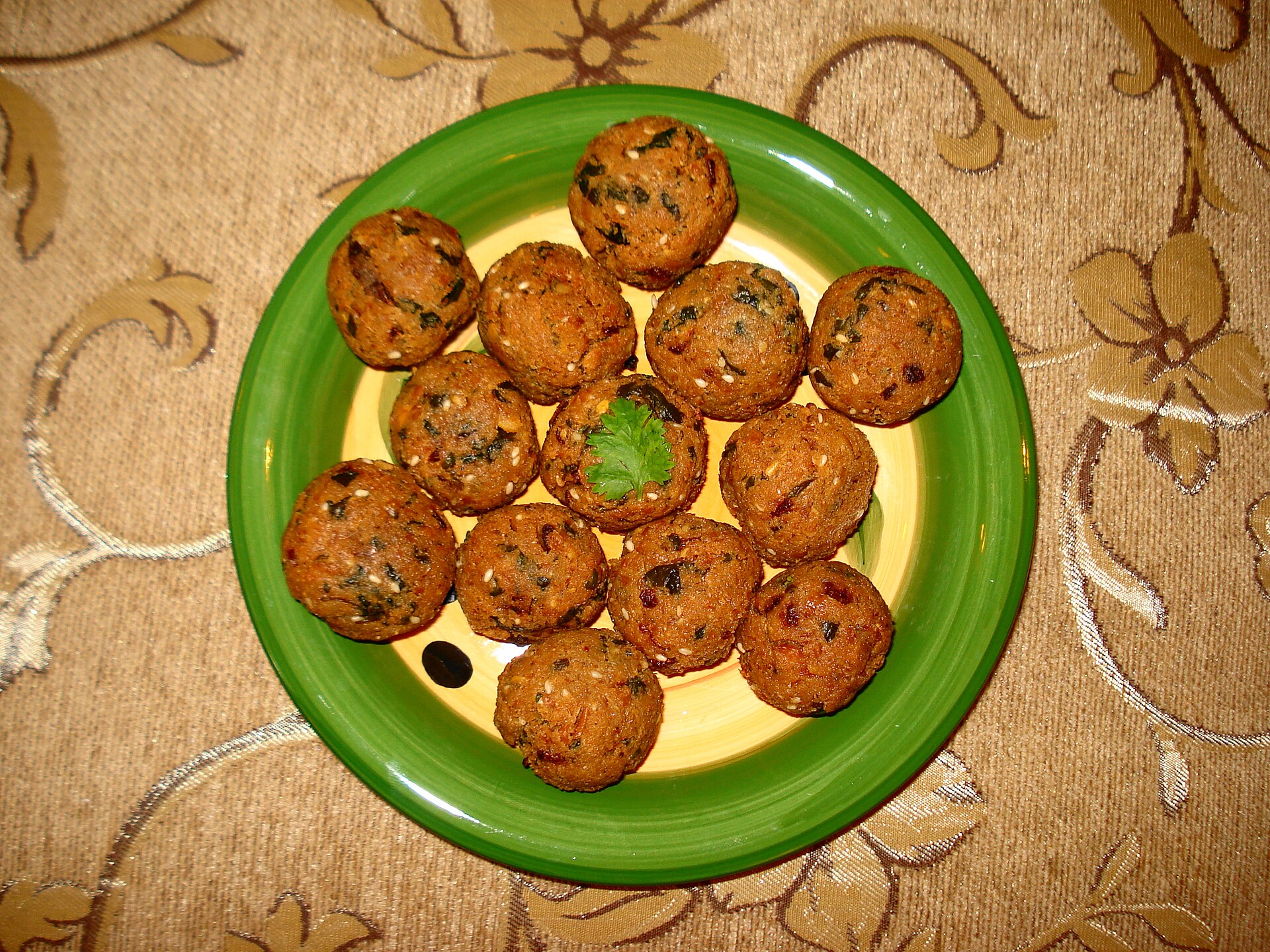
This homemade falafel recipe will become a favorite. Falafel is one of the world’s most beloved street foods, with origins that stretch back thousands of years to the Middle East and North Africa. These crispy, golden-brown fritters made from ground chickpeas or fava beans have traveled from ancient Egypt across the Mediterranean and eventually around the globe. Today, falafel has become a staple of vegetarian cuisine worldwide, prized for its satisfying texture, rich flavor, and impressive nutritional profile.
The exact origins of falafel remain debated among food historians. Some trace it to Egypt, where Coptic Christians may have created it as a protein substitute during Lent. Others point to the Levant, where it has been a dietary staple for centuries. Regardless of its precise birthplace, falafel has become an iconic dish throughout the Middle East and a symbol of the region’s rich culinary heritage.
Essential Ingredients for Authentic Falafel
The key to authentic falafel lies in using dried chickpeas that have been soaked, never canned. Canned chickpeas are already cooked and contain too much moisture, resulting in falafel that falls apart during frying. The dried chickpeas, after soaking, retain their raw starch, which helps bind the mixture and creates that signature crispy exterior.
Main Ingredients (makes about 24 falafel)
- 1 pound dried chickpeas (do not substitute canned)
- 1 medium onion, roughly chopped
- 4 cloves garlic
- 1 cup fresh parsley leaves, packed
- 1/2 cup fresh cilantro leaves
- 1 teaspoon ground cumin
- 1 teaspoon ground coriander
- 1/4 teaspoon cayenne pepper
- 1 teaspoon salt
- 1/2 teaspoon black pepper
- 1/2 teaspoon baking powder
- 2 tablespoons all-purpose flour (if needed)
- Vegetable oil for frying
The Soaking Process: Foundation of Great Falafel
Proper soaking is crucial and cannot be rushed. Place the dried chickpeas in a large bowl and cover with several inches of cold water. They will approximately double in size, so use plenty of water. Soak for at least 12 hours, and up to 24 hours for the best results. The chickpeas should be fully hydrated but still have a slight bite when you taste one.
After soaking, drain the chickpeas thoroughly. Excess water is the enemy of crispy falafel. Spread them on a clean kitchen towel and pat dry before processing. Some traditional recipes call for adding a small amount of dried fava beans along with the chickpeas, which creates a slightly different texture and flavor profile common in Egyptian-style falafel.
Processing the Mixture
The texture of your falafel mixture is critical. It should be finely ground but not pureed into a paste. A food processor works best for this task. Working in batches if necessary, process the drained chickpeas with the onion and garlic until the mixture resembles coarse sand. Some small chickpea pieces are fine and add texture.
Add the fresh herbs, spices, salt, and pepper to the food processor. Pulse until the herbs are finely chopped and evenly distributed throughout the mixture. The color should be a vibrant green flecked throughout. Transfer to a bowl, cover, and refrigerate for at least 1 hour, or up to overnight. This rest allows the flavors to meld and makes the mixture easier to shape.
Just before frying, stir in the baking powder. This addition creates tiny air bubbles that make the falafel lighter and crispier. If the mixture seems too wet to hold together, add flour one tablespoon at a time.
Shaping Perfect Falafel
Traditional falafel are shaped using a special tool called a falafel mold or “aleb falafel,” which creates perfectly uniform discs. However, you can achieve excellent results by hand. Scoop about 2 tablespoons of mixture and form it into a patty about 1.5 inches in diameter and 3/4 inch thick. The flat disc shape cooks more evenly than a ball.
For restaurant-style presentation, use a small ice cream scoop to portion the mixture, then flatten slightly. Some cooks prefer to press a few sesame seeds into the top of each falafel before frying, adding both visual appeal and a subtle nutty flavor. Place shaped falafel on a parchment-lined baking sheet. They can be refrigerated for up to 2 hours before frying.
Frying Techniques for Crispy Results
Deep frying produces the crispiest, most authentic falafel. Heat at least 2 inches of vegetable oil in a deep pot or Dutch oven to 350F (175C). Use a thermometer for accuracy; oil that’s too cool produces greasy falafel, while oil that’s too hot burns the exterior before the interior cooks.
Carefully lower falafel into the hot oil, working in batches of 4-6 to avoid overcrowding and dropping the oil temperature. Fry for 3-4 minutes, turning once, until deeply golden brown on all sides. The color should be rich and mahogany, not pale gold. Remove with a slotted spoon and drain on paper towels.
Baking Alternative
For a lighter version, falafel can be baked. Brush or spray shaped falafel generously with olive oil and bake at 400F (200C) for 20-25 minutes, flipping halfway through, until golden and crispy. While not quite as crispy as fried, baked falafel are still delicious and significantly lower in fat.
Classic Tahini Sauce
No falafel is complete without creamy tahini sauce. This simple condiment provides the perfect cool, tangy counterpoint to the warm, crispy falafel:
- 1/2 cup tahini (sesame paste)
- 1/4 cup fresh lemon juice
- 2 cloves garlic, minced
- 1/4 teaspoon salt
- 1/4 to 1/2 cup cold water
- Fresh parsley, chopped (for garnish)
Whisk the tahini with lemon juice, garlic, and salt. The mixture will initially seize and become thick. Gradually add cold water, whisking constantly, until you achieve a smooth, pourable consistency. The sauce should be thick enough to coat but flow easily. Adjust seasoning to taste and add more lemon juice for brightness.
Building the Perfect Falafel Sandwich
The classic way to enjoy falafel is tucked into warm pita bread with an array of fresh accompaniments. Here’s how to build the ultimate falafel sandwich:
- Warm pita bread, pocket opened or wrapped around
- 4-5 hot falafel
- Shredded lettuce or cabbage
- Diced tomatoes
- Sliced cucumbers
- Pickled turnips (traditional pink pickles)
- Pickled peppers
- Fresh mint leaves
- Generous drizzle of tahini sauce
- Optional: hummus, hot sauce, sumac
Layer the ingredients thoughtfully, placing tahini sauce both at the bottom and drizzled on top. The combination of crispy falafel, cool vegetables, and creamy sauce creates a harmony of textures and flavors that explains why this sandwich has conquered taste buds worldwide.
Serving Suggestions Beyond the Sandwich
While the pita sandwich is classic, falafel is incredibly versatile:
- Mezze Platter: Serve falafel alongside hummus, baba ganoush, tabbouleh, and warm pita triangles
- Falafel Bowl: Over rice or greens with roasted vegetables, pickles, and tahini dressing
- Appetizer: Serve mini falafel on skewers with tahini dipping sauce
- Salad Topping: Crumble over fattoush or mixed greens
- Breakfast: Traditional in some regions, served with ful medames (stewed fava beans)
Storage and Make-Ahead Tips
The falafel mixture keeps well in the refrigerator for up to 3 days, making it perfect for meal prep. Shape and refrigerate, then fry fresh when ready to eat. Cooked falafel can be refrigerated for 3-4 days. Reheat in a 350F oven for 10 minutes to restore crispiness.
For freezing, shape uncooked falafel and freeze on a baking sheet until solid, then transfer to freezer bags. Fry directly from frozen, adding 1-2 minutes to the cooking time. Alternatively, freeze cooked falafel and reheat in the oven. While reheated falafel won’t be quite as crispy as fresh, they’re still delicious.
Troubleshooting Common Problems
- Falafel falling apart in oil: Mixture was too wet, or canned chickpeas were used. Add more flour and refrigerate longer
- Pale exterior: Oil temperature too low. Use a thermometer and wait for oil to return to 350F between batches
- Raw in center: Falafel too thick or oil too hot. Make thinner patties and fry at correct temperature
- Greasy texture: Oil not hot enough, or falafel not drained properly on paper towels
- Bland flavor: Not enough salt or spices. Season generously and taste the mixture before frying
Master this recipe, and you’ll have a deeply satisfying, protein-rich dish that pleases everyone at the table, whether they’re vegetarian or not. The combination of crispy exterior, fluffy interior, and aromatic spices makes homemade falafel infinitely superior to any store-bought version.
Pro Tips for Better Results
Preparation is key to success in the kitchen. Read the entire recipe before starting and gather all ingredients. This mise en place approach prevents surprises mid-cooking.
Taste as you cook and adjust seasonings throughout the process. Your palate is the best guide to creating delicious food.
Do not be afraid to make mistakes. Every failed dish teaches something valuable about technique and flavor.
Quality ingredients make a noticeable difference. When possible, choose fresh, seasonal produce and high-quality proteins for the best results.
Storage and Serving Suggestions
Proper storage ensures your dish stays fresh and delicious. Most prepared dishes can be refrigerated in an airtight container for 3-4 days. For longer storage, many recipes freeze well for up to 3 months.
When reheating, add a splash of liquid to prevent drying out. Reheat gently over medium heat or in the microwave with a damp paper towel cover.
For best results, bring refrigerated dishes to room temperature before reheating. This ensures even warming throughout.
Variations to Try
Once you master the basic recipe, experiment with variations. Swap proteins, adjust seasonings, or add different vegetables to create new flavor combinations.
Consider dietary modifications for guests with restrictions. Many recipes adapt well to vegetarian, gluten-free, or dairy-free versions with simple substitutions.
Seasonal ingredients can transform a familiar recipe. Use what is fresh and available for the best flavor and value.