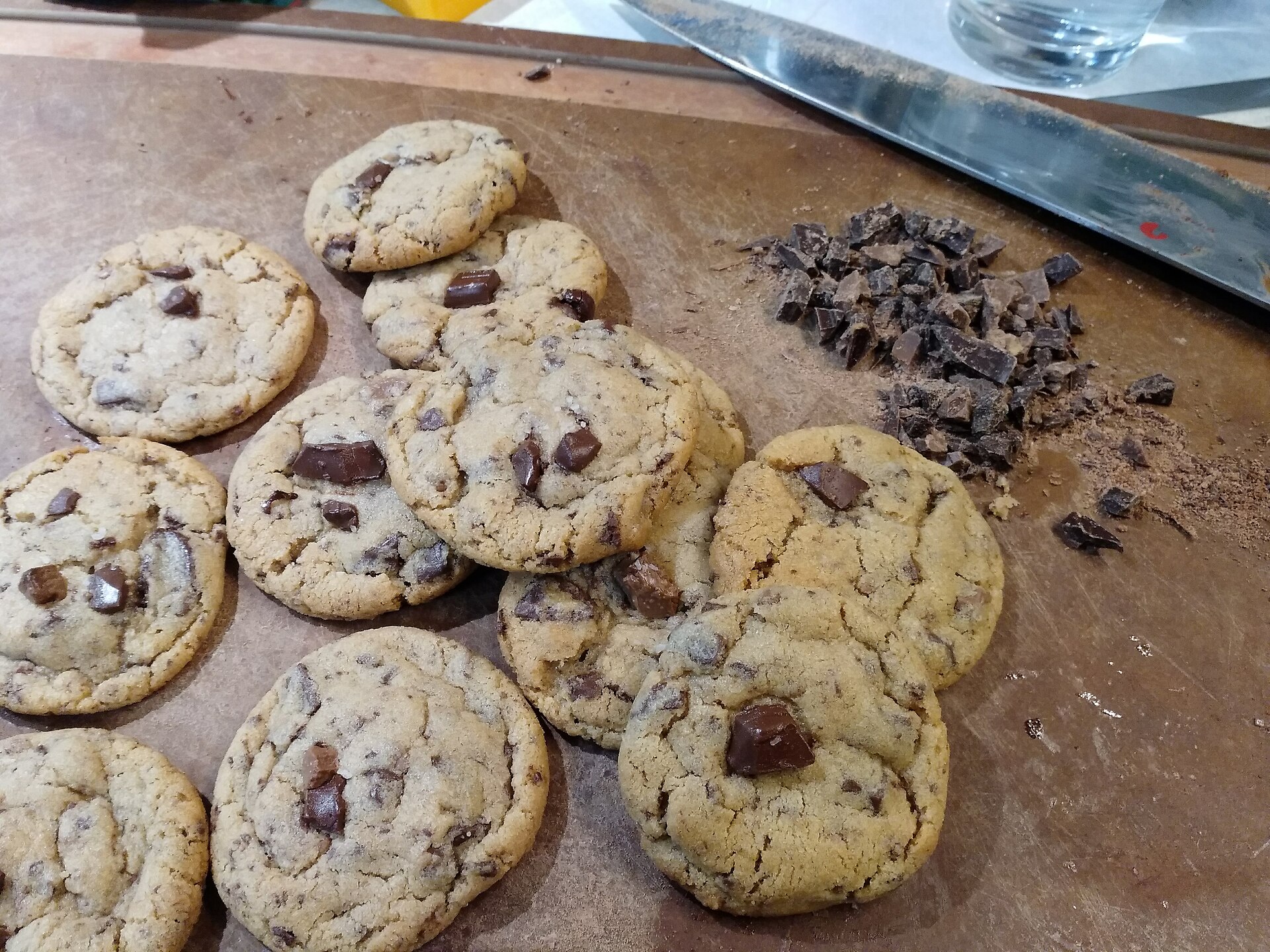
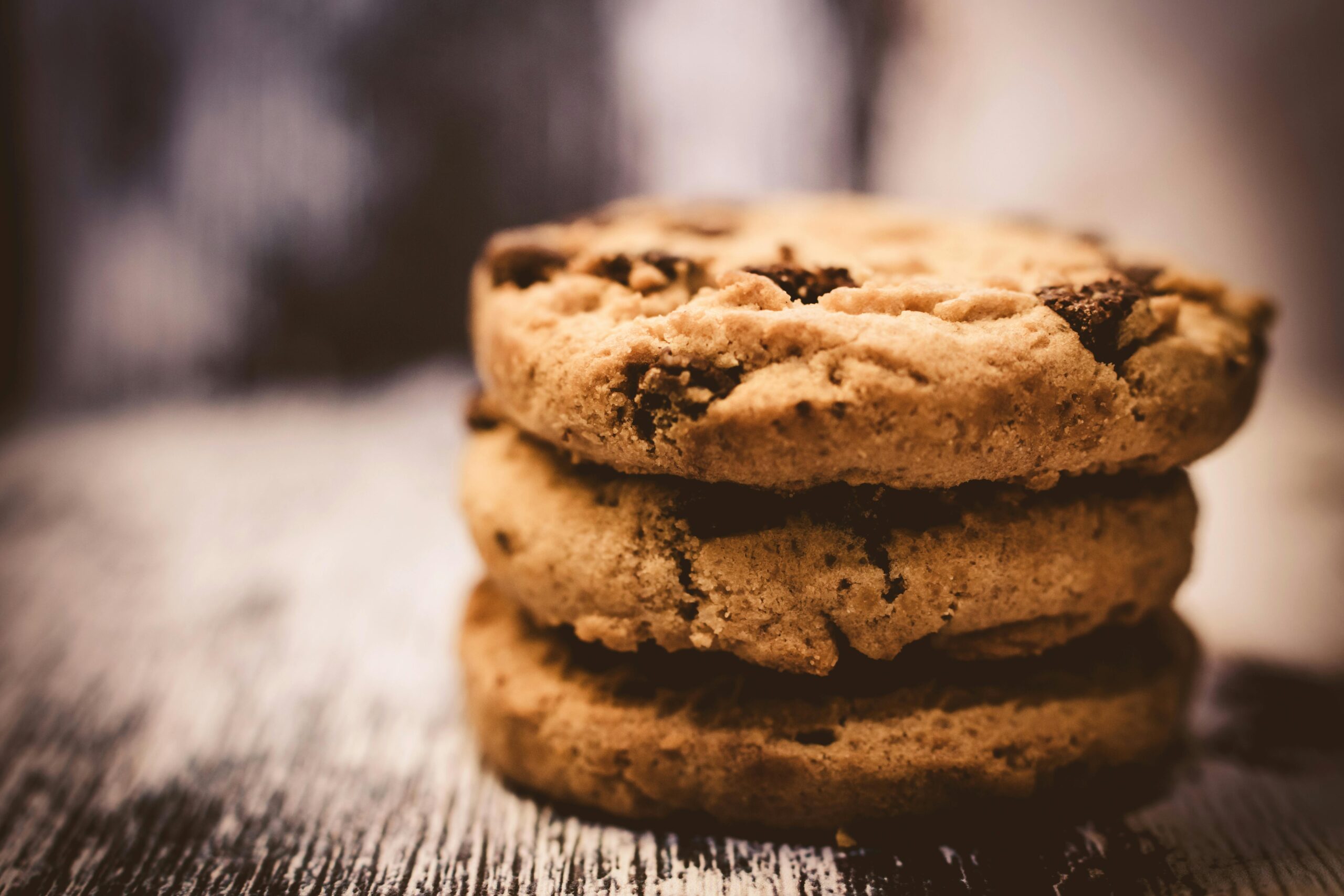
I have spent years testing chocolate chip cookie recipes, adjusting ratios, changing techniques, and obsessing over details that most people would consider ridiculous. The result is a recipe that I truly believe produces the best chocolate chip cookies you will ever eat. They are thick, chewy in the center with slightly crispy edges, and loaded with pools of melted chocolate. Every single bite is perfect.
The secret to truly exceptional chocolate chip cookies is not one thing but a combination of small techniques that add up to something extraordinary. Understanding why each step matters will help you nail this recipe and adapt it to your own preferences.
What Makes These Cookies Special
These cookies have several characteristics that set them apart from the average chocolate chip cookie:
- Thick and substantial: No flat, sad cookies here. These are tall and bakery-style.
- Crispy edges, chewy centers: The textural contrast makes each bite interesting.
- Complex flavor: Beyond just sweet, these cookies have depth from browned butter and a touch of espresso.
- Puddles of chocolate: Using a mix of chips and chunks creates more chocolate in every bite.
- Slightly underbaked: They firm up as they cool, so pulling them early keeps them soft inside.
The Science Behind Better Cookies
Before we get to the recipe, let me explain the science behind each technique. Understanding why these steps matter will make you a better baker.
Brown Butter
When you cook butter until the milk solids turn golden brown, you create hundreds of new flavor compounds through the Maillard reaction. This is the same process that browns meat and bread crusts. The result is a nutty, caramelized, toffee-like flavor that regular melted butter cannot match. It adds depth and complexity that makes people ask what your secret ingredient is.
Mix of Sugars
This recipe uses more brown sugar than white sugar. Brown sugar contains molasses, which adds moisture and chewiness. White sugar promotes spreading and crispiness. The ratio determines your cookie texture. More brown sugar equals chewier cookies. More white sugar equals crispier cookies.
Resting the Dough
Resting the dough in the refrigerator for at least 24 hours (and up to 72) makes a dramatic difference. During this time, the flour fully hydrates, the flavors meld together, and the sugars become more concentrated. Rested dough produces cookies with better texture, deeper flavor, and more attractive crackly tops. This is the hardest step because it requires patience, but I promise it is worth it.
Extra Egg Yolk
Using one whole egg plus an extra yolk adds richness and tenderness without the extra moisture and structure from an additional white. The yolk is where all the fat and emulsifiers are, which create a fudgier, more tender cookie.
A Touch of Espresso
You will not taste coffee in these cookies, but the espresso powder intensifies the chocolate flavor dramatically. It is the same reason high-end chocolate contains a bit of coffee. You can omit it if you do not have it, but once you try it, you will always add it.
Essential Chip Cookies Ingredients
Butter
Use unsalted butter so you can control the salt level. European-style butter with higher fat content makes an even richer cookie.
Flour
All-purpose flour is perfect. Do not use bread flour because the extra protein makes tough cookies. Do not use cake flour because they will be too tender and spread too much.
Sugars
Dark brown sugar has more molasses than light brown and creates a chewier cookie with more caramel flavor. Use dark brown if you can find it.
Eggs
Use large eggs at room temperature. Cold eggs can cause the brown butter to seize up.
Chocolate
Use a combination of chocolate chips and roughly chopped chocolate. Chips hold their shape while chopped chocolate creates those beautiful melty puddles and shards. Use the best chocolate you can afford because you will taste the difference.
Leavening
Baking soda reacts with the acid in the brown sugar to create lift and spread. It also promotes browning. Do not substitute baking powder.
Salt
Salt enhances all the other flavors. A sprinkle of flaky sea salt on top before baking adds pops of salinity that contrast beautifully with the sweet chocolate.
The Complete Recipe
Ingredients
- 2 cups plus 2 tablespoons (280g) all-purpose flour
- 1 teaspoon baking soda
- 1 teaspoon fine sea salt
- 1 teaspoon instant espresso powder (optional but recommended)
- 1 cup (2 sticks / 225g) unsalted butter
- 1 cup (200g) dark brown sugar, packed
- 1/2 cup (100g) granulated sugar
- 1 large egg plus 1 egg yolk, at room temperature
- 2 teaspoons vanilla extract
- 6 ounces semi-sweet chocolate chips
- 6 ounces dark chocolate, roughly chopped
- Flaky sea salt for sprinkling
Instructions
Step 1: Brown the butter. Cut the butter into pieces and place in a light-colored saucepan so you can see the color change. Melt over medium heat, stirring occasionally. Once melted, the butter will foam. Keep cooking, stirring frequently, until the foam subsides and the milk solids on the bottom turn golden brown and smell nutty, about 3 to 5 minutes. Immediately pour into a heatproof bowl, scraping all those browned bits into the bowl. Let cool for 15 minutes.
Step 2: Mix the dry ingredients. In a medium bowl, whisk together the flour, baking soda, salt, and espresso powder if using. Set aside.
Step 3: Mix the wet ingredients. Add both sugars to the brown butter and whisk until smooth and no lumps remain. Add the egg, yolk, and vanilla. Whisk vigorously for 1 minute until the mixture is smooth, thick, and lighter in color. This incorporates air and dissolves some of the sugar, creating a shinier cookie.
Step 4: Combine. Add the flour mixture to the wet ingredients. Fold with a spatula until just combined and no dry streaks remain. Do not overmix or the cookies will be tough. Fold in the chocolate chips and chopped chocolate.
Step 5: Rest the dough. Cover the bowl tightly with plastic wrap and refrigerate for at least 24 hours and up to 72 hours. The longer it rests, the better the flavor.
Step 6: Portion and bake. When ready to bake, preheat oven to 350F. Line baking sheets with parchment paper. Scoop the dough into 3-tablespoon balls and place at least 3 inches apart because they will spread. Sprinkle each cookie with a few flakes of sea salt.
Step 7: Bake. Bake for 10 to 12 minutes, rotating the pan halfway through. The cookies are done when the edges are set and golden but the centers still look slightly underdone. They will firm up as they cool.
Step 8: Cool. Let the cookies cool on the baking sheet for 5 minutes before transferring to a wire rack. This allows them to finish cooking from residual heat without overbaking in the oven.
Tips for Perfect Cookies
Use a Scale
Baking is chemistry and precision matters. A kitchen scale ensures you use the exact right amount of flour every time. Too much flour is the most common reason for dry, dense cookies.
Do Not Skimp on the Rest
I know it is hard to wait, but the rest really does make a difference. The dough will also be easier to scoop when cold.
Pull Them Early
Cookies continue cooking on the hot baking sheet after they come out of the oven. If they look done in the oven, they will be overdone by the time they cool. Pull them when the edges are set but the centers still look slightly wet.
Bake from Cold
Cold dough spreads more slowly, giving the outside time to set before the middle spreads too much. This creates thick, bakery-style cookies.
Storage
Store cookies in an airtight container at room temperature for up to 5 days. They actually taste best on day 2 when the flavors have melded.
You can freeze the portioned dough balls for up to 3 months. Bake directly from frozen, adding 1 to 2 minutes to the baking time. Fresh-baked cookies whenever you want them.
Frequently Asked Questions
Why are my cookies flat?
Usually the butter was too warm when mixed with the sugars, or the dough was not chilled. Brown butter needs to cool to room temperature before mixing. Also make sure your baking soda is fresh.
Why are my cookies cakey?
You may have used too much flour. Always spoon flour into the measuring cup rather than scooping, or better yet, use a scale. Overmixing can also create a cakey texture.
Can I skip the espresso?
Yes, the cookies will still be delicious. The espresso enhances the chocolate but is not essential.
Can I use all chocolate chips?
You can, but you will miss the chocolate puddles and variety that chopped chocolate provides.
Do I really need to rest the dough?
For the best results, yes. But if you cannot wait, at least chill the dough for 1 hour so it is firm enough to scoop.
Final Thoughts
These chocolate chip cookies are the result of obsessive testing and tweaking over many years. Every technique has a purpose, and together they create a cookie that is genuinely exceptional. The brown butter adds depth, the rest develops flavor, the extra yolk adds richness, and the mix of chocolate creates variety in every bite.
Once you make these, your standard for chocolate chip cookies will forever change. You will not be able to go back to the basic recipe. Welcome to the world of truly great cookies.
Explore more dessert recipes to continue your baking journey.