There is a particular sight that defines summer in Mexican neighborhoods of Los Angeles, Houston, and Chicago. The elotero pushes his cart down the sidewalk, ringing the bell, with stacks of grilled corn cobs in his glass case, the chile-and-lime smell drifting on the breeze. A customer hands him three dollars and gets back an ear of charred corn, slathered in mayo and crema, rolled in cotija cheese, dusted with chile, and squeezed with lime. The first bite is the entire summer.
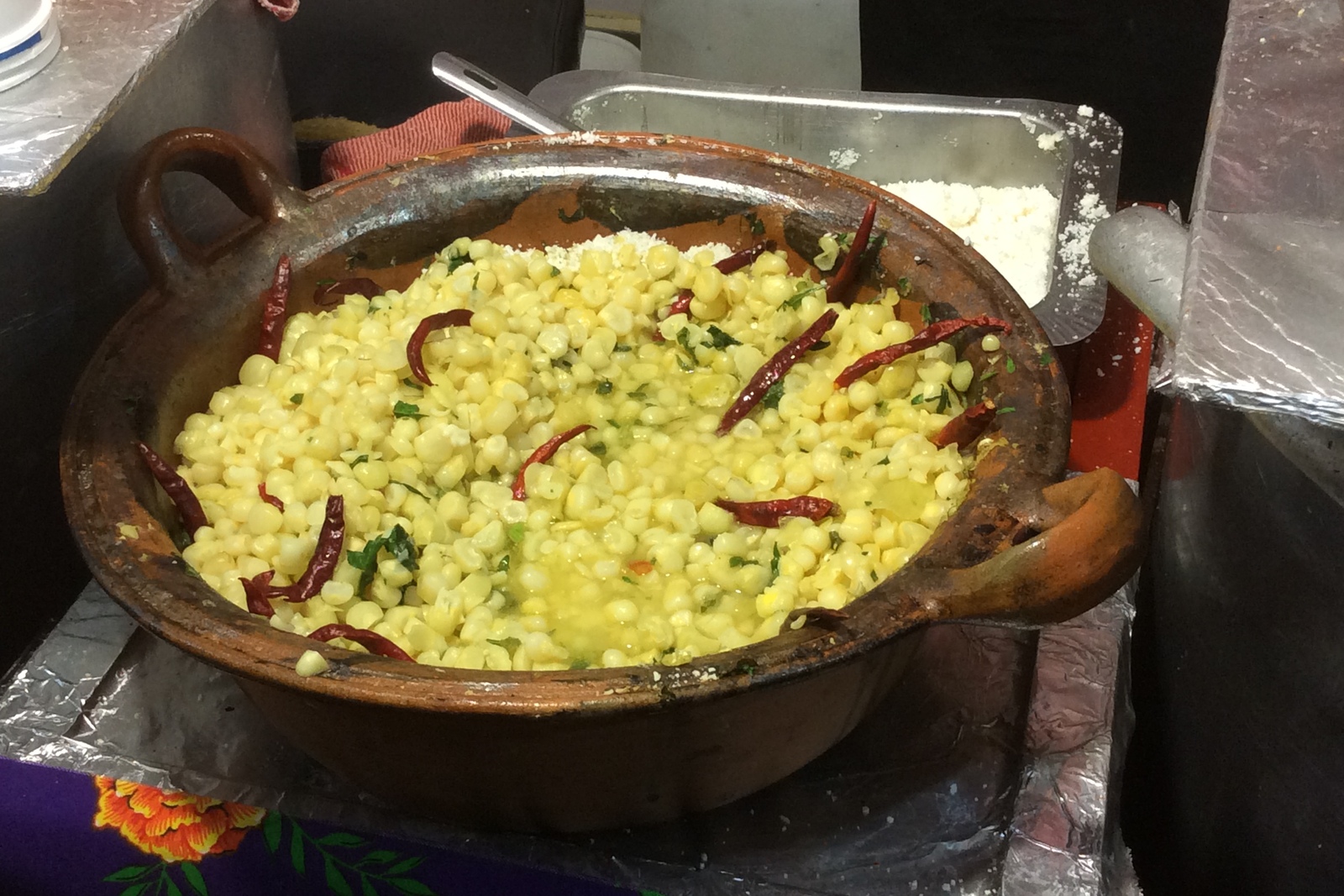
Elote (the on-the-cob version) and esquites (the off-the-cob cup version) come from the same preparation – charred grilled corn dressed with Mexican mayo, crema, cotija cheese, chile powder, and lime. The dish goes back to pre-Columbian Mexico, where corn was sacred. The modern street-food version standardized in 19th-century Mexican cities and spread north with Mexican immigration. By the 2010s, elote had become an American food-truck staple, served at upscale Mexican restaurants from Brooklyn to Portland.
This article is the canonical Mexican street-corn preparation, both versions, with the right cheese, chile, and crema. The whole thing comes together in 25 minutes and tastes like an instant summer party. The rest covers exactly what makes each component matter and how to source the authentic ingredients.
The Char is Essential
The flavor base of elote is the char from grilling. The Maillard reaction on the corn kernels produces deep nutty caramelized flavors that you cannot get from boiled or steamed corn. The char must be visible – look for kernels with brown or black spots throughout. Even kernels that are slightly burnt contribute to the flavor.
Direct flame is the right approach. Outdoor grill, gas range (rotating cobs directly over flame with tongs), or hot cast iron skillet all work. Avoid: low-heat oven roasting (no char), boiling (defeats the purpose), microwaving (texture is wrong).
Mexican Crema and Mayonnaise
Mexican crema is a soured cream similar to creme fraiche but with slightly more sourness and looser texture. Sour cream is an acceptable substitute. Hispanic-section brands: Cacique, V&V Supremo, La Vaquita. American sour cream works fine for home cooks – the flavor is 90% identical.
Mexican mayonnaise (Mayonesa McCormick) has a slightly different flavor profile than Hellmann’s – a touch sweeter, slightly thinner. Both work. The combination of mayo + crema produces the creamy lacquer that holds all the toppings to the corn. Some traditional Mexican cooks use only crema and add a squeeze of lime juice; this produces a slightly lighter version.
Cotija and the Toppings
Cotija is the cheese – hard, crumbly, salty, similar to Parmesan in role but with a different flavor profile. Found in the Hispanic cheese section of most American supermarkets. The cheese should crumble easily with your fingers – if it’s soft, it’s queso fresco (still good but milder). Sprinkle generously.
Chile powder provides heat, color, and a smoky note. Tajin is the easy mainstream choice. Lime juice cuts through the richness. Fresh chopped cilantro adds the herbal note. Together these produce the layered flavor profile that defines elote.
Ingredients
- 6 ears fresh corn, husks removed
- 60 ml (1/4 cup) Mexican crema (or sour cream)
- 60 ml (1/4 cup) Mexican mayonnaise (or Hellmann’s)
- 115 g (4 oz) cotija cheese, crumbled
- 1 tsp Tajin or chile piquin powder
- Fresh lime wedges
- Fresh cilantro, chopped
- Salt to taste
Making It
- Heat grill or cast iron. Medium-high heat.
- Grill corn. 10-12 min turning frequently. Kernels charred in spots and tender.
- For elote (on cob): Spread mayo and crema generously. Roll in cotija. Sprinkle chile. Lime squeeze. Cilantro.
- For esquites (off cob): Cut kernels off cobs. Toss with mayo, crema, cotija, chile, lime juice. Serve in cups.
- Serve immediately. Best while corn is still warm.
Frequently Asked Questions
Elote vs esquites?
Elote is on-the-cob (eaten by hand). Esquites is off-the-cob in a cup (with spoon). Same flavors, different format. Esquites is easier to eat; elote is more authentic street food.
What is cotija cheese?
Hard, crumbly, salty Mexican cheese – similar to Parmesan in role. Does not melt, it crumbles. Available in Hispanic section. Substitute: feta (similar), Parmesan (milder).
What chile?
Tajin is mainstream easy choice (orange shaker). Pure chile piquin is traditional. About 1 tsp per ear, adjust to taste.
Without grill?
Yes – cut kernels off raw corn, sear in hot cast iron with 1 tbsp oil 5-7 min. The skillet method actually chars kernels more evenly than grill.
Sources
- Serious Eats — Elote — Mexican street corn canonical version.
- NYT Cooking — Esquites — Mexican street corn cup variation.
- USDA FoodData Central — Nutritional data.
Each serving (1.5 ears) contains roughly 285 calories, 7 g protein, 19 g fat, 25 g carbs.
Please note: Contains dairy, eggs (in mayo). Not suitable for these allergies. Consult a dietitian for specific dietary needs.

Tom Nakamura
Tom learned to cook from his obaachan during summers in Japan - pickling daikon at the kitchen table, watching her stir miso into broth without ever measuring. Later, family trips with cousins took him through markets in Bangkok, Shanghai, and Hanoi, and the food stuck with him. His writing focuses on making authentic Asian techniques accessible to home cooks without diluting the technique or the culture that defines them. He handles Chinese, Japanese, Korean, Thai, Vietnamese, Indian, and Middle Eastern recipes at the publication.