Introduction: The Joy and Frustration of Homemade Pizza Dough
Ah, pizza dough! The foundation of a stellar pizza and the bane of many a home cook’s existence. I remember my first attempt at making pizza dough from scratch. I was so excited to impress my friends with a homemade pie, but what came out of the oven was more akin to a flatbread than the crispy, airy crust I had envisioned. But don’t panic, we can fix this! Every mistake is a lesson, and over the years, I’ve learned how to troubleshoot the common pitfalls of homemade pizza dough. Let’s dive into the doughy details.
Understanding the Basics: Ingredients and Process
Before we jump into problem-solving, let’s revisit the basics. Pizza dough typically consists of flour, water, yeast, and salt. Each ingredient plays a crucial role in the final product. Flour provides the structure, water hydrates the flour and activates the yeast, yeast ferments the dough, and salt enhances flavor. It’s all about balance and understanding how these elements interact. Here’s the secret: using the right type of flour, like ’00’ flour, can make a world of difference in achieving that perfect chewy yet crispy texture.
Flour Types and Their Importance
Not all flours are created equal. High-protein flours, like bread flour or ’00’ flour, are ideal for pizza dough. They create a strong gluten network that traps gas bubbles, giving your dough a good rise and a chewy texture. I once experimented with all-purpose flour, and while it worked, the results were noticeably less elastic and chewy than when I used bread flour.
The Role of Yeast and Fermentation
Yeast is like your dough’s little engine. It ferments the sugars in the flour, producing carbon dioxide and alcohol, which causes the dough to rise and develop flavor. Temperature control is crucial here. Yeast thrives between 20-40°C (68-104°F), with peak activity around 36°C (97°F). Too hot, and you’ll kill the yeast; too cold, and it won’t be active enough. A warm spot in your kitchen is your dough’s best friend.
Recommended Sources
- Pizza Today (2024-08-06)
- The Pizza Heaven (2024-06-08)
- Reddit (r/Breadit) (2024-08-03)
- Reddit (r/Pizza) (2024-04-24)
Problem 1: Dough That Won’t Rise (or Rises Too Slowly)
There’s nothing more disheartening than peeking at your dough an hour later only to find it hasn’t budged. This often happens due to inactive or old yeast, incorrect water temperature, or too much salt. In my experience, proofing your yeast before adding it to the flour is a surefire way to know it’s alive and kicking. Mix it with a little warm water (around 100°F) and a pinch of sugar. If it bubbles up in 5-10 minutes, you’re good to go!
Creating the Perfect Rising Environment
Your dough needs a cozy spot to rise. If your kitchen is too cool, find a warmer location like the top of your fridge or inside an oven with just the light on. Once, during a winter pizza night, I discovered my dough preferred the bathroom! The warmth from the nearby heater did wonders.
Adjusting Your Recipe for Better Results
If your dough still struggles, consider adjusting your recipe. Less salt, a tad more yeast, or warmer water can do the trick. Remember, dough is sensitive to its environment. A little tweak goes a long way.
Problem 2: Dough That’s Too Sticky or Too Stiff
Sticky dough can feel like you’re wrestling with a blob, while stiff dough resembles a brick. If your dough is too sticky, it might be due to high hydration or insufficient kneading. I wrote about this before in my guide to sourdough discard recipes where similar principles apply.
Fixing Sticky Dough
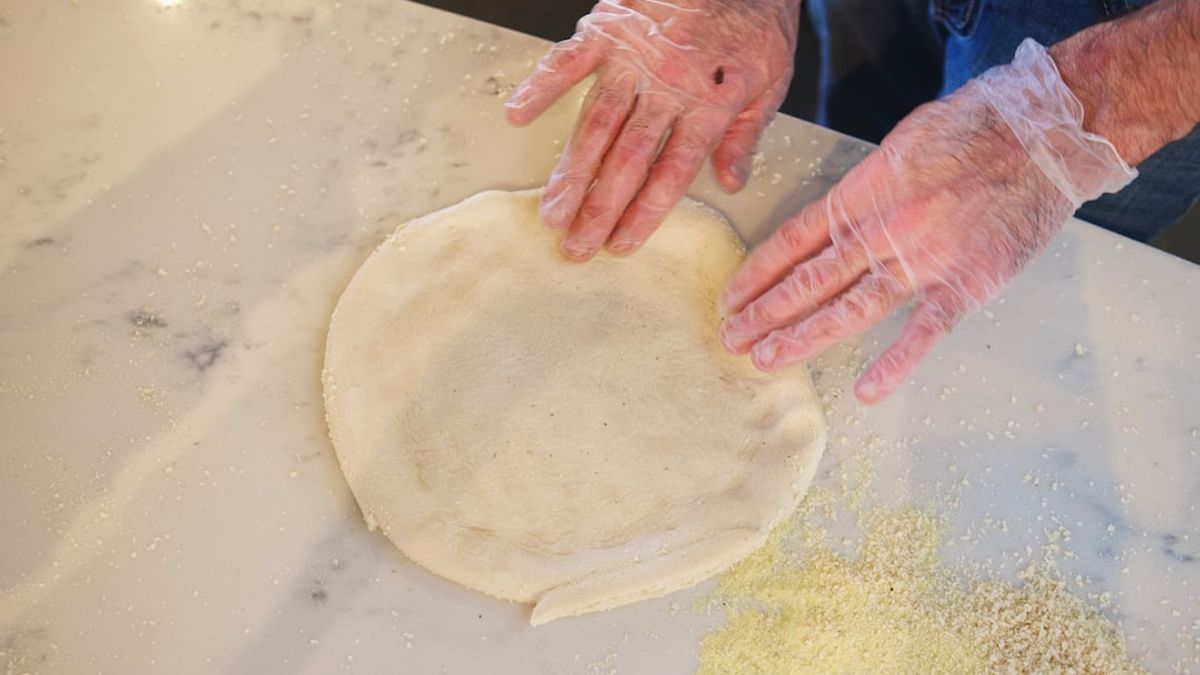
To manage a sticky situation, sprinkle small amounts of flour onto your dough until it’s more workable. Alternatively, keep a bowl of water or a bit of olive oil on hand to moisten your hands. It helps control sticking without compromising dough hydration.
Managing Stiff Dough
For dough that’s too stiff, it might need a bit more water. But don’t just dump it in—gently knead in small amounts until the dough feels pliable. Once, I saved a stubborn dough by simply letting it rest longer, allowing the gluten to relax.
Problem 3: Dough That Shrinks Back (Too Elastic)
If your dough snaps back like a rubber band, it’s often due to under-proofing or overly cold dough. Here’s the secret: let it rest. A 30-45 minute rest at room temperature gives the gluten a chance to relax.
Using the Right Flour
Choosing the right flour can also help. ’00’ flour has excellent extensibility, meaning it stretches well. I once switched to ’00’ flour after a particularly frustrating pizza night and never looked back.
Employing Techniques Like Autolyse
An autolyse, which involves mixing the flour and water and letting it sit before adding yeast and salt, can work wonders in making dough easier to stretch. It’s a small step with a big payoff.
Problem 4: Dough That Tears When Stretching
Tearing can be frustrating, often the result of weak gluten development or low-protein flour. If the dough rips easily, consider using flour with a higher protein content or spending a bit more time kneading.
Strengthening Your Dough
To build a stronger dough, ensure you knead properly. Aim for 10-12 minutes by hand or about 8 minutes in a mixer. The dough should be smooth and elastic. If it’s still tearing, let it rest longer before stretching again.
Adjusting Hydration Levels
Proper hydration is key. Aiming for 60-70% hydration typically yields a good texture. I learned this the hard way when I first tried to make my dough wetter for a ciabatta-like texture, only to find it was too weak to handle stretching.
Problem 5: Crust Not Browning or Too Pale
If your crust is looking sad and pale, the oven temperature might be too low, or there might be insufficient sugar in the dough. Preheat your oven to at least 450-500°F for optimum browning. I always use a pizza stone or steel to ensure even heat distribution.
Enhancing Browning with Sugar
A touch of sugar in the dough can help with browning, but don’t overdo it. A teaspoon or so per batch is usually enough. I’ve found it also enhances flavor without making the crust sweet.
Dealing with Excess Flour
Too much flour on the surface can block direct heat contact, preventing browning. Brush off excess flour before placing your dough in the oven. A colleague once pointed this out during a pizza-off, and it made a surprising difference!
Problem 6: Soggy or Doughy Pizza Crust
Nobody enjoys a soggy crust. This can happen from too much sauce, wet toppings, or baking at too low a temperature. One trick I use is pre-baking my crust for a few minutes before adding toppings. It sets the base, preventing sogginess.
Managing Toppings and Sauce
Drain any excess liquid from toppings, and use a thicker sauce. Less is more when it comes to the sauce. A thin layer helps prevent the dough from becoming waterlogged.
The Importance of High Heat
A hot oven is crucial. I preheat my oven with a pizza stone for at least 30 minutes. This mimics the high-heat environment of a professional pizza oven and helps achieve a crispy crust. You can also read more about high-temperature cooking in my sheet pan cooking guide.
Problem 7: Excessive Bubbles in the Crust
Bubbles can be a surprise, but they often occur if the dough isn’t properly docked or is under-proofed. Docking involves pricking the dough with a fork before baking.
Proper Proofing and Docking
Ensure your dough has enough time to proof. If bubbles are still an issue, gently press them out before baking. I remember being told by an old pizza pro to dock my dough twice for extra security against bubbles.
Adjusting Baking Time and Temperature
Consider a slightly longer bake time at a slightly lower temperature to ensure even cooking and bubble control. This method has helped me achieve a balanced crust without sacrificing texture.
Beyond the Dough: Tips for a Better Homemade Pizza
Perfecting the dough is just one piece of the pizza puzzle. For the best homemade pizza, consider the whole picture: quality ingredients, the right tools, and a bit of patience.
Using a Pizza Stone or Steel
A pizza stone or steel is invaluable for achieving a professional-quality crust. It allows for even heat distribution and results in a crispier base. Trust me, once I switched to a pizza steel, my pizzas transformed dramatically.
Experimenting with Flavors and Techniques
Don’t be afraid to experiment. Cold fermentation, where the dough rests in the fridge for 1-3 days, can enhance flavor complexity. I’ve found this technique makes my dough more flavorful and easier to handle.
Conclusion: Practice Makes Perfect Pizza
Remember, every mistake is a lesson. The journey to perfect pizza dough is paved with trial and error, but every attempt brings you closer to pizza perfection. Keep experimenting, and soon, you’ll be serving up pies that’ll have friends and family singing your praises. And if you ever need to troubleshoot more, you can always refer back to my air fryer troubleshooting guide for more tips on perfecting your home-cooked meals.
{“@context”:”https://schema.org”,”@type”:”Article”,”headline”:”Unlock Perfect Pizza: Troubleshooting Your Homemade Dough”,”description”:”Master homemade pizza dough with this comprehensive troubleshooting guide. Solve common problems like sticky dough, no rise, tearing, and soggy crust for perfect, crispy pizzas every time.”,”author”:{“@type”:”Person”,”name”:”Anya Sharma”},”publisher”:{“@type”:”Organization”,”name”:”Cookingzone”},”image”:[“https://cookingzone.org/wp-content/uploads/2025/09/closeup-of-hands-gently-stretching-homem-1757380225867.jpg”],”inLanguage”:”en”}
Pizza Troubleshooting Quick Guide
- Dough too sticky: Add flour gradually, let rest longer
- Crust not crispy: Higher oven temp, thinner dough, less toppings
- Soggy center: Pre-bake crust, drain wet toppings, use less sauce
- Dough won’t stretch: Let rest at room temp, avoid overworking
- Burnt bottom: Lower rack position, reduce temperature
- Cheese not melting: Ensure oven is fully preheated, check cheese quality
Essential Pizza Equipment
- Pizza stone or steel for crispy crust
- Pizza peel for easy transfer
- Kitchen scale for accurate measurements
- Instant-read thermometer for oven accuracy
- Bench scraper for handling dough