The kitchen smells different when you are toasting Chettinad spices. It is not the warm sweet smell of garam masala from the north — that familiar perfume of cinnamon and cardamom — but something darker, more forest-floor, more alive. There is pepper, yes, and clove, and fennel. But underneath those, deeper, is a smell like wet bark after rain. Like a piece of tree that someone decided to cook with. That smell is kalpasi, the dried lichen the Tamil spice traders call “stone flower,” and it is the secret ingredient that makes Chettinad cooking taste like nothing else in the Indian canon.
Madhur Jaffrey, the grande dame of Indian cookbook writing, has written in her introduction to Madhur Jaffrey’s Indian Cookery that Chettinad cuisine is “perhaps the most complex regional cuisine in India, and certainly the spiciest.” She is right on both counts. Chettinad chicken, the community’s flagship dish, builds a masala of fifteen or more whole spices, each toasted in sequence, ground together with roasted coconut, and bloomed in hot oil with curry leaves and black mustard seeds. The finished curry is layered in a way that tikka masala simply is not. It tastes, in the best version, like someone has drawn the entire map of south India in a single bowl.
Nik Sharma, the Bangalore-born food scientist and author of The Flavor Equation, has observed that Chettinad spice blends are “an exercise in controlled polyphenol chemistry” — the toasted stone flower and marathi moggu contribute compounds that alter how the palate perceives other spices in the mix, producing a total flavor that is more than the sum of its parts. He is describing, in the language of the laboratory, what generations of Chettiar cooks have known in the language of the mortar and the kadai. The masala is a system. You do not taste each spice; you taste the relationship.
The Merchants Who Invented a Cuisine
The Chettiars are a Tamil merchant community whose ancestral home is a cluster of 75 villages in the Chettinad region of Sivaganga and Pudukkottai districts, about 250 miles south of Chennai. From the 18th century through the early 20th, Chettiar merchants established themselves as traders and financiers across Southeast Asia — Burma, Malaya, Singapore, Vietnam, Sri Lanka — before returning home with fortunes that built the enormous mansions that still stand in the region, and with a repertoire of spices that had traveled through their ports. Star anise came through their Chinese connections. Marathi moggu (dried kapok buds) came through their trade with the Coromandel coast. Kalpasi came from the hills just to the west. The cuisine that emerged in Chettinad kitchens is, in a real sense, an archive of a trading empire: a flavor profile built from what merchants brought home.
This commercial backstory matters because it explains why Chettinad spice blends are so different from the rest of south Indian cooking. Other Tamil traditions — the Brahmin cooking of Thanjavur, the coastal kitchens of Madurai — rely on a more limited palette of local spices. Chettinad’s palette is cosmopolitan, almost global in origin, and it is dense. A Chettinad masala is not a seasoning; it is an architecture. The chicken, the tomato, the coconut — they are the structural members. The spice blend is the cement.
The Masala: A Fifteen-Spice Build
Every Chettinad kitchen has its own ratio, but the foundational blend is roughly as follows, for each batch of masala (enough for two curries):
2 tablespoons coriander seeds, 1 tablespoon fennel seeds, 1 tablespoon cumin seeds, 2 teaspoons black peppercorns, 1 teaspoon cloves, 1 star anise pod, 2 green cardamom pods, 1 black cardamom, a 2-inch piece of cinnamon, 1 teaspoon kalpasi (stone flower), 1 teaspoon marathi moggu (dried kapok buds), and 3 dried red chilies (byadgi or kashmiri for color, or spicier varieties to taste).
The toasting order matters. Different spices release their essential oils at different temperatures and different rates. Toasting them all together means some are under-developed while others scorch. The professional technique is to toast in batches of similar-sized spices: the big, slow ones (cinnamon, cardamom, star anise, cloves) first; then the medium ones (coriander, cumin, fennel); then the small and delicate (peppercorns, chilies, kalpasi, marathi moggu) last. Each batch goes into a dry pan over medium heat for 60 to 90 seconds, shaken constantly, until the spice darkens slightly and the kitchen fills with its particular smell. The whole process takes about 8 minutes. When everything has cooled, grind it all together in a spice grinder to a fine, dark powder. What comes out is the thing no store-bought Chettinad masala ever quite matches.
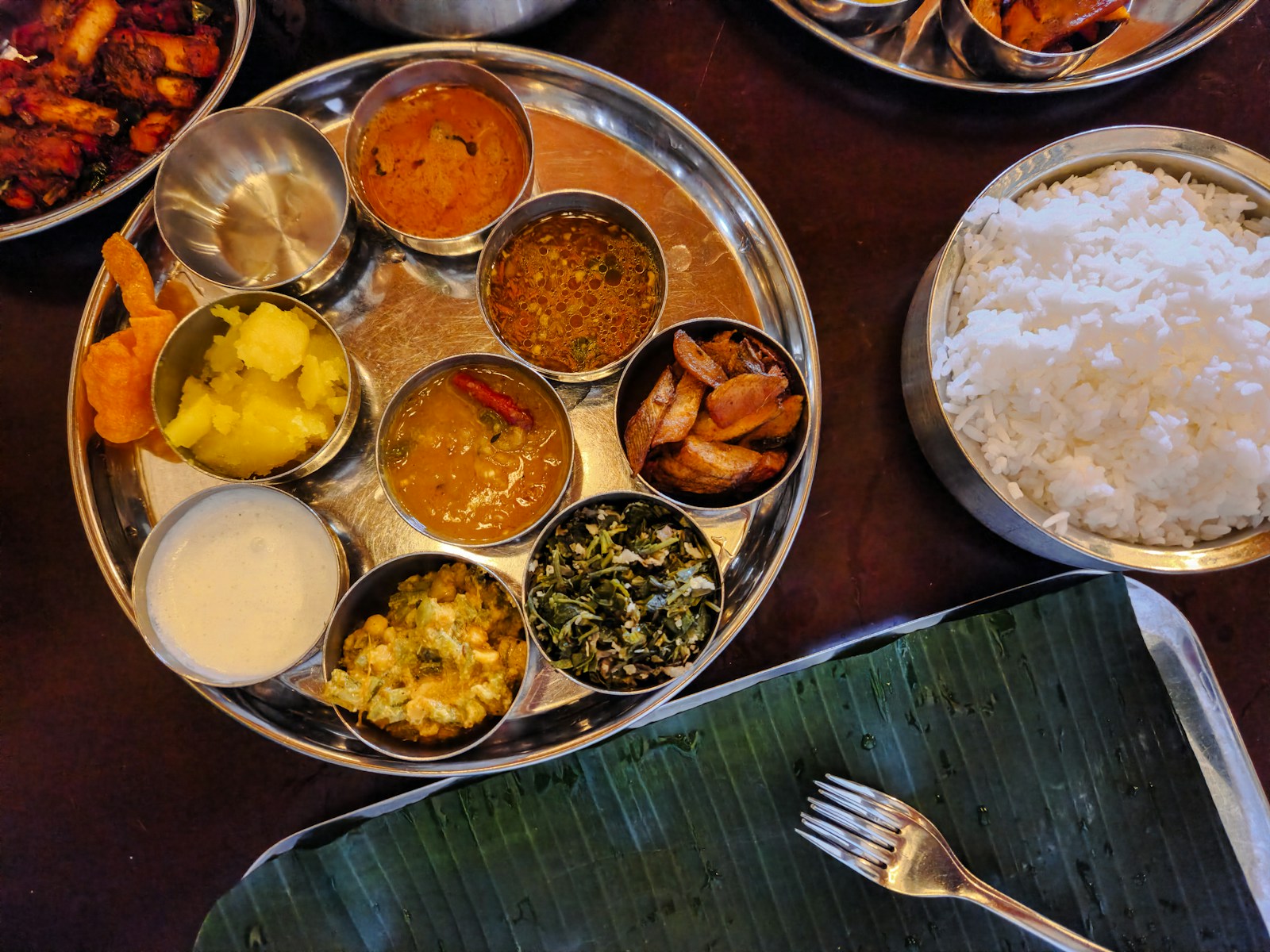
Kalpasi and Marathi Moggu: The Two Irreplaceable Spices
Kalpasi — also called dagad phool in Marathi, black stone flower, or kallu padhi in Tamil — is a dried lichen that grows on tree bark in the Western Ghats. It is not a flower, despite the name, and it has no relation to botanical flowers. The genus is Parmelia, a foliose lichen with a dark greenish-black color and a faintly smoky, almost tobacco-leaf flavor. In Chettinad cooking, kalpasi contributes the brooding, earthy bass note that you cannot otherwise achieve. There is no substitute. Diaspora Co. and Burlap and Barrel both sell kalpasi online in small quantities that keep indefinitely if stored airtight.
Marathi moggu — dried kapok buds — come from the flower buds of the white silk cotton tree (Bombax ceiba), harvested before they open and sun-dried until they shrivel into small dark curls. Their flavor is hard to describe: slightly bitter, slightly citrusy, slightly clove-like, with a faintly vegetal edge. They are a classic Chettinad spice and appear in almost no other Indian regional cooking. Like kalpasi, they are available through specialty Indian grocers and online spice retailers. A small jar will last years.
If one or both of these spices is genuinely unavailable, you can still make Chettinad chicken and it will still be good. It will simply be a more generic south Indian curry — delicious, but missing the specific identity that makes the regional tradition distinctive. Treat them as worth ordering.
Chettinad vs. North Indian Chicken Curries: A Quick Map
To place Chettinad chicken in the broader landscape of Indian chicken dishes, a brief comparison helps:
| Dish | Region | Fat Base | Dominant Flavors |
|---|---|---|---|
| Chettinad Chicken | Tamil Nadu (south) | Coconut oil, ghee | Toasted spice, black pepper, kalpasi, curry leaf, roasted coconut |
| Chicken Tikka Masala | Punjab / UK diaspora | Cream, butter, ghee | Tomato, cream, garam masala, kashmiri chili |
| Butter Chicken | Delhi / Punjab | Butter, cream | Tomato, fenugreek, warm spice, sweet |
| Goan Chicken Xacuti | Goa (west coast) | Coconut oil | Coconut, poppy seed, tamarind, Portuguese spice echo |
| Kerala Chicken Curry | Kerala (south) | Coconut oil | Coconut milk, curry leaf, mustard seed, lighter profile |
Ingredients
For the Chettinad masala (makes enough for 2 curries; use 3 tablespoons):
- 2 tablespoons coriander seeds
- 1 tablespoon fennel seeds
- 1 tablespoon cumin seeds
- 2 teaspoons black peppercorns
- 1 teaspoon whole cloves
- 1 whole star anise pod
- 2 green cardamom pods
- 1 black cardamom pod
- A 2-inch piece of cinnamon (cassia bark)
- 1 teaspoon kalpasi (stone flower)
- 1 teaspoon marathi moggu (dried kapok buds)
- 3 dried red chilies (byadgi or kashmiri for color)
For the curry:
- 2½ lb (1.1 kg) bone-in, skinless chicken thighs and drumsticks, cut into large pieces
- 1 cup (80 g) fresh or frozen grated coconut (or ½ cup unsweetened desiccated)
- 1 teaspoon kashmiri chili powder
- ½ teaspoon turmeric
- 1 tablespoon ginger-garlic paste
- ½ cup (120 ml) thick yogurt, whole-milk
- 3 tablespoons coconut oil or ghee
- 2 medium red onions, finely chopped
- 2 medium tomatoes, pureed
- 20 fresh curry leaves
- 2 dried red chilies, broken in half
- 1 teaspoon black mustard seeds
- ½ teaspoon fenugreek seeds
- 1½ cups (360 ml) water or unsalted chicken stock
- Fine sea salt to taste
- Fresh cilantro, for finishing
Making It
- Build the masala. In a heavy dry skillet over medium heat, toast the whole spices in batches of similar size. Start with the largest: cinnamon, cardamoms, star anise, cloves — 60 to 90 seconds, shaking. Remove. Then the medium: coriander, cumin, fennel — 60 to 90 seconds, shaking. Remove. Finally the small and delicate: peppercorns, kalpasi, marathi moggu, dried chilies — 45 to 60 seconds, shaking. Remove. Let everything cool to room temperature (about 10 minutes). Grind together in a spice grinder to a fine, dark powder. You will use 3 tablespoons in this curry; store the rest in a sealed jar (it keeps well for 3 to 4 weeks before losing potency).
- Toast and grind the coconut. Place ½ cup of the grated coconut in the dry skillet over medium heat. Toast, stirring constantly, for 5 to 6 minutes until the coconut turns a deep golden brown and releases a nutty, almost caramelized smell. Cool. Grind in the spice grinder or a small food processor with a tablespoon of water into a thick, grainy paste. Set aside.
- Marinate the chicken. In a large bowl, combine the chicken pieces with 1 tablespoon of the Chettinad masala, the kashmiri chili powder, turmeric, ginger-garlic paste, yogurt, and 1 teaspoon of salt. Mix thoroughly with your hands, ensuring every piece is coated. Cover and refrigerate for at least 30 minutes. An hour or two is better; 4 hours is ideal.
- Temper the spices. Heat 3 tablespoons of coconut oil or ghee in a heavy-bottomed pan or traditional iron kadai over medium heat. Add the black mustard seeds. When they begin to pop (20 to 30 seconds), reduce heat slightly and add the fenugreek seeds, 2 broken dried red chilies, and about half the curry leaves. Stir for 20 seconds until the curry leaves are fragrant and have deepened in color. The leaves will sputter — stand back slightly.
- Brown the onions. Add the chopped red onions. Stir to coat. Cook over medium heat for 10 to 12 minutes, stirring every minute or so, until the onions have collapsed into a mahogany-brown paste. This is not just a “translucent” softening — the onions must actually brown. If they are pale after 8 minutes, turn the heat up slightly. The color of your finished curry depends on this step.
- Bloom the masala. Add the remaining 2 tablespoons of Chettinad masala directly to the onions. Stir vigorously for 45 to 60 seconds. The kitchen will fill with the sharp, complex smell of the full spice blend hitting hot fat. Do not let the spices burn — if the pan seems too dry, add a tablespoon of oil.
- Cook the tomato base. Pour in the pureed tomatoes. Stir well. Cook 5 to 7 minutes, stirring occasionally, until the tomato has reduced substantially and you see oil beading at the edges of the pan. This separation is the traditional south Indian signal that a masala base is properly cooked — the fat has re-emerged because the water in the tomato has evaporated.
- Add the chicken. Add the marinated chicken along with any residual marinade. Stir to coat every piece in the masala base. Cook uncovered for 8 to 10 minutes, stirring occasionally, until the chicken surface has turned the deep red-brown color of the masala and is no longer pink.
- Simmer. Stir in the toasted coconut paste and 1½ cups of water or stock. Stir well. Bring to a gentle simmer. Cover and reduce heat to low. Cook for 25 to 30 minutes, stirring once or twice, until the chicken is fall-off-the-bone tender and the sauce has thickened to a coating consistency that clings to the chicken rather than pooling around it. Taste and adjust salt.
- Finish. In the final 2 minutes, remove the cover, stir in the remaining fresh curry leaves, and scatter chopped cilantro over the top. Turn off the heat. Let rest 5 minutes before serving — the residual heat continues to integrate the flavors. Serve in a wide kadai or deep bowl with steamed basmati rice, flaky parotta, or dosa. In Chettinad, a small dish of thick yogurt on the side is traditional to temper the heat.
Common Mistakes
Chettinad chicken is forgiving of timing but brutal about technique. The traps:
- Under-toasting the spices. Raw-tasting masala is the most common fault. Toast until each spice is notably darker and releasing its oil-smell, not just warm.
- Under-browning the onions. Translucent onions produce a thin, pale curry. Commit to the full 10 to 12 minutes until the onions are genuinely mahogany. This is the structural backbone.
- Skipping the coconut toasting. Fresh or raw coconut added straight produces a sweeter, whiter curry. The caramelized coconut is what gives Chettinad chicken its particular body and bass note.
- Ground pre-made spice powder. Store-bought Chettinad masala is a compromise that produces a 70% version. The fresh-toasted blend is transformatively better. If you make it once, you will make it again.
- Boneless chicken breast. The simmer time and masala intensity are designed for bone-in dark meat. Breast turns stringy and dry.
Serving and a Wider Table
The traditional Chettinad service is with parotta — the flaky, layered flatbread of Tamil Nadu — torn into pieces and dipped into the sauce. Steamed basmati rice works too, as does dosa or idli. A small bowl of plain whole-milk yogurt or raita is almost always on the side to temper the heat, especially for diners unused to the full spice load. A simple south Indian cabbage thoran or beetroot poriyal makes a natural vegetable counterpart. For a broader Indian table that showcases the north-south range of the subcontinent, pair Chettinad chicken with our butter chicken guide for the Delhi counterpoint, or keema pav for a Mumbai street-food companion.
Make-Ahead and Storage
Chettinad chicken is famously better on day two. The spices continue to integrate overnight as the masala absorbs into the chicken fibers. Refrigerate, covered, for up to 4 days. Reheat gently in a saucepan over medium-low with a splash of water if the sauce has thickened too much. Freeze for up to 2 months; thaw overnight and reheat the same way. The freshly-ground Chettinad masala powder keeps in a sealed jar for 3 to 4 weeks at full potency, and 8 to 10 weeks at acceptable potency — if you are making the dish with any frequency, grind a double batch and store. The time cost of the masala amortizes quickly.
A Note on Heat and Balance
Chettinad chicken is genuinely spicy by the standards of most American home cooks. The heat comes from three sources layered together: the black peppercorns in the masala, the whole dried chilies in both the masala and the tempering, and the kashmiri chili powder in the marinade. Traditional Tamil kitchens regulate the heat through the ratio of chili to black pepper in the base masala, not by omitting either one. If you are heat-sensitive, reduce the peppercorns to 1 teaspoon and use only 2 dried red chilies in the masala; keep everything else the same. The dish will remain recognizably Chettinad, just less aggressive on the tongue. What you should not do is substitute with a milder chili powder that removes the characteristic heat-and-aromatic axis on which the dish is built. The spice is not decoration. The spice is the architecture.
The traditional Tamil approach to balancing a meal spicy enough to make you sweat involves three mitigating elements on the plate: steamed basmati rice or parotta to absorb capsaicin, plain whole-milk yogurt or buttermilk-based koozh to cool the mouth between bites, and a vegetable side dish like simple cabbage thoran or beetroot poriyal that provides a contrasting sweet-mild register. Include all three and the heat of Chettinad chicken becomes pleasurable rather than punishing. Strip them away and serve the curry alone on a plate, and even longtime Indian cooks will find it intense. Build the meal, not just the dish.
Frequently Asked Questions
What is kalpasi and do I really need it?
Kalpasi (also called stone flower or dagad phool) is a dried lichen from the bark of Western Ghats trees. It contributes a smoky, earthy, tobacco-leaf note that is central to authentic Chettinad flavor and has no true substitute. If unavailable, the curry can be made without it and will still be delicious, just less recognizably Chettinad. Diaspora Co., Burlap and Barrel, and Indian grocery stores all carry kalpasi. A small pouch keeps indefinitely stored airtight and yields dozens of batches.
How is Chettinad chicken different from chicken tikka masala?
They are fundamentally different dishes from different parts of India. Tikka masala is a Punjabi-origin preparation (popularized in Britain) built on yogurt, tomato, cream, and garam masala — rich and sweet-leaning. Chettinad chicken is Tamil Nadu cooking from the far south: toasted whole spices (including southern specialties kalpasi and marathi moggu), fresh curry leaves, roasted coconut, and black pepper. The palate is hotter, more complex, and more aromatic, served with parotta, dosa, or rice. The two dishes share almost no ingredients.
Can I use boneless chicken breast?
You can, but the dish suffers. Bone-in, skinless thighs and drumsticks are the tradition because bones add collagen and flavor during the 25-to-30-minute simmer, and dark meat withstands the cooking time without drying out. Boneless breast turns dry and stringy. If you must use breast, reduce the simmer to 12 minutes and add the breast pieces at the very end. Boneless thighs are the acceptable middle ground.
Why toast the spices in separate batches?
Different spices toast at different rates. Cumin is ready at 60 seconds; cloves can burn in 90 seconds; peppercorns and cinnamon take longer to release their oils. Toasting everything together means some spices are under-developed while others scorch, both of which damage the final blend. The Chettinad technique is to batch by size: large slow-cooking spices first, medium next, small and delicate last. The extra 8 minutes produces a dramatically better masala.
Sources
- BBC Good Food — Chicken Chettinad Recipe and Background — Overview of the dish and its Tamil merchant origins.
- Serious Eats — The Essential Indian Spice Guide — Sourcing and identification of kalpasi, marathi moggu, and other Chettinad-specific spices.
- USDA FoodData Central — Chicken Thigh — Nutritional reference data for per-serving calculations.
Each serving contains roughly 524 calories, 38 g protein, 32 g fat, 16 g carbohydrates, and 5 g fiber — based on 4 servings using 2½ lb of bone-in chicken thighs and drumsticks, 1 cup of grated coconut, and the listed masala components. Fat content is elevated due to coconut and ghee.
Please note: Nutritional estimates are derived from the USDA FoodData Central database and may vary depending on specific fat content of chicken cuts, brand of coconut oil, and amount of oil used. This recipe contains dairy (yogurt, ghee) and tree nut trace (coconut). Nothing in this article should be interpreted as medical or dietary guidance. If you have food allergies, sodium-sensitive conditions, or specific dietary needs, consult a registered dietitian or healthcare provider before preparing this recipe.