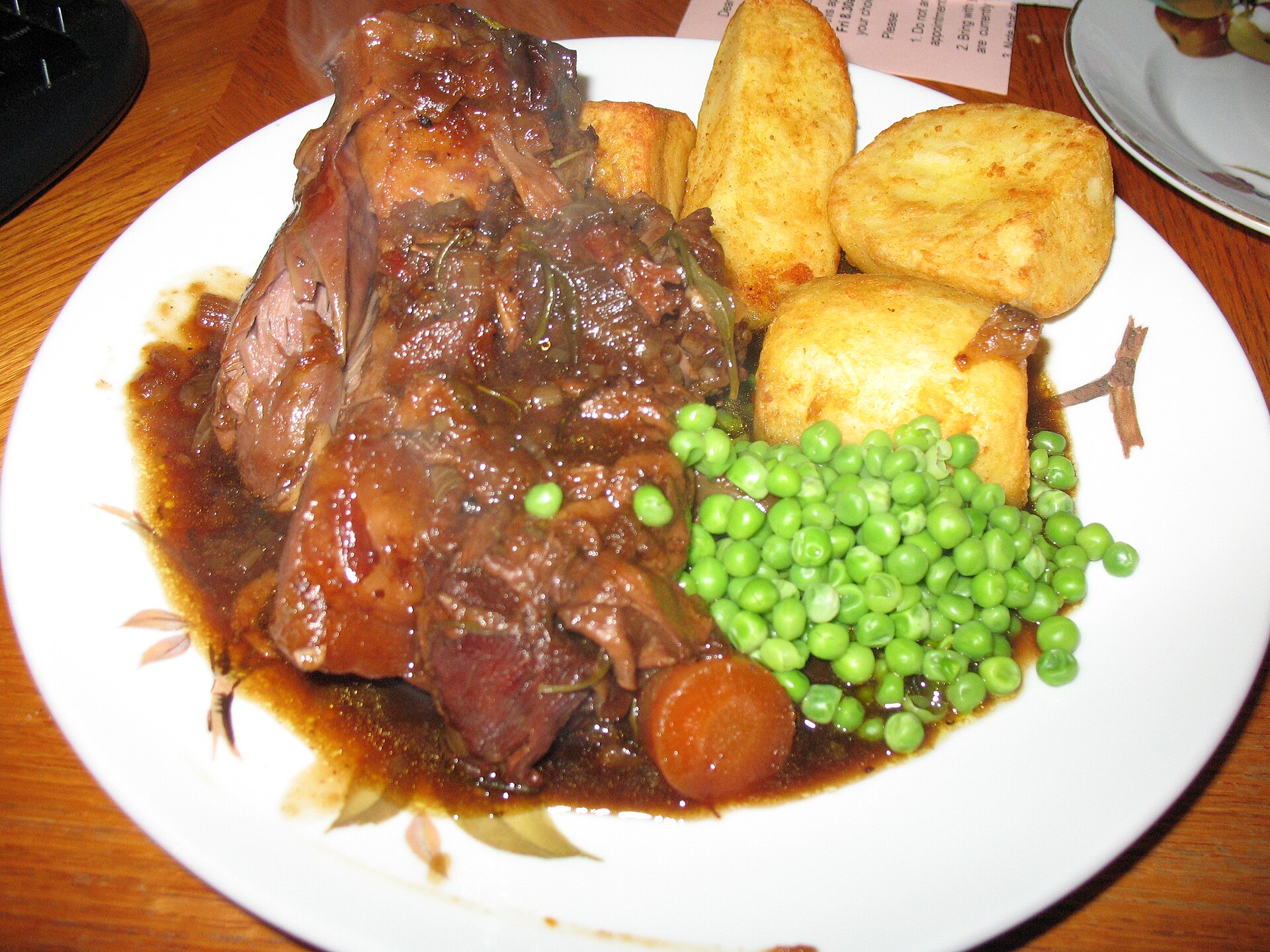
A slow cooker pot roast is the ultimate comfort food: fork-tender beef that falls apart at the touch, rich gravy full of deep, meaty flavor, and vegetables that have soaked up all those delicious braising juices. It is the kind of dish that fills your home with mouthwatering aromas all day long and makes everyone ask when dinner will be ready.

The beauty of this recipe is its simplicity. You spend about 20 minutes browning the meat and assembling everything in the slow cooker, then walk away and let time do its magic. Hours later, you come back to a complete meal that tastes like you have been cooking all day. It is perfect for busy weekdays, lazy Sundays, and feeding a hungry crowd.
Choosing the Right Cut
The best pot roast comes from tough, well-marbled cuts that break down during the long, slow braise. These cuts are also the most affordable, making pot roast a budget-friendly meal.
Chuck Roast: The Winner
Chuck roast is cut from the shoulder and has plenty of marbling and connective tissue that melts into gelatin during cooking, creating incredibly tender meat and rich gravy. This is my top choice for pot roast.
Brisket
Brisket makes excellent pot roast with a slightly different texture. It is a bit leaner than chuck and slices more cleanly rather than falling apart.
Bottom Round
This is a leaner option that works but will not be as rich or tender as chuck. It needs plenty of liquid and a longer cooking time.
Size Matters
A 3 to 4 pound roast is ideal. Much smaller and it will overcook. Much larger and it may not fit in your slow cooker or cook evenly.
The Secret: Searing the Meat
I know it is tempting to skip this step, but please do not. Searing the roast before slow cooking is the single most important thing you can do to develop flavor. When the meat hits a screaming hot pan, the Maillard reaction creates hundreds of new flavor compounds that make the finished dish taste richer and more complex.
Pat the roast very dry with paper towels and season generously with salt and pepper on all sides. Heat a tablespoon of oil in a heavy skillet or Dutch oven over high heat until smoking. Add the roast and let it sit without moving for 3 to 4 minutes until a deep brown crust forms. Flip and repeat on all sides. This takes about 10 minutes total but it is so worth it.
Building the Braising Liquid
The braising liquid becomes the gravy, so you want it to be flavorful. After searing the meat, saute aromatics in the same pan to build layers of flavor.
Aromatics
Onions, carrots, and celery form the classic base. Garlic adds depth. I also like to add tomato paste and saute it briefly. The caramelization adds color and umami.
Deglazing
Pour wine or beef broth into the hot pan and scrape up all those browned bits stuck to the bottom. Those are pure concentrated flavor. Red wine adds richness and complexity. Beef broth makes a more straightforward but equally delicious gravy.
Herbs
Fresh thyme and rosemary are classic. Bay leaves add depth. Tie them in a bundle with kitchen twine for easy removal later.
The Complete Recipe
Ingredients
- 3 to 4 pound chuck roast
- 2 teaspoons kosher salt
- 1 teaspoon black pepper
- 2 tablespoons vegetable oil
- 1 large onion, roughly chopped
- 4 carrots, cut into 2-inch pieces
- 4 celery stalks, cut into 2-inch pieces
- 6 garlic cloves, smashed
- 2 tablespoons tomato paste
- 1 cup red wine or beef broth
- 2 cups beef broth
- 4 sprigs fresh thyme
- 2 sprigs fresh rosemary
- 2 bay leaves
- 1.5 pounds baby potatoes, halved if large
Instructions
Step 1: Season and sear. Pat the roast dry and season generously with salt and pepper on all sides. Heat oil in a large skillet over high heat. Sear the roast for 3 to 4 minutes per side until deeply browned. Transfer to the slow cooker.
Step 2: Saute aromatics. Reduce heat to medium-high. Add onion, carrots, and celery to the skillet. Cook for 5 minutes until starting to brown. Add garlic and tomato paste. Cook for 1 minute, stirring constantly.
Step 3: Deglaze. Pour in wine and scrape up all the browned bits from the bottom of the pan. Simmer for 2 minutes to cook off the alcohol. Add beef broth, thyme, rosemary, and bay leaves. Bring to a simmer.
Step 4: Assemble. Pour the liquid and vegetables over the roast in the slow cooker. The liquid should come about halfway up the sides of the meat. If needed, add more broth.
Step 5: Cook. Cover and cook on low for 8 to 10 hours or high for 4 to 5 hours. Add the potatoes during the last 2 hours of cooking so they do not get mushy.
Step 6: Rest and serve. Transfer the roast to a cutting board and let rest for 10 minutes. Remove the herbs. The meat should be so tender it falls apart when you try to slice it. You can either slice against the grain or shred with forks.
Step 7: Make gravy (optional). Strain the braising liquid into a saucepan. Skim off the fat. Simmer until reduced and thickened, or whisk in a slurry of 2 tablespoons cornstarch and 2 tablespoons cold water and simmer until thickened.
Serve the meat with the vegetables and gravy spooned over top.
Tips for the Best Pot Roast
Do Not Skip the Sear
The caramelization from searing adds so much flavor. It is worth the extra 10 minutes.
Do Not Add Too Much Liquid
The meat releases a lot of liquid as it cooks. You only need enough to come halfway up the sides. Too much liquid dilutes the flavor and creates a weak gravy.
Add Potatoes Later
Potatoes turn to mush if cooked the entire time. Add them during the last 2 to 3 hours.
Let It Rest
Even though the meat is fall-apart tender, letting it rest allows the juices to redistribute. This makes it even more moist and flavorful.
Slow Cooker Variations
Mississippi Pot Roast
Add a packet of ranch dressing mix, a packet of au jus gravy mix, a stick of butter, and pepperoncini peppers to the slow cooker for the viral Mississippi-style version.
Italian Style
Use Italian seasoning instead of thyme and rosemary. Add a can of crushed tomatoes to the braising liquid. Serve over polenta.
Beer Braised
Replace the wine with a dark beer like stout or porter for a richer, slightly sweet gravy.
Asian Inspired
Use soy sauce, ginger, star anise, and hoisin sauce in the braising liquid. Serve over rice.
Frequently Asked Questions
Can I cook this in the oven?
Yes. After searing and building the braising liquid, transfer everything to a Dutch oven. Cover tightly and braise at 300F for 3 to 4 hours until fork tender.
Why is my pot roast tough?
It probably did not cook long enough. Tough cuts need time for the collagen to break down. Cook longer on low heat until fork tender.
Can I make this ahead?
Yes, and it is actually better the next day after the flavors have melded. Cool completely, refrigerate overnight, and reheat gently. The fat will solidify on top and can be easily removed.
How do I thicken the gravy?
Simmer to reduce it, or whisk in a cornstarch slurry (2 tablespoons cornstarch mixed with 2 tablespoons cold water) and simmer until thickened.
Final Thoughts
Slow cooker pot roast is comfort food at its finest. The long, slow braise transforms a tough, affordable cut of meat into something incredibly tender and flavorful. The vegetables soak up all those delicious juices, and the gravy ties everything together.
This is the kind of cooking that rewards patience. You cannot rush a pot roast. But that is also the beauty of it. You do a little work in the morning, let the slow cooker do its thing, and come home to a meal that tastes like it took all day. Because it did, just not your whole day.
Explore more slow cooker recipes for easy, comforting meals.
Sources & References
Pro Tips for Better Results
Preparation is key to success in the kitchen. Read the entire recipe before starting and gather all ingredients. This mise en place approach prevents surprises mid-cooking.
Taste as you cook and adjust seasonings throughout the process. Your palate is the best guide to creating delicious food.
Do not be afraid to make mistakes. Every failed dish teaches something valuable about technique and flavor.
Quality ingredients make a noticeable difference. When possible, choose fresh, seasonal produce and high-quality proteins for the best results.
Storage and Serving Suggestions
Proper storage ensures your dish stays fresh and delicious. Most prepared dishes can be refrigerated in an airtight container for 3-4 days. For longer storage, many recipes freeze well for up to 3 months.
When reheating, add a splash of liquid to prevent drying out. Reheat gently over medium heat or in the microwave with a damp paper towel cover.
For best results, bring refrigerated dishes to room temperature before reheating. This ensures even warming throughout.
Variations to Try
Once you master the basic recipe, experiment with variations. Swap proteins, adjust seasonings, or add different vegetables to create new flavor combinations.
Consider dietary modifications for guests with restrictions. Many recipes adapt well to vegetarian, gluten-free, or dairy-free versions with simple substitutions.
Seasonal ingredients can transform a familiar recipe. Use what is fresh and available for the best flavor and value.