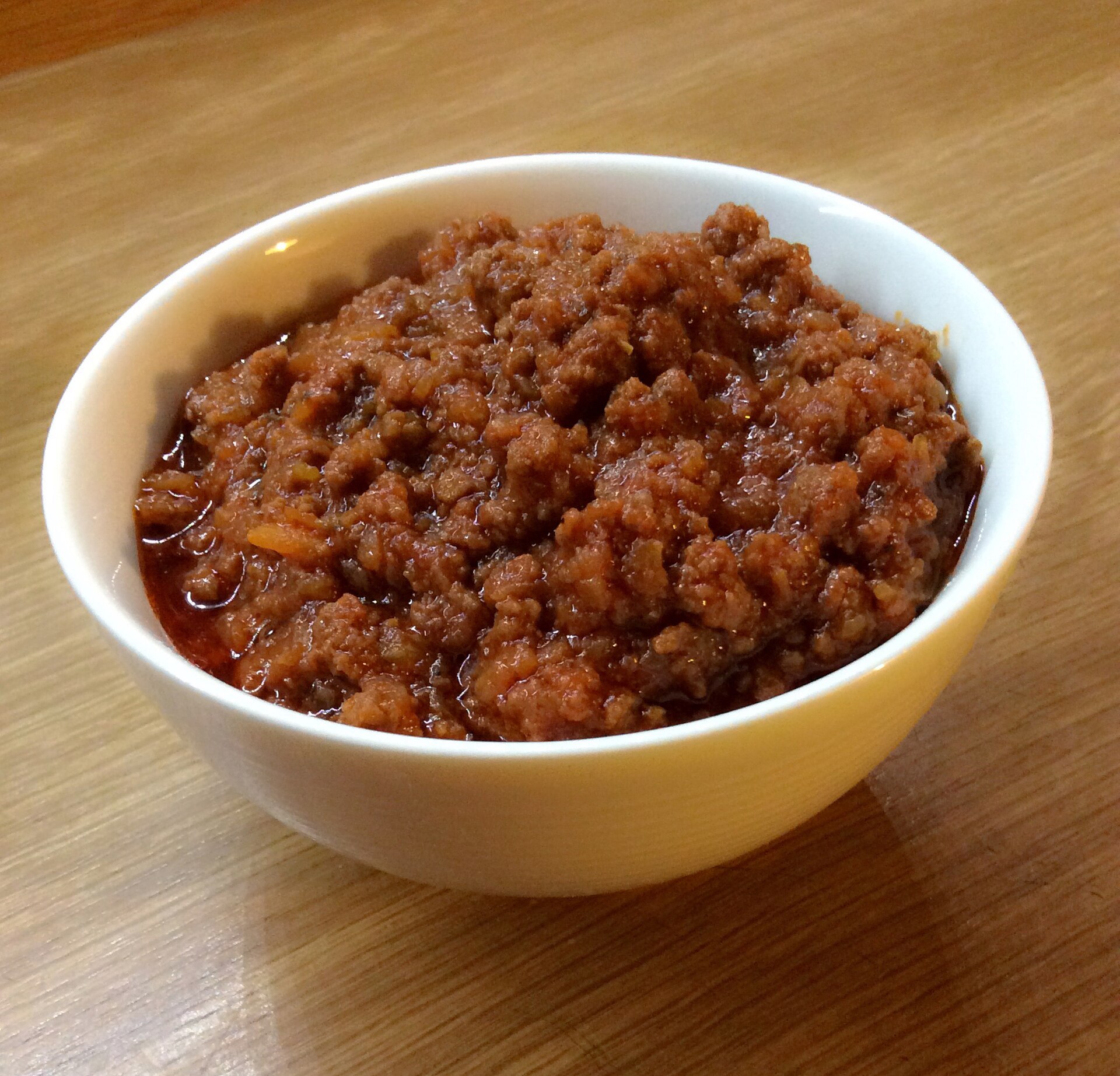
The first taste of real ragù alla Bolognese is a quiet correction. You have spent years calling spaghetti with meat sauce “bolognese” — perhaps from a jar, perhaps from a chain restaurant, perhaps from a well-meaning home recipe that called for ground beef and a thirty-minute simmer. The real thing has almost nothing to do with that. It is darker than you remember. It is built on a fond of butter and pancetta, not olive oil. There is more milk in it than there is tomato. It simmers for four hours, not thirty minutes. And in Bologna — the city that gave the sauce its name — it is never, ever served with spaghetti.
Ragù alla bolognese was codified by the Bolognese Chamber of Commerce in 1982, in a document deposited at the Camera di Commercio on Piazza Mercanzia and notarized by Atelier Caprai. The decree was not a marketing exercise; it was a defense. By the 1980s, “bolognese” had spread so widely and mutated so far from its source that the city itself felt obliged to write down what the dish actually is. The official recipe specifies coarsely ground beef and pancetta in roughly equal weight, a soffritto of onion-carrot-celery softened in butter, white wine (never red), tomato paste rather than crushed tomatoes, whole milk simmered in toward the end, and a slow cook of at least two hours, ideally four.
Marcella Hazan, the Italian cookbook author who taught a generation of American home cooks to take Italian food seriously, called Bolognese ragù one of the most misunderstood dishes in the world. She was being polite. The Accademia Italiana della Cucina, the country’s academy of culinary tradition, runs a quiet campaign of correction against international misrepresentations of the dish, and the city of Bologna itself launched a 2023 tourist campaign politely informing visitors that they will not find “spaghetti bolognese” on any local menu. The truth is simpler than the controversy: there is a real recipe, it is excellent, and you can make it at home. The rest of this article is how to do that — Hazan’s adapted method crossed with the Bolognese Chamber’s official decree, with the technical reasoning explained at every step.
The Bolognese Decree of 1982
On October 17, 1982, the Bolognese delegation of the Accademia Italiana della Cucina, working with the local Chamber of Commerce, formally deposited what they called the “classic recipe of Bolognese ragù” with a notary. The document is short: a list of ingredients in weights and a brief method. The act of depositing it was the point. It transformed the recipe from oral family tradition into a legally recognized cultural artifact. The decree was updated and reaffirmed in 2023 with minor adjustments — a slight reduction in tomato paste, an explicit acknowledgment of olive oil as an acceptable supplement to butter — but the spirit is unchanged. The dish exists, it has a definition, and that definition lives at the Camera di Commercio on Piazza Mercanzia.
Why does this matter? Because almost everything sold as “bolognese” outside Italy — and a fair amount inside Italy too — ignores the decree entirely. The jarred sauces are usually a beef-and-tomato simmer with herbs that would never appear in the real thing (basil, oregano, parsley are all wrong). Restaurant versions abroad routinely use ground beef without pancetta, red wine instead of white, and crushed tomatoes instead of tomato paste, producing a thinner, more acidic, more tomato-forward sauce. The Bolognese decree is not snobbery; it is a record. Following it produces a sauce that tastes specifically of Bologna and specifically of the dish that was eaten by working-class Emilians in the eighteenth and nineteenth centuries.
Why Pancetta and Butter, Not Bacon and Olive Oil
The first surprise for cooks raised on Italian-American food is that authentic Bolognese is a butter-and-pancetta sauce, not an olive-oil-and-bacon one. This is a geography question. Bologna sits in Emilia-Romagna, in the cool, wet, Po-Valley north of Italy, where dairy cattle thrive and butter has been a foundational fat for centuries. Olive trees do not grow well this far north. Southern Italian cuisine — the cuisine that defined American perceptions of Italian food because southern Italians made up the bulk of nineteenth-century immigration — is olive-oil based because olives grow in Campania, Calabria, Sicily, and Puglia. Bolognese cooking is dairy-based for the same reason: that is what was abundant.
Pancetta is unsmoked cured pork belly, dry-cured with salt and spices for several weeks. Bacon, by contrast, is smoked. The smoke flavor in bacon would dominate the delicate balance of a Bolognese sauce and make it taste American rather than Italian. Guanciale, made from pork jowl, is even more traditional in some regional variants and has a slightly silkier fat profile, but pancetta is more widely available outside Italy. Look for thick-cut, slab pancetta dolce (sweet, unspiced) rather than pancetta arrotolata (rolled with spices); the rolled version often contains black pepper or garlic that would compete with the sauce. Whole Foods, Eataly, and most well-stocked Italian delis carry slab pancetta. In a true pinch, an Italian-style prosciutto crudo (not cotto) can substitute. American bacon cannot, and should not.
Tagliatelle, Not Spaghetti: The Pasta Geometry Question
The most viral misconception about Bolognese is that it goes on spaghetti. In Bologna it never has and never will. The sauce was designed around tagliatelle, a flat egg pasta cut to about 8 millimeters wide, and the pairing is not a stylistic preference but a structural necessity. Bolognese ragù is dense and meaty. A bowl of spaghetti tossed with it produces a depressing result: the heavy sauce slides off the round strands and pools at the bottom of the bowl, leaving the spaghetti above mostly bare. The eater is left fishing for sauce at the bottom of every forkful.
Flat ribbon pasta — tagliatelle, pappardelle, fettuccine — has dramatically more surface area to grip the sauce. The folds and ridges, especially in fresh hand-cut tagliatelle, catch and hold meat particles. The sauce coats every strand uniformly. Each forkful is a balanced ratio of pasta and ragù. This is not aesthetic; it is engineering. The pasta and the sauce are designed for each other, the way a stew is designed for the bread that mops it up. Fresh egg tagliatelle from a good local pasta maker is ideal. Dried egg tagliatelle (Rustichella d’Abruzzo, De Cecco, or Setaro brands) is an excellent backup. If you can find only dried plain durum pasta, choose pappardelle or fettuccine. Avoid spaghetti, linguine, or any short pasta — the sauce was not made for them.
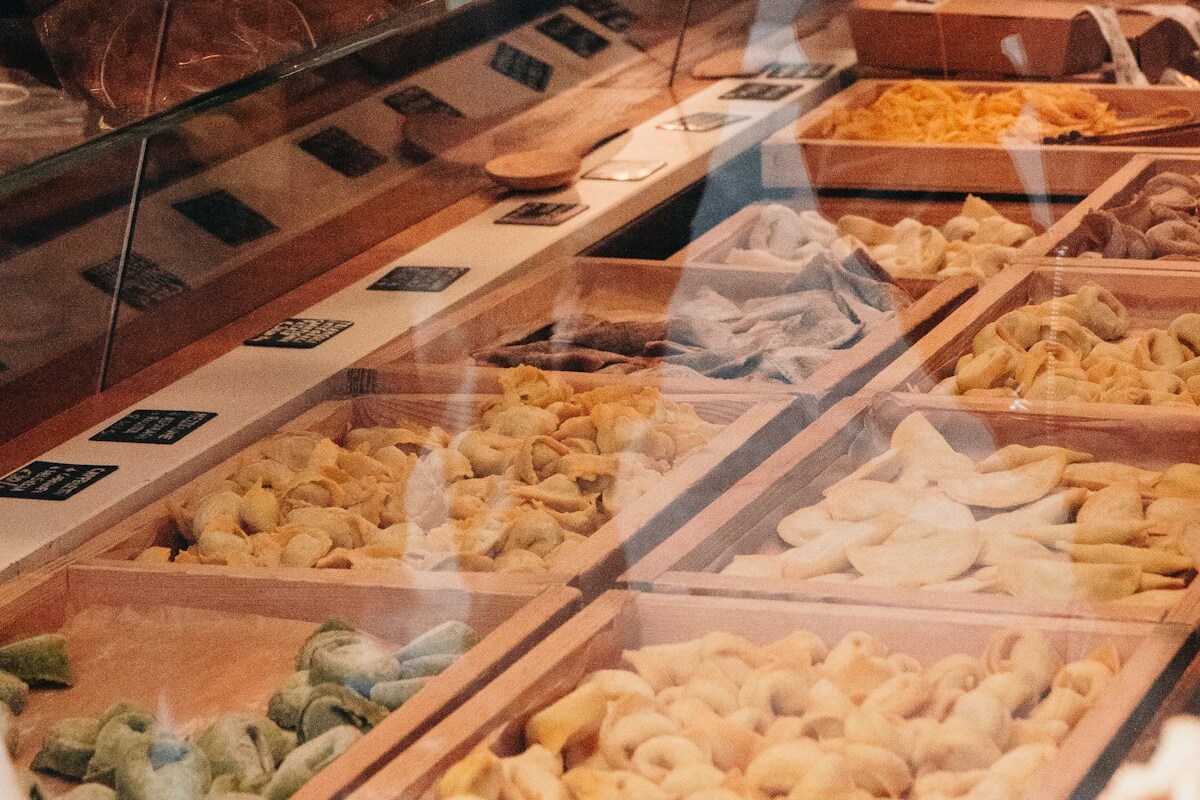
Bolognese vs Ragù alla Napoletana vs Sugo: A Quick Map
Italy has dozens of regional ragù traditions and confusion between them is the source of much of the international misunderstanding. Knowing where Bolognese sits in the broader family helps clarify what makes it distinctive.
| Sauce | Region | Meat | Base / Tomato | Pasta |
|---|---|---|---|---|
| Ragù alla Bolognese | Emilia-Romagna | Ground beef + pancetta | Butter, white wine, tomato paste, milk | Tagliatelle |
| Ragù alla Napoletana | Campania | Whole cuts of beef + pork (later shredded) | Olive oil, red wine, crushed tomatoes | Ziti, rigatoni |
| Sugo di carne (generic) | Various | Any ground meat | Olive oil, tomato-forward | Any |
| “Spaghetti Bolognese” (international) | Anywhere but Bologna | Ground beef | Olive oil, red wine, tomato sauce, herbs | Spaghetti |
Ragù alla napoletana is Bolognese’s southern cousin: a long-simmered tomato-forward stew built on whole pieces of meat that are removed, shredded, and served either with the sauce on pasta or as a second course. It is older, simpler, and more rustic. The international “spaghetti bolognese” is, despite the name, closer to a poorly executed sugo di carne than to true ragù alla bolognese.
Ingredients
For the soffritto and base:
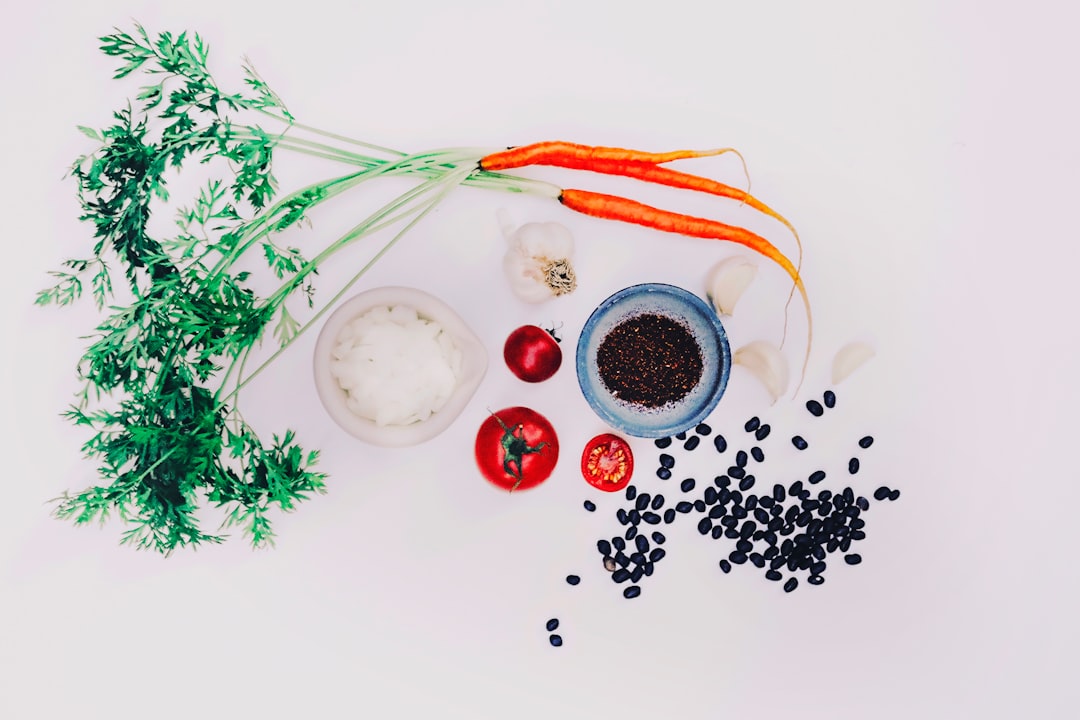
- 3 tablespoons (45 g) unsalted butter
- 1 tablespoon (15 ml) extra-virgin olive oil
- 150 g (5.3 oz) pancetta, finely diced
- 1 medium yellow onion, finely diced (about 150 g)
- 1 medium carrot, finely diced (about 80 g)
- 1 small celery stalk, finely diced (about 60 g)
For the ragù:
- 300 g (10.5 oz) coarsely ground beef chuck (80/20 fat ratio)
- 1/2 cup (120 ml) dry white wine (Pinot Grigio, Trebbiano, or Soave)
- 3 tablespoons (50 g) double-concentrated tomato paste
- 300 ml (1 1/4 cups) whole milk, warmed
- 300 ml (1 1/4 cups) beef or chicken stock, warmed
- Fine sea salt, to taste
- Freshly ground black pepper
- Freshly grated nutmeg, just a pinch
To serve:
- 500 g (1 lb) fresh tagliatelle (or dried egg tagliatelle / pappardelle)
- Freshly grated Parmigiano-Reggiano, to taste
- Coarse salt for the pasta water
Making It
- Render the pancetta. Heat butter and oil in a heavy 4-quart Dutch oven over medium-low heat. Add diced pancetta and cook 10 to 12 minutes, stirring occasionally, until the fat has rendered and the pancetta is just golden but not crisp.
- Build the soffritto. Add diced onion, carrot, and celery. Reduce heat to low. Cook gently, stirring often, for 12 to 15 minutes, until the vegetables are completely soft and the onion is translucent. Do not let them caramelize — this is a slow sweat, not a brown.
- Add the meat. Increase heat to medium. Add ground beef in chunks, breaking it up with a wooden spoon. Cook, stirring, until the meat loses its raw color, about 5 minutes. Do not aggressively brown.
- Deglaze with white wine. Pour in the wine. Increase heat to medium-high. Cook, scraping the bottom of the pot, until the wine has reduced almost completely and you can no longer smell raw alcohol, about 4 to 5 minutes.
- Add the tomato paste. Stir in the tomato paste. Cook for 2 minutes, stirring constantly, until the paste darkens slightly and integrates fully.
- Add the warm milk. Pour in the warmed whole milk slowly while stirring. The milk will appear to break and curdle — this is correct. The milk solids will eventually integrate.
- Add stock and simmer. Add warmed stock. Bring to a gentle simmer. Reduce heat to lowest setting. Partially cover. Simmer at least 2 hours, ideally 3 to 4, stirring every 20 minutes. Add splashes of stock or water if it dries too much. The finished sauce should be thick, glossy, and deeply concentrated.
- Season and rest. Season with salt, pepper, and the smallest grating of nutmeg. Taste and adjust. If possible, let the sauce rest off heat for 30 minutes — or refrigerate overnight, when the flavor noticeably improves.
- Cook the tagliatelle and serve. Cook fresh tagliatelle in well-salted boiling water until just tender (2 to 3 minutes for fresh, 6 to 8 for dried). Drain, reserving 1/2 cup pasta water. Toss the pasta with the ragù, adding a splash of pasta water if needed to loosen. Serve immediately with freshly grated Parmigiano-Reggiano.
Common Mistakes That Ruin Bolognese
The first mistake is rushing. A 45-minute Bolognese is not a Bolognese; it is a meat-and-tomato sauce. The slow cook is what transforms the disparate ingredients into a unified, glossy ragù. Two hours is the minimum; three to four is the target. If you do not have the time, make a different sauce that day. The second mistake is browning the meat too aggressively. Bolognese is not a chili. The goal is to cook the beef through, not develop a crust. Aggressive browning produces a hard, dry meat that does not soften over the long simmer. Stir gently and let the meat warm through and lose color, then move on.
The third mistake is over-tomatoing. The decree specifies tomato paste, not crushed tomatoes or sauce. Tomato is a background note in a Bolognese, not the dominant flavor. A sauce that looks bright red and tomato-forward is wrong; the finished Bolognese should be a deep mahogany brown. The fourth mistake is using cream instead of milk. Some recipes published abroad call for cream in addition to or instead of milk. The decree specifies whole milk. The milk solids slowly integrate over the long cook and tenderize the meat; cream sits on top of the sauce and produces a heavier, dairy-forward dish that loses the savory complexity. Use whole milk, warmed to about body temperature before adding so it does not seize the meat.
What to Serve With Bolognese
A bowl of tagliatelle al ragù is a complete meal by Bolognese standards. If you want a fuller spread, the traditional Italian sequence is a small antipasto (sliced mortadella from Bologna with bread and pickled vegetables), the pasta as primo, a green salad to follow, and a small piece of aged Parmigiano-Reggiano with a drizzle of aged balsamic for the cheese course. A glass of Sangiovese or Lambrusco rosso amabile (a lightly sweet, sparkling Emilian red) is the regional pairing; both cut through the sauce’s richness.
For a wider Italian table built around this sauce, our cacio e pepe, the authentic Roman recipe with pro techniques makes a beautiful contrast as a lighter pasta course before or after. Our pasta alla gricia with guanciale and pecorino showcases the same northern-Italian dairy-fat philosophy on a different scale. For dessert, our Basque burnt cheesecake with pistachio finishes the meal with Mediterranean richness.
Storage and Make-Ahead
Bolognese is, like all ragùs, better the next day. Make it ahead. Refrigerated in a sealed container, the sauce keeps for 5 days; the flavor develops and the meat continues to tenderize during the rest. Reheat slowly over low heat with a splash of stock to bring it back to its proper consistency. The sauce freezes excellently in flat-pack zip-top bags for up to 3 months; thaw overnight in the refrigerator before using. Cook the tagliatelle fresh when serving — pasta cooked ahead and reheated never recovers its proper texture. Many Italian families make a large pot of Bolognese on Sunday and use it across the week with different pastas, in lasagne, or as a topping for polenta.
Frequently Asked Questions
Why no spaghetti? Can I use it anyway?
The sauce was designed around tagliatelle, a flat egg pasta about 8 mm wide. Flat ribbon pasta has the surface area to hold a thick, meaty ragù; round spaghetti causes the sauce to slide off, leaving a pool at the bottom of the bowl. Pappardelle and fettuccine are acceptable alternatives. Dried egg tagliatelle works if fresh is not available. The Italian Academy of Cuisine is officially against spaghetti bolognese and the city of Bologna has run public campaigns against it. You can absolutely use spaghetti if it is what you have, but the experience will be diminished and an Italian grandmother somewhere will sigh.
Can I substitute ground beef for the pancetta?
No. The pancetta does two essential things that ground beef cannot: it renders fat that flavors the base, and it provides cured pork flavor that is foundational to the sauce. Without pancetta you have a beef ragù, not a Bolognese. Acceptable substitutes are unsmoked guanciale (more traditional but harder to find) or, in a pinch, Italian prosciutto crudo (not cotto). Do not use bacon. Bacon is smoked, and the smoke flavor would dominate the sauce and make it taste American rather than Bolognese.
Why white wine and not red?
White wine is what the 1982 Bolognese Chamber of Commerce decree specifies, and what Bologna has used for centuries. The reasoning is structural: red wine adds tannins and a heavy fruit profile that compete with the milk and dairy in the sauce. White wine deglazes without introducing competing flavors. Dry white — Pinot Grigio, Trebbiano, Soave — works perfectly. Avoid oaky Chardonnay or anything sweet.
Three to four hours seems excessive. Can I shorten it?
Two hours is the absolute minimum and produces a noticeably less integrated sauce. The long simmer is what transforms the milk solids, the soffritto, and the meat into a unified glossy ragù rather than a mixture of distinct elements. Below 90 minutes the sauce will taste like its components rather than like Bolognese. You can make it the day before and refrigerate overnight — the flavor improves with rest. If you cannot give it 3 hours, choose a different recipe for that day; authentic Bolognese rewards patience and punishes shortcuts.
Sources
- Serious Eats — The Best Slow-Cooked Bolognese Sauce — J. Kenji López-Alt’s in-depth breakdown of the technical reasoning behind milk integration and long-simmer chemistry.
- Bon Appétit — The Best Bolognese — Adapted from Marcella Hazan’s landmark version; closely follows the 1982 Bolognese decree with American-kitchen accessibility.
- USDA FoodData Central — Beef and Dairy — Nutritional data for per-serving calculations.
Each serving contains roughly 545 calories, 32 g protein, 32 g fat, 28 g carbohydrates, and 3 g fiber — based on 100 g of fresh tagliatelle topped with 200 g of finished ragù and 1 tablespoon of grated Parmigiano-Reggiano.
Please note: Nutritional estimates are derived from the USDA FoodData Central database and may vary by brand of pancetta, beef, and dairy. This recipe contains beef, pork (pancetta), dairy (butter, milk, Parmigiano), and gluten (in pasta). Nothing in this article should be interpreted as medical or dietary guidance. If you have specific dietary restrictions, allergies, or are pregnant, consult a registered dietitian or healthcare provider before consuming.