There’s something deeply satisfying about creating pizza from scratch, and it all starts with the dough. While ordering takeout is convenient, homemade pizza dough elevates your pizza game to an entirely different level—offering superior flavor, perfect texture, and the pride of creating something delicious with your own hands. The best part? Pizza dough is surprisingly simple, requiring just four basic ingredients: flour, water, yeast, and salt. What transforms these humble ingredients into spectacular pizza is understanding technique, fermentation, and how to handle dough properly.
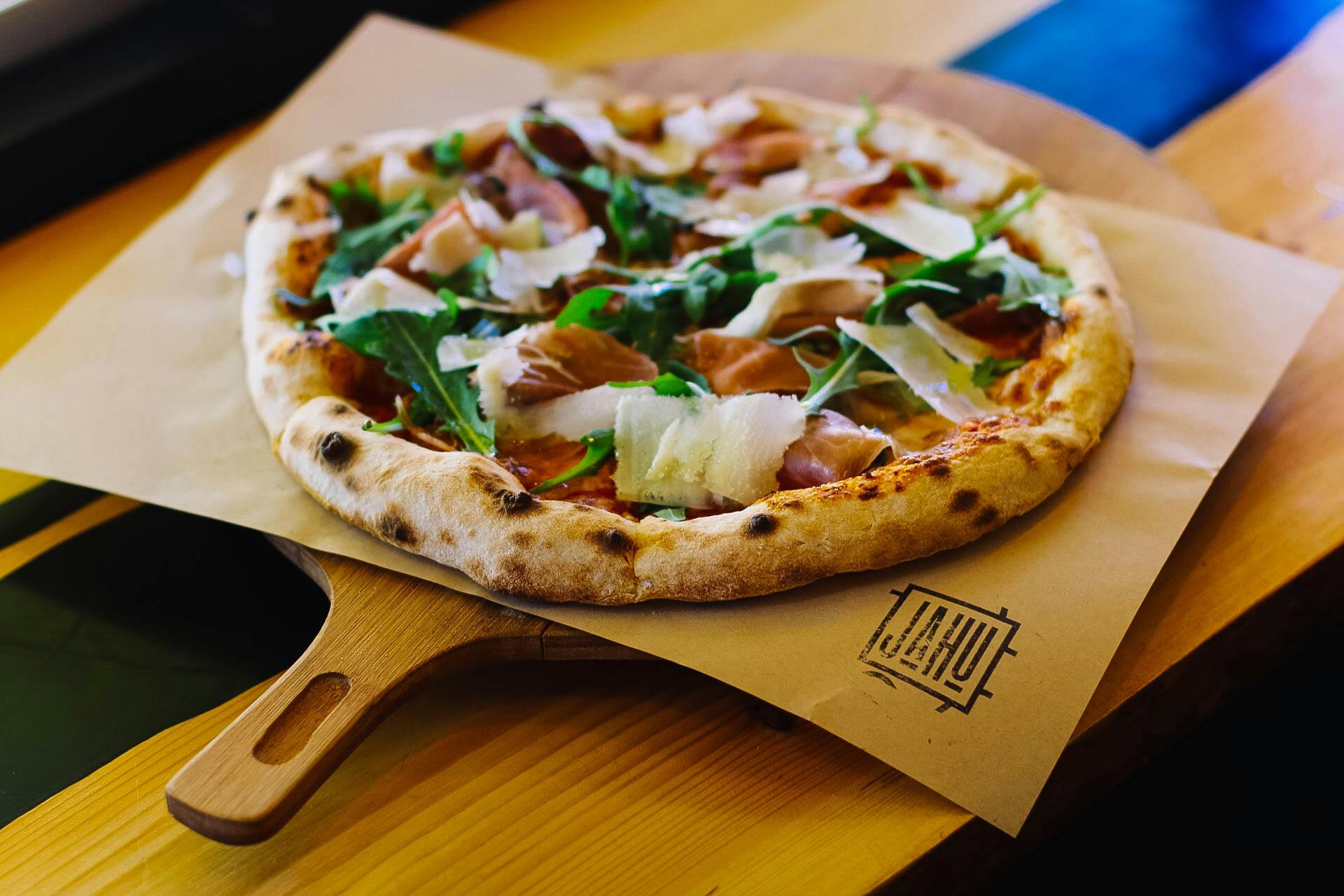
This comprehensive guide will teach you everything you need to know about making exceptional pizza dough at home. We’ll cover different styles from thin and crispy Neapolitan to thick and chewy New York-style, troubleshoot common problems, and share professional techniques that will have your friends asking where you ordered from. Whether you’re a complete beginner or looking to refine your pizza-making skills, this guide will help you achieve pizzeria-quality results in your home kitchen.
Understanding Pizza Dough Fundamentals
Great pizza dough is all about gluten development and proper fermentation. When flour combines with water, proteins form gluten strands that create structure and chewiness. Kneading develops these strands, while fermentation (from yeast) creates flavor, improves texture, and develops those characteristic air bubbles in the crust.
The four essential ingredients each play a specific role: Flour provides structure (protein content determines chewiness), Water hydrates flour and activates gluten (hydration percentage affects texture), Yeast creates rise, flavor, and texture through fermentation, and Salt controls yeast activity, strengthens gluten, and adds flavor.
Optional additions include olive oil for tenderness and flavor, sugar or honey to feed yeast and add slight sweetness, and sometimes milk for softer, more tender crust.
Choosing the Right Flour
Flour choice dramatically impacts your final pizza. Here’s what you need to know:
Bread Flour (12-14% protein): Produces chewy, structured crust with good rise. Best for New York-style pizza. Most versatile choice for beginners.
All-Purpose Flour (10-12% protein): Creates tender, less chewy crust. Good for thin-crust pizza or when bread flour unavailable. Perfectly acceptable for home pizza making.
Tipo 00 Flour (11-12% protein): Finely milled Italian flour traditionally used for Neapolitan pizza. Creates tender yet structured crust with excellent char. Worth seeking out for authentic results.
Whole Wheat Flour: Adds nutty flavor and nutritional value but makes dough denser. Use 25-50% whole wheat, mixed with bread flour for best results.
For beginners, start with bread flour. It’s forgiving, widely available, and produces excellent results.
Common Mistakes That Ruin Pizza Dough
- Using water that’s too hot: Water above 110°F kills yeast. Use lukewarm water (95-105°F) for best results.
- Not allowing proper fermentation: Rushing the rise results in bland, tough dough. Cold fermentation (24-72 hours in refrigerator) develops superior flavor.
- Adding too much flour during kneading: This creates dry, tough dough. Dough should be slightly sticky initially.
- Skipping the rest time: After shaping, dough needs 15-30 minutes to relax so it doesn’t spring back when stretching.
- Rolling with a rolling pin: This deflates air bubbles and creates dense crust. Always stretch by hand.
- Using cold dough: Dough straight from the refrigerator is difficult to stretch and won’t rise properly in the oven. Bring to room temperature first.
- Overloading with toppings: Too many toppings create soggy pizza. Less is more.
Master Recipe: Classic Pizza Dough
This recipe makes enough dough for two 12-14 inch pizzas or four 10-inch personal pizzas.
Ingredients: 3.5 to 4 cups bread flour (500g), 1.5 cups warm water (350ml, about 95-105°F), 2 teaspoons instant yeast (7g) or 2.25 teaspoons active dry yeast, 2 teaspoons salt (10g), 2 tablespoons olive oil (optional, for tenderness), 1 teaspoon sugar or honey (optional, to feed yeast).
Step-by-Step Instructions
Mix the Dough
In a large bowl, combine warm water, yeast, and sugar (if using). Let stand for 5 minutes until foamy—this proves your yeast is active. Add 2 cups of flour, salt, and olive oil (if using). Mix with a wooden spoon until combined. Gradually add remaining flour, 1/2 cup at a time, mixing until dough comes together and pulls away from the sides of the bowl.
The dough should be slightly sticky but manageable. Don’t add too much flour—err on the side of sticky rather than dry. Humidity affects flour absorption, so you may need slightly more or less flour than specified.
Knead the Dough
Turn dough onto a lightly floured surface. Knead for 8-10 minutes until smooth, elastic, and slightly tacky. The dough should bounce back when poked. Kneading develops gluten, creating structure and chewiness.
Proper kneading technique: Push dough away with the heel of your hand, fold it back over itself, rotate 90 degrees, and repeat. Develop a rhythm—this is meditative, not exhausting.
Alternatively, use a stand mixer with dough hook attachment: mix on low speed for 2 minutes to combine, then medium speed for 6-8 minutes until dough is smooth and elastic.
First Rise (Bulk Fermentation)
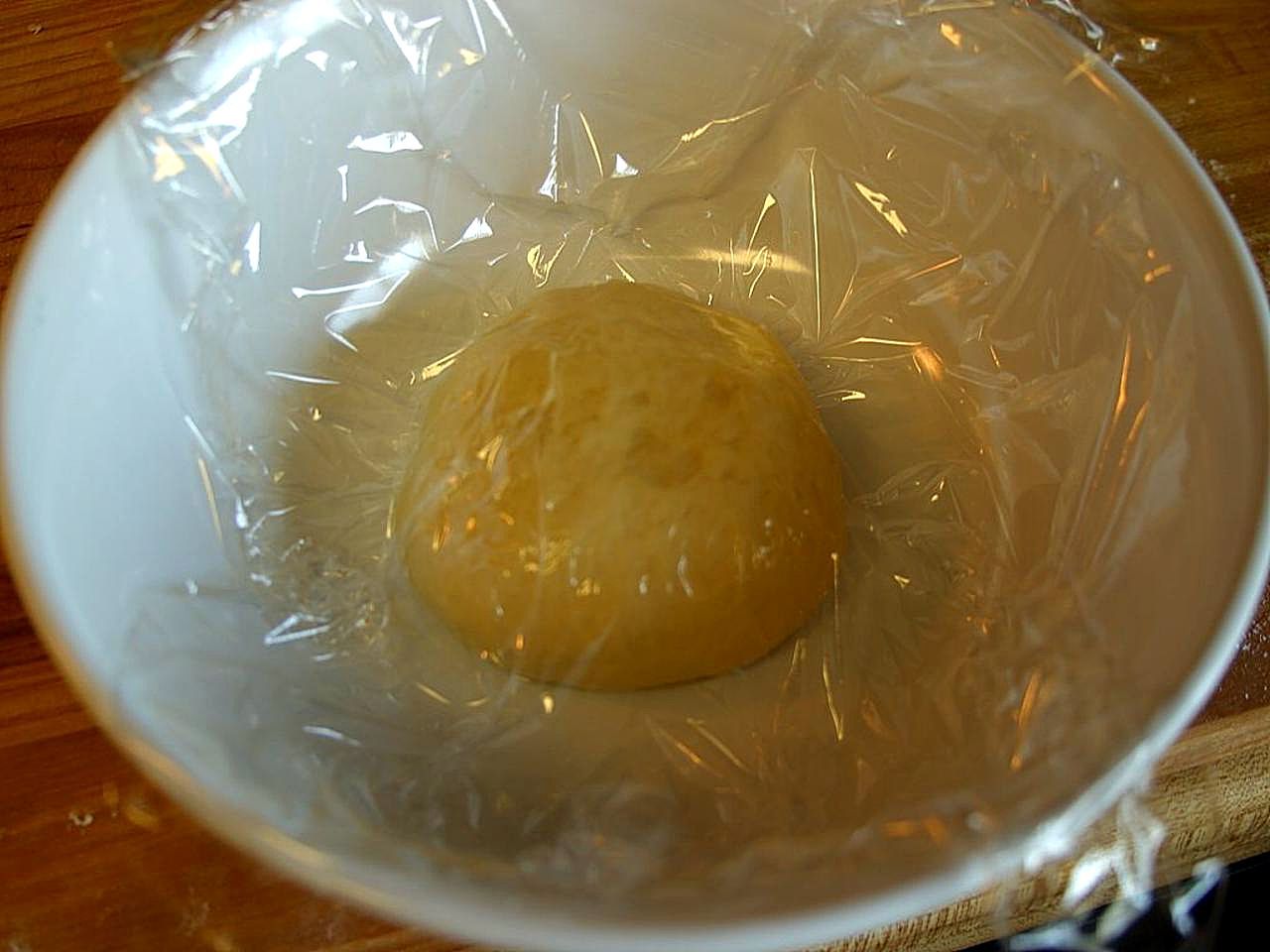
Form dough into a ball and place in a lightly oiled bowl, turning to coat all sides. Cover with plastic wrap or a damp towel. Let rise in a warm, draft-free place for 1-2 hours until doubled in size.
For superior flavor and texture, use cold fermentation instead: After kneading, place dough in an oiled bowl, cover tightly, and refrigerate for 24-72 hours. The longer fermentation develops complex flavors and improves texture. Bring to room temperature (2-3 hours) before shaping.
Divide and Shape
Punch down risen dough to release gases. Turn onto a clean surface and divide into 2 or 4 equal portions depending on desired pizza size. Shape each portion into a tight ball by pulling edges underneath and pinching at the bottom.
Place dough balls on a lightly oiled baking sheet or plate, spacing them apart. Cover with plastic wrap or a towel and let rest for 15-30 minutes. This relaxes the gluten, making dough easier to stretch.
Stretch the Dough
This is where many people struggle, but with practice, you’ll master it. Lightly flour your work surface. Take one dough ball and gently press with your fingertips to flatten slightly, leaving a thicker border for the crust. Pick up the dough and let gravity help—hold it by the edges and slowly rotate, allowing the center to stretch naturally.
Alternatively, place dough on your knuckles and gently pull outward while rotating. The goal is to preserve those air bubbles formed during fermentation while creating an even thickness (except for the puffy edge).
Never use a rolling pin—this deflates air bubbles and creates dense, tough crust. If dough springs back constantly, let it rest another 10 minutes and try again.
Different Pizza Styles and Variations
Neapolitan-Style Pizza
Use Tipo 00 flour, increase water to 375ml for higher hydration (75%), use less yeast (1 teaspoon), and ferment for 24 hours cold. Bake at highest oven temperature (500-550°F) for 8-12 minutes. Results in soft, tender crust with charred spots and puffy edges.
New York-Style Pizza
Use bread flour, add 2 tablespoons olive oil and 1 tablespoon sugar. This creates a foldable, chewy crust with slight crispness. Bake at 475-500°F for 12-15 minutes.
Thin and Crispy Crust
Use all-purpose flour, reduce yeast to 1 teaspoon, add 2 tablespoons olive oil, and roll thinner. Bake at very high heat (500°F+) for 10-12 minutes on a preheated pizza stone.
Thick Crust/Pan Pizza
Increase water slightly, add 3 tablespoons olive oil, and let dough rise in an oiled pan. Bake at 425°F for 18-22 minutes until golden brown on bottom.
Baking Your Pizza
For best results, use a pizza stone or steel: Preheat oven to maximum temperature (500-550°F) with stone/steel inside for 45-60 minutes. Assemble pizza on parchment paper or a well-floured pizza peel. Slide onto preheated stone and bake for 8-12 minutes until crust is golden and cheese bubbles.
Without a stone: Use an inverted baking sheet preheated in the oven, or bake on a regular baking sheet at 475°F for 12-15 minutes (won’t be quite as crispy but still delicious).
Storage and Make-Ahead Tips
Pizza dough freezes beautifully. After the first rise, divide and shape into balls. Wrap each tightly in plastic wrap, then place in freezer bags. Freeze for up to 3 months. Thaw overnight in refrigerator, then bring to room temperature before stretching.
Refrigerated dough keeps for 3-5 days and actually improves in flavor. Punch down daily if it over-rises.
Shaped dough can be pre-stretched and placed on parchment paper, then frozen. Stack with parchment between each, wrap well, and freeze. Top and bake from frozen, adding 3-4 minutes to baking time.
Professional Tips
- Weigh ingredients for consistency—digital scales ensure perfect results every time.
- Higher hydration dough (more water) creates airier crust but is harder to handle. Start at 65-70% hydration (ratio of water to flour by weight) and increase as you gain experience.
- For crispier bottom, parbake the dough for 3-4 minutes before adding toppings.
- Brush crust edges with olive oil or garlic butter before baking for golden, flavorful crust.
- Use semolina flour on your peel or surface for easier sliding—it acts like ball bearings.
- Make several batches to test your oven’s hot spots and optimal baking time.
- Quality ingredients matter: use good flour, fresh yeast, and excellent olive oil.
Frequently Asked Questions
Can I make pizza dough without yeast?
Yes, you can make unleavened flatbread-style pizza dough using baking powder as a leavening agent. Combine 2 cups flour, 2 teaspoons baking powder, 3/4 teaspoon salt, 3/4 cup water, and 2 tablespoons olive oil. Mix, knead briefly, and use immediately. It won’t have the same flavor or texture as yeasted dough but works in a pinch.
Why is my dough not rising?
Common causes: yeast is expired or dead (test by proofing in warm water—it should foam), water was too hot and killed the yeast, environment is too cold (place in a warmer spot like inside an oven with just the light on), or you didn’t give it enough time.
Can I use active dry yeast instead of instant yeast?
Yes, they’re interchangeable with slight modification. Active dry yeast should be dissolved in warm water first (bloomed) before adding to flour. Use slightly more active dry yeast—if recipe calls for 2 teaspoons instant, use 2.25 teaspoons active dry.
How do I know when dough has risen enough?
The “poke test”: Gently press two fingers about 1/2 inch into the dough. If the indentation slowly springs back halfway, it’s ready. If it springs back immediately, it needs more time. If it doesn’t spring back at all, it’s over-proofed.
My dough keeps shrinking back when I try to stretch it. Why?
The gluten needs to relax. Cover and let rest for 15-30 minutes, then try again. Also ensure dough is at room temperature—cold dough is harder to stretch. Don’t fight it; patience is key.
Can I make pizza dough in a food processor?
Yes. Pulse flour, salt, and yeast to combine. With processor running, slowly add water and olive oil through feed tube. Process until dough forms a ball and pulls away from sides, about 30-60 seconds. Turn out and knead by hand for 2-3 minutes to finish.
Conclusion
Mastering pizza dough opens up a world of possibilities in your kitchen. Once you understand the fundamentals—proper flour selection, gluten development through kneading, fermentation for flavor, and gentle stretching to preserve air—you can create endless variations. The beauty of homemade pizza dough is that it’s endlessly customizable, incredibly economical, and actually quite forgiving once you get the hang of it.
Start with this master recipe, make it a few times to develop intuition, then experiment with different flours, fermentation times, and styles. Each pizza you make will teach you something new about how dough behaves and what you prefer. Before long, you’ll be creating pizzeria-quality pies that have everyone asking for your secret. For more pizza topping ideas and recipes, explore our complete pizza guide.