

This mastering yeast recipe will become a favorite. Yeast is the magical ingredient that transforms flat dough into fluffy bread, yet it’s the source of more baking anxiety than almost any other ingredient. Many home bakers have experienced the disappointment of dough that won’t rise or bread that comes out dense and heavy. The good news is that yeast is actually quite forgiving once you understand how it works.
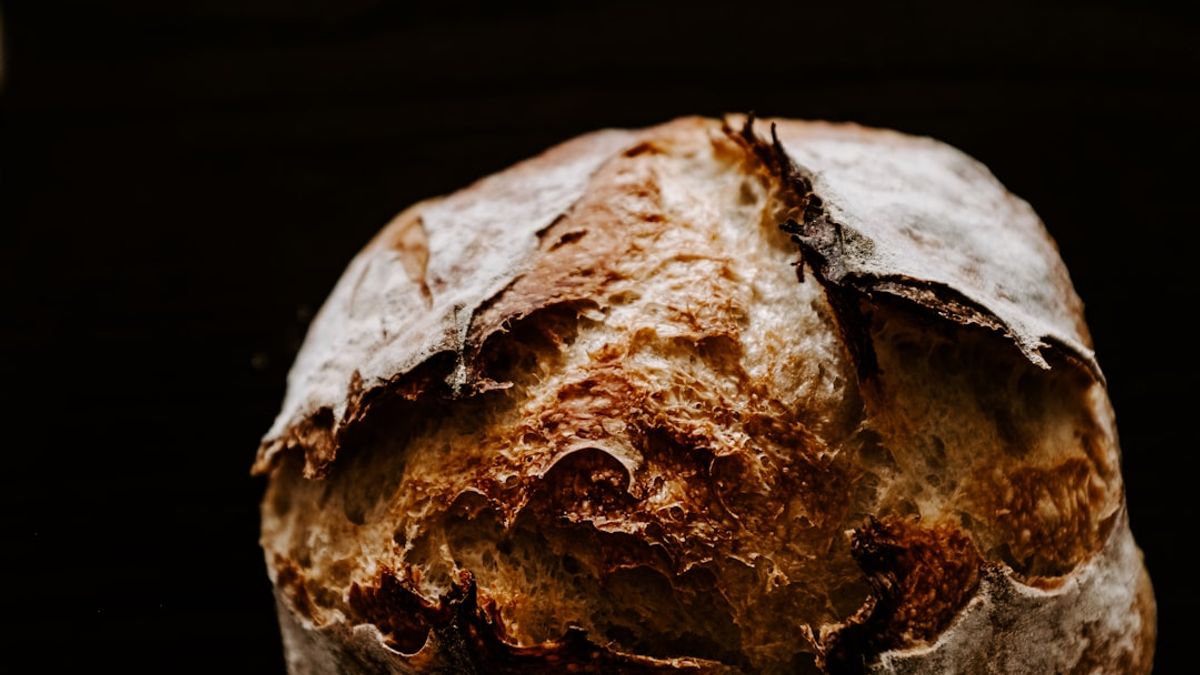
In this comprehensive guide, we’ll demystify yeast, troubleshoot common problems, and give you the confidence to bake beautiful bread every time.
Understanding Yeast
Yeast is a single-celled fungus that feeds on sugars and produces carbon dioxide gas and alcohol as byproducts. In bread baking, this carbon dioxide gets trapped in the gluten network, causing dough to rise. The alcohol evaporates during baking.
Yeast is alive, which means it needs the right conditions to thrive: food (sugars), moisture, warmth, and time. Give yeast what it needs, and it will reward you with perfectly risen dough.
Types of Yeast
Active Dry Yeast
This traditional yeast requires proofing (dissolving in warm water) before use. The granules are coated with dead yeast cells that need to be dissolved away. Proof it in water between 105-110°F with a pinch of sugar; it should foam within 5-10 minutes.
Instant Yeast
Also called rapid-rise or bread machine yeast, instant yeast has smaller granules and can be mixed directly into dry ingredients without proofing. It’s more convenient and often more reliable than active dry yeast. You can use about 25% less instant yeast than active dry.
Fresh Yeast
Also called cake yeast or compressed yeast, this perishable form is preferred by professional bakers for its reliable performance and mild flavor. It must be refrigerated and used within 2 weeks. Use about twice as much fresh yeast as active dry.
Common Yeast Problems and Solutions
Problem: Dough Won’t Rise
This is the most common yeast problem, and several factors can cause it:
Dead yeast: Yeast loses potency over time. Check the expiration date and proof your yeast before using it in recipes. If it doesn’t foam, the yeast is dead and won’t raise your bread.
Water too hot: Water above 120°F kills yeast. Water that feels hot to the touch is too hot. Use a thermometer—water should be between 105-115°F for active dry yeast, up to 120°F for instant yeast mixed with flour.
Water too cold: Cold water won’t kill yeast, but it will slow it down dramatically. If your kitchen is cold, use slightly warmer water and let dough rise in a warmer spot.
Too much salt or sugar: While small amounts of salt and sugar are fine (salt strengthens gluten, sugar feeds yeast), too much of either can inhibit yeast activity. Keep salt away from direct contact with yeast when mixing.
Cold environment: Yeast works best at warm temperatures (75-78°F). In a cold kitchen, dough will rise slowly or not at all. Create a warm spot by turning on your oven light, using a proofing box, or placing the dough near (not on) a warm appliance.
Problem: Dough Rises Too Fast
Dough that rises too quickly often results in bread with large holes, poor structure, or a yeasty taste.
Too much yeast: More yeast isn’t better—use the amount specified in the recipe.
Environment too warm: Keep dough below 80°F for controlled fermentation. If your kitchen is very warm, use cooler water and let dough rise in a cool spot or the refrigerator.
Solution: Slow it down: Slower fermentation develops better flavor. Refrigerating dough slows yeast activity while allowing enzymes to develop complex flavors. Many professional bakers use cold fermentation for superior bread.
Problem: Bread Is Dense and Heavy
Dense bread usually means insufficient gluten development or under-proofing.
Under-kneading: Gluten needs to be developed to trap the gas produced by yeast. Knead until dough is smooth, elastic, and passes the windowpane test (stretches thin without tearing).
Under-proofing: Dough needs time to rise properly. It should roughly double in size during the first rise and pass the poke test before baking—press with a floured finger and the indentation should spring back slowly.
Too much flour: Excess flour creates dense bread. Measure carefully and resist the urge to add too much flour when kneading.
Problem: Bread Collapses
Bread that rises beautifully then falls flat is usually over-proofed.
Over-proofing: If dough rises too long, the gluten weakens and can’t hold the gas. When poked, over-proofed dough doesn’t spring back at all. Watch your dough, not the clock.
Rough handling: Be gentle with proofed dough. Punching it down too aggressively or handling it roughly can collapse the structure.
Problem: Bread Has Large Irregular Holes
Improper shaping: Good shaping creates surface tension that results in an even crumb. Take time to shape dough properly and seal any air pockets.
Insufficient punching down: After the first rise, press out large air bubbles before shaping. This redistributes yeast and creates a more even crumb.
Problem: Bread Has a Strong Yeasty Taste
Too much yeast: Follow the recipe precisely.
Rising too fast: Fast fermentation doesn’t allow time for flavors to develop. Slow, cool rises produce better-tasting bread.
Old yeast: Ironically, old yeast can create off flavors even while still being active enough to raise bread.
Best Practices for Working with Yeast
Storage
Store dry yeast in a cool, dry place or in the freezer for longest life. Frozen yeast can be used directly without thawing. Once opened, yeast loses potency faster—use within 4 months for best results.
Proofing Environment
Create an ideal proofing environment by placing covered dough in a turned-off oven with just the light on, or in a microwave with a cup of hot water. The goal is consistent warmth around 75-80°F.
Testing Readiness
- Finger poke test: Press dough with a floured finger. If it springs back slowly and the indentation remains slightly, it’s ready. If it springs back quickly, it needs more time. If it doesn’t spring back at all, it’s over-proofed.
- Visual cues: Dough should roughly double in size and look puffy and airy.
Measuring Yeast
For consistent results, measure yeast by weight rather than volume. One packet of active dry yeast contains about 7 grams or 2 1/4 teaspoons. One packet of instant yeast is also 7 grams but works slightly faster.
Tips for Guaranteed Success
- Use a thermometer – Remove guesswork from water temperature
- Proof your yeast – Even instant yeast can be proofed for extra insurance
- Don’t rush – Good bread takes time; resist the urge to use more yeast
- Control temperature – Keep dough at consistent, moderate warmth
- Watch the dough, not the clock – Rise times vary based on conditions
- Start with simple recipes – Master basic bread before attempting complex ones
- Take notes – Record what works and what doesn’t in your kitchen
Frequently Asked Questions
Can I substitute different types of yeast?
Yes! For active dry, use 25% less instant yeast. For fresh yeast, use about double the amount of active dry. Proof active dry yeast; instant can go directly into flour.
How do I know if my yeast is still good?
Proof it: dissolve in warm water with a pinch of sugar. It should foam within 5-10 minutes. No foam means dead yeast.
Does salt kill yeast?
Salt doesn’t kill yeast at levels used in bread, but it does slow it down. Avoid putting salt directly on yeast when mixing ingredients.
Can I freeze bread dough?
Yes! Freeze after the first rise, then thaw in the refrigerator overnight and bring to room temperature before shaping and proofing.
Conclusion
Yeast is far less finicky than its reputation suggests. By understanding what yeast needs—moderate warmth, moisture, food, and time—you can troubleshoot problems and consistently bake beautiful bread. Pay attention to temperature, don’t rush the process, and watch your dough rather than the clock.
With practice, working with yeast becomes intuitive. You’ll recognize when dough is properly proofed, understand how your kitchen conditions affect rise times, and know exactly what adjustments to make. Soon, you’ll wonder why yeast ever seemed intimidating at all.
Start with simple recipes, pay attention to the principles in this guide, and enjoy the deeply satisfying process of baking bread from scratch. There’s nothing quite like a warm loaf of homemade bread, and now you have all the knowledge you need to make it happen.
Sources & References
Essential Bread Making Tips
Temperature plays a crucial role in bread making. Yeast thrives between 75-80°F. Too hot kills yeast; too cold slows fermentation. Use an instant-read thermometer to check water temperature before mixing.
Proper kneading develops gluten, creating the structure that traps gas and gives bread its texture. Knead until the dough is smooth and springs back when poked.
Steam during the first few minutes of baking creates a crispy crust. Place a pan of water in the oven or spray the loaf with water before baking.