There’s something magical about perfectly roasted vegetables. When done right, they emerge from the oven with caramelized edges, tender interiors, and concentrated sweetness that transforms even the most vegetable-skeptical eaters into believers. Yet I see so many home cooks struggle with soggy, bland roasted vegetables that nobody wants to eat.
After years of testing and refining my technique, I’ve cracked the code on consistently crispy, flavorful roasted vegetables. The secrets aren’t complicated, but they make all the difference between disappointment and vegetable dishes so good they disappear before the main course hits the table.
Why Most Roasted Vegetables Turn Out Soggy
Before we talk about how to do it right, let’s understand what goes wrong. The most common mistakes are overcrowding the pan, using too little oil, roasting at too low a temperature, and not cutting vegetables uniformly.
When you overcrowd a pan, vegetables steam rather than roast. They release moisture as they cook, and if there’s no space for that moisture to evaporate, you end up with vegetables that are wet and limp rather than crispy and caramelized.
Temperature matters enormously. Below 400°F, vegetables won’t develop that gorgeous brown crust. The Maillard reaction—the chemical process that creates complex flavors and browning—requires high heat. Most professional kitchens roast vegetables at 425-450°F.
Uniform cutting ensures even cooking. When some pieces are twice the size of others, you get some vegetables that are burnt while others remain undercooked.
The Golden Rules of Crispy Roasted Vegetables
Rule 1: High Heat (425-450°F)
Preheat your oven to 425°F minimum, 450°F if your oven runs cool. Don’t rush this step—a properly preheated oven is crucial. I let my oven preheat for at least 20 minutes to ensure the walls and racks are fully heated.
Rule 2: Generous Oil Coating
Vegetables need more oil than you think. A light mist won’t cut it. Each piece should glisten with oil. I use about 2-3 tablespoons of oil per pound of vegetables. The oil conducts heat, helping vegetables crisp and brown.
Rule 3: Single Layer with Space
Spread vegetables in a single layer with space between pieces. They shouldn’t touch. If they don’t fit on one pan, use two. This is non-negotiable for crispy results.
Rule 4: Don’t Move Them Too Soon
Let vegetables develop a crust before stirring. I roast for 15-20 minutes on the first side, then flip. If you stir too frequently, you interrupt the browning process.
Rule 5: Cut Uniformly
Take time to cut vegetables into similar-sized pieces. For root vegetables like carrots and potatoes, aim for 1-inch chunks. For Brussels sprouts, halve them. For cauliflower, break into 1.5-inch florets.
The Best Vegetables for Roasting
Almost any vegetable can be roasted, but some truly shine with this method:
Root Vegetables: Carrots, potatoes, sweet potatoes, parsnips, turnips, and beets all develop incredible sweetness when roasted. Their natural sugars caramelize beautifully.
Cruciferous Vegetables: Brussels sprouts, broccoli, and cauliflower become nutty and sweet. The tight florets develop crispy edges that are addictively delicious.
Squash: Butternut, acorn, and delicata squash caramelize gorgeously. Their dense flesh becomes creamy inside while the edges crisp.
Alliums: Onions, shallots, and garlic turn sweet and jammy. Red onions are particularly beautiful with their charred edges.
Mediterranean Vegetables: Bell peppers, zucchini, and eggplant roast well, though they release more moisture and need careful attention to avoid sogginess.
My Go-To Perfect Roasted Vegetable Recipe
This is my master recipe that works for most vegetables with minor timing adjustments.
Ingredients
- 2 pounds mixed vegetables (see combinations below)
- 3 tablespoons olive oil or avocado oil
- 1 teaspoon kosher salt
- 1/2 teaspoon freshly ground black pepper
- 1 teaspoon dried herbs (thyme, rosemary, or oregano)
- Optional: 3 cloves garlic, smashed
- Optional: 1 tablespoon balsamic vinegar or lemon juice (added after roasting)
Instructions
Step 1: Prep the Vegetables
Wash and dry vegetables thoroughly—excess water creates steam. Cut into uniform 1-inch pieces. For Brussels sprouts, trim stems and halve them. For carrots, peel and cut into 1-inch chunks. For cauliflower, break into florets.
Step 2: Preheat and Prep Pan
Preheat oven to 425°F for at least 20 minutes. Line a large rimmed baking sheet with parchment paper for easy cleanup, though a bare pan gives slightly better browning if you don’t mind scrubbing.
Step 3: Season Generously
In a large bowl, toss vegetables with oil, salt, pepper, and herbs until every piece is evenly coated. Use your hands—it’s the most effective method. Each vegetable piece should glisten.
Step 4: Arrange in Single Layer
Spread vegetables on the baking sheet in a single layer with space between pieces. If they don’t fit comfortably, use a second pan. Remember: space = crispy.
Step 5: Roast Undisturbed
Roast for 20 minutes without touching them. This allows the bottom to develop a golden crust. After 20 minutes, flip vegetables with a spatula and roast for another 15-20 minutes until deeply golden and crispy at the edges.
Step 6: Test for Doneness
Vegetables should be tender when pierced with a fork but still hold their shape. The edges should be deeply browned, almost charred in spots. If they’re not quite there, give them another 5 minutes.
Step 7: Finish with Brightness
Transfer to a serving dish. While still hot, drizzle with a touch of balsamic vinegar or squeeze of lemon juice. The acid brightens the sweetness and adds complexity. Taste and adjust salt if needed.
Timing Guide for Different Vegetables
Different vegetables have different cooking times. Here’s what you need to know:
Dense root vegetables (40-45 minutes): Potatoes, sweet potatoes, beets, turnips. Cut them slightly smaller (3/4-inch) or par-boil for 5 minutes before roasting to reduce time.
Medium-density vegetables (30-35 minutes): Carrots, parsnips, Brussels sprouts, cauliflower, winter squash.
Tender vegetables (20-25 minutes): Broccoli, green beans, asparagus, bell peppers, zucchini, summer squash.
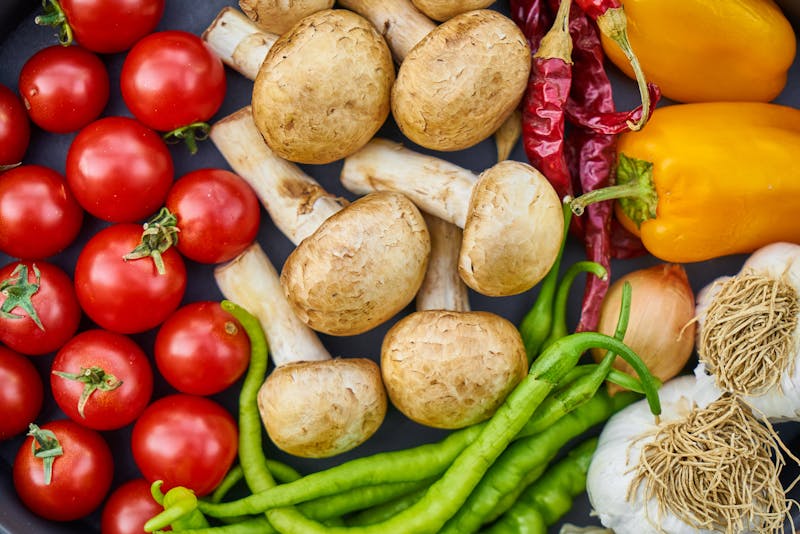
Delicate vegetables (15-20 minutes): Cherry tomatoes, mushrooms, thinly sliced onions.
For mixed vegetable medleys, either cut denser vegetables smaller or add tender vegetables halfway through cooking.
Perfect Vegetable Combinations
Some vegetables are natural partners. Here are my favorite combinations:
Classic Root Vegetable Mix: Carrots, parsnips, turnips, and red onion with thyme and garlic.
Brussels and Sweet Potato: Halved Brussels sprouts and cubed sweet potato with maple syrup drizzled on in the last 5 minutes.
Mediterranean Medley: Bell peppers, zucchini, eggplant, red onion, and cherry tomatoes with oregano and a finish of feta cheese.
Cauliflower and Broccoli: Simple but perfect with just olive oil, salt, pepper, and garlic.
Rainbow Carrots: Multi-colored carrots roasted whole if they’re young and tender, finished with honey and cumin.
Flavor Variations and Seasonings
Once you’ve mastered the basic technique, experiment with these flavor profiles:
Moroccan-Spiced: Cumin, coriander, paprika, and cinnamon. Finish with chopped fresh cilantro and a squeeze of lemon.
Asian-Inspired: Toss roasted vegetables with sesame oil, soy sauce, rice vinegar, and sesame seeds.
Italian Herb: Rosemary, thyme, oregano, and garlic. Toss with fresh parmesan after roasting.
Spicy: Red pepper flakes, smoked paprika, and a pinch of cayenne. Finish with lime juice and cilantro.
Maple-Balsamic: Drizzle with maple syrup and balsamic vinegar in the last 10 minutes of roasting.
Common Mistakes and Solutions
Problem: Vegetables are burnt on outside, raw inside
Solution: You cut them too large or oven too hot. Cut smaller or reduce heat to 400°F and cook longer.
Problem: Vegetables are soft but pale
Solution: Not enough oil or heat too low. Increase oven temperature to 450°F and use more oil.
Problem: Vegetables stick to pan
Solution: Use parchment paper or ensure vegetables are well-oiled before placing on pan.
Problem: Vegetables taste bland
Solution: Not enough salt, or you need to add a finishing element like lemon juice, vinegar, or fresh herbs.
Make-Ahead and Storage
Roasted vegetables are excellent for meal prep. Store cooled vegetables in an airtight container in the refrigerator for up to 5 days. They won’t be as crispy as when fresh, but they’re still delicious.
To reheat, spread on a baking sheet and warm in a 400°F oven for 5-8 minutes. This restores some crispiness better than microwave reheating, which makes them soggy.
You can also freeze roasted vegetables for up to 3 months. Freeze on a baking sheet first, then transfer to freezer bags. Reheat from frozen in a 425°F oven.
Using Roasted Vegetables Beyond Side Dishes
Don’t limit roasted vegetables to side dishes. They’re incredibly versatile:
- Grain bowls: Top quinoa or rice with roasted vegetables, protein, and a tahini or yogurt sauce
- Pasta: Toss with pasta, olive oil, and parmesan for a simple meal
- Salads: Add to green salads for heartiness and flavor contrast
- Sandwiches: Layer in sandwiches or wraps with hummus or cheese
- Pizza: Use as a topping for homemade pizza
- Frittatas: Mix into egg dishes for breakfast or brunch
- Soups: Puree roasted vegetables into creamy soups
Frequently Asked Questions
Do I need to use olive oil specifically?
No! While olive oil is traditional and adds great flavor, you can use any oil with a high smoke point. Avocado oil, grapeseed oil, and even melted coconut oil work well. Extra-virgin olive oil is fine at these temperatures despite myths about its smoke point.
Can I roast frozen vegetables?
Yes, but results vary. Frozen vegetables contain extra moisture, so they’re more likely to steam. If using frozen, don’t thaw them first—roast from frozen. Use slightly higher heat (450°F) and expect them to take a few minutes longer. Pat them as dry as possible before roasting.
Should I cover the pan with foil?
Never! Covering the pan traps moisture, which is exactly what we’re trying to avoid. Always roast uncovered for maximum crispiness.
Can I prep vegetables in advance?
Yes, you can cut vegetables and store them in an airtight container in the refrigerator for up to 24 hours before roasting. Wait to toss with oil and seasonings until right before roasting.
Why do my vegetables stick to the parchment paper?
This happens when vegetables aren’t oiled enough. Make sure every piece is well-coated with oil before arranging on the pan.
Final Thoughts
Mastering roasted vegetables transforms how you eat. Suddenly vegetables aren’t an obligation—they’re the star of the meal. Kids who claimed to hate vegetables will gobble up crispy Brussels sprouts. Weeknight dinners become easier when you can throw vegetables in the oven and walk away.
The key takeaways: high heat, generous oil, single layer, and patience. Follow these principles and you’ll never serve soggy vegetables again.
Start with simple vegetables like Brussels sprouts or carrots until you get the feel for the technique. Once you’ve got it down, roasting vegetables becomes second nature—no recipe needed, just confidence and good instincts.