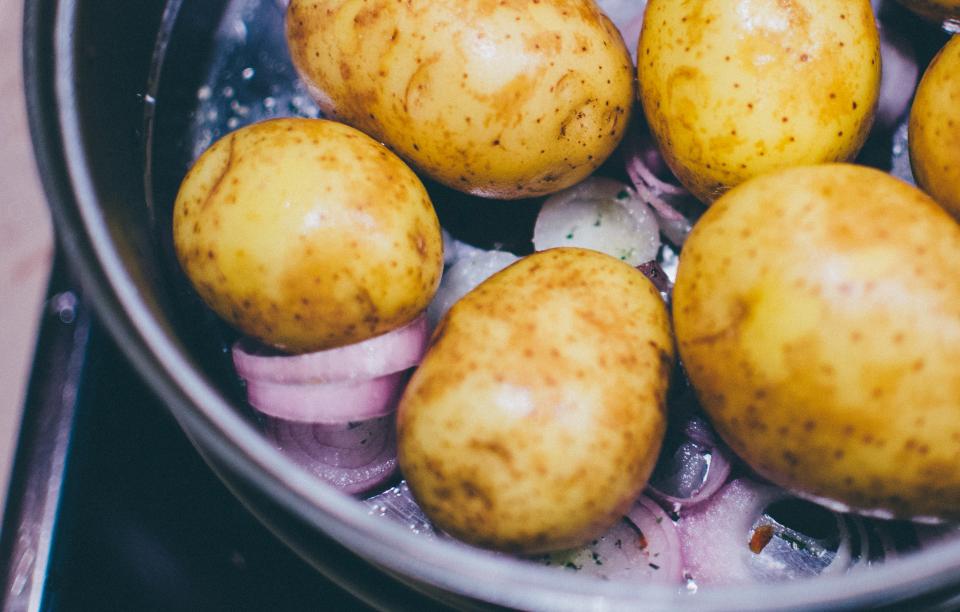
A ten-pound bag of potatoes and a mesh sack of onions go into the same low cabinet in October, because that is the cabinet with room. By December the onions have gone soft in a couple of spots and started to smell sweet in a way onions should not, and half the potatoes have sprouted eyes an inch long. Nothing was left out on the counter. Nothing got wet. They just should not have shared a shelf.
Potatoes and onions fail together for a specific, measurable reason, and it has nothing to do with either one going bad on its own. Potatoes give off moisture as they sit, and that moisture is exactly what makes an onion’s papery skin soften and mold. Onions, in turn, are one of the produce items that speeds up sprouting in anything nearby that is prone to it, and a potato is the classic case.
None of this requires a root cellar, and none of it requires buying equipment. It requires knowing what temperature and humidity each crop actually wants, which two or three ordinary spots in a house get close enough, and how to tell a crop is turning before the whole bag goes.
- Potatoes: 45 to 50F, high humidity, pitch dark
- Onions and garlic: 32 to 40F or room temperature, low humidity, some light is fine
- Winter squash: 50 to 60F, moderate humidity, the opposite of a root cellar’s dampness
- Carrots, beets, turnips: near freezing, very high humidity, need to stay damp
- The one rule: keep potatoes and onions in separate containers, never touching, ideally in separate rooms
- Warning sign: a green tinge or a bitter taste in a potato means throw it out, not trim it
Ethylene is the reason potatoes and onions cannot share a bin
Plenty of produce releases small amounts of ethylene, a gas that ripens fruit and, in a stored potato, triggers sprouting well before it otherwise would. Onions are not a heavy source of it, but the moisture and volatile sulfur compounds they give off do a version of the same damage: they push nearby potatoes toward early sprouting and soft spots.
The traffic runs the other way too. Potatoes hold water close to their skins and release it slowly into whatever surrounds them. Onions are built to stay dry, with papery outer layers that only work as protection when the air around them is dry. Sitting a mesh bag of onions on top of a crate of potatoes puts them in a damp microclimate they were never built for, and mold starts in the neck first.
The fix costs nothing. Separate bins, separate shelves, or at minimum separate paper bags with a few inches of air between them. A shared pantry is fine as long as the two crops are not touching and not stacked.
Potatoes want it cold, dark, and slightly damp
Potatoes stored right through the winter are worth it for a plain reason: cold-stored, high-humidity tubers are what turn a pot of buttery mashed potatoes or a bubbling shepherd’s pie topping into something worth making from scratch instead of settling for a bag from the store. The number that matters for potatoes is narrower than most people assume. Below about 40F, starch inside the potato converts to sugar faster than the plant can use it, and the potato turns unpleasantly sweet and browns oddly when fried. Above roughly 50F, dormancy breaks and the eyes start pushing out sprouts within a few weeks. The workable window sits between those two figures, closer to 45.
Humidity should be high, in the range of 85 to 90 percent, which sounds like a contradiction next to “keep them dry” advice for other crops. Potatoes are underground tubers that shrivel and go rubbery in dry air; they want a damp atmosphere without standing water. A loosely closed paper bag, cardboard box, or perforated plastic bin holds that balance far better than an open bowl on a counter, which loses moisture constantly.
Light is the third variable and the easiest to control. Any exposure to light, even the low light of a kitchen counter, triggers the tuber to produce chlorophyll and, alongside it, solanine, the compound responsible for the green tinge and bitter taste in an old potato. A potato that has turned green under the skin should be discarded rather than peeled and eaten, because the bitterness tracks with the concentration of solanine and a truly green one is not worth the risk. Store potatoes in a container that blocks light completely, not just dims it.
Onions and garlic want the opposite: cold, dark, and dry
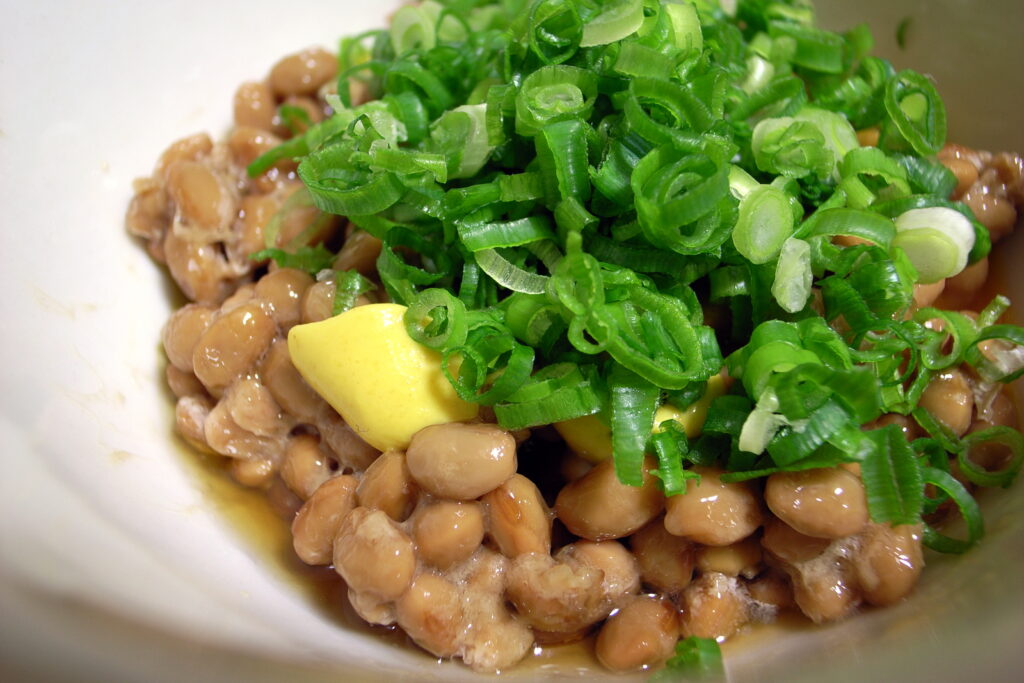
Cured onions, the kind sold with dry, papery skin rather than the fresh bunching kind, keep best somewhere cold and very dry, ideally under 40 percent relative humidity. That is close to the opposite of what a potato wants, which is the whole argument for separate storage rather than a shared root bin.
A mesh bag or a single layer in an open basket works better than a sealed container, because trapped moisture is the enemy here and airflow is the defense. Onions that touch each other in a tight pile also rot faster at the contact points, so spread them rather than heap them where space allows.
A properly stored bag of onions is also most of the way to a good pot of French onion soup, since the long, slow caramelizing that soup depends on works best with onions that have kept their firmness rather than gone soft in storage. Garlic follows the same logic with a narrower comfort zone. It keeps longest around 60 to 65F with low humidity, actually a bit warmer than the ideal for onions, and it sprouts green shoots fast if refrigerated for more than a few days. A cool pantry shelf away from the stove suits garlic better than a refrigerator does.
How to store winter vegetables without a root cellar
A true root cellar holds a narrow temperature range and near-saturation humidity through months of cold weather, and almost nobody has one anymore. The workable substitute is to accept that no single spot in an ordinary house will be perfect for every crop, and to sort vegetables into two or three zones instead of one.
The first zone is cold and humid, for potatoes, carrots, beets, and turnips. The second is cold and dry, for onions and, loosely, garlic. The third is cool and moderate, neither cold nor humid, for winter squash and pumpkins. Almost every house has at least one location that fits each of those descriptions reasonably well, even without a dedicated cellar.
The practical habit that makes this work is checking weekly rather than assuming a spot will hold steady. An unheated garage swings with the outdoor temperature, a closet near an exterior wall drifts a few degrees with the season, and a few minutes with a thermometer once a week catches a drift before it costs a whole bin of vegetables.
| Crop | Temperature | Humidity | Typical keeping time |
|---|---|---|---|
| Potatoes | 45 to 50F | 85 to 90% | 2 to 4 months |
| Onions, cured | 32 to 40F, or room temp | under 40% | 2 to 4 months |
| Garlic | 60 to 65F | under 60% | 3 to 6 months |
| Winter squash | 50 to 60F | 50 to 70% | 1 to 6 months, varies by type |
| Carrots, beets, turnips | 32 to 40F | 90 to 95% | 3 to 6 months, packed damp |
| Cabbage | 32 to 40F | 90 to 95% | 1 to 3 months, wrapped loosely |
Squash and pumpkins keep warm, not cold
Winter squash is the crop most people get backward, because everything else on this list wants cold and squash does not. A butternut or a Hubbard stored at refrigerator temperature actually breaks down faster than one left on a shelf in a spare room, because the cold damages the rind and lets rot start at the surface.
The target is closer to 50 to 60F with moderate humidity, meaning a spot that would feel slightly too warm for a root cellar and slightly too cool for a living room. A guest bedroom that runs cold in winter, a stairwell landing, or a garage shelf that stays above freezing all work. The rind needs to stay intact and dry; a squash with a nick or a soft spot should be used within the week rather than stored, since the damage becomes an entry point for mold.
Curing before storage extends the window meaningfully. A week or two in a warm, dry spot right after harvest or purchase hardens the rind and heals small scratches, and squash cured this way keeps noticeably longer than squash put straight into storage.
Carrots, beets, and turnips like it wetter than you’d guess
Root vegetables without a skin as protective as an onion’s or a squash’s rind lose water fast in dry air, which is why a carrot left loose in a normal refrigerator goes limp within a couple of weeks. The fix is almost the opposite of instinct: pack them in damp sand, damp sawdust, or a perforated bag, so they stay hydrated rather than dry.
A plastic bag with a few holes punched in it, kept in the coldest part of the refrigerator, gets close to the same effect on a smaller scale. The holes matter because sealed plastic traps condensation, and standing water against the vegetable causes rot faster than dry air causes wilting.
A properly stored batch of these roots is exactly what a shepherd’s pie or a winter braise wants underneath the meat, since limp, dried-out carrots contribute nothing to a slow-cooked dish the way firm ones do. Beets and turnips follow the same pattern as carrots, with tops removed before storage. Leafy tops pull moisture out of the root as they sit, so trimming them to an inch above the crown before storing buys real extra weeks.
Three spots in an ordinary house that come close enough
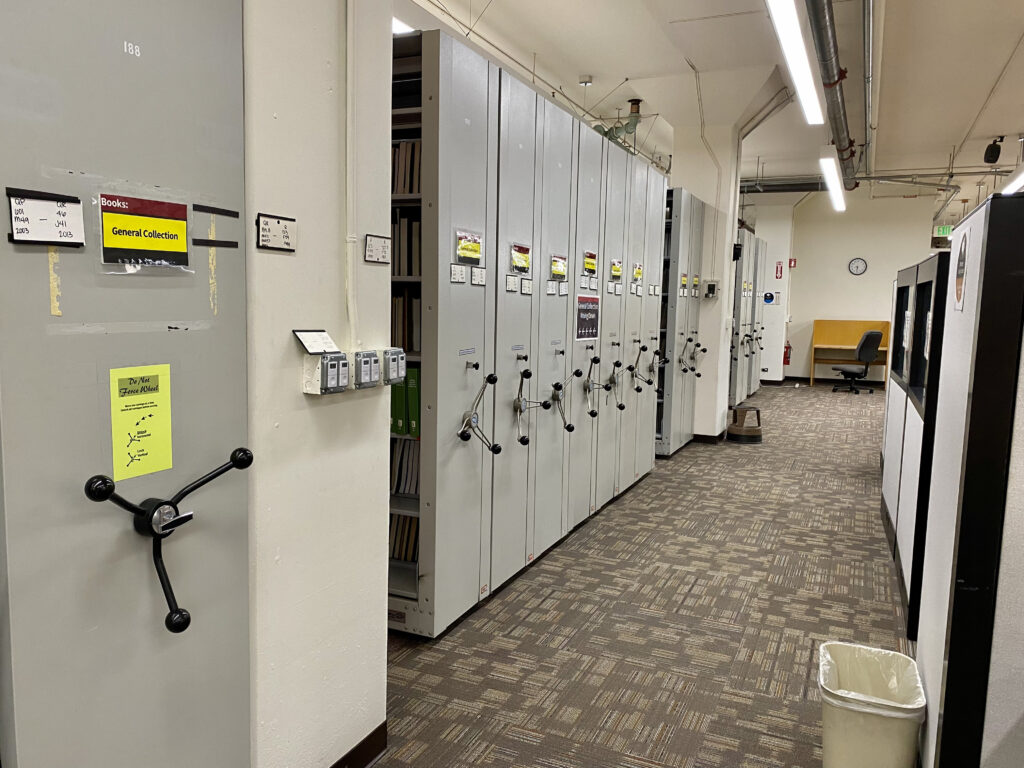
An unheated attached garage is the most common substitute for a root cellar in a house that has one, because it tracks outdoor temperature closely without freezing as hard as the outdoors does. It suits potatoes and onions reasonably well through the coldest months, though a hard freeze warning means moving anything sensitive inside for a night.
A basement stairwell or an unfinished basement corner away from the furnace runs several degrees cooler than the rest of the house and holds humidity better than any upstairs room. This is usually the best all-around spot for potatoes, carrots, and beets, and often too humid for onions, which is exactly why the separate-zone approach matters.
An interior closet on an exterior wall, especially on a north-facing side of the house, stays several degrees cooler than the rest of the home and dry enough for onions and garlic. It is rarely cold enough for potatoes in a mild climate, which is the trade-off of using a closet instead of a true cold space.
Reading the signs before a crop turns
A potato that has sprouted is not automatically ruined. Short sprouts can be broken off and the potato used normally, as long as the flesh underneath is still firm and shows no green. A potato that has gone soft, wrinkled, or green under the skin should be thrown out rather than salvaged, because the bitterness and the solanine that cause it concentrate through the flesh, not just at the surface.
An onion that has started to sprout a green shoot from the top is still usable, and the shoot itself can go into a dish like a scallion. An onion that has gone soft at the neck, or that smells sweet and slightly fermented rather than sharply oniony, has begun to rot from the inside and should not be trimmed and saved.
Squash with a sunken, darkened patch on the rind is past the point of trimming and saving; that patch is almost always mold working from the inside out, invisible until it reaches the surface. Carrots and beets that have gone limp are still edible after a soak in ice water, which is the one item on this list with a genuine rescue.
The fridge crisper drawer is not neutral ground
A refrigerator crisper is built to hold high humidity, which suits carrots and beets and actively harms onions and garlic, both of which mold faster in a cold, damp drawer than they would on an open shelf. Potatoes also do poorly in a standard refrigerator, for the sugar-conversion reason covered earlier, and come out tasting subtly sweet and frying unevenly.
The crisper’s real strength is for anything already cut or peeled. A cut onion wrapped tightly, a peeled and diced squash, or trimmed carrots all belong in the refrigerator regardless of what the whole, uncut version prefers, because cutting removes the natural protection that made room-temperature or cellar storage viable in the first place.
Treat the crisper as a short-term holding zone for prepped vegetables and a poor substitute for cellar-style storage of whole crops. A week is a reasonable expectation for cut vegetables in a crisper; a whole squash or a bag of onions belongs somewhere else entirely.
A five-minute check-and-rotate routine that pays for itself
- Pick one day a week and stick to it. A recurring reminder works better than checking whenever it happens to come to mind, since spoilage in this kind of storage is gradual and easy to miss day to day.
- Pull everything forward and look at what’s in back. The item pushed to the rear of a bin is the one most likely to be forgotten, and it is usually the oldest.
- Sniff before you look, in a closed container. A rotting onion or a soft potato often announces itself by smell before the visible signs are obvious.
- Pull anything with a soft spot immediately, even if the rest looks fine. One compromised potato in a bag speeds up the decline of everything around it.
- Use the oldest stock first, always. A simple front-to-back rotation, restocking new purchases at the back, keeps nothing sitting long enough to become a problem.
Five minutes a week is a small habit against the alternative, which is discovering a bag has gone soft only when the smell reaches the kitchen. The routine matters more than any single storage spot, because even the ideal temperature and humidity only slow decline; they do not stop it.
None of this needs a renovated cellar or a new appliance. A cold garage shelf, a dry closet, and the discipline to keep potatoes and onions in separate containers will carry most households through an entire winter with far less waste than a single shared bin under the sink.
Frequently Asked Questions
Can I store potatoes and onions in the same room if they’re in separate bags?
Yes, as long as the bags are not touching and there is some air movement between them. The problem is direct contact and shared trapped air, not simply occupying the same shelf or the same pantry.
Why did my potatoes turn green in a dark pantry?
Even brief exposure while carrying groceries in or checking the bin under a kitchen light adds up over weeks. Switch to an opaque container, such as a cardboard box or a paper bag folded closed, rather than a mesh or clear bag that lets any light through.
Is it safe to eat a potato after cutting away the green part?
Trimming a small green patch on an otherwise firm potato is common practice, but a potato that is extensively green or tastes bitter after trimming should be discarded whole rather than eaten in part, since the bitterness signals the compound has spread through the flesh.
Do sweet potatoes follow the same storage rules as regular potatoes?
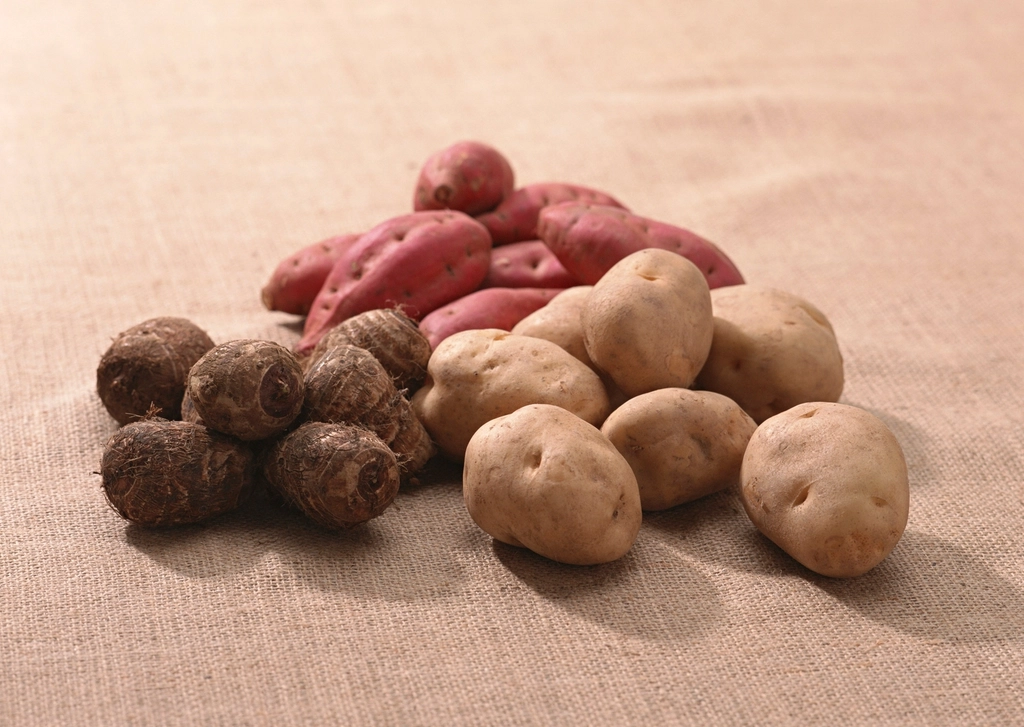
No. Sweet potatoes actually prefer it warmer, around 55 to 60F, and suffer chilling injury below 50F that shows up as pitting and a hard core. Keep them out of the same cold, damp zone used for standard potatoes.
How long can onions actually last in good storage conditions?
Well-cured yellow and red onions kept cold and dry commonly last two to four months, and some storage varieties go longer. Sweet onions with thinner skin and higher water content spoil faster, often within a few weeks, regardless of storage conditions.