A kitchen scale in Bavaria, one in San Salvador and one in Chengdu will all land on the same figure for a head of cabbage headed into a crock: two percent of the vegetable’s weight in salt. Nobody coordinated that. Three cuisines arrived at it separately because below it the jar turns soft and above it the bacteria that matter slow down.
What changes between the three is everything except the number. The Germans shred long and thin and wait a month in a cold room. The Salvadorans chop coarse, add carrot and oregano, and eat it in ten days. The Sichuanese leave the leaves nearly whole and keep a mother brine going for years in a water-sealed crock.
Below is the arithmetic, the three treatments side by side, a procedure that works for any of them, a day-by-day account of what a jar looks like as it goes, and the three smells that mean the batch is finished and not in the good way.
- The number: 20 grams of salt per kilogram of trimmed cabbage, weighed together
- Working range: 1.8 to 2.5 percent; below 1.5 gets soft, above 3.5 stalls
- Temperature: 64 to 70F is the fast lane, 55 to 60F the slow one
- Sauerkraut: fine shred, 3 to 6 weeks cool
- Curtido: coarse chop with carrot and onion, 5 to 10 days warm
- Suan cai: halved or whole leaves in a sealed crock, 3 to 4 weeks
- Start over if: it smells of solvent, of rot, or of nothing at all after a week
Three kitchens, one number on the scale
Sauerkraut, curtido and suan cai are the same preservation problem solved by people who never compared notes. Cabbage is cheap, arrives all at once in autumn, and holds a great deal of water. Salt draws that water out, the water becomes brine, and the brine becomes an environment where only a narrow set of organisms can work.
Two percent is where the cabbage still gives up its liquid readily and the salt-tolerant lactic acid bacteria already on the leaves have a decisive head start over everything else. It is a compromise rather than an optimum, which is why three cultures found it and none of them found something better.
The traditions diverge after that point. German kraut is a keeping food built for a cellar. Curtido is a condiment refreshed weekly. Suan cai is an ingredient, cooked rather than eaten raw, and its crock is treated as a permanent fixture. Same salt, three different jobs.
What two percent actually does to a cabbage
Salt at that concentration pulls water out of the plant cells by osmosis, which is the visible part: a bowl of shredded cabbage collapses to about two-thirds its volume within half an hour of salting. That liquid is the brine, and no water is added to make it.
It also holds the pectin in the cell walls together, which is why an underdosed jar goes limp. And it suppresses most spoilage organisms while leaving lactic acid bacteria comparatively unbothered, since several of the relevant genera tolerate salt far better than the molds and putrefactive bacteria they are competing against.
Those bacteria convert the sugars in the cabbage to lactic acid. The pH falls from around 6 to below 4 over the first two weeks, and once it is under 4.1 the jar is chemically hostile to almost everything, including the organisms responsible for foodborne illness. The salt buys time at the start; the acid does the keeping afterward.
The lacto fermentation salt ratio, weighed rather than measured
Volume is the enemy here. A tablespoon of fine sea salt weighs roughly twice what a tablespoon of flaked salt weighs, so a recipe written in spoons can be off by a factor of two depending on which box is open. Weight removes the argument.
| Trimmed cabbage | Salt at 2% | Salt at 2.5% | Typical yield |
|---|---|---|---|
| 500 g | 10 g | 12.5 g | 1 pint jar |
| 1 kg | 20 g | 25 g | 1 quart jar |
| 2 kg | 40 g | 50 g | 2 quart jars |
| 2.3 kg (about 5 lb) | 46 g | 57 g | half-gallon crock |
| 5 kg | 100 g | 125 g | 5 liter crock |
Weigh the trimmed, shredded cabbage in the bowl, tare the scale, then add salt until it reads two percent of that figure. Any non-iodized salt works. Iodized salt and salt cut with anti-caking agents will both ferment, but the first can slow the culture and the second clouds the brine, so plain sea salt, kosher salt or pickling salt is the sensible default.
Cut size is the variable that changes everything else
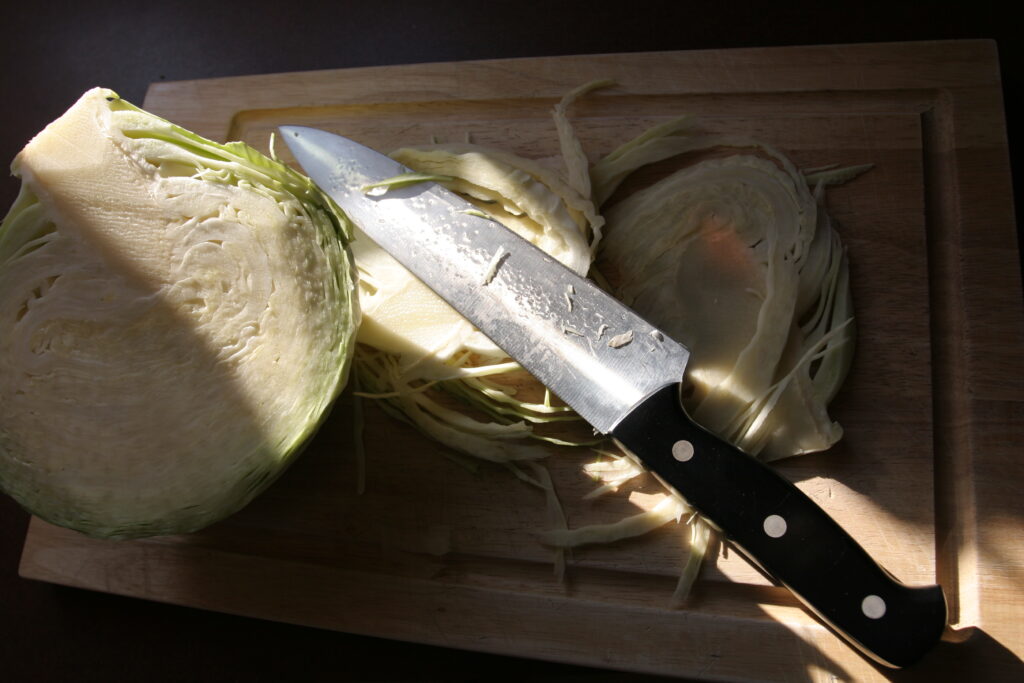
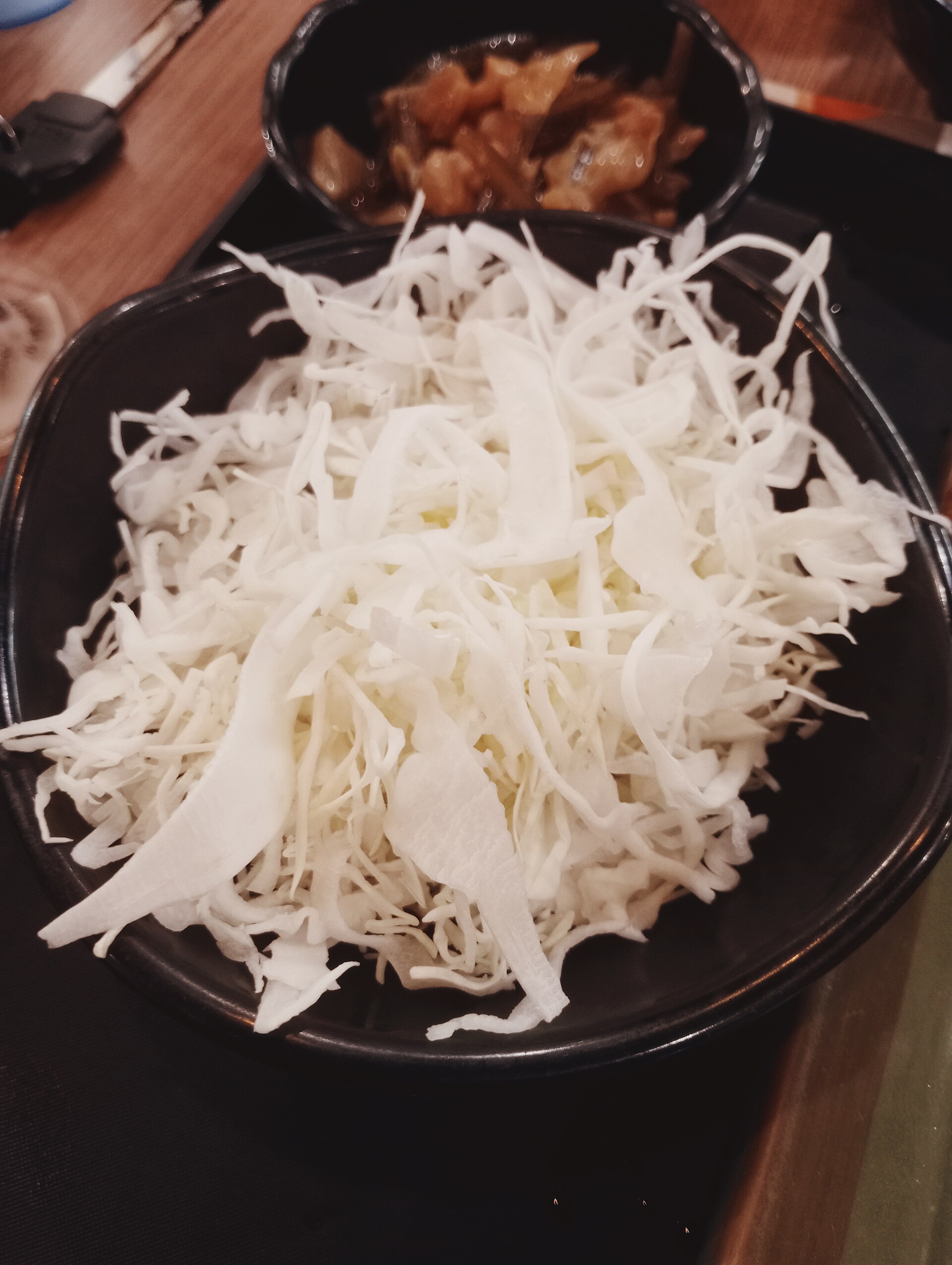
A fine shred has enormous surface area. It releases brine in twenty minutes, ferments fast, and softens fast, which is why kraut is cut thin and then kept cold to slow it back down. A coarse chop releases brine more slowly and holds its bite for months.
Whole or halved leaves are the extreme case. They barely weep at all on their own, which is why the Sichuan method adds a little brine or starchy rice water to get the level up above the vegetable. In exchange, the leaves stay structurally intact through a month in the crock and come out of it able to survive a hot wok.
The practical rule: the finer the cut, the cooler the room and the shorter the ferment. Thin shreds at 72 degrees will be sour in nine days and mushy in twenty. The same cabbage cut in half-inch ribbons at 60 degrees is still crunchy at six weeks.
Sauerkraut: long shreds, caraway, and a cold room
German kraut uses white or pointed cabbage cut to about two millimeters, salted at two percent, and worked with the hands for five to ten minutes until the bowl has an inch of liquid in the bottom. Nothing else is required, and caraway is the only addition that is close to universal.
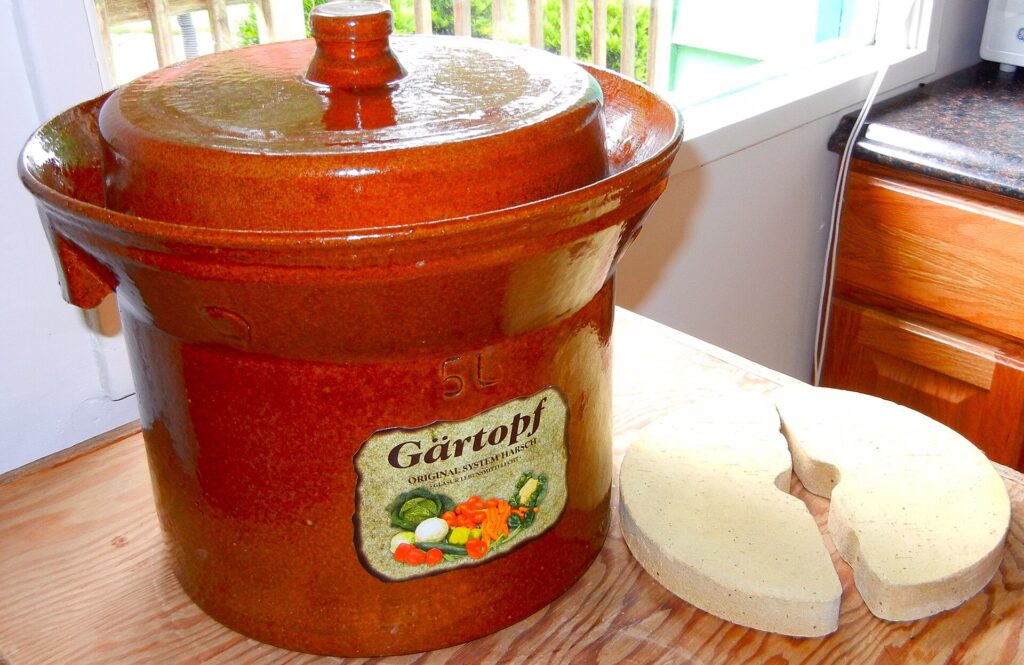
The traditional vessel is a stoneware crock with a water-filled channel around the rim, which lets carbon dioxide out and nothing back in. A wide-mouth jar with the cabbage held under the brine by a glass weight does the same job at a smaller scale, and a loose lid burped daily is a serviceable substitute.
The cool cellar is the part most home versions get wrong. At 55 to 60 degrees the ferment takes four to six weeks and produces the layered, faintly winy flavor that separates good kraut from sour cabbage. At 75 degrees it is done in twelve days and tastes flat and sharp. Cabbage cooked fresh has none of this, which is the entire point of the exercise.
Curtido: coarse chop, carrot and oregano, ten days
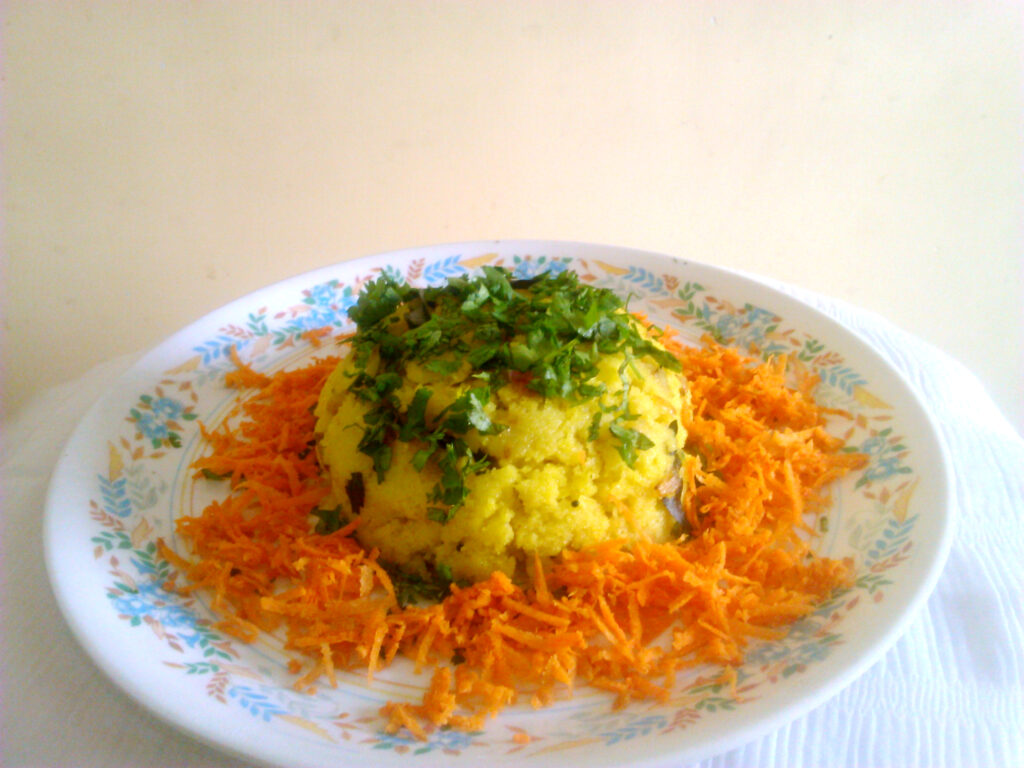
Salvadoran curtido is cut in ribbons three to four times thicker than kraut, mixed with grated carrot, sliced onion, dried oregano and often a whole chile or two, then salted at the same two percent. It is served on pupusas, and the texture it needs is crisp rather than tender.
Because it is eaten young, some households skip the ferment entirely and pour hot vinegar brine over the vegetables instead. The two products are not the same. The vinegared version is ready in an hour and tastes of vinegar; the fermented version takes five to ten days at room temperature and tastes of the cabbage.
Oregano and carrot both bring sugars into the jar, so a curtido tends to bubble harder and earlier than a plain kraut. Ferment it at 68 to 72 degrees, taste from day four, and move it to the refrigerator the moment the sourness is where you want it, because the window between right and too far is about three days at that temperature.
Suan cai: near-whole leaves and a mother brine
The Sichuan version is made in a glazed crock with a water-sealed rim, and the cabbage goes in halved or in large pieces rather than shredded. Salt is added at the same rate by weight, and a little cooled boiled water or the cloudy water from rinsing rice goes in to bring the liquid over the top of the vegetables.
The distinguishing feature is the brine itself. A working household crock is not emptied; a portion of the old brine stays behind and seeds the next batch, so the culture is inherited rather than started fresh. That brine is why an established crock ferments faster and tastes more complex than a first attempt.
Aromatics vary by household and usually include ginger, Sichuan peppercorn, a dried chile and sometimes a splash of baijiu. The finished cabbage is sour, firm and salty, and it is almost always cooked, in a fish soup, with pork belly, or in a stir-fry. Cabbage treated as a main ingredient behaves very differently once it has been through a crock.
The method, scale to jar
- Discard the outer leaves and reserve two clean ones. The reserved leaves go on top later as a cap. Do not wash the cabbage aggressively; the bacteria you want live on it.
- Quarter, core, and cut to the size the style calls for. Two millimeters for kraut, a quarter inch for curtido, halves or quarters for suan cai.
- Weigh the cut cabbage in a large bowl and calculate two percent. A kilogram of cabbage takes 20 grams of salt. Write the number down before you pour.
- Add the salt and any dry aromatics, then work it with your hands. Five to ten minutes for a shred, longer for a coarse chop. It should go from dry and squeaky to wet and slack.
- Let it stand 20 to 30 minutes and work it once more. The second pass is where the last of the brine comes out, and skipping it is the usual reason a jar comes up short of liquid.
- Pack into the jar in fistfuls, pressing hard after each one. You are driving out air pockets. The brine should rise above the cabbage as you press.
- Top with the reserved whole leaves and a weight. A glass fermentation weight, a small jar of water or a clean stone all work. Nothing may float.
- Check the brine level. If it does not cover the weight, wait two more hours. Only if it is still short, add brine made at the same 2 percent, meaning 20 grams of salt per liter of water.
- Cover loosely or fit an airlock, and set the jar on a plate. The first week overflows more often than not. Cover it against light with a cloth.
- Hold it at the temperature the style wants and taste from day four. Use a clean utensil every time, press everything back under the brine afterward.
- Refrigerate when it tastes right. Cold does not stop the ferment, it slows it to a crawl, which is exactly what you want once the flavor has arrived.
Day by day, and what each stage looks like
| Stage | What you see | What you smell | Action |
|---|---|---|---|
| Days 1 to 2 | brine rises, few bubbles | raw cabbage | keep it submerged |
| Days 3 to 5 | steady bubbling, brine turns cloudy | sharp, faintly sulfurous | burp daily, expect overflow |
| Days 6 to 10 | bubbling slows, brine clears a little | sour, clean, recognizable | start tasting; curtido may be done |
| Days 11 to 21 | quiet surface, color fades toward straw | rounded, less aggressive | suan cai and fast kraut are ready |
| Weeks 4 to 6 | no visible activity | winy, complex, mellow | cold-room kraut peaks here |
The sulfurous smell around day four alarms people every time. It comes from sulfur compounds in the brassica and it passes. A white film on the surface at this stage is usually kahm yeast, which is harmless, tastes musty, and should be skimmed rather than stirred in. The wider pattern of what bacteria do in a jar holds across all three of these.
The three smells that mean start over
Solvent, acetone or nail polish. That is not lactic acid. It points to a ferment that went too warm or ran out of usable sugar and let the wrong organisms take over. It does not improve with time.
Rot, sewage or sulfur that keeps getting worse. Early sulfur fades; sulfur that intensifies past the first week, especially alongside a slimy or stringy brine, means the batch failed. Slime that pulls into threads when you lift a piece is the clearest single signal.
Nothing at all after seven days. A jar with no smell, no bubbles and no sourness never started. Usually the salt was overdosed, the room was too cold, or the cabbage was old enough to have lost its surface population. Discard it rather than waiting.
Fuzzy mold in black, pink, green or blue on the surface is the visual counterpart, and it is a different case from kahm yeast. Anything fuzzy or colored means the whole jar goes out, not just the top inch, since mold sends structures down through soft food you cannot see. On the other side, brine that has gone properly sour and reads below pH 4 is a genuinely inhospitable place, and vegetable ferments held under brine at that acidity are not a botulism risk. That risk belongs to sealed low-acid preserves and to garlic or herbs held in oil, which is a different technique with different rules.
Temperature sets the clock
Every timing above assumes a room. Move the jar ten degrees warmer and the schedule roughly halves; ten degrees cooler and it roughly doubles. The bacterial succession also shifts, and that changes flavor rather than just speed.
Warm ferments, above 72 degrees, favor the later, more acid-tolerant species and skip much of the early stage that produces the aromatic byproducts. The result is sour without much else going on, and the texture softens noticeably faster. Below 55 degrees the process is reliable but slow enough that a kraut may need two months.
An unheated pantry, a garage in October or the bottom of a cool cupboard all work better than a kitchen counter next to a stove. If the only available spot is warm, cut the cabbage coarser, taste from day three, and plan on a shorter ferment rather than fighting the room.
Storage, and how long each one keeps
Refrigerated and kept under its brine, a finished kraut holds its quality for six months and stays safe considerably longer, though it slowly softens and dulls. Curtido is at its best in the first month. Suan cai from a maintained crock is treated as a standing ingredient and pulled from as needed.
Three habits protect all three. Keep the vegetables under the liquid, always, including after every time you take some out. Use a clean fork rather than the one from the drawer that was in the sink. And keep the jar closed in the refrigerator, since the surface is where problems start.
Freezing works and costs you the texture, so it is worth doing only for a batch that got away from you and is heading into something cooked. Canning finished kraut in a boiling water bath is the traditional shelf-stable route and it kills the live cultures, which is a trade some people are happy to make and others are not.
Twenty grams per kilogram, everything under the brine, and a room that is cooler than the one you cook in. The three traditions disagree about the knife and about the calendar, and about nothing else that matters.
Frequently Asked Questions
Can I use less salt than two percent?
You can go to about 1.5 percent and still get a workable ferment, and it will be softer and it will move faster than you expect. Below that the competitive advantage the salt provides gets thin, the texture goes, and the failure rate climbs. If the finished product tastes too salty, rinse it before serving rather than underdosing the jar.
Why is my brine cloudy?
Cloudy brine is normal and usually a good sign, since the haze is the bacterial population you were trying to grow plus starch released from the cut surfaces. Clear brine at day five, with no bubbles, is the more worrying picture. What matters is smell and texture, not clarity.
Do I need a special crock or an airlock?
Sauerkraut was made for centuries in vessels with no seal at all. An airlock reduces surface yeast and means less burping, and a plain jar with a weight and a loose lid works if you are willing to skim. The weight matters much more than the lid does.
Can I ferment red cabbage the same way?
Yes, at the same two percent, and the color will shift toward magenta as the pH drops because the anthocyanins in red cabbage act as an indicator. It is denser than white cabbage, so it takes more work to get the brine out and it stays firm longer. Expect a slightly longer ferment.
What do I do with the brine at the end?
Keep it. A few spoonfuls will start the next batch faster, it makes a sharp addition to a vinaigrette or a bloody mary, and it is the right liquid for loosening a slaw. Do not use it to top up a jar that is already fermenting well, since you will be adding acid before the early stage has had time to run.