Walk through Ho Chi Minh City at lunch and the smell of grilled pork and pickled vegetables fills the streets — banh mi vendors making the Vietnamese sandwich that conquered global food culture in the 2010s. The combination is French-colonial in structure (baguette + pâté + mayo) but Vietnamese in soul (fish sauce + pickle + herbs + chile). The result is the most balanced sandwich in any cuisine.
This article is the canonical Saigon-style banh mi with caramelized pork, quick-pickled daikon-carrot, real pâté, and Maggi seasoning. The whole production takes 25 minutes plus the 15-minute pickle and marinade. Once you understand the structure, you can swap any protein (chicken, tofu, meatballs, fried egg) and the sandwich works.
Quick Read — At a Glance
| Yield | 4 sandwiches |
| Total time | 25 min (after 15-min pickle) |
| Difficulty | Intermediate |
| Texture | Crispy baguette, juicy pork, crunchy pickle, fresh herbs |
| Critical | Quick-pickle the daikon-carrot — non-negotiable acid balance |
Banh Mi Anatomy
The sandwich is 5 layers: bread (Vietnamese-French baguette), spread (pâté + mayo), protein (pork/chicken/tofu/meatballs), pickle (daikon + carrot), fresh (cucumber + cilantro + jalapeño + Maggi). Each layer is necessary. Skipping pickle = unbalanced sweetness. Skipping pâté = no umami. The architecture is what makes the sandwich work, not any single ingredient.
Quick-Pickle Method
Daikon and carrot julienned, tossed with rice vinegar + sugar + salt, left 15 minutes minimum (overnight better). The pickle provides the bright acid that cuts through the rich pork and mayo. Without it, the sandwich is one-note. Make ahead — pickles keep 2 weeks refrigerated and improve over time.
Ingredients
- 4 short French baguettes (or 1 long, cut in 4)
- 450 g pork shoulder or pork belly, thin sliced
- 3 tbsp soy sauce
- 2 tbsp fish sauce
- 2 tbsp sugar
- 2 garlic cloves, minced
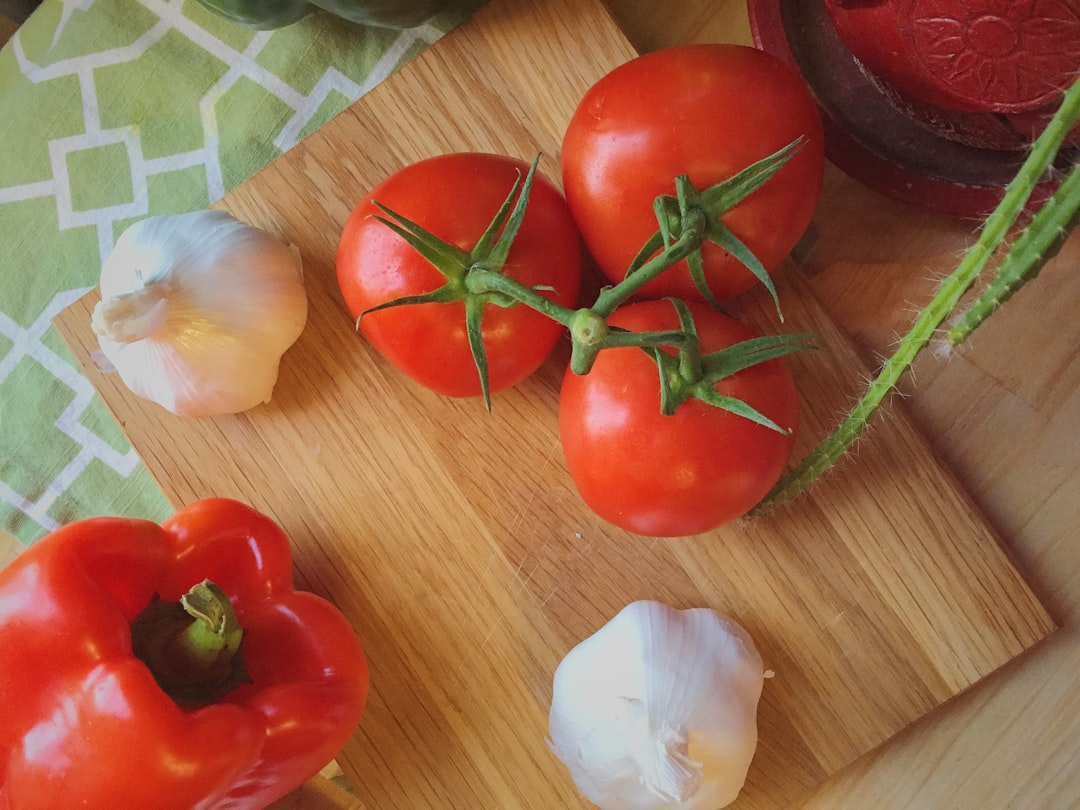
- For quick pickle: 1 daikon + 1 carrot julienned, 60 ml rice vinegar, 2 tbsp sugar, 1 tsp salt
- 60 g pork pâté (or substitute liver mousse)
- 4 tbsp Kewpie mayonnaise (or regular + 1 tsp sugar)
- 1 cucumber, julienned
- Cilantro sprigs
- 1 jalapeño, thin sliced
- Maggi seasoning sauce (optional)
Making It
- Quick pickle. Daikon + carrot + vinegar + sugar + salt. 15 min minimum.
- Marinate pork. Soy + fish sauce + sugar + garlic, 15 min.
- Sear pork. High heat skillet, 3-4 min, caramelized edges.
- Toast baguettes. Cut, brief sear in dry skillet.
- Spread. Pâté bottom, Kewpie mayo top.
- Layer. Pork, pickle (drained), cucumber, cilantro, jalapeño.
- Maggi dash. Close, press. Serve immediately.
Frequently Asked Questions
Why French baguette?
Vietnam French colonized 1887-1954. The baguette was adapted to rice flour = lighter airier version that defines banh mi. American sourdough too dense. Vietnamese-style from Asian markets ideal.
Pate substitute?
Skip if vegetarian — but it adds umami depth. Substitute: 1 tbsp miso + 1 tbsp soft butter. Or chicken liver mousse from deli.
What’s Maggi?
Hydrolyzed-protein liquid umami booster. Adopted during French era. 3-4 drops max. More = too salty.
Vegetarian version?
Marinated firm tofu, pan-fried caramelized. Extra pickle. Skip pâté or use miso-butter.
Sources
- Serious Eats — Banh Mi — Vietnamese sandwich anatomy.
- The Kitchn — Banh Mi Guide — Layered approach.
- USDA FoodData Central — Nutritional data.
Each sandwich contains roughly 585 calories, 28 g protein, 22 g fat, 62 g carbs.
Please note: Contains gluten, soy, fish (fish sauce), pork, eggs (mayo). Not suitable for these allergies. Consult dietitian.