There is a particular cocktail mistake that defines American chain-restaurant margaritas. The bartender uses a pre-made sour mix from a plastic bottle, adds tequila and a sloppy splash of orange liqueur, and serves it over crushed ice with a sad lime wedge. The result is uniformly cloying, sweet without depth, and tasting nothing like the bright fresh lime-and-tequila cocktail that the classic margarita actually is. The bottled-sour-mix margarita is what most Americans know. The fresh-lime 3-2-1 margarita is what serious bartenders pour, and the difference is dramatic.
The classic margarita was invented somewhere between Tijuana and Galveston in the late 1930s or early 1940s – the actual origin is disputed and probably multiple. The drink standardized in the 1950s as American tourist-bar culture spread along the Mexico border. The 3-2-1 ratio (3 parts tequila, 2 parts fresh lime, 1 part Cointreau or triple sec) became the bartender standard by the 1970s and has not changed since.
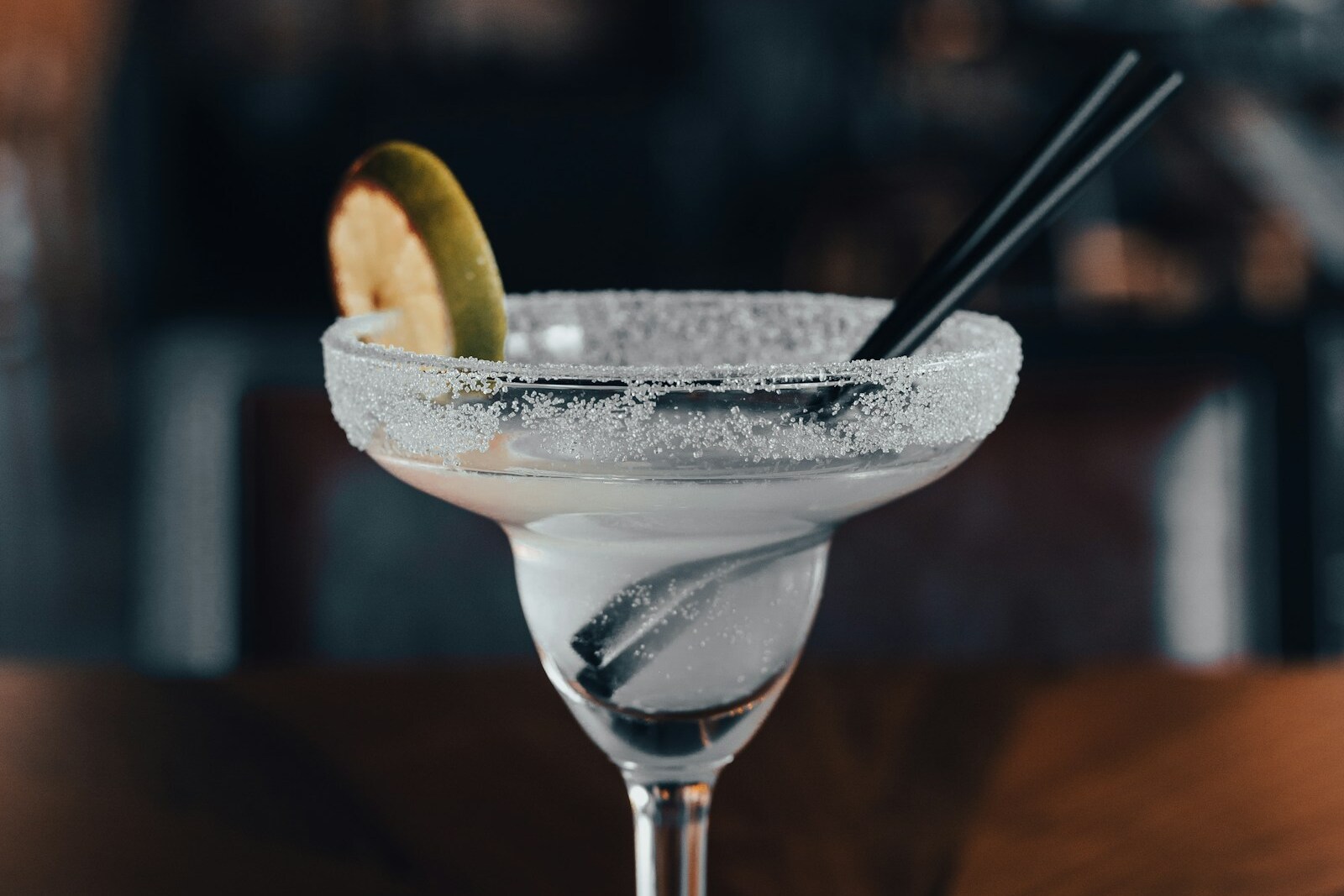
This article is the canonical 3-2-1 margarita – fresh lime, quality blanco tequila, Cointreau, hard shake, salt rim. The whole thing comes together in 3 minutes and tastes infinitely better than the chain-restaurant version. The rest covers exactly what each ingredient choice means and how to scale for a Cinco de Mayo party.
Blanco Tequila: The Right Choice
Blanco (or silver) tequila – clear, unaged, made from 100% blue agave – is the bartender standard for margaritas. The fresh agave flavor cuts through the lime and orange. Aged tequilas (reposado, anejo) work in margaritas but produce a heavier, oakier drink that some prefer.
Brands: Espolon Blanco ($25, excellent value), Casamigos Blanco ($45, smooth), Patron Silver ($55, the standard). Avoid: mixto tequila (less than 100% agave – often labeled “Tequila Gold” or anonymous bottles for $15), Jose Cuervo Gold (a mixto, despite popularity). For $25 to $40 per bottle, you can make great margaritas all night.
Fresh Lime Juice, Always
The bottled green lime juice produces inferior margaritas. Squeeze fresh limes every time. About 1.3 oz of juice per drink, or roughly 1 large lime. Roll limes on the counter to break their cell walls and release more juice. Use a citrus juicer or hand-press for efficient extraction.
Limes vary – look for limes that feel heavy for their size (more juice). Yellower limes have more juice but slightly less acid; bright green limes are sharper. Either works. Avoid Key limes for margaritas – too small, too tart, wrong flavor profile.
The Cointreau Difference
Cointreau is a clear, premium triple sec from France – bright pure orange flavor, dry rather than sweet. The standard for margaritas in serious bars worldwide. Generic triple sec ($8-15) varies wildly in quality – much of it is cloyingly sweet with artificial orange flavor. Spending the extra $15 on Cointreau ($35) is the most important cocktail-cabinet upgrade.
Grand Marnier (cognac-based, $45) produces a heavier, sweeter margarita called the Cadillac Margarita. Some prefer it, especially for sipping rather than mixing. For everyday classic margaritas, Cointreau is the right answer.
Ingredients
- 60 ml (2 oz) blanco tequila
- 40 ml (1.3 oz) fresh lime juice (about 1 large lime)
- 20 ml (0.7 oz) Cointreau
- Lime wedge for rimming
- Kosher salt or flaky Maldon, for rim
- Large ice cubes
- Lime wheel, for garnish
Making It
- Rim glass. Rub lime wedge around rim of chilled coupe or rocks glass. Press into salt.
- Shaker + ice. Fill cocktail shaker with large ice cubes.
- Add liquids. Tequila, fresh lime juice, Cointreau.
- Hard shake. 12-15 seconds. Shaker should become very cold.
- Strain. Into salt-rimmed glass. Add fresh ice if serving on rocks (skip ice for up).
- Garnish + serve. Fresh lime wheel. Serve immediately.
Frequently Asked Questions
What is the 3-2-1 ratio?
3 parts tequila, 2 parts fresh lime juice, 1 part orange liqueur. For a single drink: 2 oz tequila, 1.3 oz lime, 0.7 oz Cointreau.
Cointreau vs triple sec vs Grand Marnier?
Cointreau is the bartender standard – clear premium triple sec, balanced. Cheap triple sec produces syrupy result. Grand Marnier makes the heavier Cadillac Margarita. Cointreau is the canonical choice.
Fresh lime vs bottled?
Fresh, non-negotiable. Bottled has preservatives and lacks the brightness. 1 large lime = 1.5 oz juice. Roll limes on counter before cutting.
Up vs rocks vs frozen?
Up is bar-standard (chilled but not diluted). Rocks is casual (fresh ice). Frozen is a different dish – sweeter, dessert-like.
Sources
- Serious Eats — Best Margarita — Detailed proportion analysis.
- Liquor.com — Classic Margarita — Bartender industry standard.
- USDA FoodData Central — Nutritional data.
Each cocktail contains roughly 245 calories, 0 g protein, 15 g carbs, ~25 ml pure alcohol.
Please note: Contains alcohol. Not suitable for pregnancy, alcohol abstention. Drink responsibly. Designated driver always.

Elena Vasquez
Elena learned to bake from her abuela on a family farm in the south of Spain - wood-fired ovens, breakfast bread before sunrise, and a tia who taught her pastry between long lunches with cousins. At CookingZone she develops desserts, pastry, breakfast, healthy recipes, and beverages - from protein-rich morning bowls to classic French patisserie and viral bakery hits. She still tests every dessert on the same crew of family and friends before it makes it onto the site.