A recipe calling for eight cups of bread cubes sounds precise until two different loaves are cut into cubes and measured into cups. One loaf, dense and tightly crumbed, fills eight cups with nearly double the actual bread mass of a light, airy one cut the same way.
That gap is the reason stuffing turns out soggy for one cook following a recipe exactly and dry for another cook following the same recipe just as carefully. The cup measurement was never measuring bread; it was measuring air pockets that vary wildly depending on the loaf.
Weighing the bread instead removes that variable entirely. A pound of bread is a pound of bread regardless of how airy the loaf is, and once the actual mass is known, the amount of liquid, egg, and fat that balances it becomes a real, repeatable ratio rather than a guess dressed up as a recipe.
- The problem: bread density varies by a factor of two or more between loaf types
- The fix: weigh the bread in grams or ounces, not cups
- Working ratio: about 1 cup of liquid per 4 ounces of dried bread
- Stale bread matters: fresh bread absorbs liquid unevenly and turns to paste
- Egg count: roughly 1 egg per pound of bread for structure without heaviness
- Bake method: covered first for moisture, uncovered at the end for a browned top
- Food safety, if stuffed inside a bird: the stuffing itself must reach 165F, checked separately from the meat
The stuffing bread to liquid ratio that actually works
| Dried bread weight | Liquid (stock plus egg) | Butter | Yield |
|---|---|---|---|
| 8 oz (about 227g) | 1 cup | 2 tbsp | 4 to 5 servings |
| 1 lb (about 454g) | 2 cups | 4 tbsp | 8 to 10 servings |
| 1.5 lb (about 680g) | 3 cups | 6 tbsp | 12 to 14 servings |
This holds regardless of what kind of bread is used, since the ratio is built on weight rather than volume. A dense sourdough and a light white sandwich loaf, both weighed to 8 ounces once dried, take the same cup of liquid to reach the same finished texture, even though a cup measurement of each would have looked completely different before drying.
Why cups fail and weight does not
A cup measures volume, and volume is determined as much by the size and shape of the air pockets in a loaf as by the actual bread mass filling that cup. A hearty country loaf, cut into cubes, packs more densely into a measuring cup than a soft, airy sandwich loaf cut the same way, meaning the same cup measurement of each contains a genuinely different amount of bread.
A kitchen scale removes that ambiguity entirely. Eight ounces of bread is eight ounces of bread whether it comes from a baguette, a country loaf, or a bag of pre-cubed stuffing mix, and once that number is fixed, the amount of liquid needed to properly moisten it without turning it to paste follows a consistent, repeatable ratio.
This is the same principle that makes weighing flour more reliable than scooping it by the cup in baking generally, the kind of precision that keeps a quick buttermilk soda bread consistent from one batch to the next; volume measurements of anything with variable density carry built-in error that a scale simply does not have.
Why the bread needs to be stale first
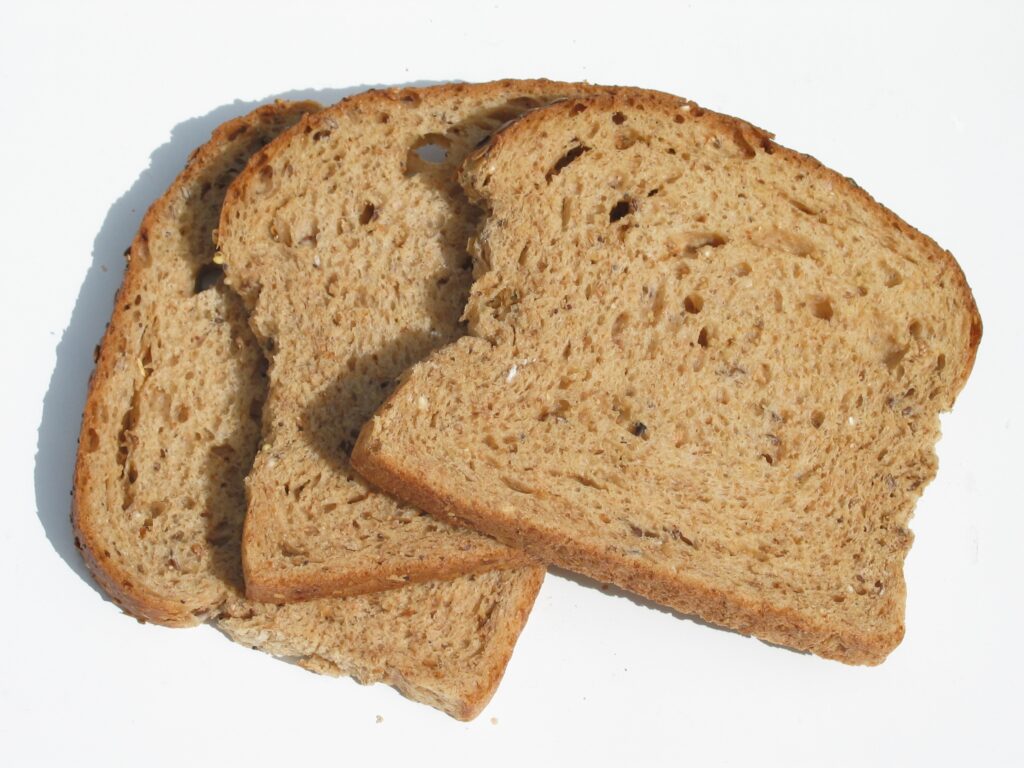
Fresh bread is soft and still holds a good deal of moisture from baking, which means it absorbs added liquid unevenly: some pieces soak up stock quickly and turn to mush, while others, slightly more resistant, stay drier and never fully take on flavor. The overall result is inconsistent from bite to bite.
Bread left out to dry for a day, or dried deliberately in a low oven for twenty to thirty minutes, has already lost much of that internal moisture, which means it absorbs the stuffing’s added liquid more evenly and predictably across every cube. It also holds its shape better during baking, rather than collapsing into a uniform paste.
Cutting the bread into cubes before drying, rather than drying a whole loaf and cutting it afterward, dries it faster and more evenly, since more surface area is exposed to the air or the oven’s low heat at once.
How much egg, and what it actually does

Roughly one egg per pound of dried bread provides enough protein structure to bind the stuffing together into cohesive, sliceable portions rather than a loose pile of individually soggy cubes, without adding so much egg that the texture turns dense and custard-like rather than bready.
The egg’s job here is similar to what it does in a bread pudding: proteins set as they heat, locking the moistened bread cubes into a stable structure. Too little egg and the stuffing falls apart when served; too much and it takes on a heavier, more solid texture that loses the light, absorbent quality good stuffing should have.
A stuffing made without egg at all, for a household avoiding it, still works reasonably well and holds together more loosely, closer to a savory bread salad than a sliceable casserole, which some cooks actually prefer.
Building the stuffing, step by step
- Cube the bread and let it dry, either overnight uncovered or in a 300F oven for 20 to 30 minutes. It should feel hard and dry throughout, not just on the surface.
- Weigh the dried bread. This is the number the rest of the recipe scales from.
- Sauté aromatics, typically onion and celery, in butter until softened. This is also where fresh or dried herbs go in, cooked briefly to release their flavor into the fat.
- Whisk the stock and egg together separately before combining with the bread. Pre-mixing avoids pockets of straight egg landing unevenly on the bread.
- Toss the dried bread with the sautéed aromatics, then pour the stock-and-egg mixture over gradually, tossing as you go. Every cube should look moistened but not saturated or dripping.
- Transfer to a buttered baking dish and cover tightly with foil. The covered stage steams the stuffing through evenly.
- Bake covered at 350F for about 30 minutes, then uncover for a final 15 to 20 minutes. The uncovered stage is what browns and crisps the top.
The covered-then-uncovered bake, and why both stages matter
Baking covered first traps steam directly against the stuffing, which helps the interior finish cooking through evenly without drying out at the edges before the center has caught up. Skipping this stage and baking uncovered the entire time tends to produce a dry, tough top layer well before the middle is fully done.
Removing the foil for the final stretch lets the surface lose moisture and brown, developing the crisp, slightly crunchy top that distinguishes good baked stuffing from a soft, uniformly moist casserole. This is a texture contrast worth preserving deliberately, not an accident of overbaking.
A stuffing that comes out uniformly soft with no browned top at all was likely left covered the whole time; one that comes out dry and hard throughout probably skipped the covered stage or spent too long uncovered relative to how much liquid it started with.
Stuffing inside the bird versus baked separately: the safety difference
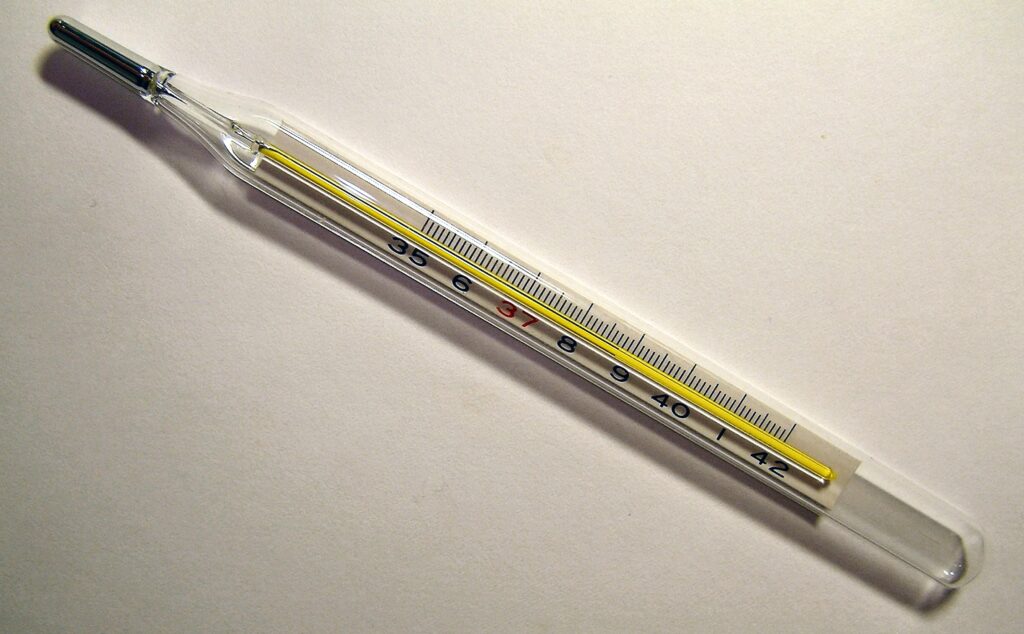
Stuffing baked inside a turkey’s cavity absorbs additional fat and flavor from the meat as it cooks, which is part of its traditional appeal, but it also creates a specific food safety requirement: the stuffing itself, not just the surrounding meat, must reach an internal temperature of 165F before either the bird or the stuffing is considered safe to eat.
The stuffing sits in the center of the cavity, insulated by the surrounding meat, and often reaches that temperature significantly later than the meat around it does, meaning a turkey pulled once its own flesh reads done can still have understuffed, understemperatured filling inside. Checking the stuffing’s temperature separately, with its own thermometer probe placed in the densest part of the cavity, is not optional if it is cooked inside the bird.
Baking the stuffing separately in its own dish, as this method describes, sidesteps that entire risk category, since the dish’s temperature is uniform and easy to verify, and it is the more predictable choice for anyone who has had an unevenly cooked stuffed bird in the past.
Adjusting the ratio for add-ins like sausage, chestnuts, or dried fruit
Sausage, once cooked and drained of excess fat, adds both mass and moisture to the mixture, which means the liquid ratio should come down slightly, by roughly a quarter cup per pound of bread, to avoid an overly wet final texture once the sausage’s own rendered moisture is accounted for.
Dried fruit, like cranberries or apricots, absorbs some of the added liquid as it plumps during baking, which can pull moisture away from the bread itself if the base ratio is not adjusted slightly upward, generally by adding an extra quarter cup of liquid per half cup of dried fruit included.
Chestnuts and other dense, low-moisture add-ins have less effect on the ratio and can generally be folded in at the standard liquid level without much adjustment, since they neither absorb liquid aggressively nor add much moisture of their own to the mix, the same forgiving quality that makes sausage work so well in a Southern sausage gravy.
Making the base ahead, and what changes when you do
The dried bread cubes themselves can be prepared and stored at room temperature in a sealed bag for several days ahead of Thanksgiving, which is the most useful make-ahead step in this whole method since drying bread properly takes planning that a same-day cook rarely has room for.
The full assembled stuffing, with liquid and egg already mixed in, does not hold as well unbaked for more than a day in the refrigerator, since the bread continues absorbing liquid over that time and can turn overly soft by the time it actually goes into the oven. Assembling it the morning of, using bread dried well in advance, is the more reliable split.
A fully baked stuffing reheats reasonably well the next day, covered loosely with foil in a moderate oven, though the top loses some of its original crispness and benefits from a brief uncovered finish to recrisp before serving again.
Choosing the bread itself, and why it matters beyond the ratio
A sturdy white sandwich loaf, a country-style boule, or a mix of both are all common choices for stuffing, and each brings a slightly different crumb structure to the finished dish once dried and cubed. A firmer, chewier bread holds its shape better through baking, while a very soft, airy loaf tends to break down further into the surrounding liquid and produces a softer, less distinct texture overall.
Cornbread is a traditional regional variation on the same base method, following the identical weigh-first principle even though its crumb behaves somewhat differently than a wheat loaf, absorbing liquid a bit faster due to its finer, more delicate structure. The same weight-based ratio still applies, just with slightly closer attention paid during the toss-and-moisten step.
Whichever bread is chosen, consistency matters more than the specific type: switching bread varieties between attempts without adjusting for how that bread’s density differs from the last one used is exactly the kind of unaccounted variable that a cup measurement, ironically, hides completely, and that a kitchen scale makes visible immediately.
A scale instead of a measuring cup, bread dried a full day ahead, and a covered-then-uncovered bake solve almost every stuffing complaint at once. The ratio was never wrong; the cup was just measuring the wrong thing.
Frequently Asked Questions
Can I use gluten-free bread for this same ratio?
Yes, following the weight-based ratio rather than a cup measurement works even better for gluten-free bread, since its density and crumb structure often differ significantly from wheat bread, making a cup-based recipe even less reliable in that case.
What if I don’t have a kitchen scale?
A rough approximation still helps: weigh the whole loaf on a bathroom scale before and after removing the crust and cubing it, or estimate based on the loaf’s packaging weight if it is store-bought and mostly used in full. It is less precise than a kitchen scale but still more consistent than guessing by cup volume.
Can I make this stuffing vegetarian by skipping the meat stock?
Yes, a well-seasoned vegetable stock works with the exact same weight-based ratio. The liquid’s job is moisture and flavor delivery, not a specific animal-based component, so the ratio itself does not change.
Why did my stuffing turn out mushy even though I weighed the bread?
The most common remaining cause is bread that was not dried enough before assembly. Fresh or only lightly stale bread absorbs liquid unevenly regardless of how precisely the ratio was measured, so confirm the bread is genuinely dry and hard throughout before adding any liquid.
How long does baked stuffing keep in the refrigerator?
About three to four days, stored in a sealed container. Reheat it thoroughly to steaming hot before serving again, and discard anything left out at room temperature for more than two hours after the original meal.