
A forty-pound bushel of apples yields somewhere near three gallons of cider on a decent press, and closer to two and a half on a small home screw press that cannot squeeze as hard. That is the number to plan around, and it is the one nobody mentions when they offer you the windfalls from their tree.
The rest of the operation is straightforward and has one step that is not optional. Fresh-pressed juice is a rich, unacidified medium sitting at room temperature, and the fruit it came from spent time on the ground. Holding it briefly at 160 degrees kills what needs killing without cooking the flavor out, and it is the difference between a drink you can hand to anyone and one you cannot.
Below is the sequence from tree to bottle: sorting, washing, grinding, pressing, the yield you should expect, the pasteurizing hold, and how long the result keeps in a refrigerator and in a freezer.
- Yield: about 3 gallons per 40 lb bushel on a good press, 2 to 2.5 on a small one
- Apples: a blend of sweet, tart and aromatic beats any single variety
- Grind first: unground apples give roughly half the juice
- The hold: 160F for at least 6 seconds, stirring, then off the heat
- Never boil: above about 185F the flavor turns cooked and flat
- Refrigerated: 7 to 10 days pasteurized, 3 to 5 days raw
- Frozen: 8 to 12 months, with headspace left in every container
Which apples, and why a blend beats a variety
Single-variety cider is usually thin. A sweet apple gives sugar and no structure, a tart one gives acid and no body, and an aromatic one gives smell without much of either. A working blend is roughly half sweet, a third tart, and the rest whatever aromatic fruit is available.
Sweet: Golden Delicious, Gala, Fuji, Rome. Tart: Granny Smith, Northern Spy, Winesap, most crab apples. Aromatic: McIntosh, Cortland, Jonathan, Empire. Old cider varieties add tannin, which is what gives a commercial cider its grip, and most home pressers never see one.
Ripe fruit presses better than underripe fruit because more of the starch has converted to sugar and the flesh has softened. Slightly overripe is fine and often better. The varieties that behave well in an oven are not the same list, since a press does not care whether an apple holds its shape.
Windfalls, and the sorting that has to happen first
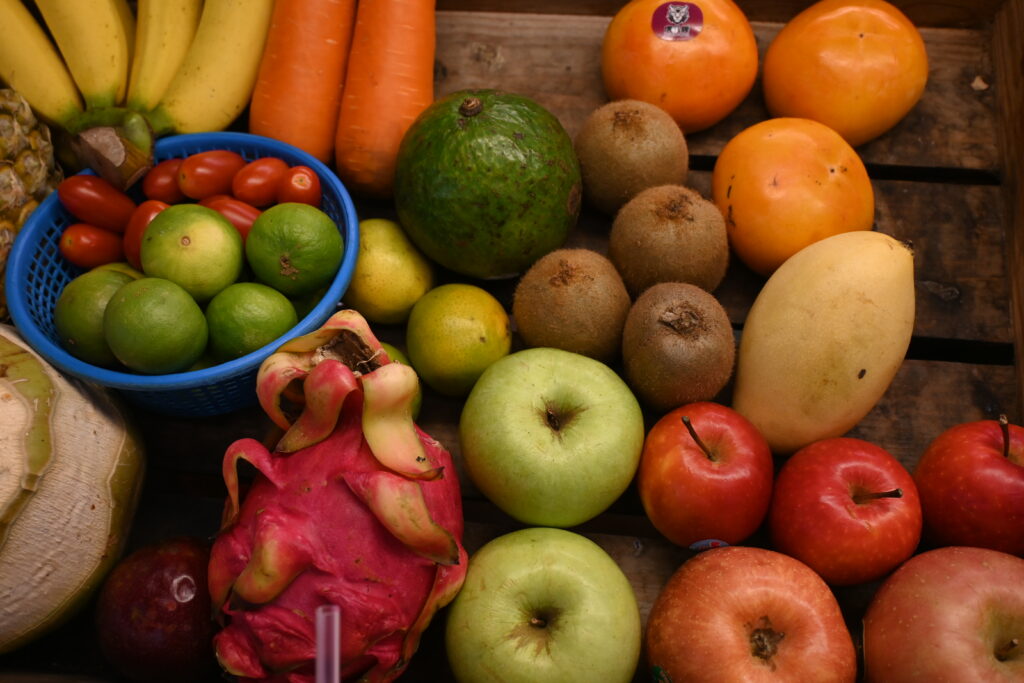
Apples picked off the ground are the cheapest fruit of the season and they carry the highest risk, because the organisms that cause trouble in cider live in soil and in animal droppings. A bruised apple that has been lying in an orchard for two days is a different proposition from one picked off a branch.
Sort hard. Anything with a soft brown patch, a break in the skin, visible mold or an insect hole goes in the compost, not the press. Mold on apples is a particular concern because some species produce patulin, a toxin that survives pressing and is not destroyed by heat, so it has to be sorted out rather than cooked out.
Then wash. A cold water bath with a scrub, apple by apple, followed by a rinse. This is tedious and it is the step that most determines what ends up in the jug. Drops can absolutely be used, and they are the reason the pasteurizing step below is written the way it is.
Grinding is where the yield comes from
An apple pressed whole or in quarters gives up very little. The cell walls hold the juice and the press cannot break them; all it does is crush the fruit into a shape. Grinding to a coarse pulp first is what makes the difference between two gallons and three.
A purpose-built apple grinder or a scratter is the right tool. A food processor works for small batches, pulsed to a rough mash rather than a puree, since too fine a pulp turns to sauce and clogs the press cloth. A clean garbage disposal fitted into a bucket is the improvised version people build and it works.
Grind and press on the same day, ideally within an hour or two. Ground pulp browns fast and starts fermenting faster than whole fruit, and the browning shows up in the color of the finished cider. Work in batches rather than grinding a whole bushel and letting it sit.
How to make apple cider at home, press to bottle
- Sort the fruit, discarding anything moldy, soft or broken. This is the safety step that heat cannot substitute for.
- Wash in cold water and scrub each apple. Rinse and drain. Do not use soap or detergent.
- Quarter, but do not peel or core. Skins carry flavor and color, seeds and stems are fine in the quantities involved.
- Grind to a coarse pulp. Pea-sized pieces, not a smooth mash. Work in batches and press each one promptly.
- Load the press in a clean cloth, folded closed. Fill to about three-quarters of the basket. Overfilling means pulp squeezes out of the sides instead of juice out of the bottom.
- Press slowly, in stages. Turn the screw until it resists, wait two minutes for the juice to run, then turn again. Fast pressing gives less juice and more sediment.
- Strain the juice through a fine mesh or a double layer of cheesecloth. This removes the coarse solids. Fine haze is normal and is what cider looks like.
- Heat the juice in a stainless pot to 160F, stirring. Use a probe thermometer in the center, away from the base. Hold at or above 160 for at least six seconds.
- Take it off the heat immediately once the hold is complete. Continuing to heat is where the flavor goes.
- Cool it fast in an ice bath or a sink of cold water. Down to refrigerator temperature within an hour. Slow cooling undoes some of what the heat achieved.
- Bottle in clean containers, leaving headspace, and refrigerate. Glass or food-grade plastic. Label with the date.
- Freeze what will not be drunk in a week. Leave at least an inch and a half of headspace; cider expands hard as it freezes.
The 160 degree hold, and what it is doing
The target organisms in fresh cider are E. coli O157:H7, salmonella and cryptosporidium, all of which can reach the juice from soil, water or animal contact with the fruit. Heat at 160 degrees for a few seconds is the standard treatment used to achieve the reduction regulators require for juice, and it is well established rather than a home approximation.
The reason for a short hold rather than a boil is flavor. The volatile aromatic compounds that make fresh cider taste like apples start leaving well before boiling, and juice taken to a full boil comes out tasting like the inside of a jar. Sixty-five degrees Celsius, which is 149F, held for a longer time achieves the same reduction and is harder to manage at home; 160F for six seconds is the practical version.
Use a probe thermometer rather than a glass candy thermometer, place it in the center of the liquid, and stir while heating so the pot does not run hot at the base and cool at the top. The general principle is that time and temperature trade against each other, which is why the number and the seconds always appear together.
Who should not drink raw cider
Unpasteurized cider is legal to make and sell in much of the country with a warning label, and it does cause outbreaks most years. The people at real risk from it are young children, adults over 65, pregnant people, and anyone whose immune system is suppressed by illness or treatment. For that group the answer is not moderation; it is pasteurized cider only.
Healthy adults drinking raw cider from carefully sorted, washed, tree-picked fruit are taking a small risk knowingly, which is a different thing from serving it at a party without mentioning it. If the fruit included windfalls, pasteurize it regardless of who is drinking.
Commercial cider sold in stores is pasteurized or treated with ultraviolet light unless it carries a warning. Cider bought at a farm stand or a mill may not be. The label is worth reading, and the person behind the counter will know.
What a pressing day actually needs
The press is the expensive item and the one most people borrow, share or rent from an orchard for an afternoon. A basket press with a rack-and-cloth setup handles a bushel comfortably; the small countertop screw presses sold for home use handle about ten pounds at a time and take all day for a bushel.
Beyond that the list is short. Two large tubs for washing and draining, a grinder, several press cloths, a stainless pot big enough for the batch, a probe thermometer, a fine strainer, and more clean jugs than you think you need. Aluminum and unlined copper pots are the two to avoid, since cider is acidic enough to react with both.
Everything that touches the juice after pressing should be clean and, ideally, sanitized. This is the point at which the operation stops being farm work and starts being food handling, and the jug you pour into matters as much as the fruit you started with.
Adjusting the blend at the jug
Taste the pressed juice before it goes near heat. If it is flat and sweet with no lift, it needs acid, and the fix is either a few tart apples pressed separately and blended in, or a small quantity of lemon juice. If it is aggressively sharp, blend in a sweeter pressing rather than adding sugar.
Balance is easier to judge cold than warm, so chill a small glass and taste that rather than the pot. Cider tastes noticeably sweeter at room temperature than it does at refrigerator temperature, which is why a batch adjusted warm often comes out cloying.
Spicing is a separate decision and belongs at the moment of serving rather than in the jug. A cinnamon stick and a few cloves simmered in a mug of cider for ten minutes gives a better result than a batch spiced at bottling, which flattens and turns medicinal within a few days. Hot drinks built on the same principle work the same way.
Yield, and what a bushel actually produces
| Apples | Good press | Small home press | Finished bottles |
|---|---|---|---|
| 10 lb | about 3 quarts | 2 to 2.5 quarts | 3 pint jars |
| 20 lb (half bushel) | about 1.5 gallons | 1.2 gallons | 6 quart jars |
| 40 lb (bushel) | about 3 gallons | 2 to 2.5 gallons | 12 quart jars |
| 120 lb (3 bushels) | about 9 gallons | 6 to 7.5 gallons | a full afternoon |
The variance comes from three things: how hard the press squeezes, how finely the fruit was ground, and how juicy the variety is. Dense, dry apples such as some russets give noticeably less than a soft McIntosh. Pomace left over from pressing still holds juice, and a second pressing of rewetted pomace gives a thin liquid that is mostly water.
Keeping times, refrigerator and freezer

| Form | Refrigerated | Frozen | Notes |
|---|---|---|---|
| Raw, unpasteurized | 3 to 5 days | 8 to 12 months | will start fermenting on its own |
| Pasteurized, sealed | 7 to 10 days | 8 to 12 months | opened, treat as 5 to 7 days |
| Reduced to syrup | 6 months | indefinitely | boiled down 7 to 1 |
| Frozen in ice cube trays | – | 6 months | for cooking rather than drinking |
Cider does not spoil quietly. It goes fizzy first, as wild yeast on the fruit starts fermenting the sugar, then it turns thin and sharp, and eventually it becomes vinegar. Fizz in an unopened jug is the signal that fermentation has started, and it is also a signal to open it carefully over a sink.
Freezing is the honest answer for a large batch. Freeze in the containers you will thaw in, leave headspace for expansion, and thaw in the refrigerator overnight. Some separation on thawing is normal; shake it. Canning is the other route and requires a boiling water bath and proper jars, which changes the flavor more than freezing does.
What to do with the pomace and the surplus
Pressed pomace is mostly skin, seed and fiber and it composts well. It also makes acceptable animal feed in small quantities. Some people dry it and grind it into a flour-like powder, which is more effort than it repays.
Surplus cider reduced hard makes boiled cider or cider syrup, at roughly seven parts down to one, which is the traditional New England pantry item and goes into pies, glazes and dressings. It keeps for months refrigerated and it concentrates the flavor of the fruit in a way nothing else does.
Cider vinegar is what happens if you leave raw cider covered with cloth at room temperature for several weeks and then several months, deliberately rather than by accident. It is a genuinely different project, it needs air rather than a sealed jug, and it should not be confused with a jug that has simply gone off in the refrigerator. The pies and the free-form versions are where most of a surplus ends up anyway.
Sort hard, grind before you press, and put a thermometer in the pot. Everything else about a pressing day is just how many people showed up to turn the screw.
Frequently Asked Questions
What is the difference between apple cider and apple juice?
In the United States the terms are used loosely and the practical distinction is filtration. Cider is unfiltered or lightly filtered, cloudy, and tastes of the whole fruit; juice is filtered clear and often has the flavor adjusted. Neither term reliably tells you whether it has been pasteurized, and in Britain and much of Europe cider means the alcoholic drink.
Can I press apples without a press?
For small quantities, yes. Grind the fruit in a food processor, then wring the pulp in a strong cloth bag or press it in a colander under a weighted plate. Yield is poor, perhaps half what a press gives, and it is genuinely hard work for a gallon. A borrowed or shared press is worth chasing.
Does pasteurizing ruin the flavor?
Held properly at 160 degrees and cooled quickly, the difference is small and most people cannot pick it out. What ruins the flavor is overshooting, holding for minutes rather than seconds, or letting the pot sit hot while it cools slowly on the stove. The cooling is as important as the heating.
Why did my cider turn brown?
Oxidation, the same reaction that browns a cut apple on a board. It is cosmetic rather than a spoilage sign. Working quickly between grinding and pressing reduces it, and so does a small amount of ascorbic acid stirred into the juice, which some home pressers use routinely.
Can I make hard cider from this?
You can, and it is a separate craft with its own equipment, sanitation standards and timeline. Pasteurized juice with no preservatives is a good starting point for it; juice containing potassium sorbate or sodium benzoate is not, since both are there specifically to stop yeast working. That project starts where this one ends.