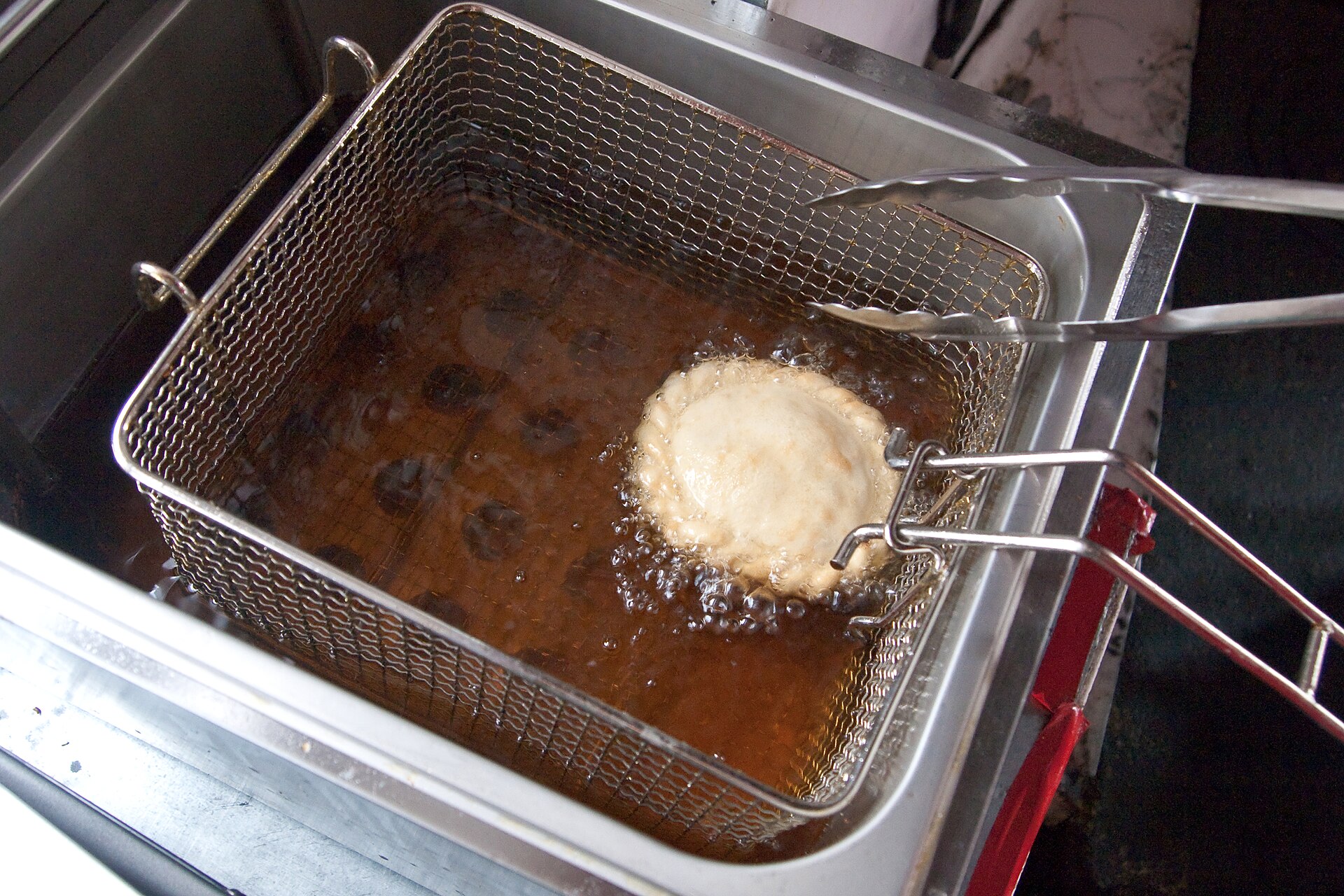
A pot of oil sits at a confident 365F, the thermometer clipped to the side reading steady. Four cold chicken thighs go in at once, and within thirty seconds the same thermometer reads 305F. Nobody touched the burner. The oil itself lost sixty degrees the moment a few pounds of cold, wet food dropped into it, and the burner now has to claw that back while the food sits there absorbing whatever temperature the oil actually is, not the number on the recipe.
An air fryer sidesteps this whole problem by using far less oil in the first place, but a proper deep fry in a pot of oil still produces a texture the smaller machine cannot fully replicate. Most fried food that comes out greasy and pale rather than crisp and golden was cooked in oil that never recovered from that initial crash. The recipe said 365F, the oil started at 365F, and everyone assumed the job was done. What actually happened is the food spent its first, most important minute in oil closer to 300, absorbing fat instead of sealing against it.
Here is how far that drop really goes depending on what you’re frying and how much of it goes in at once, how long recovery takes in different kinds of pots, and the batch size that keeps the whole thing from happening in the first place.
- Typical drop: 30 to 60F when a normal batch goes into properly heated oil
- Batch size rule: keep food at no more than a third of the oil’s volume
- Recovery time: 1 to 3 minutes for a home stove, longer in a thin pot
- Reused oil: good for 3 to 8 fries depending on what was cooked in it and how it’s filtered
- The danger: a grease fire is never put out with water
- Read this before frying at high altitude or in a shallow pan; both change the numbers
Why the temperature crashes the instant food goes in
Oil holds heat, but it holds a finite amount, and cold or refrigerator-temperature food dropped into it during frying is a heat sink pulling energy out fast. Water on the surface of the food makes this worse, since that water has to reach boiling and then evaporate as steam, and both steps draw heat directly from the surrounding oil.
The burner underneath is trying to replace that lost heat, but stovetop burners, even strong ones, add heat far more slowly than food removes it in that first rush. The gap between heat lost and heat replaced is exactly the size of the temperature drop, and it is largest in the first thirty seconds after food goes in, tapering off as the food’s surface catches up to the oil around it.
This is physics, not a mistake in technique, and it happens to some degree in every fryer on earth, including commercial equipment with far more heating power than a home stove. The difference between a good fryer setup and a bad one is how much that drop is anticipated and managed, not whether it happens at all.
How far the drop actually is, by food and by batch size
| Food added | Typical temperature drop | Why |
|---|---|---|
| A few pieces of dry-battered fish | 15 to 25F | small mass, some surface moisture |
| A full batch of wet-battered chicken | 40 to 60F | large mass, high surface moisture |
| Frozen french fries, straight from the freezer | 50 to 70F | starting far below room temperature, high surface ice |
| A single small item, like one doughnut | 5 to 10F | minimal mass relative to the oil volume |
The pattern across every row is the same: more food, more surface moisture, and a colder starting temperature all deepen the crash. A single item barely registers. A full basket of frozen fries dumped into a pot sized for a home kitchen can bottom out the temperature by nearly a hundred degrees in the worst case, which is most of the gap between a properly fried piece and a soggy one.
Deep frying oil temperature recovery by pot material
Cast iron holds an enormous amount of heat relative to its weight, and that stored heat buffers a temperature crash better than almost any other cookware. A cast iron Dutch oven loaded with hot oil drops less on the initial impact and recovers faster afterward, because the pot itself is radiating heat back into the oil the whole time, not just the burner underneath.
Thin stainless steel or aluminum pots hold far less heat in their own mass, so nearly all of the recovery has to come from the burner, and that recovery takes noticeably longer. A thin pot is also more prone to hot spots directly over the flame, which can scorch the oil locally even while the average temperature reads low.
A dedicated electric deep fryer sits in between, with less thermal mass than cast iron but a heating element that responds and adjusts automatically rather than relying on a cook watching a dial. For anyone frying often enough to justify the counter space, that automatic recovery is the single biggest practical advantage over a pot on a stovetop burner.
The batch size rule that keeps a fry crisp
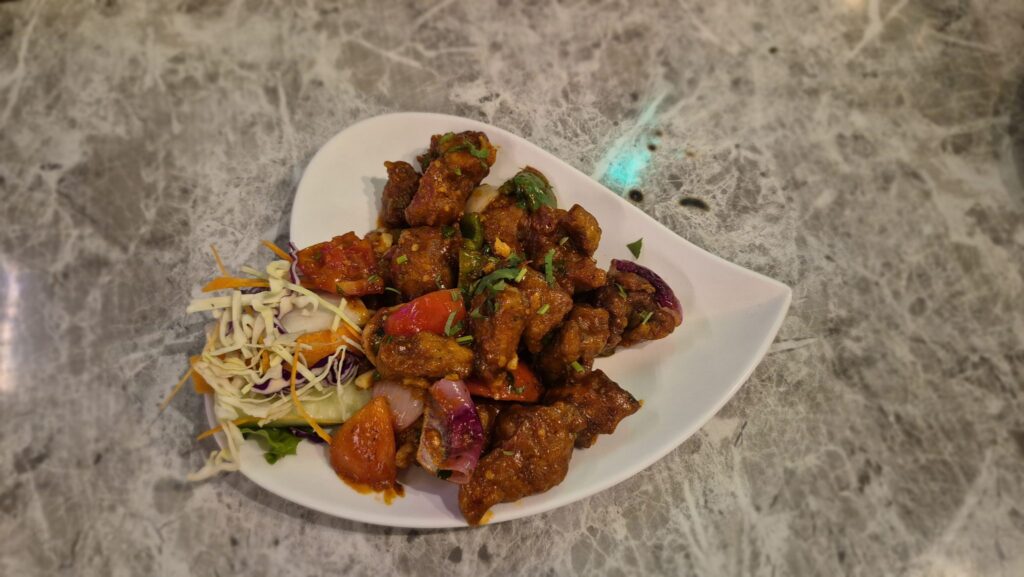
Keeping the food added at any one time to roughly a third of the oil’s volume, and no more than half in a pinch, keeps the temperature crash inside a range the burner can recover from quickly. Doubling that ratio does not just double the drop; it pushes recovery time out disproportionately, since a colder starting point takes longer for the same burner to climb back from.
This is the entire reason recipes insist on frying in batches rather than filling the basket to capacity. A single overloaded batch that crashes to 280F and crawls back up over four minutes produces food that spent most of its cook time absorbing oil at too low a temperature, then finishing rushed and unevenly once the oil finally caught back up.
Smaller batches cooked more times take longer in total clock time but produce consistently better results across every piece, since none of them sit through an extended low-temperature stretch waiting for the oil to recover. It is the same logic behind double-fried Korean chicken, which relies on the oil fully recovering between the first and second fry rather than crashing once and staying low.
Recovery time, minute by minute
On a typical home burner, a moderate crash of 40 to 50F recovers in something like one and a half to three minutes, assuming the burner is already on high and the pot has reasonable thermal mass. A thinner pot or a weaker burner can stretch that to four or five minutes for the same drop.
The first thirty seconds after food goes in are usually the steepest part of the recovery curve, since the food’s surface is still shedding moisture rapidly and pulling heat out even as the burner adds it back. The last stretch, climbing the final ten or fifteen degrees back to target, tends to be slower and is often where an impatient cook adds the next batch too early, resetting the whole cycle before it finished.
A thermometer clipped into the oil, checked continuously rather than glanced at once before frying starts, is the only reliable way to know when the oil has actually recovered rather than guessing from the clock.
What happens if you fry through the crash instead of waiting
Food added to oil below its target temperature spends more time in contact with fat before the surface seals, and that extra time is exactly when oil gets absorbed into the food rather than staying outside it as a crisping medium. The result is greasy, heavy food rather than the light, shattering crust a properly maintained fry produces.
Coating also behaves differently at low temperature. A batter or breading that should set into a crisp shell within the first thirty seconds instead sits soft and pale for much longer, which is why food fried in oil that never recovered often looks underdone even after the same total cook time as a properly managed batch.
The fix is patience rather than a different recipe: wait for the thermometer to show recovery before adding the next batch, even if that means standing over the pot for an extra ninety seconds between rounds. Rushed frying is the most common single cause of disappointing results in an otherwise correct recipe.
Reading oil without a thermometer, and why not to
The classic tests, a wooden spoon handle that bubbles gently when dipped in, or a cube of bread that browns in under a minute, give a rough read on oil that has never been used before, but they say nothing about a crash in progress or how far recovery has gotten. They are a starting check, not a substitute for continuous monitoring.
Visual cues like faster bubbling or a shimmer on the surface shift with the type of oil, how much water is in the food, and how full the pot is, which makes them unreliable for judging the specific, narrow range most frying wants. A ten or fifteen degree miss is invisible to the eye and very visible in the finished food.
A clip-on deep-fry thermometer costs little and removes the guessing from the entire process, and it is the one piece of equipment that turns frying from an intuition-based skill into a repeatable one.
How many times the same oil can be reused
| What was fried | Realistic reuses | Why |
|---|---|---|
| Plain vegetables, low breading | 6 to 8 times | little food debris, less oxidation |
| Battered fish or chicken | 3 to 5 times | proteins and spices accelerate breakdown |
| Doughnuts and sugared items | 2 to 3 times | sugar scorches and darkens oil quickly |
| Anything with strong spice or fish | 2 to 3 times, or dedicate the oil to that food only | flavor carries over into the next fry |
The same reused oil that carries a fry through several batches is also, in smaller quantity and at a much higher heat, most of what makes restaurant-quality stir-fry possible at home, since a well-seasoned wok depends on oil that has already built up some flavor. Oil that has darkened noticeably, developed a rancid or overly nutty smell, foams excessively when new food is added, or smokes well below its usual working temperature has broken down past the point of reuse and should be discarded rather than stretched one more round. Frying with degraded oil produces off flavors that no amount of seasoning corrects afterward.
Storage between fries: filtering, and how it slows breakdown
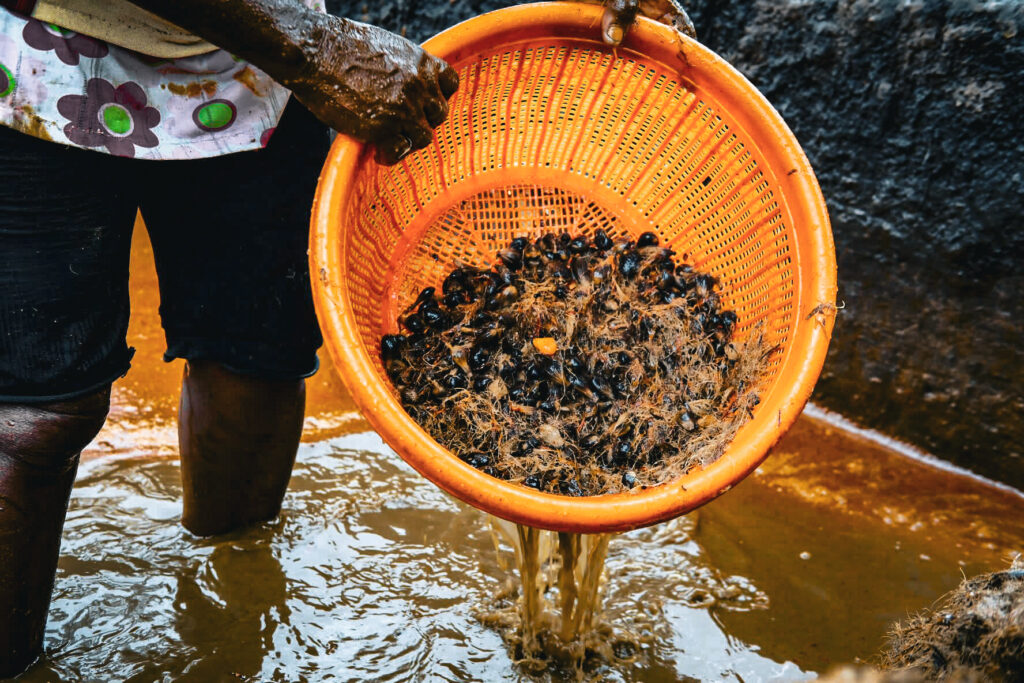
Straining cooled oil through a fine mesh sieve or a coffee filter removes food particles that would otherwise scorch and darken during the next fry, and it is the single easiest step that meaningfully extends how many times a batch of oil can be reused. Skipping it lets debris from the first fry carbonize during the second, coloring and flavoring everything after.
Stored in a sealed, opaque container away from heat and light, filtered oil keeps reasonably well between uses for a few weeks, though it should always be smelled and looked at before the next fry rather than assumed fine because it looked fine last time. Oil kept near a stove, exposed to repeated warm-ups and cool-downs, degrades faster than the same oil stored in a cooler spot.
Different fried foods should generally not share the same batch of oil back to back, since a strongly flavored fry, fish in particular, leaves a residue that carries into whatever is fried in the same oil afterward, regardless of filtering.
The oil fire rule that isn’t optional
Hot frying oil is a real fire hazard, and the single most dangerous mistake is pouring water onto a grease fire, which causes the water to flash to steam instantly and throw burning oil outward rather than putting anything out. If oil catches fire, turn off the heat if it is safe to reach the control, cover the pot with a metal lid to cut off oxygen, and use a fire extinguisher rated for grease fires if the flame does not go out immediately. Never carry a flaming pot outside.
Overfilling a pot is the most common precursor to an oil fire at home, since oil that rises too close to the rim when food is added can overflow onto a burner and ignite on contact. Filling a pot no more than a third full of oil, and accounting for how much it will rise once food goes in, is a safety measure as much as a cooking one.
Wet food added too quickly, or a wet hand near the pot, can also cause violent, dangerous spattering rather than the gentle bubbling of a properly dried piece of food going in slowly. Pat food dry, lower it in gently rather than dropping it from a height, and keep a lid within reach the entire time oil is heating on the stove.
The number on the recipe is a target for the oil at rest, not a guarantee once food is in it. Watch the recovery, keep batches modest, and the crash that ruins most home frying stops being a mystery and becomes something to simply wait out.
Frequently Asked Questions
Should I raise the oil temperature higher to compensate for the drop?
No. Overheating the oil before adding food risks pushing it past its smoke point once food is removed and the temperature rebounds, and it does not actually shorten the recovery time in any meaningful way. Set the target temperature correctly and manage batch size instead.
Why does frozen food cause such a bigger drop than fresh food?
Frozen food starts far colder than refrigerated or room-temperature food, and it often carries surface ice that has to melt and then boil off before frying even really begins, both of which pull extra heat out of the oil on top of the mass of the food itself.
Does the type of oil affect how much the temperature drops?
The oil’s specific heat varies only slightly between common frying oils, so the type of oil matters far less than the amount of food, its moisture content, and its starting temperature. What the oil type does affect is the safe upper limit before smoking, which is a separate consideration from the recovery question.
Is it safe to reuse oil that fried raw chicken?
Yes, once the oil has been properly heated to frying temperature during use, since that temperature is well above what would be needed to address surface bacteria on the food itself. The oil should still be filtered and evaluated by smell and appearance before its next use, the same as any reused frying oil.
How do I know my pot is too shallow for safe frying?
If the oil rises to within an inch or two of the rim once food is added, the pot is too full for safe frying and risks overflow, especially with foods that foam or bubble vigorously. Choose a taller, narrower pot over a wide shallow one for the same volume of oil whenever possible.