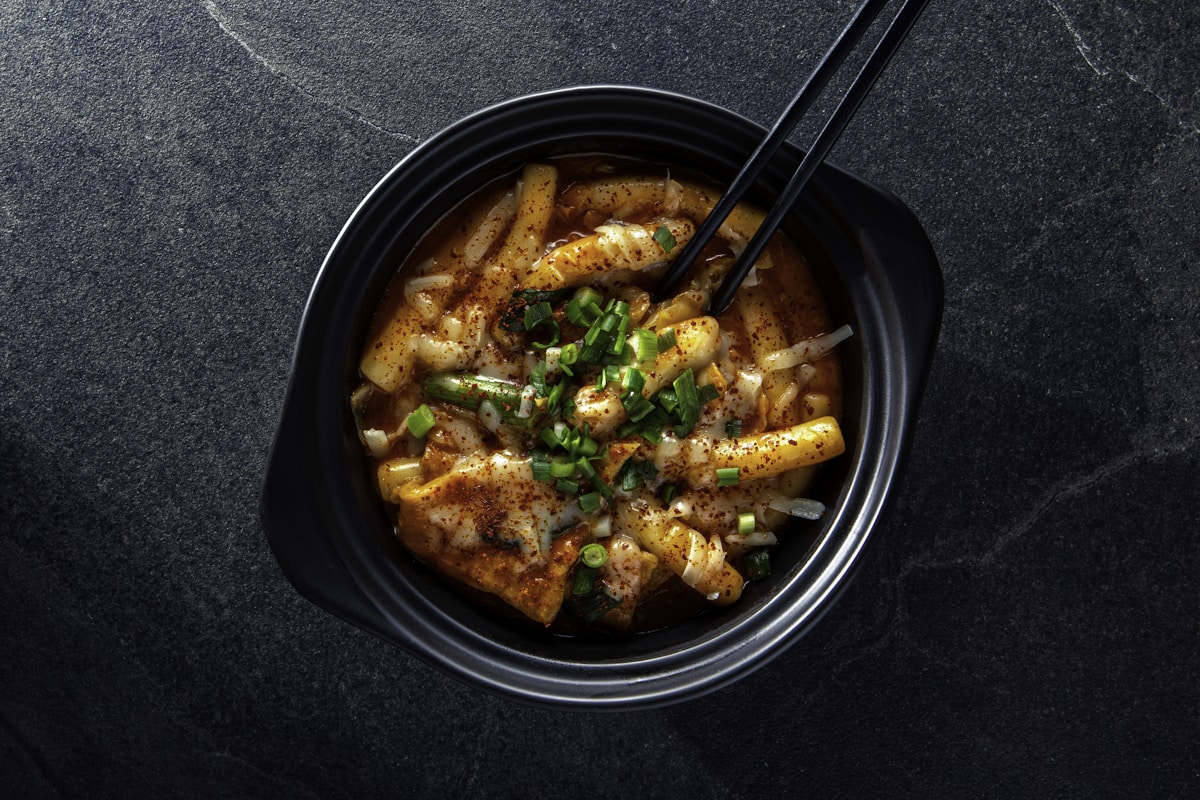
This is the recipe that broke TikTok.
Seriously. Search “tteokbokki” on any social platform and you will find thousands of videos of people losing their minds over chewy, glossy, fire-red rice cakes swimming in gochujang sauce. There is a reason this dish has 4.2 billion views on TikTok alone. It hits every single craving at once: sweet, spicy, salty, chewy, sticky, and deeply addictive.
It also takes 30 minutes. From cold pan to done.
What Even Is Tteokbokki?
Korean street food. Chewy rice cakes. Gochujang sauce. That is it.
In Seoul, vendors make this in massive flat pans at markets like Gwangjang and Myeongdong, and it costs less than three dollars a serving. Korean schoolkids eat it as an after-school snack. Office workers eat it at midnight from food stalls. Maangchi, the Korean-American YouTube legend with over 6 million subscribers, calls it “the dish every Korean person has an emotional relationship with.” Eric Kim, the New York Times food writer and author of Korean American, says tteokbokki has “the most satisfying chew in the entire world of carbohydrates.”
He is not exaggerating. The rice cakes are made from pounded short-grain rice, and their texture is unlike anything in Western cooking. Soft and yielding on the outside, bouncy and almost springy in the center. If you have ever had mochi, it is that family of texture — but savory, drenched in spicy-sweet sauce, and completely irresistible.
What You Need
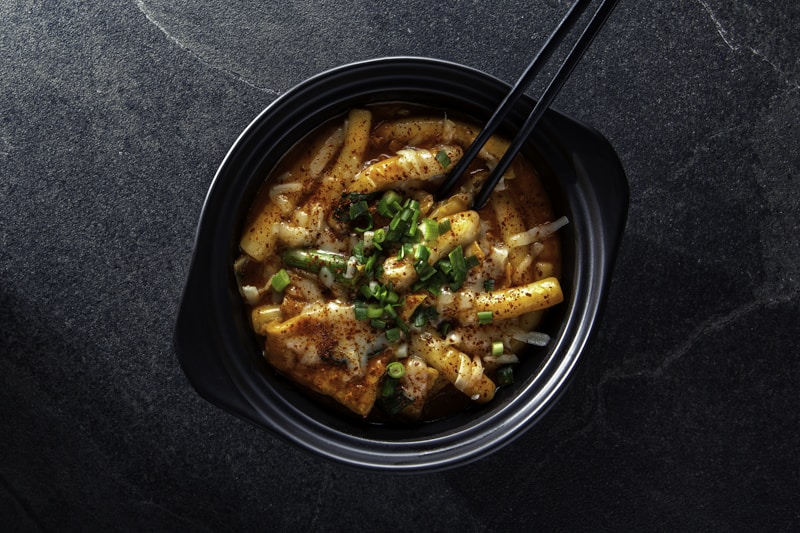
- 1 lb Korean rice cakes (garaetteok — the cylindrical ones, fresh or frozen)
- 3 tablespoons gochujang (fermented chili paste — the red tub at any Asian grocery)
- 1 tablespoon gochugaru (Korean chili flakes — smoky, not just hot)
- 2 tablespoons soy sauce
- 1 tablespoon sugar
- 1 tablespoon rice syrup or corn syrup (for that signature gloss)
- 2 cups anchovy-kelp stock (or just water with a pinch of MSG — no judgment)
- 4 sheets fish cake, cut into triangles
- 2 scallions, cut into 2-inch pieces
- 2 hard-boiled eggs (optional but very traditional)
- Sesame seeds and sesame oil to finish
Quick stock hack: simmer 6 dried anchovies (heads ripped off) and a piece of dried kelp in 2.5 cups of water for 10 minutes. Strain. Done. This takes the sauce from “good” to “what is in this” in the most low-effort way possible. Maangchi’s original recipe walks through this stock method step by step if you want more detail.
How to Make It
Step 1: If your rice cakes are frozen, soak them in warm water for 10 minutes. You want them bendy, not brittle.
Step 2: Pour your stock into a wide skillet (wide = important — you want surface area, not depth). Whisk in the gochujang, gochugaru, soy sauce, sugar, and rice syrup until smooth. Bring it to a boil.
Step 3: Drop in the rice cakes. Stir immediately so they do not stick together. Cook at a strong simmer for 8 to 10 minutes, stirring every minute or so. The sauce will thicken on its own as the rice cakes release starch.
Step 4: When the rice cakes are soft and chewy and the sauce is thick and glossy, toss in the fish cake triangles and scallions. Cook 2 more minutes.
Step 5: Kill the heat. Drizzle with sesame oil, scatter sesame seeds on top, and serve immediately. Not in five minutes. Not after you take a photo. Immediately. Rice cakes harden fast as they cool — researchers at Seoul National University measured a 40% increase in hardness within 30 minutes at room temperature. This is not a dish that waits for you.
The Sauce Is Everything
Gochujang is not just chili paste. It is a fermented product — six to twelve months of enzymatic magic where mold and bacteria break down glutinous rice into sugars and proteins into umami-rich amino acids. That single ingredient carries sweet, spicy, salty, and umami all at once. When you combine it with the bright, smoky heat of gochugaru flakes and the backbone of anchovy-kelp stock, you get a sauce with more depth than most things that take three hours to cook. The sugar and rice syrup round out the heat and give the sauce its iconic sticky, lacquered finish. If your tteokbokki sauce looks like it could be on a magazine cover, you did it right.
For a deeper explore gochujang and how Korean fermented condiments work, Korean Bapsang has excellent breakdowns alongside several tteokbokki variations worth exploring.
Level It Up
Cheese Tteokbokki. This is the one that has taken over Seoul. In the last 2 minutes of cooking, scatter a cup of shredded mozzarella over the top, cover the pan, and let it melt into a stretchy, gooey blanket. The mild dairy fat tempers the spice and adds an absurd cheese pull. Every Korean fried chicken shop in the country serves a version of this now.
Seafood Tteokbokki. Swap the fish cake for a handful of raw shrimp and a few squid rings. Add them in the last 3 minutes so they cook through without turning rubbery. The seafood releases extra liquid, so reduce the stock to 1.5 cups to keep the sauce thick. This is closer to what you would find at a bunsik (Korean snack restaurant) near the coast.
Nuclear Spicy Challenge. For the heat seekers: double the gochugaru to 2 tablespoons, add a whole minced Thai bird chili, and stir in a tablespoon of gochujang at the very end for an extra raw-spice punch. Cut the sugar in half. This version is not for the faint-hearted. Korean variety shows regularly film celebrities attempting “buldak-level” tteokbokki — the kind that makes you sweat through your shirt. You have been warned.
The History and Cultural Significance of Tteokbokki
Tteokbokki was not always the fiery red street snack the world knows today. The original version, gungjung tteokbokki, was a royal court dish during the Joseon Dynasty, made with soy sauce, sesame oil, vegetables, and thinly sliced beef. It was refined, subtle, and about as far from street food as you could get. The transformation happened in the 1950s, when a vendor named Ma Bok-lim in Seoul’s Sindang-dong neighborhood accidentally dropped rice cakes into a pot of gochujang sauce. The spicy version was an immediate hit, and the neighborhood became synonymous with tteokbokki. Sindang-dong Tteokbokki Town still exists today, a narrow alley packed with restaurants all serving their own variations of the dish that was born there by accident.
Through the 1970s and 1980s, tteokbokki became the defining snack of Korean school culture. Students would pool their pocket money to share a plate from the pojangmacha (street cart) on the walk home. The dish was cheap, filling, communal, and just spicy enough to feel like a small rebellion. For many Koreans, tteokbokki is not just food but a sense memory tied to childhood friendships, cold winter afternoons, and the particular joy of eating something messy out of a shared metal plate with wooden chopsticks. It carries the same nostalgic weight that grilled cheese or mac and cheese holds in American culture.
The global explosion of tteokbokki started around 2019, fueled by Korean drama product placements and mukbang videos where creators consumed enormous portions on camera. By 2023, the dish had over four billion views on TikTok and had been adopted by fusion restaurants from London to Los Angeles. Instant tteokbokki kits from brands like Yopokki and CJ now ship worldwide. The dish crossed over from niche Korean grocery store find to mainstream global comfort food in less than five years, one of the fastest rises of any single dish in modern food culture.
Tteokbokki Variations Across Korea
While Seoul-style tteokbokki dominates internationally, Korea itself offers a remarkable variety of regional interpretations. Each version reveals something about local tastes and available ingredients.
| Variation | Key Differences | Spice Level | Best For |
|---|---|---|---|
| School Tteokbokki (Bunsik-style) | Simple gochujang sauce, fish cakes, boiled eggs. The classic. | Medium | Beginners, nostalgic comfort |
| Cheese Tteokbokki | Topped with melted mozzarella. The cheese tempers the spice. | Medium-Low | Spice-sensitive eaters, kids |
| Jjajang Tteokbokki | Black bean sauce (chunjang) replaces gochujang. Savory, not spicy. | None | Those who cannot handle heat |
| Cream (Rose) Tteokbokki | Gochujang mixed with heavy cream and tomato sauce. Pink, creamy, viral. | Mild | Social media, fusion lovers |
| Seafood Tteokbokki (Haemul) | Loaded with shrimp, squid, mussels, and clams. Coastal regions. | High | Seafood lovers, special occasions |
Rose tteokbokki, also called cream tteokbokki, deserves special mention as the variation that took Korean social media by storm in 2021. By mixing gochujang with heavy cream and a spoonful of tomato paste, you get a pale pink sauce that is rich, mildly spicy, and photogenically pastel. It infuriated Korean food purists but delighted a new generation of eaters who found traditional tteokbokki too intense. To make it at home, reduce the gochujang by half, add a quarter cup of heavy cream and a tablespoon of tomato paste to the sauce, and simmer until everything melds into a glossy pink coating.
Building a Korean Street Food Night at Home
Tteokbokki is the anchor of any Korean street food spread, but a proper pojangmacha experience requires companions. What makes Korean street food is that most dishes are quick, shareable, and designed to be eaten together in no particular order.
Start with kimbap, Korean rice rolls filled with pickled radish, spinach, egg, and your choice of protein. They can be made hours ahead and sliced just before serving. Pair the tteokbokki with crispy Korean fried chicken wings tossed in a yangnyeom (sweet-spicy) glaze. The crunchy, saucy chicken next to the chewy, saucy rice cakes creates an addictive textural back-and-forth. Add a plate of pajeon (scallion pancakes), cut into wedges and served with a soy-vinegar dipping sauce, for something savory and crispy that cuts through the richness of everything else.
For drinks, soju is the traditional pairing, served ice-cold in small glasses and meant to be sipped between bites. The clean, slightly sweet burn of soju resets the palate after each mouthful of spicy tteokbokki. If you prefer non-alcoholic options, sikhye (sweet rice punch) or barley tea provide a soothing contrast. Set everything out on the table at once, family-style, with plenty of napkins. Korean street food is communal eating at its most joyful, and the combination of shared plates, sticky fingers, and someone inevitably reaching for the last rice cake is exactly the point.
Quick Questions
Where do I find Korean rice cakes?
Any Asian grocery store — H Mart, 99 Ranch, Lotte Plaza — carries them in the refrigerated or frozen section. Look for “garaetteok” on the package (the cylindrical type, not the flat sliced kind). Amazon and Weee ship them too. Refrigerated is best. Frozen works perfectly fine after a 10-minute soak in warm water.
My rice cakes are hard. What went wrong?
Either they did not soak long enough before cooking, they did not simmer long enough in the sauce, or you let them cool down. Frozen rice cakes need a full 10-minute warm water soak before they go into the pan. They need 8 to 10 minutes of simmering. And they need to be eaten right away. Cold tteokbokki is hard tteokbokki.
Can I make this vegetarian?
Totally. Skip the fish cake and the anchovy stock. Use vegetable broth or mushroom broth with a quarter teaspoon of MSG instead. Add sliced napa cabbage, shiitake mushrooms, or pan-fried tofu triangles for substance. Everything else stays the same.
How long does leftover tteokbokki keep?
Leftover tteokbokki stores in an airtight container in the refrigerator for up to two days. The rice cakes will harden as they cool, which is completely normal since rice starch retrogrades when chilled. To reheat, add the tteokbokki to a saucepan with two to three tablespoons of water or anchovy stock over medium-low heat, stirring gently until the sauce loosens and the rice cakes soften again. This takes about five minutes. Microwaving works but tends to heat unevenly, leaving some rice cakes still hard while others get rubbery. Do not freeze tteokbokki since the rice cakes become gummy and unpleasant when thawed. The sauce itself freezes fine, so if you want to batch-prep, freeze just the sauce and cook fresh rice cakes when you are ready to eat.
What is the difference between gochujang and gochugaru?
Gochujang is a thick, fermented red chili paste made from gochugaru (red chili flakes), glutinous rice, fermented soybeans, and salt. It is deeply savory, sweet, and spicy all at once thanks to the fermentation process. Gochugaru is simply dried Korean red chili flakes with no fermentation, offering a brighter, fruitier heat without the funk. This recipe uses both because they serve different purposes: gochujang provides the sticky, glossy base of the sauce with its complex fermented flavor, while gochugaru adds adjustable heat and a fresh chili kick on top. You cannot substitute one for the other since they have completely different textures and flavor profiles. If you can only find one, prioritize gochujang since it is the backbone of the sauce.
Already love Korean flavors? Try our Korean Bibimbap Rice Bowl for a complete one-bowl meal. Our Gochujang Butter Pasta takes the same fermented chili paste in a completely different direction. And for a lighter side, the Crispy Sesame Tofu pairs well with tteokbokki as part of a Korean spread.
For nutritional data on rice products and fermented condiments, see the USDA FoodData Central database.
Nutritional estimates (roughly 410 calories, 78g carbs, 12g protein per serving) are based on USDA data and will vary by brand and portion size. This is not medical or dietary advice — talk to a healthcare professional if you have specific dietary needs or food allergies.

Tom Nakamura
Tom learned to cook from his obaachan during summers in Japan - pickling daikon at the kitchen table, watching her stir miso into broth without ever measuring. Later, family trips with cousins took him through markets in Bangkok, Shanghai, and Hanoi, and the food stuck with him. His writing focuses on making authentic Asian techniques accessible to home cooks without diluting the technique or the culture that defines them. He handles Chinese, Japanese, Korean, Thai, Vietnamese, Indian, and Middle Eastern recipes at the publication.