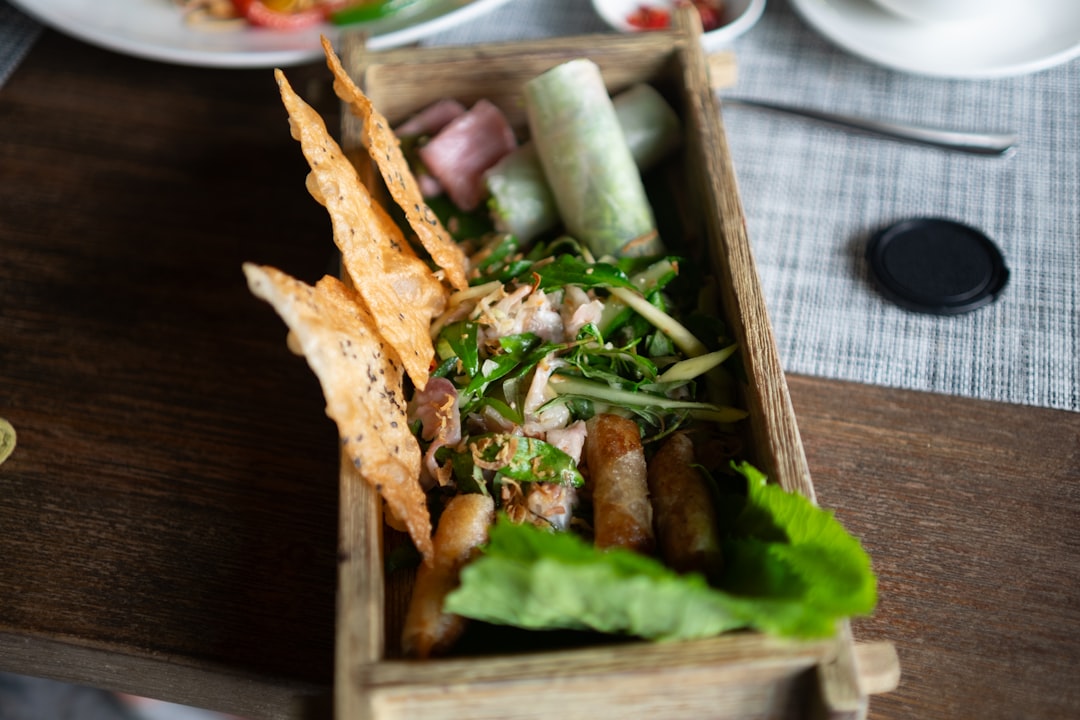
Vietnamese fresh spring rolls, known as goi cuon, are one of those rare dishes that manage to be simultaneously light and deeply satisfying. Translucent rice paper wrapped around shrimp, crisp vegetables, fragrant herbs, and slippery noodles, served alongside a rich peanut dipping sauce that ties everything together. They are the perfect warm-weather meal, an impressive appetizer, and a healthy lunch that never feels like a compromise.
This vietnamese spring rolls recipe teaches you not just how to assemble them but how to master the technique of working with rice paper, the component that trips up most beginners. Once you understand the timing and the roll, you will find yourself making these regularly. The fillings are entirely customizable, making this a recipe that adapts to whatever is fresh in your refrigerator. If you enjoy Vietnamese flavors, you will also love our Vietnamese pho bo, which captures the same balance of fresh herbs and rich broth.
Why This Recipe Works
Rice paper’s unique texture creates contrast. When properly hydrated, rice paper becomes a thin, slightly chewy, translucent wrapper that provides a gentle resistance before giving way to the fillings inside. Unlike wheat-based wrappers, rice paper is neutral in flavor, allowing the herbs and fillings to shine. Its slight tackiness helps seal the roll without any adhesive or cooking.
Fresh herbs are the soul of the dish. Thai basil, cilantro, and mint are not garnishes here; they are primary ingredients. Each herb contributes distinct volatile compounds: basil brings anise-like warmth, cilantro offers bright citrus notes, and mint provides cooling freshness. Together, they create an aromatic complexity that makes each bite interesting. This is why dried herbs cannot substitute; the essential oils that carry these flavors are largely destroyed by drying.
The peanut sauce balances all five taste profiles. Vietnamese cuisine is built on the harmony of sweet, salty, sour, bitter, and umami. The peanut dipping sauce achieves this beautifully: sweetness from hoisin, saltiness from soy sauce, sourness from rice vinegar, bitterness from peanuts, and umami from the fermented hoisin. According to Serious Eats, the best versions keep these elements in deliberate balance without any single one dominating.
Slicing shrimp in half maximizes coverage and visual appeal. Cutting each cooked shrimp lengthwise creates two thin, flat pieces that lie flush against the rice paper. This means you can arrange them with the pink side facing outward, creating the signature visual of goi cuon where the shrimp are visible through the translucent wrapper. It also ensures every bite of the roll contains shrimp rather than concentrating the protein in one section.
Recipe Card
| Prep Time | 30 minutes |
| Cook Time | 10 minutes |
| Total Time | 40 minutes |
| Servings | 8 rolls (4 servings) |
| Difficulty | Easy to Intermediate |
| Cuisine | Vietnamese |
Ingredients
For the Spring Rolls
- 8 round rice paper wrappers (8.5-inch / 22cm, Banh Trang brand recommended)
- 1/2 pound (225g) large shrimp (21-25 count), peeled, deveined, tails removed
- 2 ounces thin rice vermicelli noodles (bun)
- 1 cup shredded butter lettuce or red leaf lettuce
- 1 large carrot, julienned into 3-inch matchsticks
- 1/2 English cucumber, seeded and julienned into 3-inch matchsticks
- 1/2 cup fresh Thai basil leaves
- 1/2 cup fresh cilantro sprigs
- 1/4 cup fresh mint leaves
- Optional: 1/4 cup bean sprouts, 1 mango (julienned), or sliced avocado
For the Peanut Dipping Sauce
- 1/4 cup creamy peanut butter (natural preferred)
- 2 tablespoons hoisin sauce
- 1 tablespoon sriracha (adjust to taste)
- 1 tablespoon rice vinegar
- 1 tablespoon warm water (more as needed for consistency)
- 1 teaspoon soy sauce or tamari
- 1 small clove garlic, finely minced
- 2 tablespoons roasted peanuts, roughly chopped, for garnish
Step-by-Step Instructions
- Cook the shrimp. Bring a medium pot of well-salted water to a boil. Add the shrimp and cook for 2 to 3 minutes until they turn pink, curl into a C-shape, and are opaque throughout. An instant-read thermometer should read 120 degrees F at the thickest point (they carry over to 145 degrees F). Transfer immediately to a bowl of ice water to stop cooking. Once cool, drain and slice each shrimp in half lengthwise so you have 2 thin, flat pieces from each shrimp. Pat dry and set aside.
- Cook the rice noodles. Bring a separate pot of water to a boil. Add the rice vermicelli and cook for 3 to 4 minutes (or per package directions) until tender but not mushy. Drain, rinse thoroughly under cold running water to stop cooking and remove surface starch. Toss with a few drops of sesame oil to prevent sticking. Using scissors, snip the noodle bundle into shorter, more manageable lengths (about 4 to 5 inches).
- Prepare all fillings. Arrange shredded lettuce, julienned carrot, julienned cucumber, herb leaves, and cooked noodles on a large cutting board or platter. Having everything within arm’s reach is essential because once you wet the rice paper, you have about 30 seconds to fill and roll before it becomes too sticky.
- Make the peanut dipping sauce. In a small bowl, whisk together the peanut butter, hoisin sauce, sriracha, rice vinegar, warm water, soy sauce, and minced garlic until completely smooth. The consistency should be like a thick but pourable salad dressing. Add warm water a teaspoon at a time if it is too thick. Taste and adjust: add more sriracha for heat, hoisin for sweetness, or vinegar for tang. Transfer to a serving bowl and top with crushed peanuts.
- Hydrate the rice paper. Fill a large, shallow dish (a pie plate or wide bowl) with warm water, about 110 degrees F. Working with one wrapper at a time, submerge the rice paper for 5 to 8 seconds only. It should still feel slightly firm and stiff when you pull it out. Lay it flat on a clean, damp kitchen towel or a silicone baking mat. The rice paper continues to soften as you add fillings.
- Fill and roll. In the lower third of the rice paper (the section closest to you), lay down a small bed of lettuce, followed by a small mound of noodles, a few carrot and cucumber matchsticks, and several herb leaves. Leave about 1.5 inches empty on each side. Now fold the bottom edge of the rice paper up and over the fillings, tucking it tightly underneath. Fold in both sides like a burrito. Before rolling the rest of the way up, arrange 3 to 4 shrimp halves in a line on the rice paper just above the partially rolled bundle, pink side down. Continue rolling upward. The shrimp will press against the top layer of rice paper, becoming visible through the translucent wrapper. Set the finished roll seam-side down on a plate lined with a damp paper towel.
- Repeat. Continue with the remaining wrappers and fillings. If the rolls will be served within 30 minutes, cover them with a damp paper towel to prevent drying. For longer holding, wrap the plate tightly in plastic wrap and refrigerate for up to 4 to 6 hours.
- Serve. Cut each roll in half diagonally (a sharp, wet knife prevents sticking) to showcase the colorful cross-section. Serve immediately with the peanut dipping sauce. For a complete Vietnamese meal, pair with our Thai basil chicken or another Southeast Asian dish from your repertoire.
Filling Variations
One of the greatest strengths of this vietnamese spring rolls recipe is its adaptability. Here are tested combinations that work beautifully.
Grilled pork and mango: Replace shrimp with thinly sliced grilled pork loin marinated in lemongrass and fish sauce. Add julienned mango for sweetness. Serve with nuoc cham instead of peanut sauce.
Tofu and avocado (vegan): Press extra-firm tofu, slice into strips, and pan-fry until golden. Add sliced avocado and extra bean sprouts. The fat from the avocado compensates for the leaner protein.
Crab and asparagus: Use lump crabmeat and blanched, sliced asparagus spears. Add thinly sliced radish for crunch. This elegant combination works beautifully as an appetizer for dinner parties.
Chicken and peanut: Shred poached or rotisserie chicken and toss with a squeeze of lime. Add crushed peanuts inside the roll for texture. Drizzle the peanut sauce over the cut rolls for presentation.
Substitution Guide
| Original Ingredient | Substitution | Notes |
|---|---|---|
| Shrimp | Cooked chicken breast, tofu, or crabmeat | Shred or slice thinly for easy rolling. Press tofu to remove moisture before cooking. |
| Rice paper wrappers | Large lettuce leaves (butter or iceberg) | Creates a low-carb version. The roll will be looser but still delicious. Collard greens also work when blanched briefly. |
| Rice vermicelli | Glass noodles (mung bean) or thin soba noodles | Glass noodles add chew. Soba noodles add a nutty, earthy dimension. Both should be cooked and cooled. |
| Peanut butter | Almond butter, sunflower seed butter, or tahini | For nut-free versions, sunflower seed butter is the best match. Tahini creates a more Middle Eastern flavor profile. |
| Hoisin sauce | 1 tablespoon soy sauce + 1 teaspoon maple syrup + pinch of five-spice | This approximates hoisin’s sweet-salty-spiced flavor. Commercial hoisin varies widely in quality. |
| Thai basil | Sweet Italian basil or perilla leaves (shiso) | Italian basil lacks the anise note but still provides freshness. Perilla adds a different but complementary flavor. |
Storage and Reheating Instructions
Refrigerator: Assembled spring rolls keep for 4 to 6 hours when stored properly. Place them on a plate lined with a damp paper towel, making sure no rolls touch each other (the rice paper will fuse). Cover with another damp towel and wrap the entire plate tightly in plastic wrap. After 6 hours, the rice paper begins to dry out and toughen.
Do not freeze assembled spring rolls. The rice paper wrapper and fresh vegetables do not survive freezing. The wrapper becomes gummy and the vegetables release water, creating a soggy, unappetizing result.
Make-ahead strategy: Prepare all individual components up to 24 hours in advance. Store cooked shrimp, noodles, and cut vegetables in separate airtight containers in the refrigerator. Wash and dry herbs, roll in a damp paper towel, and store in a zip-top bag. The peanut sauce keeps for a week refrigerated. Assemble the rolls 30 minutes to 1 hour before serving for the best texture.
For another fresh, veggie-forward dish that works well in warm weather, try our crispy sesame tofu stir-fry, which shares a similar emphasis on textural contrast.
Nutrition Facts (Per Serving: 2 Rolls)
| Nutrient | Amount | % Daily Value |
|---|---|---|
| Calories | 185 kcal | 9% |
| Total Fat | 4g | 5% |
| Saturated Fat | 1g | 5% |
| Cholesterol | 85mg | 28% |
| Sodium | 420mg | 18% |
| Total Carbohydrates | 24g | 9% |
| Dietary Fiber | 2g | 7% |
| Sugars | 3g | — |
| Protein | 14g | 28% |
Nutrition values are estimates based on USDA FoodData Central data. Values do not include the peanut dipping sauce (add approximately 90 calories per 2-tablespoon serving). Actual values vary based on specific ingredients and portion sizes.
Mastering Rice Paper: The Complete Technique
Rice paper is the make-or-break element of this dish. Understanding its behavior eliminates frustration. Rice paper is made from rice flour, water, and tapioca starch, then dried into brittle, translucent sheets. When hydrated, the tapioca starch becomes elastic and tacky, creating both the wrapper’s pliability and its self-sealing property.
Water temperature matters. Use warm water (about 110 degrees F), not hot. Hot water activates the starch too quickly, making the wrapper gooey and impossible to handle. Cold water takes too long and produces uneven hydration.
Timing is critical. Submerge for 5 to 8 seconds only. The wrapper should still feel slightly firm when you lift it out. It continues absorbing moisture from the fillings and from the damp work surface. If it is fully soft when you remove it, it is already over-hydrated.
Your work surface matters. A damp cotton towel or silicone baking mat provides the ideal surface. Rice paper sticks irretrievably to dry cutting boards and plates. A damp towel absorbs just enough moisture and provides grip. According to Bon Appetit’s spring roll technique guide, the towel trick is the single most important tip for beginners.
Roll tightly but not aggressively. Tuck the bottom edge firmly over the fillings, compress gently to eliminate air pockets, then fold the sides in. The final roll should be snug. Loose rolls fall apart when cut; overly tight rolls tear the wrapper. Think of it as a firm handshake, not a squeeze.
Frequently Asked Questions
How do I keep rice paper from tearing?
The most common mistake is soaking the rice paper too long. Dip it in warm (not hot) water for only 5 to 8 seconds. The wrapper should still feel slightly firm and even a bit stiff when you remove it from the water; it continues to soften on your work surface as you add fillings. Over-soaked wrappers become sticky, floppy, and tear at the slightest pressure. Work on a damp kitchen towel or silicone mat rather than a dry surface, which causes sticking. If you tear one, simply start with a fresh wrapper.
Can I make spring rolls ahead of time?
Yes, you can make them up to 4 to 6 hours ahead of time. Place finished rolls on a plate lined with a damp paper towel, making sure no rolls touch each other directly (the rice paper will fuse and tear when you try to separate them). Cover with another damp paper towel, then wrap the plate tightly with plastic wrap. Refrigerate until ready to serve. The rolls will firm up slightly in the cold but remain perfectly edible. Beyond 6 hours, the wrapper begins to dry out and toughen noticeably.
What is the difference between fresh spring rolls and fried spring rolls?
Fresh spring rolls (goi cuon) use softened rice paper wrappers and are not cooked after rolling. They are served cold or at room temperature and showcase raw vegetables and herbs. Fried spring rolls (cha gio in the south or nem ran in the north) use a thinner, crispier rice paper or wheat-based wrapper, are filled with a cooked meat and vegetable mixture, and are deep-fried until golden and crunchy. Both are essential components of Vietnamese cuisine but differ completely in texture, preparation, and calorie content.
Can I make these spring rolls vegan?
Absolutely. Replace the shrimp with extra-firm tofu (pressed for 30 minutes and sliced into strips), marinated and pan-fried tempeh, or simply add more vegetables. Avocado slices make an excellent creamy, protein-rich addition. For the dipping sauce, substitute the hoisin with 1 tablespoon soy sauce and 1 teaspoon maple syrup if you cannot find a vegan hoisin brand. The peanut butter base is already entirely plant-based.
What dipping sauces go well with Vietnamese spring rolls?
The peanut-hoisin sauce in this recipe is the most universally popular choice. Nuoc cham, the classic Vietnamese dipping sauce made from fish sauce, lime juice, sugar, garlic, and chili, is the other traditional option and pairs beautifully with shrimp-based rolls. Additional options include sweet chili sauce for simplicity, a soy-ginger sauce (soy sauce, grated ginger, rice vinegar, and sesame oil), or sriracha mayo (equal parts sriracha and mayonnaise). Offering two sauces on the table lets guests alternate and customize each bite.
Disclaimer
Nutritional information is provided as a general estimate and should not be considered a substitute for professional dietary advice. Values are calculated using USDA FoodData Central data and may vary depending on specific brands, ingredient sizes, and preparation methods. This recipe contains shrimp (shellfish) and peanuts, which are common allergens. If you have food allergies or dietary restrictions, consult a healthcare professional before preparing this recipe. This article contains links to external websites for informational purposes; cookingzone.org is not responsible for the content of external sites.

Tom Nakamura
Tom learned to cook from his obaachan during summers in Japan - pickling daikon at the kitchen table, watching her stir miso into broth without ever measuring. Later, family trips with cousins took him through markets in Bangkok, Shanghai, and Hanoi, and the food stuck with him. His writing focuses on making authentic Asian techniques accessible to home cooks without diluting the technique or the culture that defines them. He handles Chinese, Japanese, Korean, Thai, Vietnamese, Indian, and Middle Eastern recipes at the publication.
Please note: Nutritional estimates in our recipes are derived from the USDA FoodData Central database and may vary based on specific brands and ingredient sizes. If you have food allergies, dietary restrictions, or medical conditions, consult a registered dietitian or healthcare provider before preparing this recipe. Always follow safe food-handling guidelines, including proper cooking temperatures for meat, poultry, fish, and eggs. Nothing in this article should be interpreted as medical, nutritional, or dietary advice.