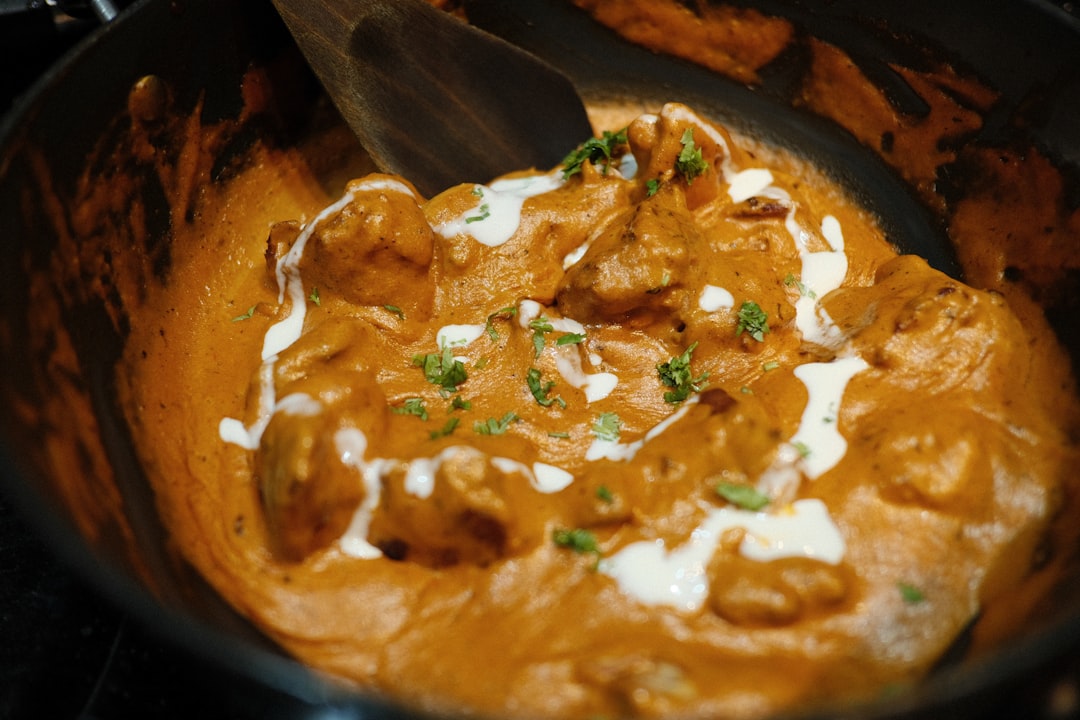
There is a reason butter chicken holds the title of the most ordered Indian dish worldwide. The combination of tender, charred chicken swimming in a velvety tomato-butter-cream sauce is a study in balance: warmth from spices, sweetness from tomatoes, richness from cream and butter, and just enough tang from yogurt-marinated meat. This is murgh makhani, the dish that launched a thousand takeout orders, and the version you make at home will surpass them all.
This butter chicken recipe stays true to the original created at Delhi’s Moti Mahal restaurant in the 1950s, where leftover tandoori chicken was simmered in a tomato-based, butter-enriched gravy. The technique is straightforward, the ingredients are accessible, and the result is a deeply satisfying dinner that comes together in under an hour. If you have enjoyed our chicken tikka masala, you will appreciate how butter chicken offers a distinctly different flavor profile: mellower, creamier, and built on the interplay of butter and tomato rather than bold masala spice.
Why This Recipe Works
Understanding the food science behind each step elevates this from a good butter chicken recipe to an exceptional one.
Yogurt marinade tenderizes and flavors simultaneously. The lactic acid in yogurt gently denatures the surface proteins of the chicken, creating a tender exterior that absorbs spices more effectively. The proteins in the yogurt also promote better browning under the broiler through the Maillard reaction, giving you those distinctive charred spots that add complexity to the final dish.
Broiling instead of pan-frying mimics tandoor cooking. A conventional oven’s broiler generates intense direct heat (500 degrees F and above), approximating the radiant heat environment of a clay tandoor. This produces the characteristic char on the chicken surface while keeping the interior juicy. The high heat also creates flavorful fond on the sheet pan that gets incorporated into the sauce.
Blending the sauce creates restaurant-quality smoothness. Pureeing the cooked tomato-onion base eliminates any textural inconsistency and emulsifies the fat with the water-based components. This mechanical emulsification, combined with the natural emulsifiers in the onion and tomato pectin, creates that signature velvety consistency that clings to each piece of chicken.
Finishing with cold butter enriches without breaking the sauce. Adding butter at the end (a technique borrowed from French monter au beurre) creates a glossy, cohesive sauce. The milk solids and water in the butter integrate into the sauce while the fat provides richness. Adding it off high heat prevents the emulsion from breaking.
Kasoori methi (dried fenugreek leaves) adds the signature restaurant aroma. This single ingredient is what most home recipes miss. Dried fenugreek leaves contribute a subtle bitter-sweet, herbaceous note that rounds out the sauce and gives butter chicken its unmistakable identity. Crush the leaves between your palms before adding to release their essential oils.
Recipe Card
| Prep Time | 20 minutes (plus 1 hour marinating) |
| Cook Time | 35 minutes |
| Total Time | 55 minutes (plus marinating) |
| Servings | 4 |
| Difficulty | Intermediate |
| Cuisine | Indian (North Indian / Punjabi) |
Ingredients
For the Chicken Marinade
- 2 pounds boneless, skinless chicken thighs, cut into 2-inch pieces
- 1 cup plain whole-milk yogurt
- 2 tablespoons fresh lemon juice
- 2 teaspoons ground cumin
- 1 teaspoon garam masala
- 2 teaspoons Kashmiri chili powder (or 1 teaspoon sweet paprika plus 1 teaspoon cayenne)
- 1 teaspoon ground turmeric
- 1 teaspoon fine sea salt
For the Makhani Sauce
- 3 tablespoons unsalted butter
- 1 tablespoon neutral oil (canola or grapeseed)
- 1 large yellow onion, finely diced
- 5 cloves garlic, minced
- 2-inch piece fresh ginger, finely grated
- 1 (14-ounce) can crushed tomatoes (San Marzano preferred)
- 1 tablespoon tomato paste
- 1 teaspoon ground coriander
- 1 teaspoon garam masala
- 1 teaspoon dried fenugreek leaves (kasoori methi), crushed
- 1/2 teaspoon ground cardamom
For Finishing
- 1 cup heavy cream
- 2 tablespoons unsalted butter, cold
- 1 teaspoon granulated sugar
- Fresh cilantro, roughly chopped, for garnish
- Basmati rice or warm naan, for serving
Step-by-Step Instructions
- Marinate the chicken. In a large bowl, whisk together yogurt, lemon juice, cumin, 1 teaspoon garam masala, Kashmiri chili powder, turmeric, and salt. Add chicken pieces and toss until every piece is well coated. Cover tightly with plastic wrap and refrigerate for at least 1 hour, or ideally 4 to 8 hours. Overnight is fine and produces the most tender results.
- Char the chicken. Position an oven rack 6 inches below the broiler element and preheat the broiler to high. Line a sheet pan with aluminum foil and lightly oil it. Arrange marinated chicken pieces in a single layer, leaving space between them. Broil for 12 to 15 minutes, flipping once at the halfway mark, until the edges are deeply charred and an instant-read thermometer inserted into the thickest piece reads 165 degrees F. Set aside. Do not discard any juices on the pan.
- Build the sauce base. While the chicken broils, heat 3 tablespoons butter and the oil in a large Dutch oven or heavy-bottomed pot over medium heat. When the butter foams, add the diced onion. Cook for 6 to 8 minutes, stirring occasionally, until the onion is softened and golden at the edges. The caramelization adds sweetness that balances the acidity of the tomatoes.
- Bloom the aromatics. Add the minced garlic and grated ginger to the pot. Stir constantly for 60 seconds until highly fragrant. Stir in the tomato paste and cook for 30 seconds; the paste darkens slightly as its sugars caramelize. Add the crushed tomatoes, ground coriander, remaining 1 teaspoon garam masala, ground cardamom, and crushed fenugreek leaves. Stir to combine.
- Simmer and puree. Bring the sauce to a gentle boil, then reduce heat to medium-low. Simmer for 15 minutes, stirring occasionally, until the sauce has thickened and the oil begins to separate at the edges. This separation indicates the tomatoes have fully cooked and the flavors have concentrated. Carefully transfer the sauce to a blender and puree on high for 60 seconds until completely smooth. Return to the pot over medium-low heat.
- Combine and finish. Stir the heavy cream into the pureed sauce. Add the cold finishing butter and sugar, stirring until the butter melts and the sauce turns a uniform, luxurious orange. Nestle the charred chicken pieces into the sauce along with any juices from the sheet pan. Simmer gently for 8 to 10 minutes. The sauce should coat the back of a spoon; if it is too thick, add a splash of water.
- Season and serve. Taste the sauce and adjust salt as needed. Ladle the butter chicken over steamed basmati rice or serve alongside warm, freshly baked naan. Garnish generously with chopped fresh cilantro. Serve immediately.
Substitution Guide
| Original Ingredient | Substitution | Notes |
|---|---|---|
| Chicken thighs | Chicken breast or paneer (for vegetarian) | Reduce broiling time by 2-3 minutes for breast. Cube paneer and pan-fry instead of broiling. |
| Heavy cream | Full-fat coconut cream or cashew cream | Coconut cream adds slight sweetness. Cashew cream (soaked cashews blended with water) gives the closest texture. |
| Kashmiri chili powder | 1:1 mix of sweet paprika and cayenne pepper | Kashmiri chili provides color with mild heat. The paprika-cayenne blend approximates both qualities. |
| Yogurt | Dairy-free coconut yogurt | Ensure it is unsweetened. The acidity level is slightly lower, so add an extra tablespoon of lemon juice. |
| Kasoori methi | 1/2 teaspoon dried thyme plus pinch of celery seed | Not a perfect match, but provides a similar herbaceous-bitter note. Highly recommend finding the real thing. |
| Garam masala | Equal parts cumin, coriander, cardamom, and black pepper | A simplified blend. Add a pinch of cinnamon and clove for more complexity. |
Storage and Reheating Instructions
Refrigerator: Transfer cooled butter chicken to an airtight container. It keeps for up to 4 days in the refrigerator. The flavors actually improve after a day as the spices continue to meld, making this an excellent make-ahead meal.
Freezer: Cool completely, then transfer to freezer-safe containers or heavy-duty zip-top bags with the air pressed out. Freeze for up to 3 months. Thaw overnight in the refrigerator before reheating.
Reheating: Warm gently in a saucepan over medium-low heat, stirring occasionally. The sauce may thicken during storage; add a splash of cream or water to restore the original consistency. Microwave reheating works in 90-second intervals at 70% power, stirring between each interval. Avoid boiling, which can cause the cream to separate.
If you enjoy saucy, protein-rich meals, our quick chicken curry offers another weeknight-friendly option with a different spice profile.
Nutrition Facts (Per Serving)
| Nutrient | Amount | % Daily Value |
|---|---|---|
| Calories | 490 kcal | 25% |
| Total Fat | 28g | 36% |
| Saturated Fat | 14g | 70% |
| Cholesterol | 155mg | 52% |
| Sodium | 680mg | 30% |
| Total Carbohydrates | 14g | 5% |
| Dietary Fiber | 3g | 11% |
| Sugars | 8g | — |
| Protein | 42g | 84% |
Nutrition values are estimates based on USDA FoodData Central calculations. Actual values may vary based on specific ingredients and portion sizes.
Tips from a Professional Kitchen
Do not skip the charring step. The Maillard reaction and slight carbonization on the chicken surface contribute dozens of new flavor compounds. Pan-searing cannot replicate this. If your broiler runs unevenly, rotate the pan halfway through.
Toast your whole spices for deeper flavor. For an even more aromatic butter chicken, start with whole cumin seeds, green cardamom pods, and a small cinnamon stick. Toast them in the butter before adding onions. Strain them out before blending the sauce, or leave them in for a more rustic presentation.
Control the sauce consistency with precision. The sauce should be thick enough to coat a spoon but thin enough to pour. According to Serious Eats, the ideal consistency resembles a thick but pourable cream soup. Reduce further if it is too thin; add cream or water tablespoon by tablespoon if it is too thick.
For those who enjoy building global flavors at home, pair this butter chicken with a side of fragrant basmati rice. The combination works beautifully alongside a simple cucumber raita for cooling contrast. Related: exploring our Korean bibimbap for another richly flavored rice-based meal from a different culinary tradition.
Frequently Asked Questions
What is the difference between butter chicken and tikka masala?
Butter chicken (murgh makhani) originated in Delhi in the 1950s and features a tomato-butter-cream sauce with a milder, sweeter profile. Tikka masala likely originated in the UK and uses a spicier, more robustly seasoned tomato-based sauce. Butter chicken relies on cream and butter for richness, while tikka masala often uses coconut cream or yogurt. The marinades differ as well: butter chicken traditionally uses a simpler yogurt-spice blend, whereas tikka masala often includes a more complex spice paste. For a deeper comparison, Bon Appetit has an excellent breakdown of the two dishes.
Can I make butter chicken with chicken breast instead of thighs?
Yes, but chicken thighs are strongly recommended. Thigh meat contains approximately 10% fat compared to breast meat’s 3%, along with more collagen that converts to gelatin during cooking, keeping the meat moist and succulent. If using breast, reduce the broiling time by 2 to 3 minutes and avoid overcooking, as breast dries out significantly faster. Cut breast into slightly smaller pieces (1.5 inches) to help them absorb more sauce.
How do I make butter chicken less spicy?
Reduce the Kashmiri chili powder to 1 teaspoon or substitute entirely with sweet paprika for color without heat. Increasing the cream to 1 and 1/4 cups also tempers spice levels. You can also add an extra teaspoon of sugar to balance any residual heat. What makes this recipe is its adaptability: start mild and add heat at the table with chili flakes or hot sauce.
Can I freeze butter chicken?
Butter chicken freezes exceptionally well for up to 3 months. Cool the dish completely, transfer to airtight containers leaving 1 inch of headspace for expansion, and freeze. Thaw overnight in the refrigerator and reheat gently on the stovetop over medium-low heat. Add a splash of cream when reheating to restore the sauce’s original silky consistency. Do not refreeze after thawing.
What is kasoori methi and can I skip it?
Kasoori methi is the Hindi name for dried fenugreek leaves, a staple in North Indian cooking. It adds a distinctive slightly bitter, earthy, and almost maple-like aroma that is a hallmark of authentic butter chicken. While you can technically omit it, the dish will lack that characteristic restaurant-style depth that makes people say, “this tastes like the real thing.” Find it at Indian grocery stores, international aisles of large supermarkets, or order online. A small box lasts months and transforms any curry.
Disclaimer
Nutritional information is provided as a general estimate and should not be considered a substitute for professional dietary advice. Values are calculated using USDA FoodData Central data and may vary depending on specific brands, ingredient sizes, and preparation methods. If you have food allergies or dietary restrictions, consult a healthcare professional before preparing this recipe. This article contains links to external websites for informational purposes; cookingzone.org is not responsible for the content of external sites.

Tom Nakamura
Tom learned to cook from his obaachan during summers in Japan - pickling daikon at the kitchen table, watching her stir miso into broth without ever measuring. Later, family trips with cousins took him through markets in Bangkok, Shanghai, and Hanoi, and the food stuck with him. His writing focuses on making authentic Asian techniques accessible to home cooks without diluting the technique or the culture that defines them. He handles Chinese, Japanese, Korean, Thai, Vietnamese, Indian, and Middle Eastern recipes at the publication.
Please note: Nutritional estimates in our recipes are derived from the USDA FoodData Central database and may vary based on specific brands and ingredient sizes. If you have food allergies, dietary restrictions, or medical conditions, consult a registered dietitian or healthcare provider before preparing this recipe. Always follow safe food-handling guidelines, including proper cooking temperatures for meat, poultry, fish, and eggs. Nothing in this article should be interpreted as medical, nutritional, or dietary advice.