For about ten days in the third week of September, a temperate-climate market is carrying two seasons at once. Peppers and paste tomatoes are stacked in flat boxes at prices that will not appear again for eleven months, and one table over there are the first crates of squash and the first apples that taste like anything.
That overlap is short and it is the only week of the year when both halves of the pantry can be stocked in one trip. Miss it and the summer boxes are gone by the first week of October, while the fall crops sit at their opening price rather than their best one.
What follows is a shopping list of twelve, split into the eight worth buying by the case and the four worth buying in small amounts now, with what to look for on each, how much a household of two or three should carry home, and where it all goes when you get there. Then the four things to leave on the table until the middle of October.
| Group | What it is | Quantity for two or three people | Why now |
|---|---|---|---|
| Buy by the case | paste tomatoes, sweet peppers, chiles, basil, sweet corn, eggplant, table grapes, prune plums | 10 to 20 pounds each of the first two, less of the rest | the cheapest they will be, and the last decent quality |
| Buy in small amounts | early apples, delicata and acorn squash, fall broccoli, leeks | enough for two weeks of eating | just arrived, at their best, will not improve by waiting |
| Leave until mid-October | Brussels sprouts, kale and collards, parsnips, storage squash | none | cold nights change them, and the price falls |
Ten days when both seasons are on the same table
Two things are happening at the same time and neither lasts. Summer crops are in their final flush, which means growers are clearing plants rather than picking selectively, and quantity arrives at the market faster than it sells. That is what a box of seconds actually is: fruit that ripened all at once on a plant that is being pulled out next week.
Meanwhile the first fall crops are appearing at opening prices, which are the highest they will be all season. Squash, sprouts and roots all get cheaper through October and November as the volume comes in.
The buying rule falls out of that on its own. Buy heavily where the price is at its floor and the quality is still there, buy lightly where the crop has just started, and wait entirely on the things that cold weather improves.
September seasonal produce, and the three-week rule
The rule is worth stating plainly because it decides most of the list. If cold nights make a crop better, wait three weeks. If cold nights end a crop, buy now.
Frost and near-freezing nights push some plants to convert stored starch into sugar, which is a survival response rather than a gift to cooks, and it is why sprouts, kale, parsnips and leeks taste noticeably sweeter in late October than they do in mid-September. Nothing you do in a kitchen replicates it.
The same weather ends tomatoes, peppers, basil and eggplant outright, because those plants have no cold tolerance and the fruit stops ripening well below room temperature. September seasonal produce is therefore two lists with opposite instructions, and the reason people come home from the market with the wrong bags is that they treat it as one.
Eight summer crops to buy by the case
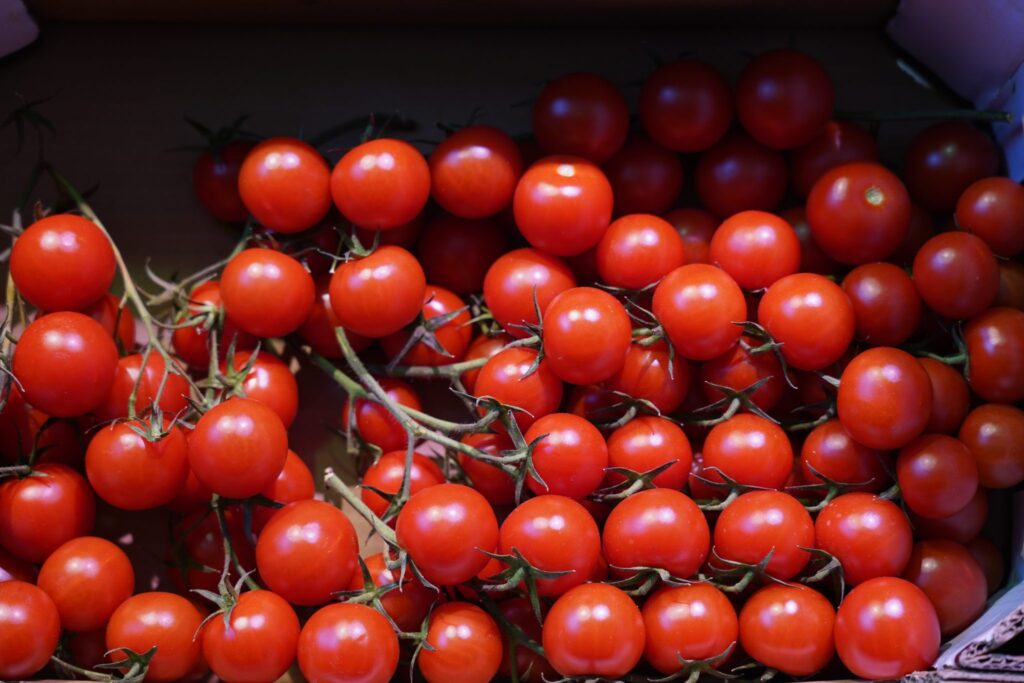
- Paste tomatoes, 20 pounds. Roma, San Marzano and similar plum types, sold in flats. Approved if the box is deep red throughout with no green shoulders, and if soft fruit is soft rather than weeping. A little cracking at the stem is fine, and an heirloom box is worth paying more for only if you are eating them raw. This is the single cheapest week of the year for them, and everything else on the list is optional beside it.
- Sweet peppers, 10 pounds. Red, yellow and the long frying types. Take the box if the skin is taut and glossy and the stem is green rather than dried. Wrinkled shoulders mean the pepper has been picked for a while and has already lost water.
- Chiles, 2 to 3 pounds. Whatever the grower has, bought mixed. Check every skin is unbroken; a split chile will mold in a bag within two days. This is also the cheapest week for them by a wide margin.
- Basil, four large bunches. Reject any bunch with bruised leaves or blackened cut ends. The last big flush before cold nights arrive, and basil is the one herb that genuinely stops being available rather than getting expensive.
- Sweet corn, 12 to 18 ears. The husk should be tight and green and the silk brown and dry rather than damp. Pull back an inch and check the kernels are plump to the tip. The last two weeks of corn worth eating.
- Eggplant, 6 to 8. It has to feel heavy for its size, and the skin should spring back when pressed. Light for its size means it is old and spongy inside. Prices bottom out now because plants are being cleared.
- Table and wine grapes, 5 pounds. Concord and other slip-skin varieties have a window of about three weeks and then they are finished for the year. Lift a bunch by the stem: green and flexible passes, and nothing should drop off.
- Italian prune plums, 5 pounds. The small oval blue ones, the last stone fruit of the year. Look for the dusty bloom on the skin, which rubs off on handling and is the sign they have not been pawed over. Firm is fine; they finish ripening on the counter.
Four autumn crops worth buying the day they appear
- Early apples, 5 pounds. Gala, McIntosh, Honeycrisp and other early varieties. Press the shoulders: firm passes, and the skin should not feel oily. These do not store well, which is exactly why they are worth eating now and not worth stockpiling; the long-keeping varieties come in October.
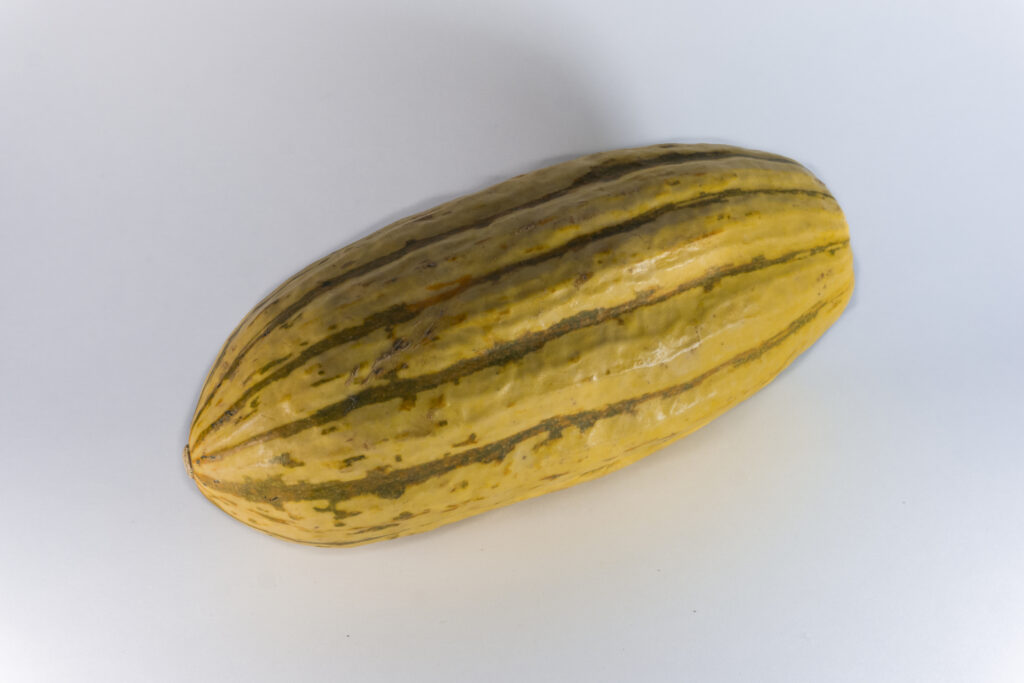
- Delicata and acorn squash, 3 or 4. The stem has to be dry, corky and still attached, and a thumbnail should not dent the skin. Delicata in particular has a thin skin, does not keep past about a month and is at its best right now.
- Fall broccoli or cauliflower, 2 heads. The autumn planting is better than the spring one because heads form in cooling weather rather than warming weather. Beads tight and blue-green with no yellowing, and a cut stem that is moist rather than dried and hollow.
- Leeks, a bundle of 4 or 5. The first pull of the season, thinner than the winter ones. The white shank has to be firm the whole way down, with no slime where the leaves meet. They will get fatter and cheaper, so buy for eating rather than for storing.
How to read a box of seconds
A flat of seconds is where the savings are and also where the losses are. The fruit is priced low because it is ripe now, cosmetically imperfect, or both, and the difference between a bargain and a wasted afternoon is visible before you buy.
Lift the box and look at the bottom layer through the gaps. Growers pack good fruit on top. If the bottom is wet, or if the cardboard is stained through, a portion of the box has already gone and the rot will spread through the rest within a day. Smell it, too: a case of tomatoes should smell green and faintly of the vine, not sweet and fermented.
Split skin is different from bruised skin. A crack that has healed over and dried is cosmetic and the fruit behind it is fine. A wet split with anything growing in it means that fruit is finished, and if there are more than a few, so is the box. Buy the case that needs sorting, not the case that needs triage.
Where each of the twelve goes when you get home
| Item | Where it goes | Realistic window |
|---|---|---|
| Paste tomatoes | counter, out of the sun, in a single layer | 3 to 6 days, work through them fast |
| Sweet peppers | refrigerator crisper, unbagged | 2 weeks |
| Chiles | paper bag in the refrigerator, or strung to dry | 2 weeks fresh, months dried |
| Basil | stems in a glass of water on the counter, never the fridge | 4 to 5 days |
| Sweet corn | refrigerator, husks on | 2 to 3 days before it turns starchy |
| Eggplant | cool room, not the coldest shelf | 5 days |
| Grapes | refrigerator, unwashed until eaten | 1 week |
| Prune plums | counter to ripen, then refrigerator | 3 days out, 1 week cold |
| Early apples | refrigerator, away from everything else | 3 to 4 weeks |
| Delicata and acorn squash | cool dry shelf, not the refrigerator | 3 to 5 weeks |
| Broccoli | refrigerator, loosely wrapped | 1 week |
| Leeks | refrigerator, wrapped so they do not scent everything | 2 weeks |
Apples get their own shelf for a reason. They release ethylene, the gas that drives ripening, in quantity, and anything sensitive stored beside them ages faster. Keep them away from the leeks and the broccoli in particular.
Blanch these four, freeze the rest as they are
Corn, broccoli, green beans and any leafy greens need a short boil and an ice bath before freezing, because the enzymes that keep working in a raw vegetable at freezer temperature are what turn frozen produce grassy and gray over a few months. The boil switches them off.
Peppers, chiles, tomatoes, eggplant and squash do not need it. Peppers can be cored, sliced and frozen raw on a tray; they lose crispness and keep everything else. Tomatoes freeze whole in bags and the skins slip off under warm water when they thaw, which is the laziest good trick in the pantry.
Basil is the exception that needs fat rather than water. Blitzed with olive oil and frozen in a flat sheet, it keeps its color for months. Frozen as leaves, it turns black within days and is only good for a pot of sauce.
Canning tomatoes: the acid step is not optional
A case of tomatoes and a canner is the obvious move, and there is one rule that is not a matter of preference. Tomatoes sit right at the boundary of the acidity that makes water-bath canning safe, and many modern varieties fall on the wrong side of it. Every current tested procedure calls for added acid in each jar before processing.
The standard amounts are one tablespoon of bottled lemon juice or a quarter teaspoon of citric acid per pint, doubled for a quart. Bottled juice rather than fresh, because bottled is standardized for acidity and a fresh lemon is not. Add it to the jar, not to the pot.
The reason is Clostridium botulinum, which does not grow in acidic conditions but survives boiling-water temperatures in a low-acid sealed jar. This is the one place in seasonal cooking where following a tested procedure exactly matters more than judgement, and where an old family method that skips the acid step should be retired rather than defended. If canning is not appealing, freezing tomatoes carries none of this risk at all.
Cider, and the line on the label
The first pressings arrive alongside the early apples and they are worth buying, with one thing to check. Cider sold unpasteurized carries a warning on the label in most places that require one, and that warning is aimed at specific groups: young children, adults over sixty-five, pregnant women and anyone whose immune system is compromised. For those groups it should be heated to a steaming 160F before drinking, which takes two minutes in a pan and costs nothing in flavor.
Everyone else can make their own call. Unpasteurized cider tastes more of apple, and it ferments in the bottle, going fizzy and then sour within a week or two, which is a feature if you were planning to cook with it.
Early-season cider is pressed from whatever ripens first and tends to be one-note and sharp. The blended pressings in mid-October are better. Buy a bottle now for cooking and wait for the rest.
Four things worth waiting three weeks for
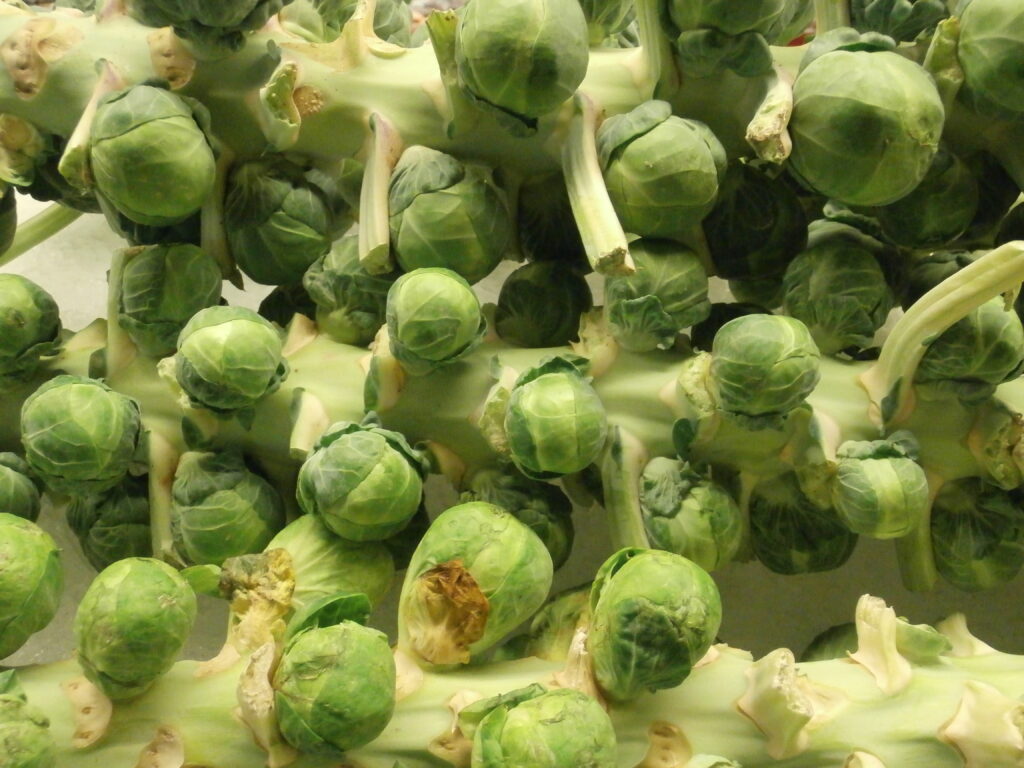
Brussels sprouts. September sprouts are firm, bitter and expensive. After a run of cold nights they are sweeter and half the price, and they will be on the stalk rather than in a net bag, which keeps them fresh far longer.
Kale and collards. Same mechanism and a bigger difference in taste. Kale bought now is tough enough that most people give up on it, which is why so many people believe they dislike kale.
Parsnips. A parsnip lifted before cold weather is bland and slightly woody. The ones lifted after several frosts are properly sweet, and the difference is not subtle.
Storage squash. Butternut, kabocha and hubbard need curing after harvest, which means a week or two in warmth and dry air to harden the skin. A cured squash bought in mid-October will sit on a shelf until February. One bought too early will not.
What a bulk week actually costs in hours
Twenty pounds of tomatoes is roughly a full afternoon, and the honest accounting matters more than the price per pound. Sorting and washing takes half an hour. Roasting trays or filling a canner is another three to four hours of mostly unattended time with a check every forty minutes.
Peppers are the better trade: an hour of roasting, peeling and bagging turns ten pounds into a winter of sandwich filling and stuffed peppers. Basil takes twenty minutes. Corn is the worst ratio on the list, since eighteen ears blanched, cut and bagged takes over an hour and yields about six cups.
Plan for one crop per evening rather than one enormous Saturday. The failure mode is a kitchen full of boxes and a cook who has lost interest by Sunday afternoon, which is how a bargain turns into compost.
The case of tomatoes that rots on Thursday
Ripe fruit in a stack is a heat source. Fruit respires, respiration produces warmth, and a closed box in a warm kitchen holds that warmth against the fruit and speeds everything up. Open every box the moment it comes through the door and spread the contents in a single layer, and half the losses stop there.
The other half come from the refrigerator, which is the wrong place for tomatoes, eggplant and basil. Cold damages the cell structure of all three, and a tomato that has been chilled and brought back to room temperature is mealy and flat no matter how good it was in the box.
Deal with the softest fruit first rather than saving it, and cook the perfect ones later. Everyone does this backwards.
Frequently Asked Questions
How do I know a crop is local rather than shipped in?
Ask which farm, then ask what else they grow. A grower answers immediately. The other signal is variety: one uniform tomato in perfect condition is a reseller, while a grower selling in September has three or four types in mixed condition, because that is what came off the plants that week.
Is buying a case actually cheaper than buying weekly?
For paste tomatoes and peppers in this specific window, substantially, because you are buying at the moment of oversupply. For everything else the saving is smaller and the risk of waste is higher. The reliable way to lose money is to buy a case of something you have not decided what to do with before you get to the car.
Do I need to wash produce that is going straight into a hot pot?
Yes, and it is quick. Rinse under running water and rub the surface with your hands rather than using soap, which is not meant for food. Melons and squash get washed before cutting, not after, because a knife carries whatever is on the skin straight into the flesh.
Can I freeze tomatoes instead of canning them?
Yes, and for most households it is the better answer. Whole tomatoes go into bags raw, take up freezer space and none of your attention, and carry none of the acidity rules that apply to jars. The texture is destroyed, which does not matter for sauce, soup or braising, and it is the only thing they will be used for anyway.
What if I live somewhere warmer and none of this is on the table?
The overlap still happens, it just moves. In a mild-winter region the summer crops run several weeks longer and the fall crops arrive later, so the same week lands in early October. Watch the price of paste tomatoes rather than the calendar: the week they hit their floor is the week described here.