The same curry powder tastes noticeably flatter stirred into a pot of simmering water than it does dropped into a spoonful of hot oil first. Same jar, same amount, same dish, and the difference is obvious on the first spoonful.
A batch of chicken curry made two ways, side by side, one with the spices bloomed in oil before anything else went into the pan and one with the same spices added directly to the simmering liquid, made the gap easy to taste rather than theoretical. The bloomed version carried more depth from the first bite through the last.
The explanation is chemistry rather than technique for its own sake. Many of the compounds that make spices taste like anything are fat-soluble, meaning they dissolve into oil far more completely than they dissolve into water, and skipping the oil step leaves a real share of that flavor locked inside the spice particle instead of released into the dish.
- The rule: fat-soluble compounds need oil to release fully; water alone leaves flavor behind
- Best method: bloom ground or whole spices in warmed oil for 30 to 90 seconds before adding liquid
- Heat range: medium, oil shimmering but not smoking
- Biggest losers when skipped: turmeric, cumin, coriander, cardamom, whole spices generally
- Smaller effect: chili flakes and paprika, which release some flavor into water too
- Risk of blooming too long: scorched spice turns bitter within seconds past done
- Bonus: blooming in oil first also colors the oil itself, carrying flavor through the whole dish
Why fat pulls flavor out of a spice that water leaves behind
Many of the aromatic compounds responsible for a spice’s characteristic smell and taste are classified as fat-soluble, meaning their molecular structure dissolves readily into fat and oil but only weakly into water. Turmeric’s curcumin, the essential oils in cumin and coriander, and much of what makes cardamom smell like cardamom all fall into this category.
A spice added directly to a pot of simmering water or broth releases some flavor, since a little diffusion happens regardless, but a meaningful share of its aromatic compounds stay locked inside the plant tissue because the surrounding liquid cannot dissolve them out. The same spice given even thirty seconds of contact with hot oil first releases dramatically more, because oil is the solvent those compounds are built to dissolve into.
This is not a marginal difference in a side-by-side comparison. A curry built on bloomed spices carries a rounder, more layered aroma that holds up through a long simmer, while the same recipe made by adding spices to the liquid directly tastes comparatively muted, even when the exact same quantities go into the pot.
Blooming spices in oil vs water: the same curry, two ways
| Method | What happens to the spices | Result in the finished dish |
|---|---|---|
| Bloomed in hot oil, 30 to 90 seconds | fat-soluble compounds dissolve into the oil | rounder, more layered flavor, colored oil carries it through |
| Added directly to simmering liquid | only partial, slow diffusion into water | flatter, thinner flavor even after a long simmer |
| Added dry, no liquid or fat contact | almost no release until the dish is eaten | gritty texture, minimal contribution to taste |
Two pots of the same chicken curry, built from identical ingredient lists, made this difference easy to isolate. The only variable was whether the ground spice mix hit hot oil for a minute before the onions and tomato went in, or was stirred into the pot after the liquid was already simmering.
The bloomed batch needed noticeably less total spice to reach the same intensity as the un-bloomed one, which is a practical point worth remembering: skipping the bloom step often gets compensated for with more spice rather than better technique, and more spice without blooming still underperforms a properly bloomed smaller amount.
How to bloom spices in oil, step by step
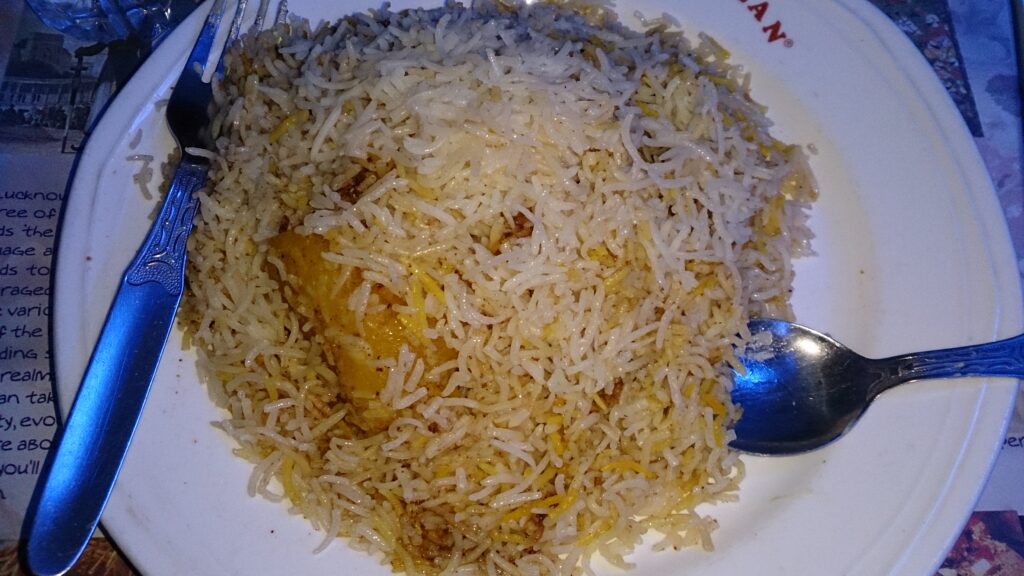
- Warm oil in the pan over medium heat until it shimmers. Not smoking; that is too hot and will scorch the spices within seconds of contact.
- Add whole spices first if using any, like cumin seeds or a cinnamon stick. They need slightly longer than ground spice to release, generally 30 to 45 seconds before anything else goes in.
- Add ground spices next, off the direct hottest part of the pan if needed. Ground spice burns faster than whole because more surface area is exposed to the oil at once.
- Stir constantly for 20 to 40 seconds. The color will deepen slightly and the aroma will noticeably intensify; that is the cue it has worked.
- Add aromatics like onion, garlic, or ginger immediately after. This stops the spice from continuing to cook alone and also picks up the flavored oil into everything that follows.
- Deglaze with tomato, stock, or water once the aromatics have softened. The liquid stops the cooking of the spice layer at the pan’s base and carries its flavor into the rest of the dish.
The oil temperature that ruins a bloom in seconds
Ground spice has a large surface area relative to its volume, which means it heats and browns extremely fast once it hits hot oil, and the window between properly toasted and burnt is often a matter of five or ten seconds rather than a full minute. Oil that is smoking before the spice goes in is already too hot for this step.
A scorched spice tastes acrid and bitter rather than fragrant, and that bitterness does not cook out over the rest of the dish’s simmer time; it carries through to the finished plate. The fix once it happens is rarely a rescue within the same pot, since the burnt particles have already dispersed into the oil that everything else is about to cook in.
Medium heat, constant stirring, and having every other ingredient already prepped and within arm’s reach before the spices go into the oil removes most of the risk. A bloom that has to wait on a not-yet-chopped onion is a bloom likely to overshoot.
Which spices lose the most flavor when the oil step is skipped
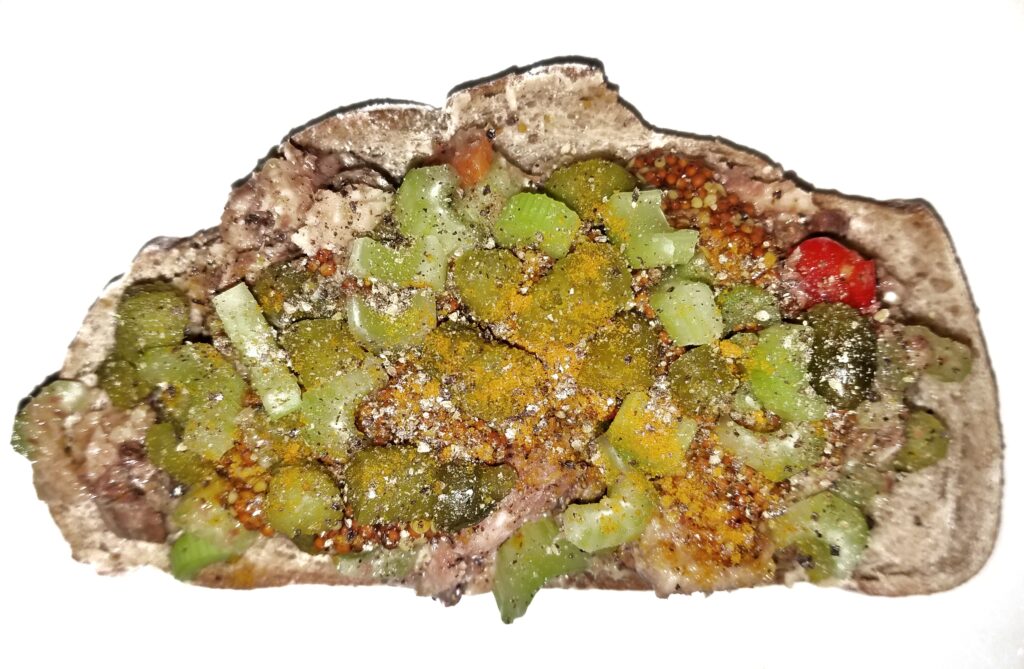
Turmeric loses the most in relative terms. Its curcumin content is strongly fat-soluble, and turmeric stirred directly into a watery broth contributes mostly color and very little of its earthy, slightly bitter depth, while the same turmeric bloomed in oil releases both the color and a much fuller flavor.
Whole cumin and coriander seeds behave similarly, since their essential oils sit within a tough seed coat that needs heat and fat contact to break open properly. Ground versions of the same spices lose somewhat less when skipped, since grinding has already exposed more surface area, but they still benefit measurably from the oil step.
Cardamom, cloves, and cinnamon, whether whole or ground, all carry a large share of their character in fat-soluble aromatic oils, and all three show a clear, tasteable gap between bloomed and un-bloomed preparation. Paprika and chili flakes are the exception that shows the smallest gap, since a meaningful portion of their flavor and heat compounds are at least partly water-soluble as well.
Why the oil itself becomes part of the seasoning
Once spices bloom in oil, the oil itself takes on their color and a good share of their dissolved aromatic compounds, effectively becoming a flavored cooking medium rather than a neutral one. Everything that cooks in that oil afterward, from onions to the protein itself, picks up flavor by contact with it.
This is part of why a curry that starts with a proper bloom tastes seasoned in every bite rather than seasoned only where spice particles happen to land. The flavor is distributed through the fat that coats every piece of food in the pan, not just through whatever solid spice grains ended up stuck to a given piece of chicken.
A similar principle runs through a Chettinad-style curry, where whole spices are bloomed and often ground into a paste specifically to maximize this oil-carried distribution before the main braise ever begins.
Blooming in ghee, neutral oil, or butter: does the fat matter?
Any fat can dissolve fat-soluble spice compounds, but the fat’s own flavor and smoke point change how the bloom behaves. Ghee, common in South Asian cooking, has a high smoke point and a rich, slightly nutty flavor of its own that layers well with warm spices like cardamom and cinnamon.
Neutral oils like a light vegetable or sunflower oil carry spice flavor cleanly without adding a competing taste, which makes them a good default when the spice blend itself should be the star. Butter has a lower smoke point than either and can scorch before the spices finish blooming, so it works best combined with a small amount of neutral oil to buffer the heat.
None of these choices changes the underlying chemistry: fat-soluble compounds need fat to dissolve into, regardless of which fat is doing the dissolving. The choice is really about the finished dish’s flavor profile rather than about whether blooming will work.
What happens if you bloom spices too early, before the pan is hot
Adding ground spice to oil that is still cold, then bringing the whole pan up to temperature together, gives the spice a much longer window of contact with heat before it reaches the point of proper blooming, and that extended low-heat exposure often results in uneven cooking: some particles scorch near the pan’s hotter edges while others barely warm through in the center.
The more reliable sequence is heating the oil to temperature first, confirming it shimmers, and only then adding the spice for a short, controlled window. This gives a consistent result across the whole batch rather than a mix of properly bloomed and undercooked particles in the same spoonful.
A cold start can work for very delicate spices that scorch easily even at moderate heat, like saffron threads steeped rather than fried, but for the ground and whole spices common in most curries, a hot pan first is the more dependable method.
Applying this to a curry made entirely in a slow cooker or pressure cooker
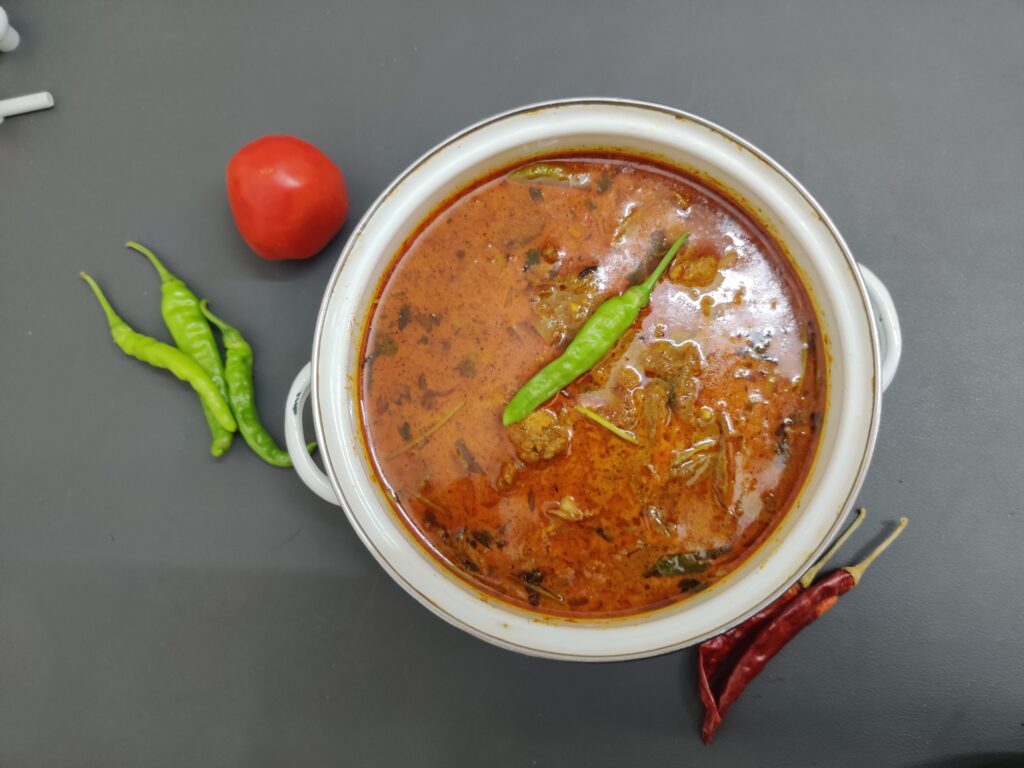
A slow cooker or pressure cooker set to simmer everything together from raw ingredients skips the bloom step by default, since there is no separate hot-oil stage before the liquid goes in, and the flavor difference described above shows up clearly in that format too.
The fix does not require abandoning either appliance. A quick sauté step in a separate pan, or using the sauté function built into most electric pressure cookers, to bloom the spices in oil for a minute before adding them to the slow cooker or pressure vessel closes most of the gap. It adds five minutes to the prep and noticeably improves the finished flavor.
Skipping this step is the most common reason a slow cooker curry tastes flatter than the same recipe made on the stovetop, more so than the cooking vessel itself, which otherwise handles a long, gentle simmer perfectly well once the spices are already dissolved into the cooking fat. It is the same reason a fast weeknight curry can still taste properly seasoned despite a short cook time.
A minute of hot oil before anything else goes into the pan is a small step with an outsized effect, and it is the difference a lot of home cooks are missing without realizing a step was skipped at all.
Frequently Asked Questions
Do I need to bloom pre-mixed spice blends the same way as individual spices?
Yes, a pre-mixed blend like a curry powder or garam masala benefits from the same oil bloom as individual spices, since it is made up of the same fat-soluble compounds. Treat it exactly the same way: hot oil, thirty to sixty seconds, then move on to the next ingredient.
Can I bloom spices ahead of time and store the flavored oil?
Yes, within reason. A batch of spice-infused oil keeps refrigerated for about a week and can be used to start a dish faster on a busy night, though the aroma is strongest right after blooming and fades gradually with storage time.
Is there a risk to blooming spices if I have a dish that needs to stay vegan or dairy-free?
No, any neutral plant oil works for blooming; the technique has nothing to do with the fat being animal-derived. Ghee and butter are options, not requirements, and a good vegetable or coconut oil blooms spices just as effectively.
Why does my kitchen fill with smoke when I bloom spices?
That usually means the oil was heated past its smoke point before the spices went in, or the spices were left in too long. Lower the heat slightly, watch for the oil to shimmer rather than smoke, and pull the pan off heat the moment the spices smell fragrant rather than waiting for visible browning.
Does blooming matter for a dish that only simmers for ten minutes?
It matters even more for a short simmer, since there is less time for water alone to extract any flavor from an un-bloomed spice. A quick dish benefits proportionally more from a properly bloomed base than a dish that simmers for hours and has more time to compensate.