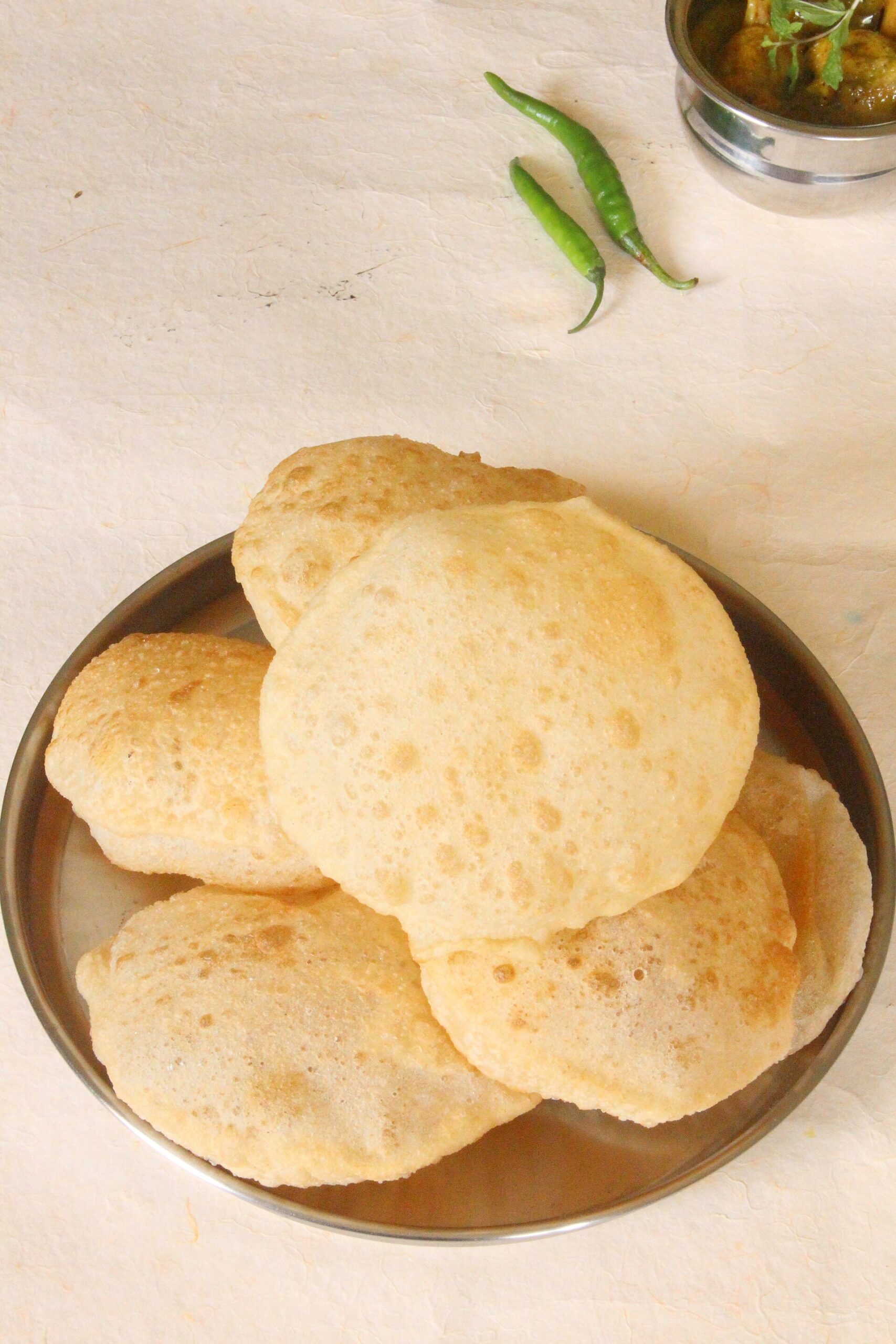
There is nothing quite like homemade dinner rolls. Soft, pillowy, slightly sweet, with a golden crust that tears open to reveal an impossibly tender interior. They are the kind of bread that makes people fight over the last one and ask for your recipe. And despite what you might think, they are not difficult to make.
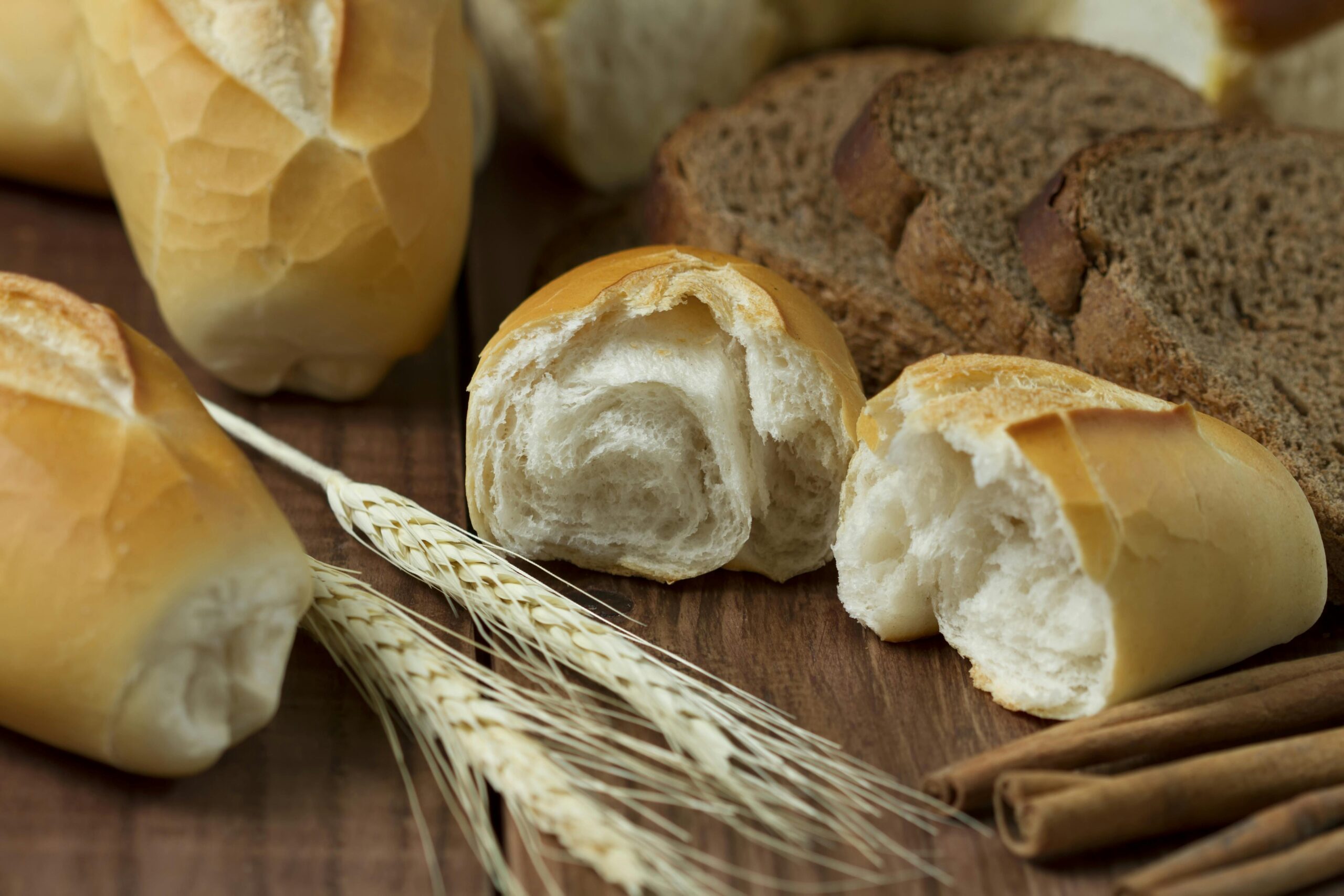
This recipe produces bakery-quality dinner rolls with a tender crumb and rich buttery flavor. The dough comes together easily, requires minimal kneading, and is very forgiving. Even if your yeast baking skills are rusty, you can make these successfully.
Understanding Yeast Bread
Before we dive into the recipe, let us talk about what makes yeast bread work. This knowledge will help you troubleshoot problems and bake with confidence.
Yeast
Yeast is a living organism that feeds on sugar and produces carbon dioxide gas, which makes bread rise. For best results, use instant yeast (also called rapid-rise or bread machine yeast). It can be mixed directly into the flour without proofing first and works faster than active dry yeast.
Make sure your yeast is fresh. Old yeast loses potency and produces flat, dense bread. Store yeast in the freezer for longest shelf life.
Temperature
Temperature is crucial. The liquid should be warm (about 110F) to activate the yeast but not hot or it will kill it. An instant-read thermometer is helpful. The dough should rise in a warm spot around 75F to 80F. Too cold and it rises slowly. Too warm and it rises too fast and develops off flavors.
Kneading
Kneading develops the gluten that gives bread its structure and chewy texture. However, enriched doughs like this one (containing butter, eggs, and milk) need less kneading because the fat inhibits gluten development. Over-kneading enriched dough makes it tough.
Proofing
Proofing is the final rise after shaping. The rolls should roughly double in size. Under-proofed rolls will be dense. Over-proofed rolls will collapse and be flat. The poke test helps: press your finger into the dough. If it springs back slowly, it is ready. If it springs back quickly, let it rise more. If it does not spring back at all, it is over-proofed.
The Essential Ingredients
Flour
All-purpose flour works perfectly for dinner rolls. Bread flour will work too but produces a slightly chewier texture. Do not use cake flour or whole wheat.
Butter
Butter makes these rolls rich and tender. Use softened unsalted butter in the dough and melted butter for brushing the tops.
Milk
Milk adds richness and helps create a tender crumb. Warm it to about 110F before adding to the yeast.
Eggs
Eggs add richness, color, and help bind the dough. Use room temperature eggs so they do not cool down the warm milk.
Sugar
Sugar feeds the yeast and adds a slight sweetness that makes these rolls irresistible.
The Complete Recipe
Ingredients
- 1 cup whole milk, warmed to 110F
- 1/3 cup sugar
- 2.25 teaspoons instant yeast (1 packet)
- 4 cups all-purpose flour, plus more for kneading
- 1 teaspoon salt
- 2 large eggs, at room temperature
- 6 tablespoons unsalted butter, softened
- 2 tablespoons melted butter, for brushing
Instructions
Step 1: Activate the yeast. In a small bowl, combine warm milk, sugar, and yeast. Let sit for 5 minutes until foamy. If it does not foam, your yeast is dead and you need to start over with fresh yeast.
Step 2: Mix the dough. In a large bowl, whisk together flour and salt. Add the yeast mixture, eggs, and softened butter. Stir with a wooden spoon until a shaggy dough forms.
Step 3: Knead. Turn the dough onto a lightly floured surface. Knead for 5 to 7 minutes until smooth and elastic. The dough should be soft and slightly tacky but not sticky. Add flour sparingly if needed.
Step 4: First rise. Place dough in a greased bowl, turning to coat. Cover with plastic wrap and let rise in a warm spot until doubled in size, about 1 to 1.5 hours.
Step 5: Shape the rolls. Punch down the dough to deflate. Divide into 12 equal pieces (a kitchen scale helps for even sizing). Roll each piece into a smooth ball by tucking the edges under and pinching closed. Place seam-side down in a greased 9×13 inch baking pan, spacing evenly.
Step 6: Second rise. Cover with plastic wrap and let rise until doubled, about 45 minutes to 1 hour. The rolls should be touching each other and look puffy.
Step 7: Bake. Preheat oven to 375F. Bake for 20 to 25 minutes until golden brown on top. The internal temperature should reach 190F.
Step 8: Finish. Brush hot rolls immediately with melted butter. Let cool for 10 minutes before serving.
Tips for Perfect Rolls
Check Your Yeast
If the yeast mixture does not foam in step 1, your yeast is dead. Do not proceed or you will waste all your ingredients on flat rolls.
Do Not Add Too Much Flour
The dough should be soft and slightly tacky. Too much flour makes dense, dry rolls. It is better to have slightly sticky dough that you can work with than stiff dough.
Shape Tightly
Tightly shaped balls with the seam pinched closed rise better and bake more evenly. Loose shaping leads to misshapen rolls.
The Poke Test
To test if the rolls are properly proofed, poke one with your finger. If the indent springs back slowly, they are ready. If it springs back quickly, let them rise longer. If it does not spring back at all, they may be slightly over-proofed but will still taste good.
Butter Immediately
Brushing the hot rolls with melted butter makes the crust soft and adds gorgeous shine. It also keeps them fresh longer.
Variations
Garlic Herb Rolls
Mix minced garlic, chopped fresh herbs (rosemary, thyme, parsley), and salt into the melted butter before brushing on top.
Honey Butter Rolls
Add 2 tablespoons honey to the dough and brush with honey butter after baking.
Parmesan Rolls
Sprinkle freshly grated parmesan over the buttered rolls right out of the oven.
Pull-Apart Loaf
Place the shaped balls in a loaf pan for pull-apart bread instead of individual rolls.
Make-Ahead Options
Refrigerator Rise
After shaping, cover the pan tightly and refrigerate overnight. The next day, let the rolls come to room temperature and rise for about an hour before baking. This develops more flavor and lets you do most of the work ahead.
Freezing
Freeze baked rolls in an airtight bag for up to 3 months. Thaw at room temperature and warm in a 350F oven for 5 minutes.
You can also freeze the dough balls before the second rise. Let them rise and then freeze on a baking sheet. Transfer to a freezer bag. To bake, place frozen balls in the pan, cover, and let thaw and rise at room temperature for 3 to 4 hours before baking.
Dinner Rolls Troubleshooting
Rolls Did Not Rise
Your yeast was dead. Make sure it foams in the warm milk before proceeding. Also make sure the milk was not too hot (above 120F) which kills yeast.
Rolls Are Dense
You used too much flour, or you did not let them rise long enough. The dough should double in size during both rises.
Rolls Are Tough
You kneaded too long or used too much flour. Enriched doughs need less kneading than lean breads.
Tops Burned Before Inside Was Done
Your oven is too hot. Use an oven thermometer to check. You can also tent with foil if they are browning too fast.
Frequently Asked Questions
Can I use active dry yeast?
Yes, but proof it first. Dissolve it in the warm milk with sugar and let it sit for 10 minutes until foamy before adding to the flour.
Can I halve the recipe?
Yes, just halve all ingredients and use an 8-inch square pan. Bake time will be similar.
Why are my rolls different sizes?
Use a kitchen scale to weigh each portion for perfectly even rolls. Eyeballing leads to variation.
Can I make these dairy-free?
Use plant milk and vegan butter. The results will be slightly different but still good.
Final Thoughts
Homemade dinner rolls are one of those things that seem intimidating but are actually quite simple once you understand the basics. This recipe is forgiving and produces incredibly soft, buttery rolls that will impress everyone at your table.
There is something deeply satisfying about baking bread from scratch. The smell of yeast, the feel of the dough in your hands, the golden rolls coming out of the oven. It connects you to generations of bakers who came before and reminds you that the best things in life are often the simplest.
Explore more bread recipes to continue your baking journey.
Sources & References
Pro Tips for Better Results
Preparation is key to success in the kitchen. Read the entire recipe before starting and gather all ingredients. This mise en place approach prevents surprises mid-cooking.
Taste as you cook and adjust seasonings throughout the process. Your palate is the best guide to creating delicious food.
Do not be afraid to make mistakes. Every failed dish teaches something valuable about technique and flavor.
Quality ingredients make a noticeable difference. When possible, choose fresh, seasonal produce and high-quality proteins for the best results.