The pepper table at the farm market in mid-September looks nothing like it did in July. Jalapenos that were sixty cents each are three dollars a quart. Fresnos, cayennes and red serranos have gone fully red on the plant instead of being picked green, and there are crates of odd-shaped ones sold as seconds for whatever the grower can get.
This is the two-week window where a hot sauce project makes economic sense. Five pounds of ripe peppers, forty grams of salt, a clean jar and two weeks of doing nothing produce roughly three pints of sauce with a depth that no vinegar-and-blender version reaches.
The brine has to be calculated by weight rather than by cup, and after that the work is mostly knowing what a healthy jar looks like on each of the first ten days, telling apart the two things that float on top, and finishing the sauce so a sealed bottle does not push its own cap off in the refrigerator.
| The batch | Two pounds of peppers |
|---|---|
| Peppers | 2 pounds, ripe, stems off, about 900 grams |
| Salt | 3.5 percent of the total weight of peppers plus water |
| Active time | 25 minutes on day one, 5 minutes on day fourteen |
| Fermentation | 10 to 21 days at 65 to 72 degrees |
| Yield | about 3 cups of finished sauce from 2 pounds of peppers |
| Keeps | 6 months or more refrigerated, once the acidity is where it should be |
| Most common mistake | salting by the tablespoon instead of weighing peppers and water together |
| Equipment | a scale that reads grams, a quart jar, and a weight to hold things down |
September peppers cost a third of what July peppers cost
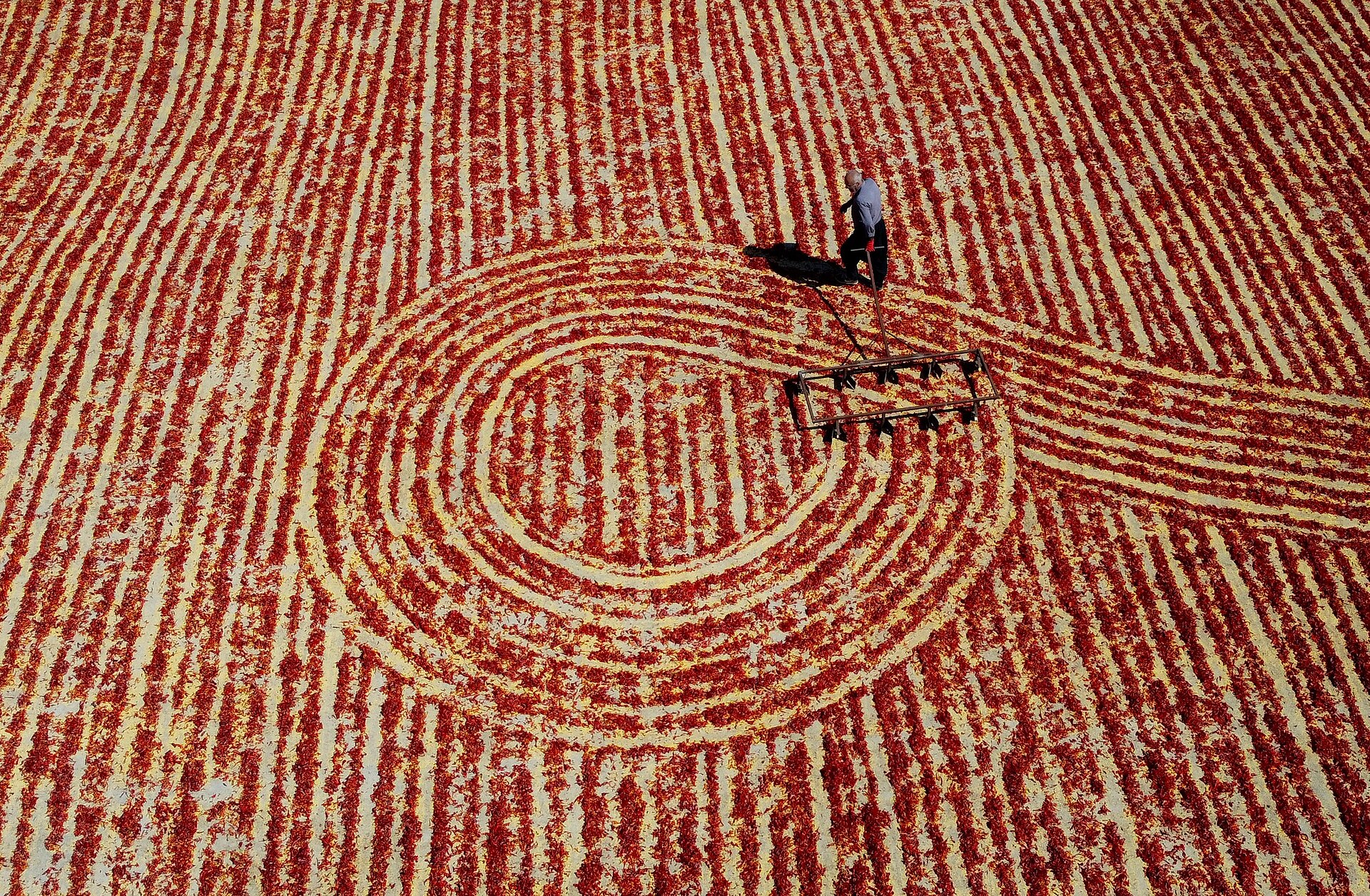
Peppers ripen late and all at once. A plant that gave you six green jalapenos in July is carrying thirty red ones by the middle of September, and every grower at the market is in the same position. Prices fall, and the seconds bin appears.
Fully ripe is what you want anyway. A red jalapeno is sweeter, fruitier and slightly hotter than the same pepper picked green, and the sugars matter here because the bacteria are going to eat them. Green peppers ferment, they just produce a thinner, grassier sauce.
Buy the ugly ones. Splits, scars and odd shapes are irrelevant once everything goes through a blender, and they are usually half price. Avoid anything soft, wrinkled at the shoulder, or showing white fuzz, because a compromised pepper brings its own mold spores into a jar that is about to sit on a counter for two weeks.
Salt by weight, because volume lies
A cup of coarse kosher salt and a cup of fine sea salt differ by nearly half in weight, since one is mostly air between large flakes. A recipe written in tablespoons is therefore a recipe with an unknown salt concentration, which is the one variable a ferment cannot tolerate being wrong.
Salt at 3.5 percent does two jobs. It is high enough to suppress most spoilage organisms and molds, and low enough that Lactobacillus and its relatives, which tolerate salt far better than their competition, keep working. Those bacteria are already on the skins of the peppers; nothing has to be added.
The arithmetic is one line. Weigh the prepared peppers and the water together, multiply the total by 0.035, and that is the salt in grams. Nine hundred grams of peppers plus six hundred grams of water is 1,500 grams, so 52 grams of salt. Use non-iodized salt, since iodine inhibits the bacteria you want.
Three percent, three and a half, or five
| Salt | Pace | Risk | Result |
|---|---|---|---|
| 2 percent | fast, active by day two | highest; soft peppers and mold are common | bright and sour, but unreliable |
| 3 percent | brisk, cloudy by day three | low | the standard for a two-week ferment |
| 3.5 percent | steady, cloudy by day three or four | very low | the number to use for a first batch |
| 5 percent | slow, weeks rather than days | lowest | firmer peppers, a longer wait, a saltier sauce |
| Over 6 percent | barely moves | none worth naming | a salt cure rather than a ferment |
Three and a half is the useful compromise in a house that runs around 68 degrees. Warmer kitchens can go to four without slowing much. In a cold kitchen, three will get things moving.
A fermented hot sauce recipe, weight by weight
- Wash and stem 2 pounds of ripe peppers. Pull the stems, leave the seeds and the pale ribs, which is where a good share of the heat lives. Halve anything thicker than a thumb so brine reaches the inside.
- Add aromatics if you want them. Four cloves of garlic, a thumb of ginger, half an onion, or a carrot cut into coins. All of these ferment happily and they count toward the weight.
- Weigh everything into the jar, then add water to cover. Note the combined weight of solids and water. Filtered or dechlorinated water, since chlorine slows the bacteria down.
- Calculate and add the salt. Total weight times 0.035. Stir or shake until it has dissolved completely.
- Weigh the peppers down under the brine. A glass fermentation weight, a small zip bag filled with the same brine, or a folded cabbage leaf wedged under the shoulder of the jar. Anything above the liquid will mold.
- Cover loosely and leave it at room temperature, out of the sun. An airlock lid, or a jar lid set on without tightening. Carbon dioxide has to get out.
- Burp it daily for the first week if you are not using an airlock. Ten seconds, then close it again.
- At two weeks, taste the brine. It should be distinctly sour, not just salty. If it still tastes flat, give it another week.
What each of the first ten days looks like
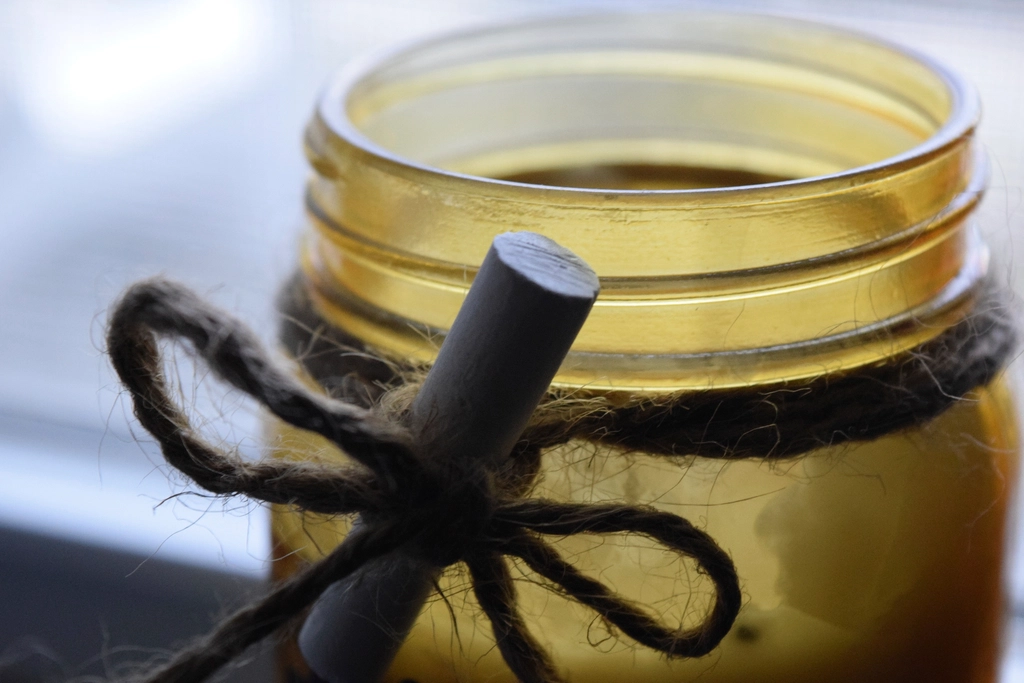
Days one and two. Nothing visible. The brine is clear, the peppers are bright. Underneath, salt is drawing water out of the pepper cells and sugars into the brine.
Days three and four. The first bubbles, usually clinging to the sides of the jar and running up when you nudge it. The brine goes hazy. This is the point where a batch either takes off or does not.
Days five to seven. Peak activity. Real fizz, a jar that hisses when opened, and brine gone properly cloudy and pale. The smell is sharp, vinegary and pepper-forward. The peppers lose their gloss and their color shifts toward a duller orange-red.
Days eight to ten. Bubbling slows down. The brine starts to clear again as spent bacteria settle out as white sediment. The sour smell mellows into something closer to pickle juice.
That curve is the ferment doing its work. The bacteria convert sugars into lactic acid, the acidity climbs, and as it climbs the environment turns hostile to anything else that might have moved in. By the end of the first week the jar is protecting itself.
Kahm yeast is a nuisance, mold is not
Two things can appear on the surface and they are not the same problem.
Kahm yeast shows up as a thin, flat, wrinkled white film that spreads across the whole surface like a skin. It is harmless. It smells slightly of nail polish or old beer and it will make the sauce taste musty if left, so skim it off with a spoon, push everything back under the brine, and carry on. It usually means the ferment is warm, the salt is a little low, or something poked above the liquid.
Mold is fuzzy and three-dimensional, and it grows in discrete circular colonies rather than a continuous film. Blue, green, black or pink fuzz means the batch is finished. Do not scoop it off and keep going; mold sends filaments well below what you can see, and some species produce compounds that are not removed by skimming. Discard it, wash the jar and start again with more salt and a better weight.
Three smells mean the same verdict as mold: rotten egg, anything genuinely putrid, and a sweet-rancid note like spoiled dairy. Sour, sharp, funky and yeasty are all fine. Trust the difference; it is not subtle in person.
Two weeks, four weeks, or three months
Fourteen days at room temperature gives a bright, fruity, clearly sour sauce where the pepper is still the loudest thing in the jar. This is where most people should stop on a first batch.
Four weeks trades some of that brightness for depth. The raw pepper edge softens, the aromatics come forward, and the sauce reads rounder and slightly funkier. Beyond about six weeks at room temperature the peppers start losing structure and the sauce turns muddy rather than complex.
A long ferment belongs in a cool room, in the 55 to 60 degree range, where three months produces something genuinely different without the mush. That is a basement or a garage in October, not a kitchen counter.
Blending, and whether to strain
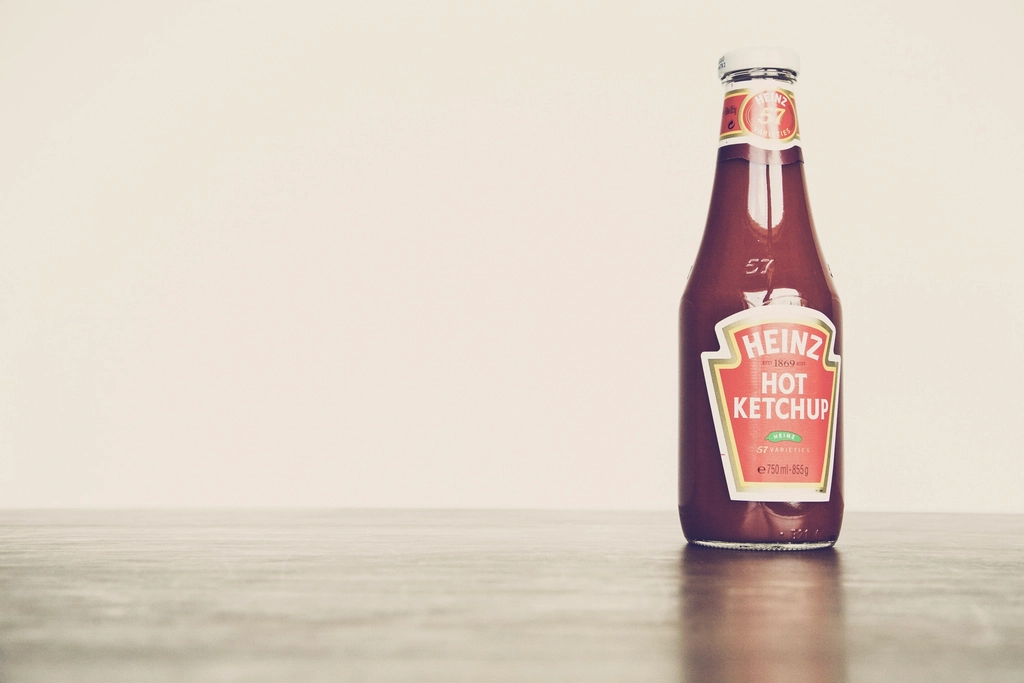
Lift the solids out and put them in a blender with roughly half the brine held back. Blend on high for a full minute, then add brine a splash at a time until it pours the way you want. Holding brine back is the whole trick; you can always thin a sauce and you cannot easily thicken one.
Straining through a fine sieve gives a smooth, glossy sauce and removes the seeds and skin fragments that settle out and look like sediment in a bottle. It also costs you roughly a quarter of the volume and a fair amount of body. Unstrained sauce is thicker, cloudier and better on eggs; strained is what you want in a dasher bottle.
The pulp left in the sieve is not waste. Spread it thin on a lined tray, dry it in a low oven or dehydrator until brittle, and grind it into a pepper powder that is sour as well as hot. It is the best thing to come out of this whole project and nobody expects it.
Bringing the acidity down and holding it there
A finished ferment is usually acidic enough to be stable refrigerated, but it is worth checking rather than assuming. Inexpensive pH strips or a cheap meter will tell you. Below 4.0 is the number to aim for, and below 3.5 is where a sauce becomes robust enough to sit in a cupboard rather than a refrigerator.
If it reads above 4.0, add vinegar a tablespoon at a time and re-measure. Distilled white vinegar changes the flavor least; cider vinegar suits sauces built on sweeter peppers. A tablespoon or two into three cups is usually enough, and it also stabilizes the color.
This matters because low acidity is exactly the condition that lets dangerous organisms grow in a sealed, oxygen-free container. A properly soured ferment is not that environment, but a batch that never got going is, and the strip costs almost nothing. When in doubt about any preserving project, follow guidance from a food safety authority rather than a recipe, and keep the sauce in the refrigerator.
Bottling without popping the cap
A blended sauce straight out of a ferment is still full of live bacteria and still producing gas. Cap it tightly and put it in a cupboard and it will push the cap, leak, or fizz over the counter when opened. Three ways to deal with that:
- Leave it alive and refrigerate it. Cold slows the bacteria almost to a stop. Fill bottles three-quarters full, keep them cold, and open one over a sink for the first week. The flavor keeps developing slowly, which is a feature.
- Let it settle before bottling. Leave the blended sauce in an open jar in the refrigerator for three days. Most of the remaining gas comes out, and it bottles quietly after that.
- Heat it to stop the ferment. Bring it to 180 degrees for a few minutes, then bottle hot. This gives a shelf-stable sauce with a fixed flavor and kills the live cultures, which is a real trade rather than an upgrade.
Refrigerated and acidic, a live sauce keeps six months and often a year, sharpening slowly as it goes. The same logic covers most fermented condiments, and the category as a whole runs on the same two variables of salt and time.
Five pepper mixes worth the jar space
- Red jalapeno and garlic. Two pounds of red jalapenos, six cloves. The straightforward one, and the closest thing to the sauce most people already have in the door of the refrigerator.
- Fresno, carrot and onion. A pound and a half of Fresnos, two carrots, half an onion. The vegetables ferment sweet and give the sauce body without any thickener.
- Habanero, mango and lime. Half a pound of habaneros to a pound of milder red peppers, one firm mango. Lime juice goes in after blending, not before.
- Serrano, cilantro stem and green tomato. Sharp, herbal and green, and the only one on this list that benefits from being stopped at ten days.
- Cayenne and smoked pepper. Two pounds of cayennes with four dried chipotles dropped in whole. Smoke survives fermentation better than expected. Anything built on a chile paste takes this one well.
Heat is worth thinking about before you commit two pounds. Capsaicin concentrates as the sauce loses volume through straining, so a batch that tastes manageable in the jar can be sharper in the bottle. If in doubt, cut the hot peppers with a proportion of sweet red ones; almost nobody regrets that direction.
Frequently Asked Questions
Do I need an airlock lid?
No. An airlock makes things easier by letting gas out while keeping air from getting in, but a plain jar lid resting on the rim without being tightened does the same job as long as you remember to check it. The genuinely necessary piece of equipment is a weight that keeps the peppers under the brine.
The brine turned cloudy and there is white sediment. Is that bad?
That is the ferment working. Cloudiness in the first week is bacterial activity, and the white powder that settles in the second week is spent bacteria dropping out of suspension. Both are what a healthy jar looks like. Clear brine with no bubbles by day five is the situation to worry about.
Can I use dried chiles instead of fresh?
Partly. Dried chiles have no live bacteria on them and very little residual sugar, so they cannot drive a ferment on their own. Rehydrate a handful and add them to a jar of fresh peppers for depth and smoke, keeping fresh as at least three quarters of the weight.
My ferment never bubbled. What now?
Usually one of three causes: the salt was measured by volume and came out too high, the kitchen is below about 60 degrees, or the water was chlorinated. Move the jar somewhere warmer and give it four more days. If it still does nothing and the brine tastes only salty, start again with dechlorinated water and a scale.
How hot does the finished sauce end up compared with the raw peppers?
Fermentation does not destroy capsaicin, so the heat is still there, but it reads differently. The acid and the loss of the raw green edge make it land later and spread more evenly rather than hitting the front of the mouth. Most people find a fermented sauce tastes slightly less aggressive than the same peppers blended fresh, even though the compound responsible has not gone anywhere.