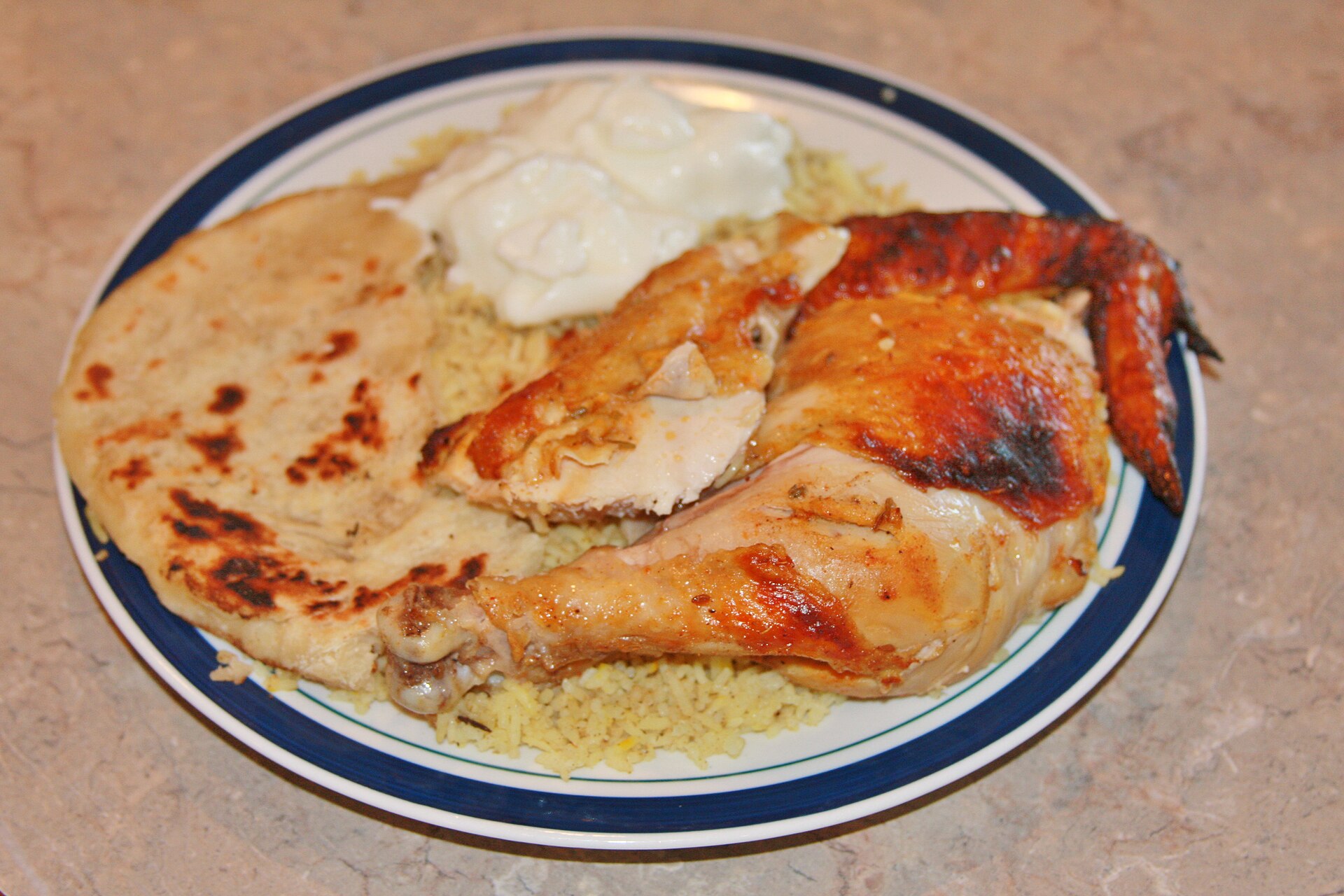
A four-pound chicken comes out of a 425 degree oven reading 158 in the thigh. Ten minutes later, sitting on a board on the counter, the same probe in the same spot reads 166. Nobody added heat. The bird cooked itself another eight degrees using energy it had already absorbed.
That rise is predictable enough to plan around, and it is not a fixed number. A pork tenderloin gains two or three degrees. A twelve-pound bone-in turkey gains twelve or more. The variables are mass, shape, oven temperature and how the meat is resting, and once you know how each one pushes, the pull temperature stops being a guess.
What follows is why it happens, the measured rise for the cuts a home kitchen actually roasts, the pull temperatures that follow from it, and the one category where you should not lean on carryover at all.
- Thin cuts under a pound: 2 to 4 degrees
- Roasts of 3 to 5 pounds: 5 to 10 degrees
- Roasts over 8 pounds: 10 to 15 degrees
- Hotter oven: bigger rise, because the outside is holding more energy
- Tented in foil: adds roughly 2 degrees and costs you the crust
- Do not subtract carryover from poultry safety numbers: measure 165F, then rest
- Resting time: the rise finishes before the rest does, in every case
Where the extra heat comes from
A roast in the oven is not one temperature. The surface may be at 300 degrees, the layer beneath it at 200, and the center at 130. Heat moves from hot to cold by conduction, and that movement does not stop when the oven door opens.
The outer layers of a roast are a heat reservoir. They keep pushing energy inward until the whole piece equalizes, and only then does the roast as a whole start losing heat to the room. The center therefore climbs for a while, peaks, and then begins to fall.
The size of that climb depends on how much hotter the outside is than the center and on how much mass is out there holding heat. That is why a thin steak barely moves and a rib roast moves a lot, and it is why the gradient created by a very hot oven produces a bigger rise than a gentle one.
Carryover cooking temperature, measured by weight and shape
| Cut | Typical weight | Oven | Rise after removal | Time to peak |
|---|---|---|---|---|
| Chicken breast, boneless | 8 oz | 400F | 2 to 4F | 4 to 6 min |
| Pork tenderloin | 1 lb | 425F | 3 to 5F | 5 to 8 min |
| Pork loin roast, boneless | 3 lb | 375F | 5 to 8F | 12 to 15 min |
| Whole chicken | 4 lb | 425F | 5 to 10F | 10 to 15 min |
| Turkey breast, bone in | 6 lb | 350F | 8 to 12F | 18 to 25 min |
| Beef top round or sirloin roast | 4 lb | 325F | 6 to 10F | 15 to 20 min |
| Standing rib roast | 8 lb | 250F | 5 to 8F | 25 to 35 min |
| Standing rib roast | 8 lb | 450F start | 12 to 18F | 25 to 35 min |
| Whole turkey | 14 lb | 350F | 10 to 15F | 30 to 40 min |
| Leg of lamb, bone in | 6 lb | 350F | 8 to 12F | 20 to 25 min |
| Steak, 1.5 inch, seared | 12 oz | pan | 3 to 5F | 4 to 6 min |
The two rib roast rows are the same piece of meat and the difference between them is the oven. Low and slow builds a shallow gradient and a small rise; a hot oven builds a steep one and a large rise. That is the single most useful thing on the table, because it means the same recipe needs different pull temperatures depending on the method.
Shape matters as much as weight
Two four-pound roasts, one long and thin and one compact and round, do not behave the same way. The round one has less surface area for its mass, holds heat longer, and carries over further. The long thin one sheds heat quickly and barely rises.
Thickness at the thickest point is the practical measure, more so than total weight. A flat pork loin an inch and a half thick behaves like a small roast whatever it weighs; a rolled and tied one four inches through behaves like a large one.
Which is also an argument for tying a roast into an even shape, since a piece that is thick at one end and thin at the other cooks unevenly and carries over unevenly on top of that. Tying and trussing is doing two jobs at once.
Pull temperatures that follow from all this
| Meat and target | Final reading wanted | Pull at |
|---|---|---|
| Beef, rare | 125F | 118 to 120F |
| Beef, medium rare | 132 to 135F | 125 to 128F |
| Beef, medium | 140F | 133 to 135F |
| Lamb, medium rare | 135F | 127 to 130F |
| Pork loin or chops | 145F | 138 to 140F |
| Pork shoulder, pulled | 200 to 205F | 198 to 203F |
| Chicken breast | 165F | 160 to 162F |
| Chicken thigh | 175 to 180F | 170F |
| Whole chicken, thigh reading | 165F minimum | 158 to 160F |
| Turkey breast | 165F | 155 to 157F |
| Ground meat of any kind | 160F, poultry 165F | do not rely on carryover |
The pull figures assume the meat rests on a board or a rack, uncovered, in a normal kitchen. Every one of them shifts if you tent, if the kitchen is cold, or if the roast goes back into a warm oven.
The safety line, and where carryover does not count
Food safety numbers are about time at temperature, not about a peak reading. The standard for whole cuts of beef, pork, veal and lamb is 145 degrees followed by a three-minute rest, and the rest is part of the standard rather than an afterthought. Poultry, whole or in pieces, is 165 degrees, and ground meat of any kind is 160.
Those are the numbers to measure, not to project. Pulling a chicken at 155 and assuming carryover will handle the rest works most of the time and fails when the bird is smaller than expected, when the kitchen is cold, or when the probe was in the wrong place. Measure 165 in the thickest part of the thigh, away from bone, and let carryover be a bonus rather than a plan.
For beef and lamb cooked below 145, which describes every medium-rare roast in the country, the operative point is that the risk on a whole intact cut lives on the surface and the sear handles it. That does not extend to anything mechanically tenderized, injected or ground, where the surface has been mixed into the interior. Anyone cooking for someone pregnant, elderly, very young or immunocompromised should work from the published minimums rather than from preference.
Resting: what it does and what it does not
Resting is often explained as juices redistributing, which is roughly right and slightly overstated. What actually happens is that muscle fibers contracted by heat relax as the temperature evens out, and relaxed fibers hold on to liquid that tense ones squeeze out.
The practical effect is that a rested roast loses noticeably less liquid to the board when carved. It also carves more cleanly, since the meat has firmed up and is no longer at its most fragile.
What resting does not do is keep working indefinitely. The internal temperature peaks, then falls, and a roast rested for an hour is a cold roast. Ten minutes for a chicken breast, fifteen to twenty for a whole chicken or a small roast, thirty to forty for a large one. A bird with a crisp skin also loses that skin under foil, which is the argument against tenting.
Tenting, boards and the cold kitchen
A loose foil tent traps a small amount of radiant heat and slows the surface cooling. It adds a degree or two to the peak and it softens crackling and crisp skin within minutes. For a roast with a crust worth having, leave it uncovered.
The board matters more than people expect. A cold marble counter pulls heat out of the underside fast; a wooden board does much less of it. Resting on a rack over a tray lets air circulate and keeps the bottom crust from steaming, at the cost of slightly faster cooling.
A cold kitchen shortens the whole window. In a 60-degree room a rested roast starts falling sooner and falls faster. If dinner is running late, the answer is a 170-degree oven rather than a longer rest on the counter, since anything held for service should stay above 140.
Thermometer placement, and the calibration nobody does
An instant-read probe measures a point, not an average, and where that point sits decides everything. The thickest part of the muscle, away from bone, away from fat pockets, and pushed through to the center rather than stopped at the first resistance.
Take three readings rather than one. A roast that reads 135, 128 and 141 in three places is not at 135; it is uneven, and the lowest reading is the one that matters for safety and the highest for overcooking. Leave-in probes are convenient and they measure whatever spot they happened to be inserted into at the start.
Calibrate in ice water once a season. Crushed ice topped with water, stirred, should read 32 degrees, and a probe more than a degree or two out is worth replacing rather than mentally correcting. A thermometer that reads five degrees low turns a medium-rare roast into a medium one every time. Anything cooked to a narrow window depends on that instrument being honest.
Reverse sear, sous vide and the shallow gradient
Low-temperature methods reduce carryover almost to nothing, and that is the point of them. A roast cooked at 225 degrees has an outside only a little hotter than its inside, so there is no reservoir to push inward and the rise after removal is two or three degrees at most.
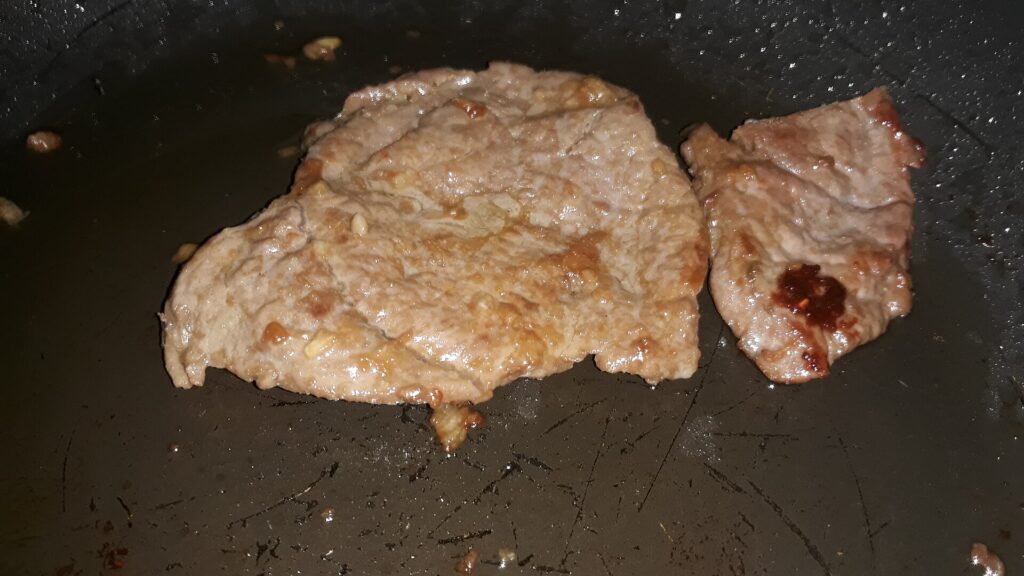
That is why a reverse sear is so repeatable. Bring the meat to a few degrees below target at low heat, then sear hard at the end, which browns the surface in a couple of minutes without adding meaningful heat to the interior. The carryover from that final sear is small and predictable.
The trade is time and crust. A low oven takes far longer and produces less of a browned surface on its own, which is why the sear is a separate step rather than a byproduct. The method applied to a thick steak works on exactly this principle.
A working procedure
- Decide the finished temperature you want, not the pull temperature. Write it down.
- Estimate the rise from the weight, the thickness and the oven temperature. Use the table above as a starting point and adjust from your own results.
- Start probing well before you expect to be done. Roasts finish faster than charts predict more often than they finish slower.
- Pull at target minus the estimated rise, taking three readings first. For poultry, pull at or above the published safe temperature rather than below it.
- Rest uncovered on a rack or a board, in a draft-free spot. Leave the probe in if it is a leave-in type; watch the peak.
- Carve when the reading stops climbing. That is the moment, and it comes earlier than most rest-time rules suggest.
- Write down what the rise actually was. Two or three roasts of the same kind in your own oven beats any published table.
The number on the probe when the roast leaves the oven is not the number you are cooking to. Work backward from the one you want, and the rest of it is arithmetic you only have to do once per cut.
Frequently Asked Questions
Does carryover happen in a slow cooker or a braise?
Barely. Both hold the food at a nearly uniform temperature with no steep gradient, so there is no reservoir of hotter meat to push heat inward. A braise removed from the oven simply starts cooling. The concept applies to dry roasting and searing, where the outside runs far hotter than the inside.
How much does tenting with foil really add?
Roughly a degree or two on the peak, and it noticeably slows the subsequent fall, which is why it feels like it does more. The cost is any crisp surface you spent an hour building. Tent a large roast in a cold kitchen if the wait before carving is long; leave a chicken alone.
Should I subtract carryover when cooking chicken?
No. Measure the safe temperature and treat the rise as margin. The published minimum for poultry exists because doneness in poultry is a safety question rather than a preference, and a projection that is off by five degrees on a chicken matters in a way that the same error on a beef roast does not.
Why did my roast not rise at all?
Most likely it was thin, or cooked at a low temperature, or both, in which case two or three degrees is the correct answer and you may not have caught it. It can also mean the probe was in a spot that was already at the peak, since different points in a roast peak at different moments.
Does resting make meat cold?
Not in the times involved. A large roast is still well above 120 degrees after forty minutes, and it is served onto hot plates with hot gravy in any case. What does make meat cold is resting a thin cut for twenty minutes, which is four times longer than it needs and where the heat conduction works entirely against you.