A frittata is the thinking cook’s answer to the question of what to make when the refrigerator is full of odds and ends. Unlike an omelet, which demands attention and quick reflexes, a frittata asks you to slow down: saute your vegetables, pour in the eggs, let the stovetop do the initial work, then transfer the whole pan to the oven and walk away. The result is a golden, puffy, set egg dish that slices into clean wedges and tastes as good at room temperature as it does warm from the oven.
This spring vegetable frittata celebrates the produce that appears at farmers’ markets from late March through May. Asparagus brings a grassy snap, sweet peas add bursts of green sweetness, and crumbled goat cheese melts into tangy pockets throughout the eggs. Fresh dill and mint provide an herbal brightness that makes the whole dish taste alive. The stovetop-to-oven technique, which is the professional standard for frittata cooking, produces a perfectly set center and a beautifully golden top without the rubbery texture that comes from overcooking. If you enjoy egg-based dishes with bold flavors, our shakshuka takes a different approach with spiced tomato sauce, and our eggs Benedict is the classic brunch centerpiece.
Why This Recipe Works
The stovetop-to-oven method prevents overcooking. Starting the frittata on the stovetop sets the bottom layer quickly, creating a stable foundation. Transferring to the oven allows the top to cook from radiant heat rather than direct bottom heat, which would overcook the base before the center sets. This two-phase approach is how professional kitchens produce frittatas that are creamy in the center, not rubbery. The oven’s even, surrounding heat gently coagulates the proteins in the eggs without squeezing out moisture.
A dairy addition keeps eggs creamy. Adding whole milk or half-and-half to the egg mixture dilutes the proteins slightly, which raises the temperature at which they fully coagulate. This gives you a wider window between “set” and “overcooked,” resulting in a softer, more custard-like texture. According to Serious Eats, the ideal ratio is about 1 tablespoon of dairy per egg, which produces a frittata that is firm enough to slice but still tender.
Pre-cooking vegetables prevents watery results. Raw vegetables release moisture as they cook, and that moisture can make a frittata soggy if the vegetables are added raw. Sauteing the asparagus and briefly warming the peas before adding the eggs ensures that excess water has already evaporated. The vegetables also develop better flavor when they hit hot oil directly, especially the scallions and garlic, which become sweet and aromatic in the first minute of cooking.
Goat cheese provides tangy contrast. The mild richness of eggs can taste flat without an acidic counterpoint. Goat cheese (chevre) has a pH of about 4.5, making it noticeably tangy. Dolloped on top rather than mixed in, it melts into distinct pockets of creamy acidity that brighten every bite. The cheese also browns lightly on top during baking, adding visual appeal and a subtle nutty flavor.
Fresh herbs added in two stages maximize flavor. Mixing dill and mint into the raw egg mixture infuses the entire frittata with herbal flavor. Finishing with additional fresh herbs on top after baking adds a bright, uncooked aroma that contrasts with the cooked herbs in the body. This two-stage approach is common in Italian egg cookery and produces far more herbaceous results than adding herbs at just one point.
Recipe Card
| Prep Time | 15 minutes |
| Cook Time | 20 minutes |
| Total Time | 35 minutes |
| Servings | 6 servings |
| Difficulty | Easy |
| Cuisine | Italian-American |
Ingredients
For the Egg Base
- 10 large eggs
- 1/3 cup (80ml) whole milk or half-and-half
- 1/2 teaspoon fine sea salt
- 1/4 teaspoon freshly ground black pepper
- 2 tablespoons chopped fresh dill, plus more for serving
- 2 tablespoons chopped fresh mint, plus more for serving
For the Vegetables and Cheese
- 2 tablespoons (30ml) extra-virgin olive oil
- 1/2 cup (50g) thinly sliced scallions, white and light green parts (about 4 scallions)
- 2 cloves garlic, thinly sliced
- 1 bunch thin asparagus (about 8 ounces/225g), woody ends trimmed, cut into 1-inch pieces
- 1 cup (140g) fresh or frozen peas (no need to thaw if frozen)
- 4 ounces (113g) soft goat cheese (chevre), crumbled into small pieces
- 1/4 teaspoon red pepper flakes (optional)
- Flaky sea salt for finishing
Step-by-Step Instructions
- Preheat and prepare. Position a rack in the upper third of your oven and preheat to 400 degrees F (204 degrees C). In a large bowl, whisk the eggs, milk, fine sea salt, black pepper, dill, and mint until well combined. You want a uniform color and texture, but do not whisk vigorously to the point of creating foam. Over-whisking incorporates too much air and can cause the frittata to puff dramatically in the oven and then collapse.
- Saute the aromatics. Heat the olive oil in a 10-inch oven-safe skillet (cast iron is ideal) over medium heat. When the oil shimmers, add the sliced scallions, garlic, and red pepper flakes if using. Cook, stirring frequently, for about 1 minute until fragrant and the scallions have softened slightly. The garlic should be pale gold, not brown. Burnt garlic is bitter and will ruin the delicate flavor of the frittata.
- Cook the vegetables. Add the asparagus pieces to the skillet and cook for 2 to 3 minutes, stirring occasionally, until they turn bright green and are crisp-tender. They will continue cooking in the oven, so you want them slightly underdone at this stage. Add the peas and stir for 30 seconds to warm through. Spread the vegetables in a single, even layer across the bottom of the skillet. This ensures every slice of frittata gets a balanced distribution of vegetables.
- Add the eggs and cheese. Reduce the heat to medium-low. Pour the egg mixture evenly over the vegetables. Do not stir. Gently dollop the crumbled goat cheese over the surface, pressing the pieces down slightly so they are partially submerged. Cook on the stovetop, undisturbed, for 3 to 4 minutes. During this time, the bottom layer sets while the top remains liquid. You should see the edges begin to pull away from the sides of the skillet slightly.
- Transfer to the oven. Carefully move the skillet to the oven (remember the handle will be extremely hot; keep an oven mitt on it as a reminder). Bake for 12 to 15 minutes until the center of the frittata is just set. It should jiggle very slightly in the middle when you gently shake the pan, like a panna cotta. The top should be golden and the goat cheese should have lightly browned in spots. The frittata will continue to set from residual heat as it rests.
- Rest and serve. Remove the skillet from the oven and let the frittata rest for 5 minutes. This resting period allows the eggs to finish setting gently and makes slicing much easier. Run a rubber spatula around the edges to loosen. You can serve the frittata directly from the skillet, or slide it onto a cutting board by tilting the pan and guiding it out. Sprinkle with fresh dill, mint, and flaky sea salt. Cut into wedges. Serve alongside a simple green salad like our Greek salad with grilled halloumi for a complete, satisfying meal.
Substitution Guide
| Original Ingredient | Substitution | Notes |
|---|---|---|
| Asparagus | Zucchini, broccolini, or snap peas | Slice thinly for even cooking. Zucchini releases more water; saute an extra minute. Broccolini offers a similar spring feel. |
| Peas | Fava beans, edamame, or corn kernels | Fava beans require double-shelling but are extraordinary in spring. Corn adds sweetness and works well with the goat cheese. |
| Goat cheese | Feta, ricotta, or boursin | Feta is saltier; reduce salt in the egg mixture by 1/4 teaspoon. Ricotta provides creaminess without tang. Boursin adds garlic and herb flavor. |
| Whole milk | Heavy cream, sour cream, or oat milk | Heavy cream makes a richer frittata. Sour cream (2 tablespoons whisked in) adds tang. Oat milk is the best dairy-free option. |
| Fresh dill and mint | Chives and basil, or tarragon and parsley | Chives are milder than scallions and pair well with eggs. Tarragon’s anise note works beautifully with asparagus and goat cheese. |
| 10 whole eggs | 8 whole eggs plus 4 egg whites | Reduces fat and calories while maintaining structure. The frittata will be slightly less rich but still holds together well. |
Storage and Reheating Instructions
Refrigerator: Allow the frittata to cool completely, then cover the skillet with plastic wrap or transfer wedges to an airtight container. Frittata keeps in the refrigerator for up to 4 days. It actually tastes excellent cold, straight from the refrigerator, making it an ideal meal prep option or packable lunch.
Freezer: Wrap individual wedges tightly in plastic wrap, then place in a freezer bag. Frittata freezes well for up to 2 months. The texture of the eggs changes slightly upon thawing (they become a bit firmer), but the flavor remains excellent. Thaw overnight in the refrigerator before reheating.
Reheating: For the best texture, reheat wedges in a 325-degree F oven for 8 to 10 minutes until warmed through. Microwaving works in a pinch (30 to 45 seconds at 70% power), but the edges tend to become rubbery. Never reheat a frittata in a very hot oven or on the stovetop over high heat; the eggs will overcook and become tough.
Nutrition Facts (Per Serving, 1/6 of Frittata)
| Nutrient | Amount | % Daily Value |
|---|---|---|
| Calories | 265 kcal | 13% |
| Total Fat | 18g | 23% |
| Saturated Fat | 7g | 35% |
| Cholesterol | 310mg | 103% |
| Sodium | 420mg | 18% |
| Total Carbohydrates | 8g | 3% |
| Dietary Fiber | 2g | 7% |
| Sugars | 3g | — |
| Protein | 19g | 38% |
Nutrition values are estimates based on USDA FoodData Central data for eggs, goat cheese, asparagus, and peas. Actual values may vary depending on the specific brands and sizes of eggs used.
Mastering the Frittata: Advanced Variations
Make it a meal prep staple. Frittatas are one of the most underrated meal prep items. Bake one on Sunday, cut into six wedges, and refrigerate. Each wedge provides roughly 19 grams of protein and reheats in under a minute. Paired with toast or a simple side salad, it is a complete lunch. What makes a frittata is its adaptability: next week you can change the vegetables entirely and never get bored.
Season by season variations. In summer, use corn, cherry tomatoes, and basil. In autumn, try roasted butternut squash with sage and gruyere. In winter, sauteed leeks with mushrooms and fontina cheese make a rich, warming version. The technique remains identical regardless of the filling. Just remember to pre-cook any vegetables that release significant water (tomatoes, zucchini, mushrooms) before adding the eggs.
The skillet matters. A well-seasoned cast iron skillet is ideal because it retains heat evenly, transitions seamlessly from stovetop to oven, and helps create a golden crust on the bottom of the frittata. A stainless steel oven-safe skillet also works but may require slightly more oil to prevent sticking. Never use a nonstick skillet in a 400-degree oven unless the manufacturer explicitly rates it for that temperature, as most nonstick coatings begin to degrade above 350 degrees F. According to Bon Appetit, the skillet size directly affects the thickness and therefore the cooking time: use a 10-inch skillet for 10 eggs to achieve the ideal 1-inch thickness.
Frequently Asked Questions
Can I make a frittata without an oven-safe skillet?
Yes. Cook the frittata entirely on the stovetop over medium-low heat, covered with a lid, for 10 to 14 minutes until the center is nearly set. Then, to brown the top, place the skillet under the broiler for 1 to 2 minutes (if the handle is heat-safe) or use a kitchen torch. Alternatively, you can flip the frittata by placing a large plate over the skillet, inverting, then sliding it back into the pan to cook the second side for 2 minutes. This is the traditional Italian method.
Why is my frittata watery?
Watery frittatas usually result from vegetables that were not pre-cooked to release their moisture. Zucchini, tomatoes, mushrooms, and spinach are especially prone to this. Saute them until most of their liquid has evaporated before adding the egg mixture. Another cause is adding too much dairy: stick to 1 tablespoon per egg maximum. Finally, underbaking can leave the center unset, which appears watery once sliced.
How do I know when a frittata is done?
The frittata is done when the edges are fully set and the center jiggles just slightly, like gelatin, when you give the pan a gentle shake. It should not slosh or appear liquid. An instant-read thermometer inserted into the center should read between 160 and 170 degrees F. The frittata will continue to set from residual heat during the 5-minute resting period, so pulling it when the center is barely set produces the creamiest result.
Can I make a frittata ahead for brunch?
Absolutely. A frittata is one of the best make-ahead brunch dishes because it tastes excellent at room temperature. Bake it up to 2 hours before serving and leave it in the skillet at room temperature, covered with a clean kitchen towel. For next-day service, refrigerate overnight and either serve cold (it is genuinely delicious this way) or rewarm in a 325-degree F oven for 10 minutes. The flavor actually deepens after a night in the refrigerator.
What is the difference between a frittata and a quiche?
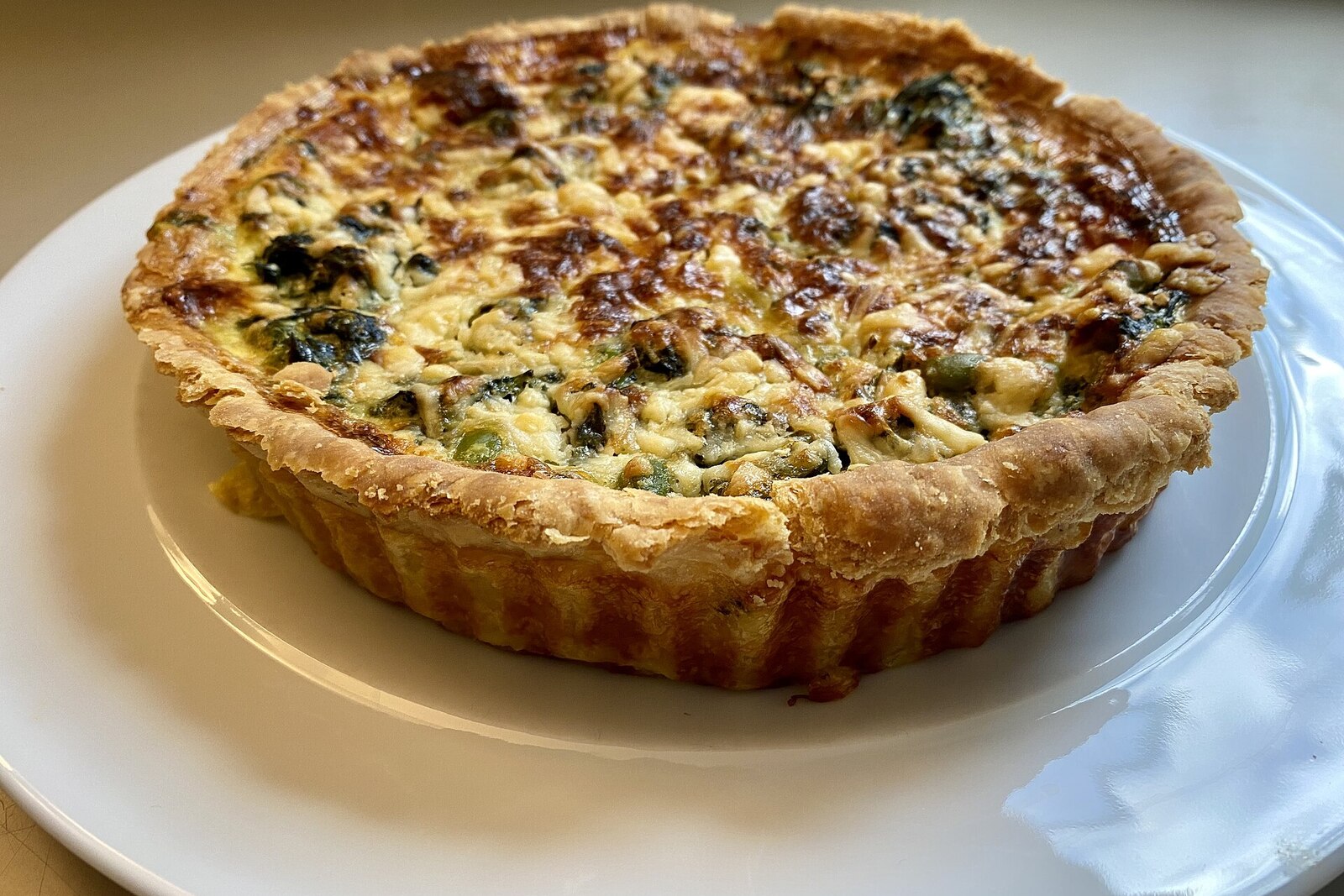
The main difference is the crust: a quiche is baked in a pastry shell, while a frittata has no crust and is cooked directly in a skillet. Quiche also has a higher ratio of dairy to eggs (using heavy cream), resulting in a more custard-like texture. A frittata is firmer and denser, with the vegetables more evenly distributed throughout rather than suspended in custard. Frittatas are also faster to prepare since there is no pastry to make and blind-bake.
Disclaimer
Nutritional information is provided as a general estimate and should not be considered a substitute for professional dietary advice. Values are calculated using USDA FoodData Central data and may vary depending on specific brands, ingredient sizes, and preparation methods. This recipe contains eggs and dairy (goat cheese, milk). If you have food allergies or dietary restrictions, consult a healthcare professional before preparing this recipe. This article contains links to external websites for informational purposes; cookingzone.org is not responsible for the content of external sites.

Rachel Summers
Rachel grew up in a Pacific Northwest kitchen, learning Sunday roasts from her mother and pie crust from a grandmother who never wrote a recipe down. CookingZone began as a way to save her family's cooking before it was forgotten, and grew when her cousins started sending in their own. Her work covers foundational American, Italian, French, and Mexican recipes, with an emphasis on weekend baking, comfort food, and the techniques that span both European and American home kitchens.
Please note: Nutritional estimates in our recipes are derived from the USDA FoodData Central database and may vary based on specific brands and ingredient sizes. If you have food allergies, dietary restrictions, or medical conditions, consult a registered dietitian or healthcare provider before preparing this recipe. Always follow safe food-handling guidelines, including proper cooking temperatures for meat, poultry, fish, and eggs. Nothing in this article should be interpreted as medical, nutritional, or dietary advice.