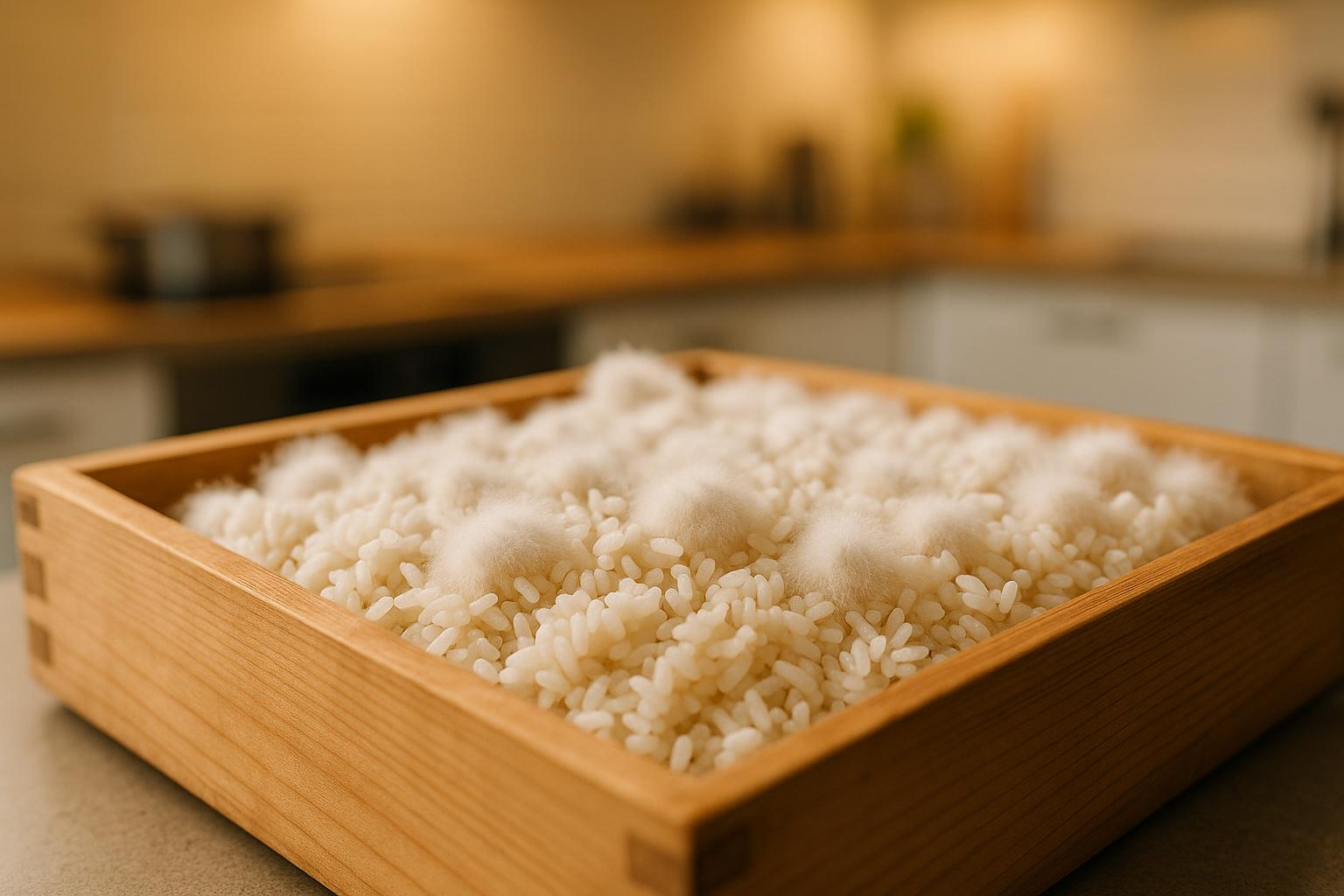
Koji fermentation process showing white Aspergillus oryzae mold growing on rice

This koji fermentation recipe will become a favorite. Why you can trust this advice: I’m Kenji Tanaka, a certified fermentationist with over 15 years of hands-on experience in the world of koji. From the traditional breweries of Kyoto to the most innovative modernist kitchens in the United States, I’ve dedicated my career to mastering and teaching the science behind this incredible mold. My approach is rooted in deep scientific understanding, but my passion is making these complex techniques accessible for everyone.

Koji fermentation process showing white Aspergillus oryzae mold growing on rice

For centuries, a powerful, almost magical, ingredient has been the secret behind the most savory and complex flavors in Japanese cuisine. It’s not a rare spice or an exotic herb, but a humble mold: **koji**. This is *Aspergillus oryzae*, a culinary fungus that has been the cornerstone of everything from soy sauce and miso to sake. Today, this ancient tradition is experiencing a global renaissance, moving beyond the confines of traditional Japanese kitchens and into the hands of innovative chefs and curious home cooks worldwide. If you’ve ever wondered what gives your favorite ramen broth its profound depth or what makes a miso marinade so irresistibly savory, the answer is very likely koji.

But what exactly is this “noble mold,” and how can it revolutionize the way you cook at home? This guide will demystify the art and science of koji fermentation, showing you how to harness its power to create extraordinary flavors in your own kitchen.

The Ancient Roots of a Modern Trend

Koji’s history is deeply intertwined with the culinary history of Asia, dating back thousands of years. It is believed to have originated in China and was introduced to Japan during the Yayoi period (300 BC – 300 AD). Japanese artisans, with their characteristic precision and dedication, refined the cultivation of koji, elevating it to an art form. They discovered that by growing this specific mold on steamed grains like rice, barley, or soybeans, they could unlock a world of flavor.

This process, known as **koji-kin**, is the first and most critical step in producing many of Japan’s most iconic foods. Without koji, there would be no soy sauce (shoyu), no miso paste, no rice vinegar, and no sake. It is the silent workhorse that lays the foundation for umami, the fifth taste.

The Science of Flavor: How Koji Works

At its core, koji is an enzyme factory. When the *Aspergillus oryzae* spores are inoculated onto a starchy substrate and held in a warm, humid environment, the mold begins to grow, producing a vast array of powerful enzymes. These enzymes are the catalysts for incredible culinary transformations.
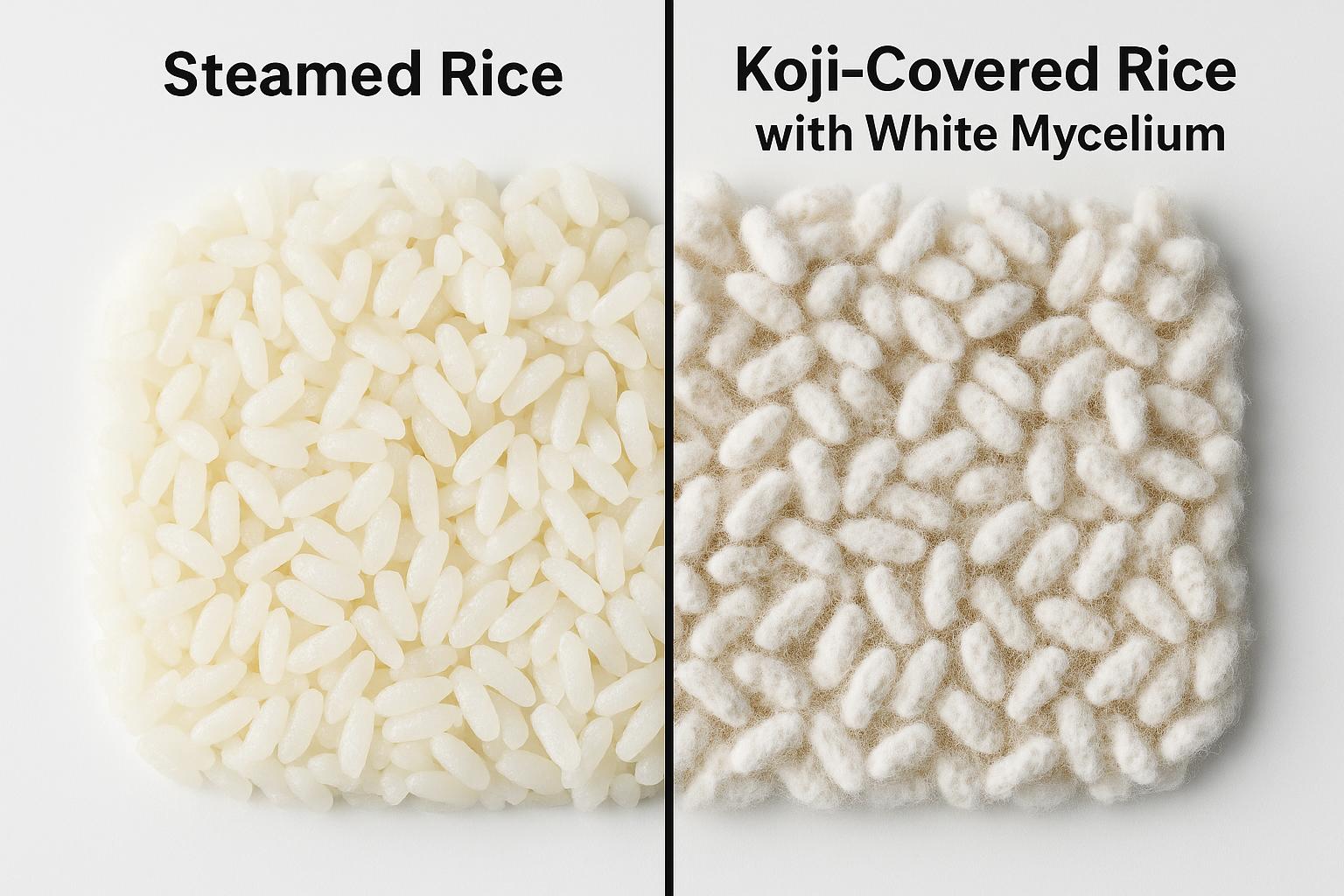
Before and after comparison of steamed rice and koji-covered rice

There are two primary types of enzymes that do the heavy lifting:

1. **Amylase:** This enzyme breaks down long-chain starches in the grains into simple sugars (like glucose). This is the fundamental process for creating alcohol in sake, as the sugars provide food for yeast. It also creates a subtle sweetness in products like amazake, a sweet, non-alcoholic fermented rice drink.

2. **Protease:** This is where the magic of umami happens. Protease enzymes break down complex proteins into their constituent amino acids, most notably **glutamic acid**. Glutamic acid is the compound responsible for the savory, brothy, and deeply satisfying taste known as umami. This is why miso and soy sauce are such powerful flavor enhancers.

This enzymatic process not only creates flavor but also makes nutrients more bioavailable and easier to digest. It’s a natural, time-honored method of food processing that enhances both taste and nutritional value.

Mastering the Art: Making Koji at Home

While the process may sound scientific, making koji at home is surprisingly achievable with a bit of precision and patience. It requires creating the perfect environment for the mold to thrive. Think of it as building a cozy home for your spores.
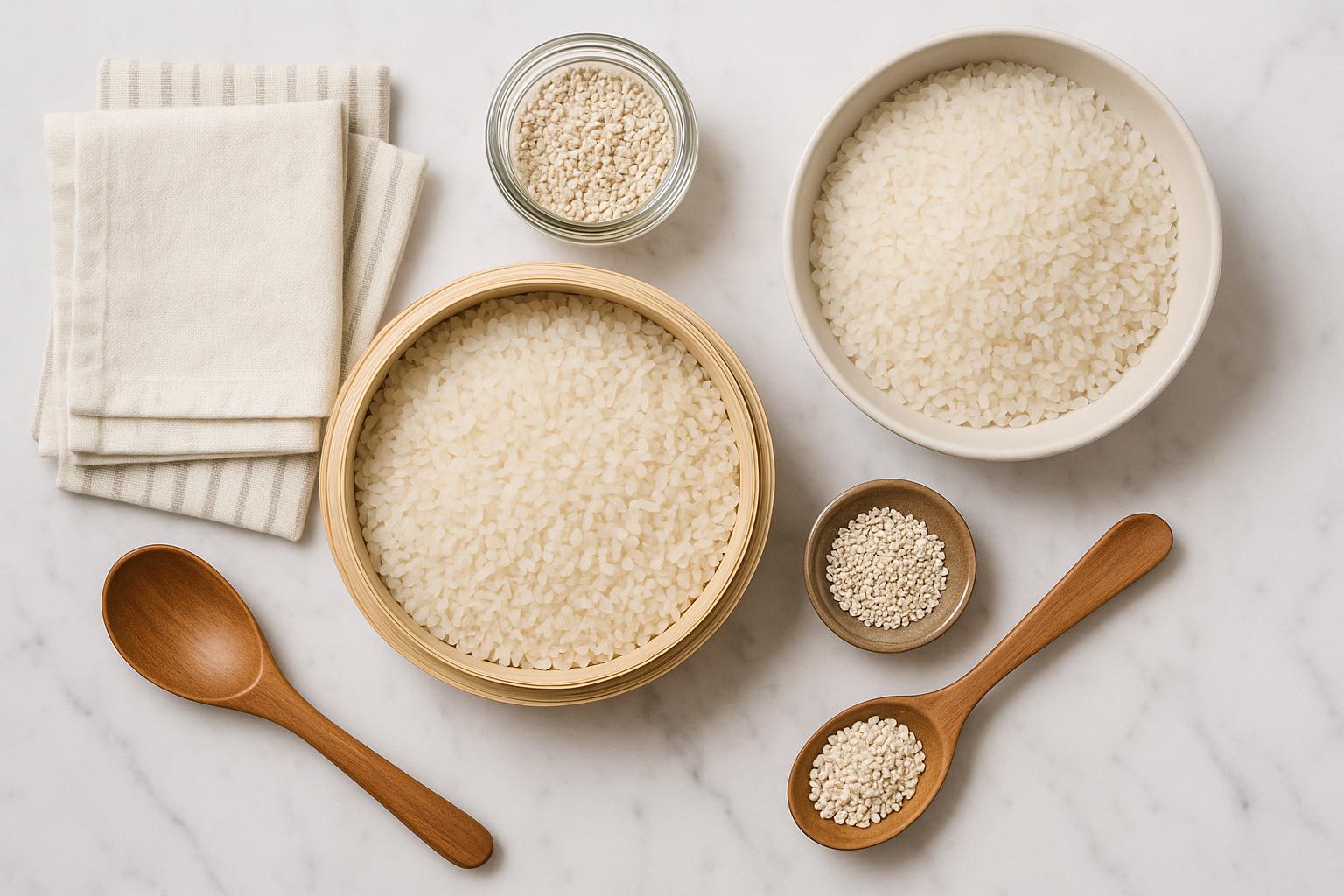
Koji fermentation ingredients arranged on marble surface

**What You’ll Need:**

  • Substrate: Polished white rice (sushi or jasmine rice works well) is the best starting point.
  • Koji-kin (Spores): You can purchase *Aspergillus oryzae* spores online from specialty fermentation suppliers.
  • Incubator: A dedicated fermentation chamber is ideal, but you can create a DIY setup using a cooler with a seedling heating mat, or even an oven with just the light on. The key is maintaining a consistent temperature.
  • Steamer: For cooking the rice.
  • Shallow Trays: To spread the rice for inoculation and incubation.
  • Clean Cloths: To cover the rice and maintain humidity.

**The Basic Process (48-Hour Journey):**

  1. Wash and Soak: Thoroughly wash the rice until the water runs clear, then soak it for several hours or overnight.
  2. Steam: Steam the rice until it is cooked through but still firm and distinct—not mushy. This is crucial. Overly wet rice can lead to bad bacteria growth.
  3. Cool and Inoculate: Spread the steamed rice on a clean tray and let it cool to body temperature (around 95°F or 35°C). Once cooled, lightly dust the koji-kin spores over the rice and mix thoroughly to ensure even distribution.
  4. Incubate: Place the inoculated rice in your incubator, covered with a damp cloth. Maintain a temperature between 80-95°F (27-35°C) and high humidity. The koji will start generating its own heat as it grows.
  5. Maintain and Monitor: Over the next 48 hours, you will need to check on your koji every 8-12 hours. Break up any clumps to ensure even growth and regulate the temperature. As the mycelium grows, it will generate significant heat, and you may need to lower the incubator’s temperature to prevent it from overheating and dying.
  6. Harvest: After about 48 hours, the rice should be covered in a dense, white, fragrant mat of mycelium. It will have a sweet, floral, and slightly fruity aroma, often compared to grapefruit or chestnuts. This is your finished koji.

From Koji to Culinary Gold: Simple Applications

Once you have your homemade koji, a world of culinary possibilities opens up. Here are two of the simplest and most versatile preparations to start with:

1. **Shio Koji (Salt Koji)**
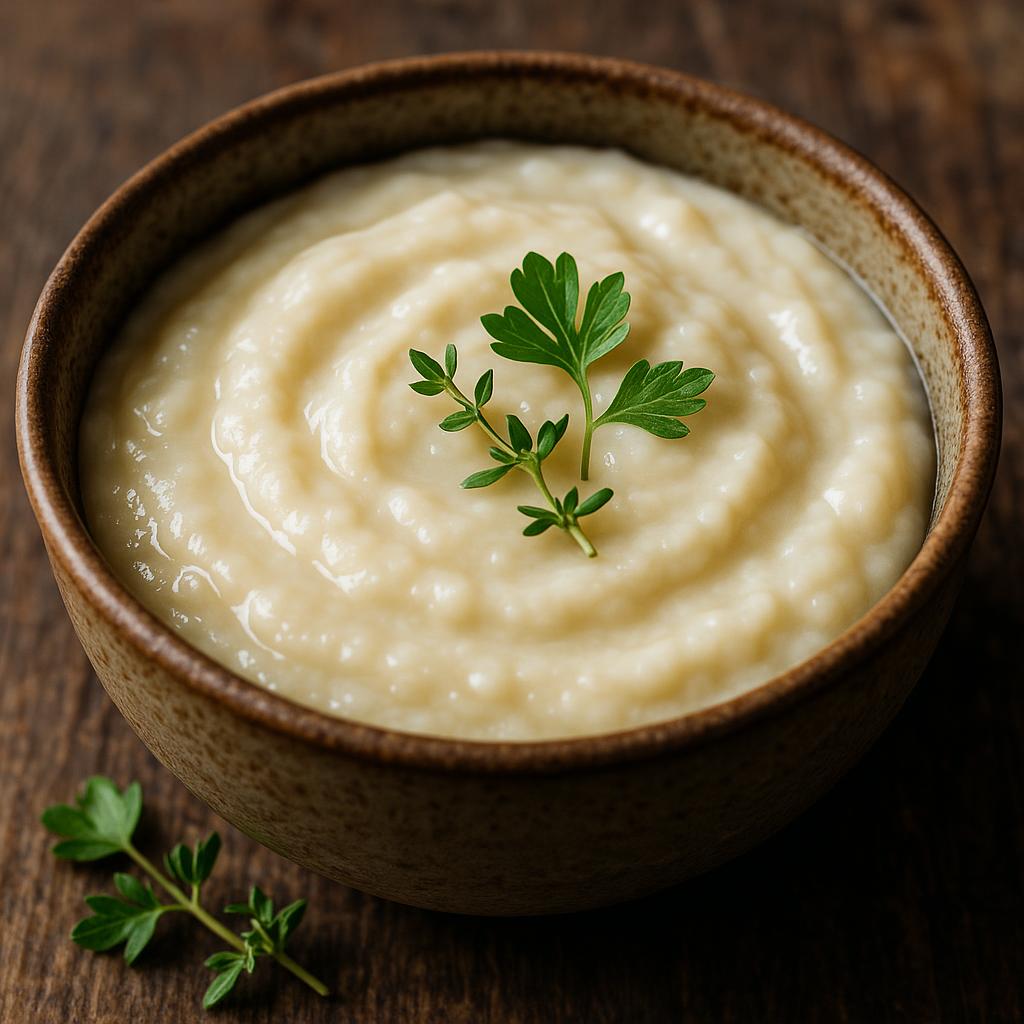
Creamy shio koji paste in traditional ceramic bowl

This is a creamy, porridge-like marinade that acts as a powerful flavor enhancer and tenderizer. Simply mix your finished rice koji with salt and water (typically a 1:1:2 ratio by weight of koji, salt, and water) and let it ferment at room temperature for about a week, stirring daily. The resulting paste can be used to marinate meat, fish, or vegetables, imparting a deep umami flavor and incredible tenderness.

2. **Amazake**

This sweet, thick, and creamy rice porridge is a delicious and healthy treat on its own, and a versatile ingredient. To make it, combine your finished koji with more cooked rice and water, and hold it at a warm temperature (around 140°F or 60°C) for 8-12 hours. The amylase enzymes will break down the starches into sugars, creating a naturally sweet and complex flavor. Enjoy it as a drink, a natural sweetener, or a base for smoothies and desserts.

The Future of Flavor is Fermented

The resurgence of koji is more than just a passing trend; it represents a fundamental shift in how we think about flavor. It’s a move away from artificial enhancers and toward natural, biological processes that create unparalleled depth and complexity. By learning the art of koji fermentation, you are not just adopting a new cooking technique; you are connecting with an ancient tradition and unlocking a new dimension of taste in your home kitchen. The journey requires patience and precision, but the reward is a pantry filled with some of the most powerful and delicious ingredients you’ve ever worked with.

Frequently Asked Questions

Is it safe to make koji at home?

Yes, it is safe as long as you maintain a clean environment and proper temperature control. Use high-quality spores from a reputable source and ensure your rice does not develop any off-smells or colors other than the intended white mycelium.

My koji developed green or black spots. Is it ruined?

Green or black spots indicate that the koji has started to sporulate (produce more spores) or that a competing mold has taken hold. While some light green sporulation is normal if you let it go too long, any black, orange, or slimy patches mean the batch is contaminated and should be discarded.

Can I use koji on things other than rice?

Absolutely. Koji can be grown on barley (for mugi miso), soybeans, and even other grains and legumes. Adventurous chefs are even experimenting with “koji-curing” meats directly by applying the spores to the surface, a technique known as “charcuterie” on steroids.

Pro Tips for Perfecting Koji Fermentation

Mastering koji fermentation requires a delicate balance of technique and environment. Here are some practical tips to ensure your koji turns out perfectly every time:

  • Choose Quality Ingredients: Start with high-quality, organic grains, as they contain more nutrients and will support healthier koji growth. Rice is the most common choice, but barley and soybeans also work well.
  • Control Temperature and Humidity: Koji thrives at temperatures between 85°F and 95°F (29°C to 35°C) with a humidity level around 70-80%. Use a food dehydrator or a fermentation chamber to maintain these conditions, as fluctuations can significantly impact the fermentation process.
  • Inoculation: When inoculating your grains with koji spores, ensure even distribution. Use a fine mesh to sprinkle spores evenly across the surface, and gently mix to incorporate them into the grains.
  • Monitor Progress: Check your koji every 12 hours. Look for a pleasant aroma and a soft, fluffy texture. If you notice any off smells or unusual colors (other than white), it may indicate spoilage.
  • Timing is Key: The fermentation process typically takes about 48 hours. However, the exact timing can vary depending on your specific conditions. It’s essential to taste your koji periodically to determine the right moment for your intended use.

By following these tips, you can enhance your koji fermentation experience, leading to richer flavors in your culinary creations.

Common Mistakes to Avoid When Fermenting Koji

While koji fermentation can be a rewarding culinary adventure, there are several common pitfalls that can lead to frustration. Understanding these mistakes and how to avoid them will set you on the right path:

  • Skipping Sterilization: Before inoculating grains, it’s crucial to sterilize your equipment and workspace. Any lingering bacteria can compete with the koji spores, leading to poor fermentation.
  • Improper Temperature Control: Allowing the temperature to drop below 80°F (27°C) can slow down the fermentation process and lead to inconsistent koji growth. Conversely, temperatures above 100°F (38°C) can kill the spores.
  • Over-Watering: Too much moisture can create a breeding ground for unwanted bacteria and mold. Ensure your grains are steamed properly and drained well before inoculation.
  • Failure to Ventilate: While koji thrives in humid conditions, it also requires good airflow to prevent the growth of unwanted molds. Consider using a breathable cover, such as a cheesecloth, to allow air circulation while keeping moisture in.
  • Ignoring Smells and Visual Cues: Trust your senses. A successful koji will have a sweet, nutty aroma and a fluffy appearance. If you notice sour or rancid smells, or if the koji turns colors other than white, it is likely spoiled.

By being aware of these common mistakes, you can ensure a more successful koji fermentation process and create flavorful ingredients for your dishes.

Koji Fermentation Reference Data
StageTime (hours)Temperature (°F)
Inoculation0Room Temperature
Fermentation Start0-4885-95
Harvest Koji4875-85
Shio Koji Preparation24Room Temperature

References

1. Revolution Fermentation – How to Make Homemade Koji
2. Nordic Food Lab – Koji: History and Process
3. ScienceDirect – Koji Overview
Koji Varieties and Their Culinary Applications

Not all koji is created equal. The genus Aspergillus includes several species cultivated for different purposes, each producing distinct enzyme profiles that transform food in unique ways. Understanding these varieties helps home fermenters select the right koji for their intended application.

Aspergillus oryzae is the most widely used koji mold, prized for its strong protease and amylase activity. It breaks down proteins into amino acids and starches into sugars, making it ideal for soy sauce, miso, sake, and amazake. Its flavor profile tends toward sweet, umami-rich notes with minimal bitterness. Most koji available to home fermenters is this species.

Aspergillus sojae is specifically selected for soy sauce production. It produces higher levels of glutaminase, the enzyme responsible for converting glutamine into glutamic acid, the compound that gives soy sauce its deep umami character. While similar to A. oryzae in many respects, A. sojae creates a more intense, savory flavor profile.

Aspergillus luchuensis, formerly classified as A. awamori, is the traditional mold used for shochu distillation and black vinegar production. It produces citric acid during fermentation, which prevents bacterial contamination in warm climates. This species is also used for making awamori, the traditional spirit of Okinawa.

Koji TypeScientific NamePrimary UseEnzyme StrengthFlavor Profile
Yellow Koji (Ki-koji)Aspergillus oryzaeSake, miso, soy sauce, amazakeHigh amylase, moderate proteaseSweet, mild umami, floral
White Koji (Shiro-koji)A. luchuensis mut. kawachiiShochu, sweet fermentsModerate amylase, high citric acidClean, bright, slightly tart
Black Koji (Kuro-koji)Aspergillus luchuensisAwamori, vinegar, shochuModerate amylase, very high citric acidBold, tangy, complex
Soy Koji (Shoyu-koji)Aspergillus sojaeSoy sauce, tamariHigh protease, high glutaminaseDeep umami, savory, rich
Red Koji (Beni-koji)Monascus purpureusRed yeast rice, coloringLow amylase, unique pigmentsMild, slightly sweet, earthy

Health Benefits of Koji-Fermented Foods

Koji fermentation does more than enhance flavor. The enzymatic processes create bioactive compounds with documented health benefits that have been studied in both traditional medicine and modern nutritional science.

During fermentation, koji enzymes break down complex proteins into free amino acids and peptides. Some of these peptides have been shown to exhibit antioxidant, anti-inflammatory, and blood pressure-lowering properties. Angiotensin-converting enzyme inhibitory peptides, naturally produced during miso and soy sauce fermentation, function similarly to prescription ACE inhibitor medications used to treat hypertension.

Koji fermentation increases the bioavailability of minerals in grains and legumes. The enzymes break down phytic acid, an antinutrient that binds minerals like iron, zinc, and calcium, making them unavailable for absorption. Fermented soy products like miso and tempeh deliver significantly more bioavailable iron and zinc than their unfermented counterparts.

The fermentation process also generates B vitamins, particularly B2 (riboflavin), B6, and B12. While plant foods rarely contain significant B12, some koji-fermented products show measurable amounts, making them valuable for vegetarian and vegan diets. Additionally, the organic acids produced during fermentation support digestive health by promoting beneficial gut bacteria.

Koji-fermented foods are rich in isoflavones, particularly in soy-based products. These compounds have been associated with reduced risk of certain cancers, improved bone density, and cardiovascular benefits. The fermentation process converts isoflavone glycosides into their aglycone forms, which are more readily absorbed by the human body.

Frequently Asked Questions

Is it safe to grow koji mold at home?

Yes, growing koji at home is safe when using commercially available Aspergillus oryzae spores from reputable suppliers. This specific strain has been used in food production for centuries and is classified as Generally Recognized as Safe by the FDA. The key safety measures include maintaining proper temperature between 80-90F, adequate humidity, and cleanliness to prevent contamination by unwanted organisms.

How long does homemade koji last?

Fresh koji rice can be stored in the refrigerator for up to two weeks or frozen for up to six months. Dried koji, available commercially, lasts up to one year at room temperature. For homemade koji, spreading it on a sheet pan and drying it at room temperature for 24-48 hours extends its shelf life significantly. Store dried koji in an airtight container away from heat and moisture.

Can I use koji to make plant-based cheese alternatives?

Absolutely. Koji is increasingly popular in plant-based cheese making. When grown on nuts like cashews or legumes, koji enzymes break down proteins and fats to create flavors and textures remarkably similar to aged dairy cheese. The process typically involves blending soaked nuts, inoculating with koji spores, and aging for one to four weeks depending on the desired intensity.

What temperature is best for growing koji?

The optimal temperature range for growing koji is 82-90F (28-32C), with 86F being the sweet spot for most applications. Below 77F, growth slows dramatically. Above 104F, the mold dies. During the active growth phase at 12-24 hours in, koji generates its own heat, so you may need to open the incubation chamber periodically to prevent overheating and off-flavors.

Pro Tips for Better Results

Preparation is key to success in the kitchen. Read the entire recipe before starting and gather all ingredients. This mise en place approach prevents surprises mid-cooking.

Taste as you cook and adjust seasonings throughout the process. Your palate is the best guide to creating delicious food.

Do not be afraid to make mistakes. Every failed dish teaches something valuable about technique and flavor.

Quality ingredients make a noticeable difference. When possible, choose fresh, seasonal produce and high-quality proteins for the best results.

The Process of Koji Fermentation

Koji fermentation is a fascinating process that transforms simple grains into a rich source of umami flavor, essential for many traditional Asian dishes. At the heart of this transformation is the mold, Aspergillus oryzae, which breaks down starches and proteins into sugars and amino acids. This process not only enhances flavor but also promotes health benefits.

To begin, select your grain; rice, barley, and soybeans are commonly used. The grains must be steamed or cooked to create an ideal environment for the koji mold to thrive. Once prepared, inoculate the grains with koji spores and maintain a warm, humid environment for 48 to 72 hours. During this time, the mold will flourish, covering the grains with a delicate white fuzz.

After fermentation, the koji can be used to create various products such as:

  • Miso
  • Sake
  • Shoyu (soy sauce)

Understanding this art opens up a world of culinary possibilities, enriching both flavor and nutrition in your cooking.

CookingZone Editorial

CookingZone Editorial

Expert culinary content covering cooking techniques, authentic recipes, and kitchen innovation.

76 recipes published

Leave a Reply

Your email address will not be published. Required fields are marked *