A food processor turns cooked potatoes into mashed potatoes in about eight seconds, which sounds like an obvious upgrade over a hand masher or a ricer. It is also the fastest, most reliable way to turn a bowl of good potatoes into something closer to wallpaper paste.
This is not a matter of using it wrong in some fixable, technique-dependent way. It is a structural problem: the blade does something to the potato’s starch that a masher and a ricer physically cannot do, and once it has happened, there is no bringing the texture back.
What follows is what actually ruptures inside a potato cell under a spinning blade, why a ricer and a masher avoid the same fate, and the one partial rescue that helps a batch that has already gone wrong, along with an honest note on how much of the damage that rescue can and cannot undo.
- The cause: ruptured starch granules releasing amylose in large quantities
- The tool that causes it: a food processor’s fast-spinning blade, and to a lesser extent an electric mixer overworked
- The tools that avoid it: a ricer, a food mill, or a hand masher, all of which press rather than shear
- How fast it happens: within seconds, well before the potatoes look fully smooth
- The partial fix: thinning with hot liquid and minimal further stirring, with limited success
- Best potato choice: starchy varieties like russets, which are more prone to this if over-processed
- Rule of thumb: if a tool has spinning blades, it should not touch a cooked potato
Why the food processor makes gluey mashed potatoes
A cooked potato’s cells are packed with starch granules that have absorbed water and swollen during cooking, and each granule is a tidy little package holding two starch molecules, amylose and amylopectin, mostly contained within its own cell wall. Gently breaking those cell walls apart, without also violently rupturing the granules inside, is what produces a fluffy, light mashed potato.
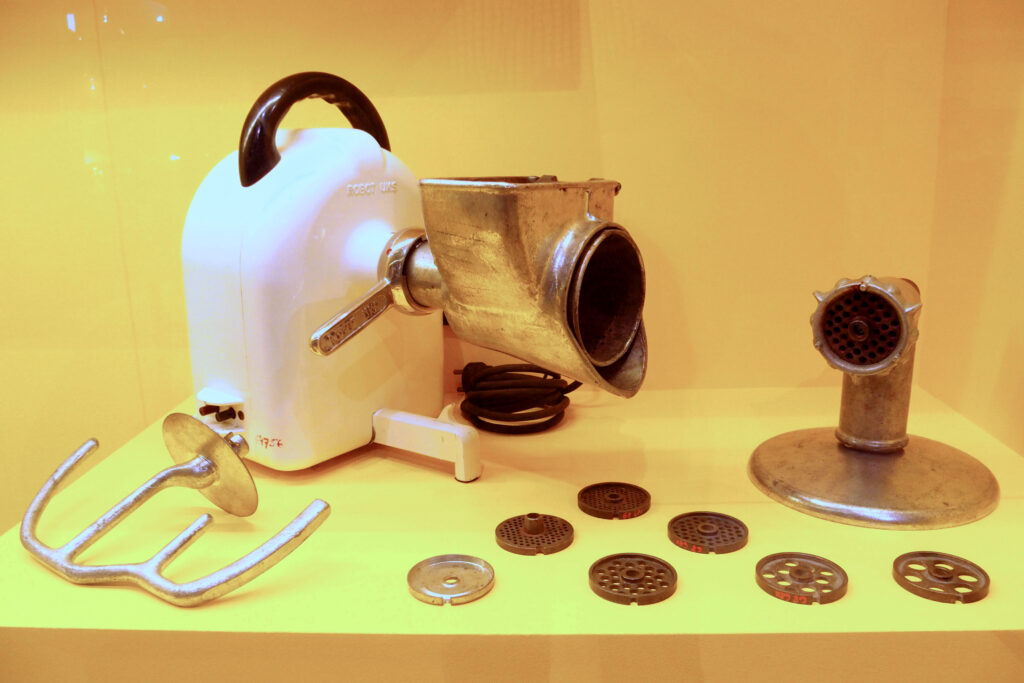
A food processor’s blade does not gently separate cells; it shears through everything indiscriminately at high speed, rupturing starch granules by the thousands within seconds. Once ruptured, those granules release their amylose directly into the surrounding moisture, and amylose is a long, chain-like molecule that, once liberated in quantity, links together and creates a sticky, elastic, glue-like texture rather than a light one.
The unfortunate part is how fast this happens. A food processor does not need to run for a long time to cause the damage; a few seconds past the point of visually smooth is often enough to cross from fluffy into gluey, and the transition is not gradual or easy to catch by eye in the moment.
What a ricer, a masher, and a mixer each do to the cells
| Tool | Mechanism | Effect on starch granules | Risk of gluey texture |
|---|---|---|---|
| Ricer | presses cooked potato through small holes | separates cells with minimal rupture | very low |
| Food mill | presses and scrapes through a perforated disc | similar to a ricer, some manual pressure control | low |
| Hand masher | crushes cells by direct pressure | more rupture than a ricer, but slow and controllable | low to moderate |
| Electric mixer, overworked | whips and beats at speed | moderate rupture if run too long | moderate |
| Food processor | shears at high blade speed | severe, widespread rupture within seconds | very high |
A ricer works by pressing whole cooked potato through small holes under pressure, which separates individual cells from each other along their natural boundaries without doing much violence to what is inside each one. The starch granules stay mostly intact, and the amylose stays where it belongs, contained rather than dissolved into the surrounding liquid in large amounts.
A hand masher works less gently, crushing cells directly with repeated pressure, but the process is slow enough and low-energy enough compared to a spinning blade that most granules survive largely intact even after a thorough mashing. A cook mashing by hand also gets direct tactile feedback and naturally stops once the texture looks right, which a food processor’s speed does not allow for in the same way.
Why an electric mixer sits in the risky middle ground
A stand or hand mixer whips potatoes with beaters rather than a sharp spinning blade, which is gentler than a food processor by a meaningful margin, but an overworked batch, left running too long on too high a speed, can still rupture enough starch granules to tip into gluey territory, just more slowly than a food processor would.
Mixing potatoes on a low speed, in short bursts, and stopping the moment the texture looks combined and smooth, rather than running the mixer continuously until every visible lump disappears, keeps a mixer solidly in the safer range. The temptation to keep mixing for a few more seconds to chase perfect smoothness is exactly what pushes a mixer-made batch into trouble.
Adding warm butter and dairy before the final mixing stage, rather than mixing the potatoes dry first and adding liquid afterward, also reduces total mixing time needed, since a batch with its fat and liquid already present blends to a smooth consistency faster than a dry one being worked toward the same result.
Why russets are more prone to this than waxy potatoes
Russets and other starchy potato varieties contain a higher proportion of starch by weight than waxy varieties like red or fingerling potatoes, which is exactly why they are the preferred choice for mashing in the first place; more starch generally means a fluffier, more absorbent result when handled correctly.
That same high starch content is what makes them more vulnerable to the gluey failure mode when overworked, since there is simply more starch available to rupture and release amylose if the wrong tool or too much agitation is applied. A waxy potato, with less starch overall, is somewhat more forgiving of a food processor’s abuse, though still not immune to it.
This is not an argument for switching to waxy potatoes for mashing; a properly riced or hand-mashed russet produces a noticeably better final texture than a waxy variety treated the same way, the same reason a good shepherd’s pie topping starts with the right potato before technique even enters the picture. It is an argument for matching the right tool to the potato rather than assuming any tool works equally well regardless of variety.
What a recovery attempt can and cannot fix
Once starch granules have ruptured and released their amylose into the batch, no amount of additional mixing, stirring, or resting reverses that chemical change. The glue-like texture is a structural fact of the potato at that point, not a temporary state waiting to relax back to normal.
Thinning the batch with additional hot milk, cream, or butter, stirred in as gently as possible with a spoon rather than any powered tool, can mask some of the gumminess by diluting the concentration of released amylose per bite, and it often makes an over-processed batch more palatable, if not fully corrected.
This rescue has real limits. A mildly over-processed batch responds reasonably well to dilution; a batch run in a food processor for a full minute or more is often beyond what dilution alone can meaningfully fix, and the honest expectation should be improvement rather than a full return to a fluffy texture.
How to mash potatoes without risking this outcome
- Cook potatoes whole or in large chunks, not small dice, in well-salted water. Smaller pieces absorb more water during cooking, which can also contribute to a wetter, less stable final texture.
- Drain thoroughly and let them steam-dry briefly in the empty pot for a couple of minutes. Excess surface moisture works against a good final texture regardless of which mashing tool comes next.
- Pass the potatoes through a ricer or food mill directly into the pot or a bowl. This is the gentlest, most reliable method for a smooth result without the risk a food processor carries.
- Warm the butter and dairy separately before adding them. Cold dairy added to warm riced potatoes cools the mixture and can make it feel denser than it needs to be.
- Fold the warm dairy and fat in gently with a spatula or spoon, rather than an electric tool. A few strokes are usually all that is needed once the potatoes are already riced.
- Season and serve promptly. Mashed potatoes, like any properly made batch, are best served soon after finishing rather than held for an extended period, which can also affect texture over time.
If you must use an electric tool, how to minimize the risk
A food processor is not entirely off-limits if used with real restraint: pulsing briefly, in short bursts of a second or two, and checking the texture between pulses rather than running it continuously, reduces total blade contact time and lowers the risk of crossing into gluey territory, though it remains the riskiest common option available.
A better middle ground, if a hand tool feels too slow, is an electric mixer on its lowest speed setting, used for the shortest time that achieves a reasonably smooth result, accepting a few small lumps rather than chasing complete smoothness at the cost of texture.
For a large batch, like the volume needed for a holiday table, ricing in stages, working through the potatoes in smaller portions rather than trying to process everything in one motion, keeps the process manageable without reaching for a higher-risk tool out of impatience with a slower one.
Does the fat added change how forgiving the potatoes are?
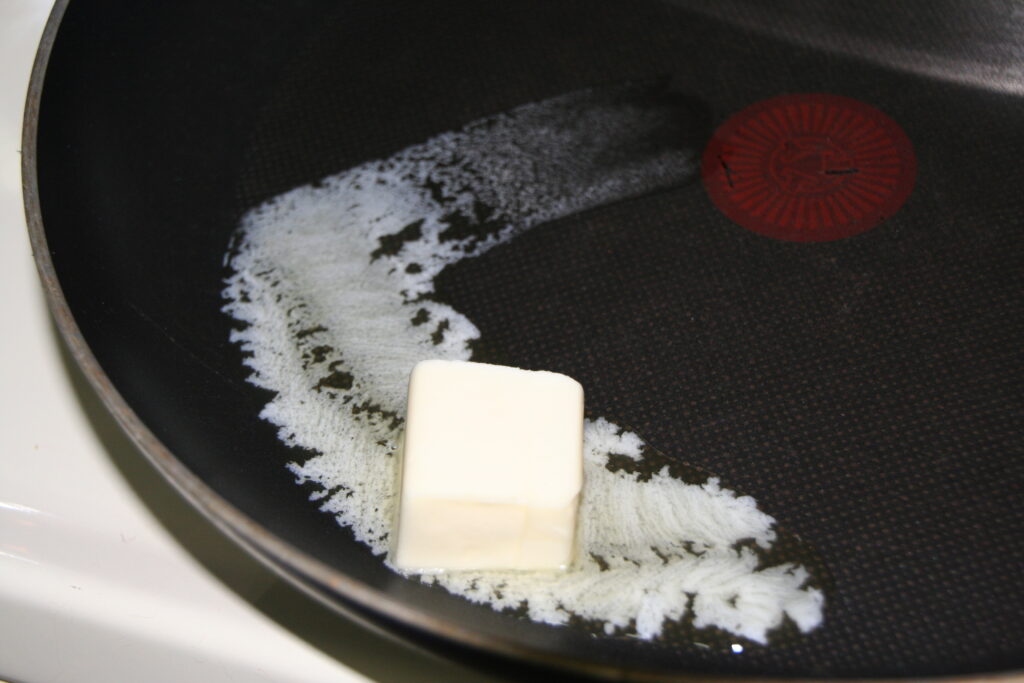
Butter and cream, once incorporated, coat some of the starch structure and can slightly buffer against gumminess forming from moderate overworking, though this effect is modest and does not come close to fully protecting against a food processor’s level of damage.
A batch made with less fat overall tends to show gumminess more starkly when it occurs, since there is less rich coating to mask the texture on the tongue, which is part of why a lighter, health-conscious mashed potato recipe can be less forgiving of tool mistakes than a very buttery, cream-heavy version made the same way.
None of this changes the underlying advice. Fat improves flavor and can soften the perception of a slightly compromised texture, but it does not prevent starch granules from rupturing in the first place, and prevention through the right tool remains far more reliable than any attempt to compensate afterward with more butter.
Make-ahead mashed potatoes without a second reheating problem
Mashed potatoes made properly with a ricer or masher hold up reasonably well as a make-ahead dish, refrigerated for a day or two and reheated gently, provided the reheating itself does not introduce the same aggressive agitation that caused the original problem in the first place. A microwave on high power in a single long burst, or vigorous stirring with a whisk, can rupture additional starch granules that survived the first mashing intact.
The safer reheating method is a low oven or a double boiler, with occasional gentle folding rather than vigorous stirring, adding a splash of warm milk or cream as needed to loosen the texture back to its original consistency. This keeps the reheating step from undoing the care taken during the initial mash.
A batch that came out gummy the first time will not improve with a gentler reheat; the structural damage from the original processing method is already set. Make-ahead planning only pays off when the potatoes were handled correctly the first time around.
A ricer costs less than most kitchen gadgets already sitting unused in a drawer, and it is the single tool that most reliably keeps mashed potatoes on the right side of this problem. The food processor is faster right up until it isn’t worth using at all.
Frequently Asked Questions
Can I fix gluey mashed potatoes by adding more butter?
It helps mask the texture somewhat by diluting the concentration of released starch per bite, but it does not reverse the underlying structural change. A badly over-processed batch will still read as gummy even with generous butter added.
Is it safe to reheat mashed potatoes the next day, or does that make gumminess worse?
Reheating does not cause gumminess on its own; that comes from how the potatoes were initially processed. A properly riced batch reheats fine with a splash of added milk to loosen it back to a good consistency.
Does a blender cause the same problem as a food processor?
Yes, often worse, since a blender’s blades spin even faster in a smaller, more concentrated space, rupturing starch granules even more aggressively than a food processor’s wider bowl and blade setup.
Why do some restaurant mashed potatoes seem smoother than gummy without being made in a processor?
Professional kitchens often use a fine-mesh food mill or a tamis, a drum sieve, to push potatoes through very small openings by hand, achieving an extremely smooth texture through gentle pressure rather than blade shear, which avoids the gumminess a food processor would cause at that same level of smoothness.
Can I use an immersion blender instead of a food processor?
It carries a similar risk, since it also uses a fast-spinning blade in direct, prolonged contact with the potato. A ricer, food mill, or careful hand mashing remains the safer choice regardless of which powered blending tool is being considered as an alternative.