
The bowl left over on November 1st always looks the same: a handful of fun-size chocolate bars going soft at the edges, a few caramels stuck to their wrappers, some hard candy nobody claimed, and at least one gummy thing nobody can identify anymore. Melting all of it down into one baking project sounds efficient. It also does not work, because the candy in that bowl is not one substance with different flavors. It is at least four different sugar chemistries, and only some of them melt into anything usable.
Chocolate seizes into a grainy clump the moment a stray drop of water gets near it. Caramel turns into a pourable sauce with almost no effort. Hard candy either shatters into sharp shards or scorches before it ever goes liquid. Gummy candy barely melts at all; it mostly just gets sticky and chewy.
Sorting the bowl by what each candy actually does under heat, rather than by brand or flavor, is the difference between a bar cookie studded with real chocolate chunks and a pan of burnt sugar that has to be thrown out.
- Chocolate bars: chop and fold in, don’t try to melt a whole handful smoothly
- Caramels: melt easily with a splash of cream, the most versatile item in the bowl
- Hard candy: melts into shards for decoration, not a smooth pourable liquid
- Gummy candy: does not melt cleanly; use it whole, chopped, or skip it
- Peanut butter cups and nougat bars: the fat content changes the melt entirely
- Allergen risk: a mixed bowl of unwrapped candy can carry peanut and tree nut residue onto candy that never touched a nut itself
Why does chocolate seize instead of melt smoothly?
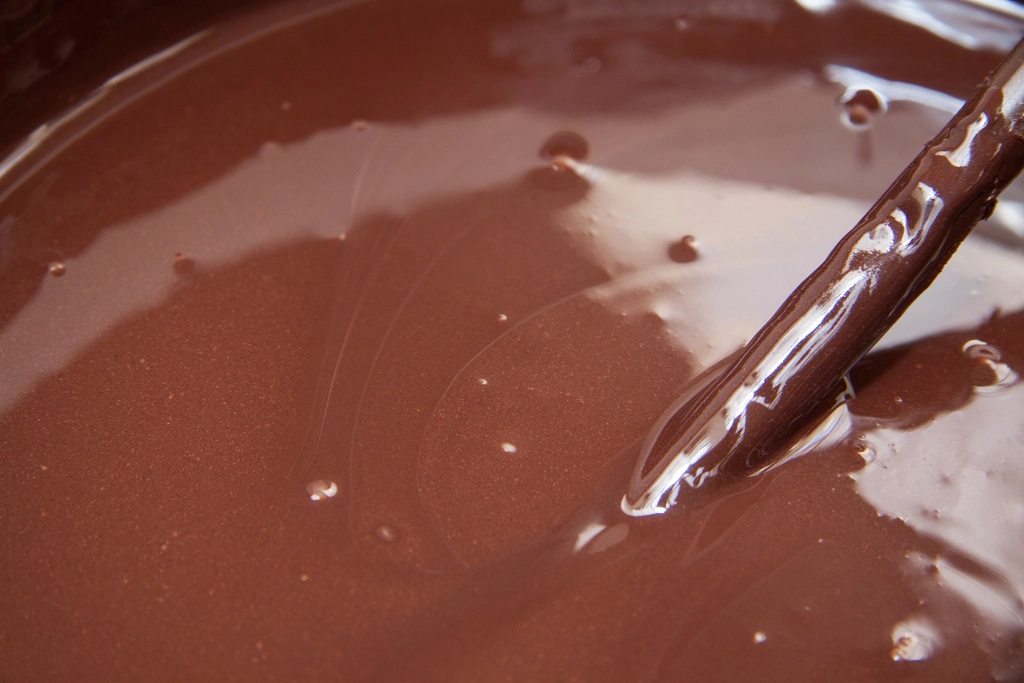
Chocolate is mostly cocoa solids and cocoa butter held in a stable suspension, and that suspension breaks the moment a small amount of water gets introduced without enough additional liquid to compensate. A single drop of condensation falling into melting chocolate is enough to turn a smooth, glossy pool into a stiff, grainy clump within seconds.
This matters directly with leftover candy because fun-size bars have often sat in a bowl, a pillowcase, or a car for hours or days, sometimes picking up humidity along the way, and unwrapping them right before melting without checking for condensation is a common way a melting project fails before it starts.
The fix, once seizing has happened, is not more heat. Stirring in a small amount of warm cream or butter, a tablespoon at a time, can sometimes bring a seized batch back to a usable, if less glossy, consistency. Prevention, keeping any water entirely away from the bowl and the utensils, is far more reliable than any rescue.
Why do caramels melt into a sauce while hard candy shatters?
Caramel is sugar that has already gone through caramelization, cooked with butter and cream into a soft, pliable structure, so reheating it is mostly just softening something that was never fully solid in a hard sense to begin with. A handful of unwrapped caramels in a saucepan with a splash of milk or cream turns into a smooth pourable sauce within a few minutes over low heat.
Hard candy is a completely different sugar state: sugar cooked to a much higher temperature and cooled fast into a rigid, glass-like structure with almost no water left in it. Reheating it does not soften it gradually the way caramel softens; it stays rock hard until it suddenly liquefies at a fairly high temperature, and past that point it scorches quickly if left on the heat even a little too long.
That narrow window between fully solid and burnt is why hard candy is the trickiest item in the bowl to work with, and why treating it the same way as caramel, low heat and patience, produces nothing but a pot of unmelted candy sitting under gentle heat indefinitely.
What happens when you try to melt gummy candy?
Gummy candy is built on gelatin or a plant-based gelling agent rather than a sugar syrup cooked to a specific stage, and heating it does not produce a smooth melt the way chocolate or caramel does. Instead it softens, gets sticky, and eventually turns into a stretchy, gluey mass that resists mixing evenly into a batter.
Some recipes do call for melted gummy candy, most often to coat popcorn or create a chewy candy bar layer, and these generally work by melting it very gently with a small amount of added liquid and butter rather than trying to melt it dry. Even then, the texture stays tacky rather than fluid.
For most baking purposes, gummy candy is better used whole or roughly chopped, folded into a batter the way a mix-in works, rather than melted down as a base ingredient. Treating it like chocolate or caramel wastes effort on a texture it was never built to produce.
Baking with leftover Halloween candy: what folds in and what doesn’t
| Candy type | Melts smoothly? | Best use |
|---|---|---|
| Milk or dark chocolate bars | Yes, with care | chopped into cookies, or melted for a ganache |
| Caramels, soft | Yes, easily | sauce, filling, or a caramel bar layer |
| Hard candy (fruit drops, butterscotch discs) | Only at high heat, briefly | crushed for topping, or melted for decorative shards |
| Gummy candy | No, gets sticky instead | chopped and folded in whole |
| Peanut butter cups | Partially; the chocolate melts, the filling stays thick | chopped into brownies or bars |
| Nougat and taffy | Softens but doesn’t liquefy cleanly | chopped small, mixed into a batter rather than melted alone |
The table sorts by what the candy physically does under heat, which is a better guide than sorting by brand, since two candies with completely different names can behave almost identically once they hit a double boiler.
Chocolate bars: chop and fold, don’t melt whole
Fun-size chocolate bars have a lower ratio of pure chocolate to filling than a baking bar, since many contain caramel, nougat, or wafer inside, and melting one whole rarely produces a smooth, glossy result the way melting baking chocolate does. Chopping the bars into small, uneven pieces and folding them into a batter as a mix-in, the way a good chocolate chip cookie calls for chocolate chips, sidesteps the problem entirely.
For a genuinely melted application, like dipping pretzels or drizzling over popcorn, plain chocolate bars without filling melt more reliably than filled ones, and a small amount of neutral oil or shortening stirred in helps thin the melt and keep it from seizing as it cools.
A double boiler or short bursts in a microwave, stirred frequently, both work better than direct stovetop heat, which scorches chocolate quickly and produces a bitter, grainy result rather than a smooth one.
Caramels: the easiest thing on the whole list
Unwrapped soft caramels, a splash of heavy cream, and low heat produce a smooth sauce in under ten minutes with almost no risk of failure, which makes caramel candy the most forgiving starting point for anyone nervous about melting leftover candy for the first time.
That sauce works as a topping for ice cream, a filling folded between cookie layers, or thinned further and used as a dip for apple slices, one of the more natural pairings for a candy that started life as a caramel apple coating in the first place.
Old, slightly stale caramels actually work fine for melting, since the softening process during reheating masks any textural staleness that would be noticeable in the candy eaten whole.
Hard candy: stained glass shards, not a smooth pour

Crushed hard candy, melted in a thin layer in a low oven or on a baking sheet under close watch, sets back into thin, brittle sheets that can be broken into sharp, colorful shards, a technique sometimes used for holiday cookie decoration. This is the realistic use for hard candy in a baking project, rather than trying to fold it into a batter as a liquid ingredient.
The temperature window for this is narrow and unforgiving. Left too long, hard candy scorches and turns bitter well before it looks visibly burnt, so checking every minute or two once it starts to liquefy at the edges is worth the attention it takes.
Crushed, unmelted hard candy also works as a crunchy topping sprinkled over ice cream or a frosted cake, which avoids the melting step entirely and uses the shattering quality of the candy as a texture rather than something to fight against.
Peanut butter cups and nougat bars: fat changes everything
Peanut butter cups melt unevenly because the chocolate shell and the peanut butter filling behave differently under heat: the chocolate liquefies at a normal melting temperature while the peanut butter filling, high in fat but low in the specific structure that would let it flow, mostly just softens and thickens rather than turning fully liquid.
Chopped into a brownie or blondie batter, this unevenness is not a problem at all, since the pieces simply soften and partially melt into distinct pockets through the baked good, which is often the appealing texture in the first place. Trying to melt a peanut butter cup down into a single smooth sauce, on the other hand, produces a thick, uneven mixture that resists smoothing out.
Nougat-based bars follow a similar pattern: the nougat itself softens with heat but does not liquefy the way a caramel does, so these bars are better chopped and used as a mix-in, folded into the center of a batch of molten chocolate cakes for instance, than treated as a meltable base ingredient.
The allergen problem with a mixed bowl
A Halloween candy haul raises a real food allergy question, since it mixes wrappers from dozens of different products, and unwrapped pieces sitting loose in the same bowl, especially if any were opened and re-closed, or handled by many hands, can carry trace peanut or tree nut residue onto candy that lists no nuts in its own ingredients. For a household with no allergy concerns this is a non-issue; for one hosting or baking for guests with a known nut allergy, it is worth treating seriously.
The safer approach when baking for someone with a nut allergy is to buy fresh, sealed candy bars specifically for that purpose rather than pulling from a communal trick-or-treat bowl that has had unwrapped or opened items mixed through it, and to check the label of each bar used rather than assuming a familiar brand’s ingredients haven’t changed.
This same caution applies to any shared holiday candy bowl used for baking gifts, since the person receiving a cookie or bar made from mixed leftover candy has no way to see what else touched the ingredients before they arrived, unlike a store-bought item with its own sealed packaging and label.
Five uses for candy you’ll actually make
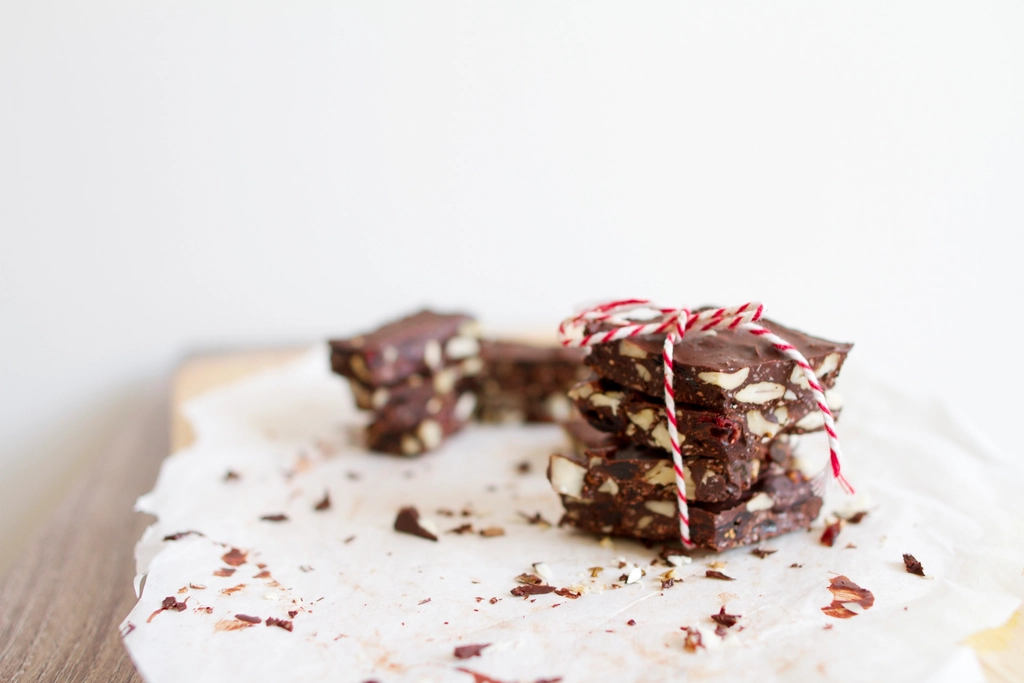
Loaded blondies. Chop chocolate bars, caramels, and peanut butter cups roughly and fold two cups total into a standard blondie batter before baking, or use the same approach on a batch of fudgy brownies for a chocolate-forward version.
Caramel apple dip. Melt soft caramels with cream and a pinch of salt, and serve warm with sliced apples, essentially a deconstructed caramel apple.
Candy bark. Melt plain chocolate bars, spread thin on a lined sheet, and scatter chopped candy of any kind over the top before it sets.
Milkshake mix-ins. Blend chopped caramel or chocolate candy directly into a milkshake base; hard candy and gummy candy both work here better than in baking, since a blender handles textures an oven cannot.
Cookie stuffing. Press a whole peanut butter cup or a few caramel pieces into the center of a cookie dough ball before baking, for a molten center effect.
None of this requires sorting the entire bowl by brand name. Sort by what each piece does under heat, chocolate that seizes with water, caramel that melts easily, hard candy that shatters, gummy candy that just gets sticky, and the leftover bowl turns into ingredients rather than a problem to store until it goes stale.
Frequently Asked Questions
Can I melt all the candy together in one pot?
It is not recommended, since chocolate, caramel, and hard candy all melt at different temperatures and behave completely differently under heat. Melting them together usually produces a scorched, uneven mixture rather than a smooth combined result. Melt each category separately, or chop everything and fold it in unmelted.
Why did my melted chocolate turn grainy and thick?
That is seizing, almost always caused by a small amount of water reaching the chocolate, whether from condensation, a wet bowl, or steam from a double boiler. Keep all utensils and containers completely dry when melting chocolate, and add any liquid ingredients gradually and in sufficient quantity rather than a stray drop.
Is it safe to bake with candy that’s a few months old?
Most wrapped, unopened candy remains safe to eat well past Halloween, since sugar-based candy has a long shelf life. Quality declines before safety does: chocolate can develop a pale, dusty bloom from temperature swings, and caramel can harden, but neither typically makes the candy unsafe. Discard anything with visible mold, an off smell, or damaged packaging.
Can I freeze leftover candy to bake with later?
Yes, chocolate and caramel both freeze well for a few months in a sealed container, and can be chopped while still cold, which is actually easier than chopping softened candy. Hard candy and gummy candy freeze less predictably and are better used within a few weeks.
What temperature should I use to melt hard candy without burning it?
A low oven, around 275 to 300F, watched closely rather than left unattended, works better than direct stovetop heat, which scorches hard candy quickly. Check every minute once the edges start to liquefy, since the difference between melted and burnt happens fast.