Put a tablespoon of cumin seed in a dry pan over medium heat and count. At forty seconds nothing has happened. At seventy the kitchen smells different. At ninety the seeds have darkened by half a shade and the smell has gone from grassy to warm and slightly nutty. At a hundred and twenty they are bitter and there is no way back.
That window is short, it is not the same for every spice, and it is measured by nose rather than by clock. But the more important step is the one after it. A toasted spice that sits whole in a jar for three weeks has given back most of what the pan gave it, because the volatile compounds heat released are already leaving.
What follows is the pan temperature that works, the aroma cue for each of the common whole spices, the ones that should never see a dry pan at all, and why grinding within a few minutes matters more than the toast.
- Pan: heavy, dry, no oil, over medium or medium-low
- Time: 60 to 120 seconds for most seeds, less for small ones
- The cue: smell first, color second, sound third
- Off the heat immediately: into a cold plate, not left in the pan
- Grind: within five minutes, once cool enough to handle
- Never toast dry: anything already ground, saffron, dried herbs, chile powder
- Shelf life after grinding: weeks, not months
What the heat is doing inside the seed
A whole spice is a sealed package. The aromatic compounds sit in oil cells inside the seed coat, protected from air and light, which is why whole spices keep for a year or more and ground ones do not.
Heat does two things to that package. It drives the volatile oils toward the surface where you can smell them and where they will be released faster during cooking, and it triggers browning reactions between the sugars and the amino acids present in the seed. The second part creates compounds that were not there before, which is why toasted cumin does not taste like warm cumin.
Push past the useful point and a third process takes over: the same volatile oils break down, and the browning goes past nutty into burnt. The bitterness that results is not a matter of degree. It is a different set of compounds and it dominates everything else in the dish.
The pan, the heat, and why medium is the ceiling
Use the heaviest small pan you own. Thin metal spikes and dips in temperature and the seeds in contact with the base cook far faster than the ones above them. Cast iron or a thick stainless skillet gives a stable surface that does not swing when you add cold seeds.
Medium heat on a domestic burner puts the pan surface somewhere in the region of 250 to 300 degrees, which is the working range. Higher and the outside of the seed scorches before the inside warms through, so the toast is superficial and the bitterness arrives early.
Preheat the pan for a minute before the spices go in, but do not let it get to the point where a drop of water skitters. Add the seeds in a single layer with room to move, and keep them moving. A crowded pan has seeds that never touch the metal and seeds that touch it for two minutes.
Toasting whole spices, step by step
- Toast one spice at a time. Coriander and cumin finish at different points and cardamom pods at a third. Blending afterward is the only way to get them all right.
- Heat the dry pan over medium for about a minute. No oil. Oil changes the process into blooming, which is a different technique with a different purpose.
- Add the seeds in a single layer. A tablespoon or two at a time in a small pan. More than that and you lose control of the timing.
- Shake or stir constantly. Not occasionally. The pan should be moving the whole time the spices are in it.
- Watch for the first change in smell, at 40 to 60 seconds. This is the signal that something is happening, not the signal to stop.
- Stop when the smell turns round and nutty, usually 60 to 120 seconds. Small seeds such as ajwain and nigella arrive early; large ones such as coriander take longer.
- Listen for popping in the ones that pop. Mustard, fennel and cumin will jump and crackle. That is the cue for those three and it comes at about the right moment.
- Tip them onto a cold plate immediately. A hot pan off the heat still holds enough energy to take them ten seconds too far.
- Let them cool for two or three minutes. Grinding hot spices in a machine turns the oils to steam and cakes the powder against the walls.
- Grind, and use. The whole point of the exercise expires quickly, so this is not a step to postpone.
The cue for each of the usual suspects
| Spice | Time on medium | What tells you to stop |
|---|---|---|
| Cumin seed | 60 to 90 sec | warm and nutty, seeds a half shade darker |
| Coriander seed | 90 to 120 sec | citrus turns to biscuit, faint crackle |
| Fennel seed | 60 to 90 sec | anise sweetens, seeds start jumping |
| Mustard seed | 30 to 60 sec | popping; cover the pan or lose half of them |
| Black peppercorn | 60 to 90 sec | sharp pine smell, the odd pop |
| Green cardamom pods | 60 to 90 sec | pods puff slightly, perfume lifts |
| Cinnamon or cassia bark | 60 to 120 sec | smell sweetens, bark curls tighter |
| Cloves | 30 to 45 sec | very fast; they scorch before they look it |
| Fenugreek seed | 45 to 60 sec | maple note appears, then bitterness fast |
| Sesame seed | 90 to 150 sec | pale gold, not brown, and constant stirring |
| Ajwain or nigella | 20 to 40 sec | tiny seeds, almost instant |
| Star anise | 60 to 90 sec | licorice deepens, points darken |
Fenugreek is the trap on that list. It has a very narrow window and its bitter phase is aggressive enough to ruin a whole blend, so toast it separately, briefly, and pull it while it still smells sweet. Blends built at home live or die on that one seed.
Why grinding immediately matters more than the toast
Grinding multiplies the surface area of a spice by an enormous factor. Everything the heat brought to the surface is now exposed to air, and the volatile compounds that carry the aroma begin evaporating and oxidizing straight away.
A freshly ground toasted spice is at its peak within the first hour. At a week it has lost a noticeable share of its top notes. At a month it is closer to what came out of a supermarket jar, which is exactly the thing the toasting was supposed to improve on.
Which means the sequence matters more than any individual step. Toast, cool, grind, use is one operation. Toasting a jar of seeds on Sunday to grind on Thursday gets you a small fraction of the benefit, and toasting a jar to store already ground gets you almost none.
The spices that should never go in a dry pan
Anything already ground. Ground spice has no seed coat to protect it and it scorches in seconds. If a recipe wants heat on a ground spice, the technique is blooming in fat, where the oil moderates the temperature and captures what comes out.
Saffron. The threads are delicate and the compounds that matter are water-soluble. Steep them in a spoonful of warm water or milk for ten minutes instead; a dry pan destroys them.
Dried herbs and leaves. Oregano, thyme, bay, curry leaves and kaffir lime leaves burn almost immediately in a dry pan. Curry leaves are the exception when fried in oil, which again is blooming rather than toasting.
Chile powder, paprika and cayenne. Same problem as any ground spice, with an extra one attached: the fumes from scorching capsaicin will clear a kitchen and irritate airways badly. Whole dried chiles can be toasted, and it is a separate technique on a separate clock.
Sumac, amchur and other acid powders. Nothing to gain, and both go bitter fast.
Asafoetida. It is a resin and it belongs in hot fat for a few seconds, not on dry metal. South Indian cooking is built on that distinction.
Toasting and blooming are not the same operation
| Dry toasting | Blooming in fat | |
|---|---|---|
| Applies to | whole spices | ground spices, and some whole |
| Medium | dry metal | oil, ghee or butter |
| Temperature control | poor; the pan swings | good; the fat buffers |
| Time | 60 to 120 seconds | 20 to 60 seconds |
| What it produces | new browned compounds inside the seed | aroma dissolved into the fat |
| Where the flavor ends up | in the spice | in the oil, and then in the dish |
| Typical failure | bitterness from overshooting | burning, from too high a heat |
Many dishes use both, in sequence. Whole spices toasted and ground go into the pot as a powder later, while ground spices bloom in the fat at the start alongside the onions. They are complementary rather than alternatives.
Where the toast changes a dish and where it does not
The effect is largest in dishes where the spice is added late or where nothing else is doing much work. A dry rub, a finishing sprinkle, a raita, a dressing, a lentil dish seasoned at the end: in all of those the spice is the flavor, and toasting is the difference between a background note and a foreground one.
It matters less in a long-simmered dish where the spices go in early with fat and onions and spend two hours in liquid. That environment does its own extraction, and the browned compounds toasting created will partly be swamped by everything else that happens. Worth doing, not worth a second pan.
And it makes almost no difference in baking, where sugar, butter and flour dominate and the quantity of spice is small. Cinnamon in a cookie dough does not need a skillet. Dishes built around spice are where the ninety seconds pays; dishes that merely contain spice are not.
A working order for a blend
Sort the spices by how long they need, then toast in ascending order in the same pan, adding each one at the point where it will finish with the rest. Coriander and cinnamon bark go in first, cumin and fennel a half minute later, peppercorns and cardamom after that, cloves last for their thirty seconds.
That sequence keeps one pan on the stove and still respects the timings, which is how most home kitchens run it. The alternative is a separate round for each spice into the same cold plate, which is more accurate and takes ten minutes rather than three.
Fenugreek and sesame come out of the sequence entirely. Both have narrow windows in opposite directions, fenugreek finishing early and sesame late, and both are worth their own thirty seconds of attention. Everything then goes into the grinder together once cool.
Grinders, and what each one costs you
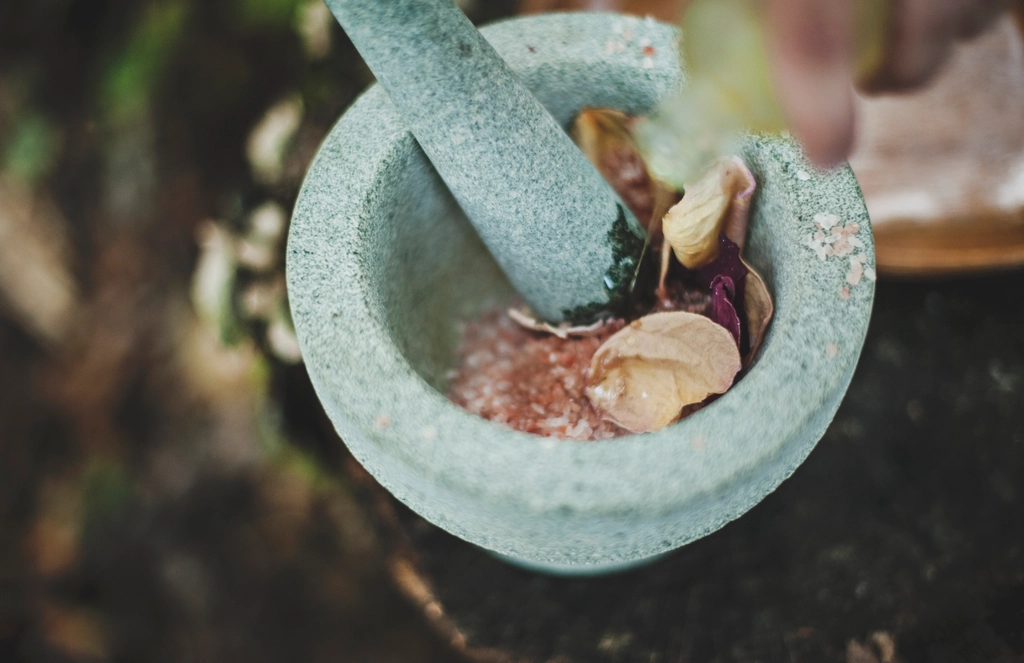
A heavy mortar and pestle gives the most control and the coarsest range. It bruises rather than shears, which releases oil without generating much heat, and it handles small quantities that a machine cannot. It is slow and it is work.
An electric blade grinder is fast, cheap and hot. The blades generate enough heat to drive off some of what you just toasted, so pulse it in short bursts rather than running it, and stop while there is still some texture. A dedicated one for spices is worth owning, since coffee residue transfers both ways.
A burr grinder gives the most even powder and clogs on oily seeds. Whatever the tool, sift the result through a fine sieve and return the coarse fragments for a second pass, because an uneven grind means part of the blend releases immediately and part never does.
Storage, and the honest shelf life
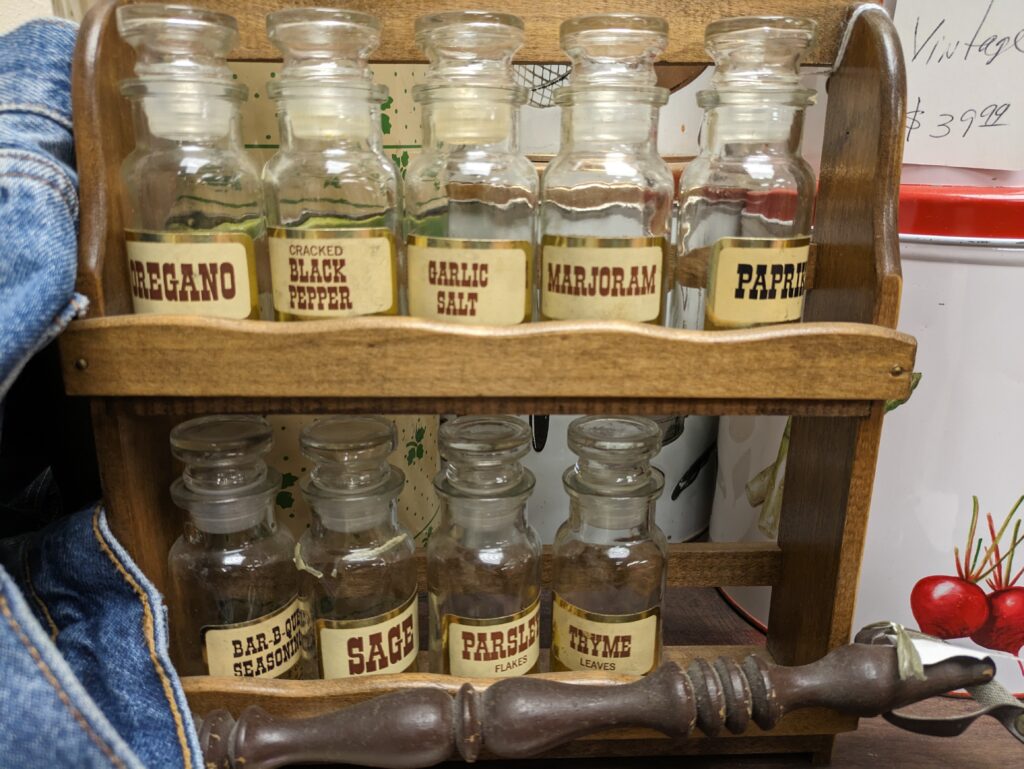
Whole untoasted spices in a sealed jar away from heat and light keep their character for about a year, and longer for hard barks and pods. That is the form to buy and the form to store.
Toasted whole spices keep a few weeks before they are noticeably duller. Ground spices, toasted or not, are worth using within a month or two, and the ones sitting above the stove in a clear jar are already gone. Heat, light and air are the three enemies and the shelf beside the burner offers all of them.
Buy small, buy whole, and toast what a dish needs rather than a batch for the month. Working from whole spices costs a few minutes and it is the difference between a curry that smells like a kitchen and one that smells like a jar. Keep the pan in view while it is on the heat, too: a dry pan of small seeds goes from toasted to smoking in under thirty seconds, and it is the sort of unattended pan that starts trouble.
Ninety seconds, a cold plate, and a grinder within reach. The pan is doing less work than the two minutes that follow it.
Frequently Asked Questions
Can I toast spices in the oven instead?
You can, on a tray at about 300 degrees for eight to twelve minutes, and it is worth doing only for a large quantity. The oven is slower to respond and you cannot smell what is happening as clearly, so the risk of overshooting rises. For a tablespoon of anything, the pan is faster and more accurate.
How do I know if I have burnt them?
Taste one. A properly toasted seed is warm and rounded; a burnt one is sharply bitter at the back of the tongue and the bitterness lingers. If the batch is borderline, throw it out rather than trying to hide it, because bitterness does not dilute away in a pot.
Does toasting work on spices bought pre-ground?
Not usefully. There is nothing left to release and the powder scorches before it warms. Bloom it in fat instead, for twenty to thirty seconds in hot oil before the liquid goes in, which is the right way to wake up a ground spice.
Why do my toasted spices taste soapy?
That is usually coriander rather than technique, since a subset of people perceive one of its compounds as soapy in the same way some people taste soap in cilantro. It can also come from a grinder that still holds residue from something else. Clean the grinder with a spoonful of raw rice ground to powder and discarded.
Should the whole blend go in the pan together?
Only if the timings are close. Cumin, coriander and fennel are near enough to toast together at a pinch. Cloves and fenugreek are not, and adding them to the same pan means either scorching those two or undertoasting everything else. Separate pans, or separate rounds in the same pan.