Someone comes back from a clinic appointment holding a number, halves the salt in everything that night, and eats a dinner that tastes like a photocopy of dinner. Within three weeks the salt cellar is back on the table and the number has been quietly filed away. That sequence is common enough to be predictable, and the reason it happens is a seasoning problem rather than a willpower problem.
Salt is not only a taste. It suppresses bitterness, sharpens the perception of sweetness and savory depth, and pulls the aroma of a dish forward. Take half of it out and you have not just removed saltiness; you have removed a filter, and everything the filter was hiding shows up at once.
What follows is the three levers that put the seasoning back without the sodium, with the amounts to substitute, the sodium arithmetic on the bottles that seem like cheating, the places where none of it works, and the salt substitute that is not right for everyone.
- Cut salt by a third first, not by half. A third is barely noticed; half is a cliff.
- Acid goes in at the end, off the heat. Cooked for an hour, it is gone.
- Standard swap: lose half a teaspoon of salt, add two teaspoons of lemon juice or a tablespoon of mild vinegar.
- Most dietary sodium is not from your shaker. It arrives in packaged and restaurant food, so the kitchen is the easy half.
- Give it three weeks. Preference for salt shifts with what you eat, and the first week is the worst one.
The first week tastes like cardboard, and there is a reason
Preference for saltiness is not fixed. It tracks what you have been eating recently, and a palate accustomed to a high level registers a lower one as a deficit rather than as a different balance. Several weeks at a reduced level and the same food that tasted flat starts tasting normal, while the old level starts tasting harsh.
That is useful information and also useless on a Tuesday night, when dinner is on the table and tastes of nothing. Everything below is about bridging those weeks with technique, so the habit survives long enough for the adjustment to happen.
One structural note before the levers. Most of the sodium in a typical American diet does not come from home cooking at all; it arrives already dissolved in bread, deli meat, cheese, sauces and restaurant meals. The stove is the part you control, which is why it is worth doing well rather than joylessly.
Salt does two jobs and only one is taste
The first job is obvious: sodium ions on the tongue are read directly as saltiness. The second job is that salt interferes with bitterness. At ordinary cooking concentrations it suppresses bitter compounds noticeably, and it lets sweet and savory notes read louder by getting the bitterness out of their way.
That second job is why undersalted food does not simply taste less salty. It tastes bitter, green, metallic or sour in ways that seem to come from nowhere. Bitter compounds in brassicas, coffee, dark greens, eggplant and many spices were always there. Removing salt takes the lid off.
Two consequences follow. Dishes built on bitter ingredients suffer most from a salt cut and need the most help, and any strategy that only replaces the sensation of saltiness will get you halfway and no further.
Three levers that reduce sodium without losing flavor
The three are acid, glutamate-rich ingredients, and aroma with heat. They work differently and they stack, which is the important part: any one of them alone is a partial fix, and the three used together get a dish close enough that nobody at the table asks.
| Lever | What it actually does | Best in | Weakest in |
|---|---|---|---|
| Acid | raises perceived seasoning and cuts through fat and richness | soups, braises, beans, roasted vegetables, anything with fat | delicate dairy, custards, mild fish |
| Glutamate | supplies the savory depth that salt was amplifying | stews, grains, tomato dishes, sauces, vegetable mains | fresh salads, fruit, breakfast dishes |
| Aroma and heat | gives the nose and the trigeminal nerve something to report | almost everything, and it is the cheapest to add | dishes eaten cold, where aroma barely carries |
Order matters. Add the savory depth during cooking, the aroma partly during and partly at the end, and the acid last of all, off the heat, tasting as you go. Reverse that order and you will overshoot on acid and end up with something sour instead of something seasoned.
Acid: how much stands in for how much salt
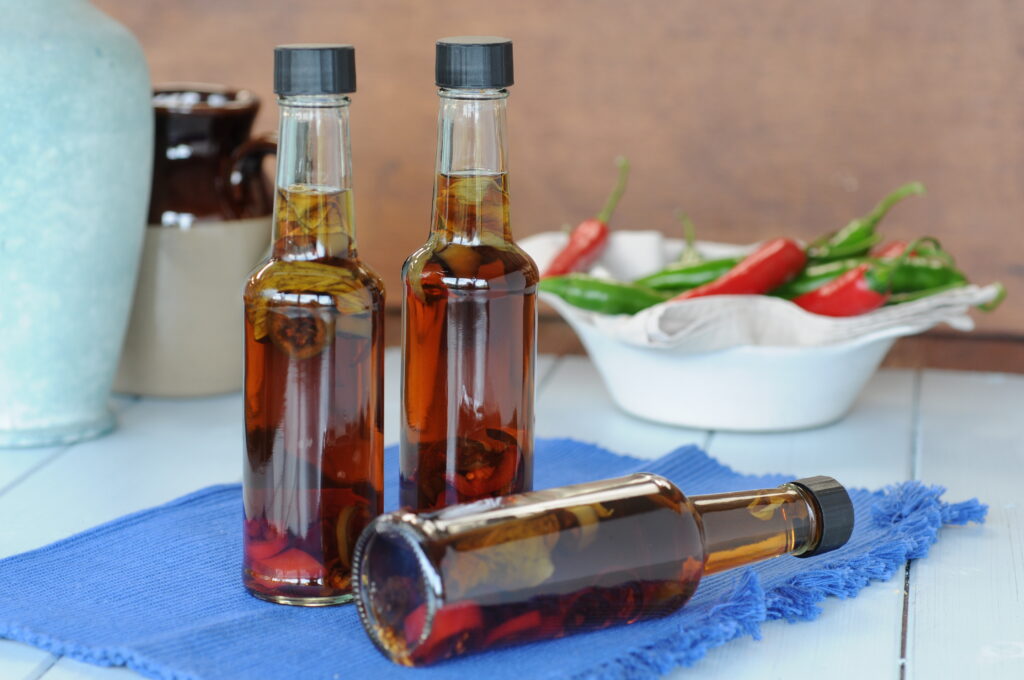
The working ratio is straightforward. For every half teaspoon of salt removed from a dish serving four, add two teaspoons of lemon or lime juice, or one tablespoon of a mild vinegar, at the very end. Taste, then add half as much again if it still reads flat rather than sour.
| Acid | Amount for four servings | When it goes in | Suits |
|---|---|---|---|
| Lemon or lime juice | 2 to 3 teaspoons | off the heat, last thing | soups, greens, fish, beans, grains |
| Rice vinegar | 1 tablespoon | last two minutes | stir-fries, noodles, cucumber, slaws |
| Cider vinegar | 2 to 3 teaspoons | last five minutes | pork, cabbage, root vegetables, lentils |
| Sherry or red wine vinegar | 2 teaspoons | off the heat | beef, mushrooms, tomato sauces |
| Yogurt or buttermilk | 2 to 3 tablespoons | off the heat, stirred in | curries, soups, roasted vegetables |
| Pomegranate molasses | 2 teaspoons | off the heat | lamb, eggplant, walnuts, grain salads |
Timing is not a detail. The compounds that make citrus smell like citrus are volatile, and twenty minutes at a simmer drives them off, leaving sourness with none of the brightness that made the trick work. Vinegar is more robust but loses its top notes the same way. Anything added to a pot early is contributing acidity to the chemistry, not seasoning to the plate.
Zest is the underrated half of a lemon. The oil in the peel carries the aroma without any of the acid, so a teaspoon of grated zest stirred in at the end brightens a dish that has already had as much sourness as it can take.
Dry acid seasons a dry surface
Liquid acid is a problem on anything crisp. Squeeze lemon over roasted potatoes and you have soft potatoes. This is where dry acids earn their place, and most kitchens do not have any.
Sumac is ground dried berry, tart and faintly fruity, and it behaves the way salt does on a surface: sprinkled over roasted vegetables, grilled meat, flatbread or eggs, it seasons without wetting. Amchur, dried green mango ground to a powder, is sharper. Ground dried lime and powdered citric acid do the same job with different accents.
Treat them as you would a finishing salt: about a quarter teaspoon over a plate for four, added after cooking, adjusted upward by taste. Powdered citric acid is the strongest by a wide margin and wants a pinch rather than a spoon.
Umami has arithmetic behind it

The savory taste of glutamate is not the whole story. Certain nucleotides, present in meat, fish and dried mushrooms, magnify the effect of glutamate rather than adding to it, so a combination of two sources tastes considerably more savory than either would alone at the same quantity. That multiplication is the reason a dish with tomato and dried mushroom in it needs less salt than one with either by itself.
The low-sodium sources worth keeping: dried mushrooms, especially shiitake, ground to a powder and used a teaspoon at a time. Tomato paste, cooked in the pan until it darkens rather than stirred in raw. Sun-dried tomatoes. Nutritional yeast. Kombu, simmered briefly and removed. Caramelized onion, which is a slow build rather than an ingredient.
Mushroom powder is the single most useful thing on that list. A jar of dried shiitake blitzed to dust keeps for months, adds nothing but savory weight, and goes into stews, gravies, burgers, grain dishes and vegetable soups at a teaspoon per four servings without announcing what it is.
The salty bottles that still come out ahead
The instinct is to ban fish sauce, soy sauce and miso from a lower-sodium kitchen because they are salty. The arithmetic says otherwise, because what matters is sodium per unit of flavor delivered, not sodium per bottle.
| Ingredient | Rough sodium per teaspoon | Comment |
|---|---|---|
| Table salt | around 2,300 mg | the benchmark, and it delivers only saltiness |
| Fish sauce | roughly 400 to 500 mg | enormous savory return per milligram |
| Soy sauce | roughly 300 mg | reduced-sodium versions run about a third lower |
| Miso | roughly 200 to 300 mg | white miso is milder than red; stir in off the heat |
| Anchovy, one fillet | roughly 150 mg | melts away entirely, leaves depth and no fish |
| Monosodium glutamate | roughly 600 mg | about 12 percent sodium by weight against 39 for salt |
Read those numbers as a trade rather than a permission slip. Replacing a teaspoon of salt with a teaspoon of fish sauce and a squeeze of lime cuts the sodium of that step by roughly three-quarters and produces a dish with more going on in it. Brands vary, so check the label in your own cupboard.
The glutamate figure surprises people. Sodium makes up about 39 percent of the weight of table salt and about 12 percent of monosodium glutamate, so swapping part of the salt in a dish for a smaller quantity of it lowers total sodium while raising savory intensity. It is not a magic ingredient, and it is not a substitute for the other two levers, but the arithmetic is real.
Heat, aroma, and the nose doing the work
Most of what people call taste is smell arriving from the back of the mouth, and aroma is the cheapest lever of the three because it costs nothing but attention. Toasting whole spices before grinding, blooming ground spices in fat at the start of a dish, browning meat and vegetables properly, and finishing with fresh herbs all raise the intensity of a dish without a milligram of sodium.
Chile heat, black pepper, mustard, ginger and horseradish work on a different system, the trigeminal nerve, which reports irritation rather than taste. That signal reads as intensity and distracts convincingly from a missing edge. Freshly cracked pepper over a dish is not the same ingredient as pepper cooked into it.
Fat carries all of this. Aroma compounds dissolve in fat and are released slowly in the mouth, so a low-sodium dish with a spoonful of good olive oil stirred in at the end tastes fuller than the same dish without it. Cutting salt and fat at the same time is the fastest route to food nobody finishes.
Put the salt on the outside

Where salt sits matters as much as how much of it there is. Salt dissolved through a soup is distributed evenly and read at a low concentration. The same quantity sprinkled on the surface of a finished dish hits the tongue in concentrated bursts, and the tongue reports the peaks.
The practical version: cook with clearly less salt than usual and finish with a small pinch of flaky salt at the table. A quarter teaspoon of flakes across four plates reads louder than a full teaspoon stirred into the pot, because the crystals dissolve on contact rather than arriving pre-diluted.
Texture is part of it. A coarse crystal creates a brief high concentration in one spot before it dissolves, which is why flaky salt on a sliced tomato works and the same weight stirred through a tomato salad does not.
Five places where none of this works
Bread and yeasted dough. Salt slows fermentation and tightens gluten, so cutting it changes the dough rather than the flavor. Two percent of the flour weight down to about one and a half is workable; below that the dough slackens, over-proofs and bakes pale and coarse.
Cured meat, pickles and ferments. Here salt is the safety control rather than the seasoning. It sets the water activity and selects which organisms can grow, so lowering it in a cure or a brine is a food safety decision, not a taste one. Follow the tested ratio or choose a different method of preserving. This is not a place to improvise.
Pasta and blanching water. Salt in boiling water seasons food from the inside as it hydrates, and nothing else reaches there. Acid in the pot is worse than useless, since it firms pectin and slows softening. Only a small fraction of what goes in ends up in the food, so reduce it rather than dropping it.
Dried beans and pulses. Acid added early keeps beans firm, sometimes for hours past the point where they should have softened. Tomato, vinegar and wine all go in after the beans are tender, never before. This is the most common way a well-intentioned splash of vinegar ruins dinner.
Anything eaten cold. Cold suppresses aroma and the perception of saltiness at once, so a dish that tasted balanced hot tastes of nothing at refrigerator temperature. Season cold food after it is cold, and lean harder on acid and herbs than you would otherwise.
Salt substitutes, and who should keep away from them
Products sold as light salt or salt substitute replace some or all of the sodium chloride with potassium chloride. They do read as salty, with a metallic bitterness at the back that grows the more you use, and they are useful in modest amounts, particularly blended half and half with ordinary salt.
They are not for everyone. Potassium chloride is a meaningful load of potassium, and people with reduced kidney function, or taking medication that raises potassium, should not use them without asking the clinician who prescribed the medication. That includes several extremely common categories of blood pressure drug. Anyone in that position should treat the substitute aisle as off limits until they have had the conversation.
More generally, if a specific sodium target has been set for you by a doctor or a dietitian, that number is the instruction and this article is a set of techniques for meeting it without hating your food. Nothing here is a reason to adjust a prescribed limit in either direction, and a stricter restriction than the general advice usually exists for a reason.
A week of swaps that do not need a new cookbook
Roast chicken. Salt the bird lightly, then finish the carved meat with lemon zest, cracked pepper and a spoon of the pan juices sharpened with a teaspoon of vinegar. The juices carry the seasoning to every piece.
Lentil soup. A teaspoon of mushroom powder and a tablespoon of tomato paste cooked into the base, half the usual salt, and a full tablespoon of cider vinegar stirred in off the heat. The vinegar is what makes it taste finished.
Roasted vegetables. Half the salt, more oil than feels right, high heat for real browning, and sumac over the top as they come out of the oven. Browning is a seasoning step, not a cosmetic one.
Stir-fry. Replace the soy sauce with half the quantity plus a teaspoon of rice vinegar and a large amount of ginger and garlic. The aromatics do the work the extra soy was doing.
Any pot of beans. Cook them unsalted, salt lightly once tender, then finish each bowl with olive oil, chile flakes and a squeeze of lemon. Everything that makes it taste of something happens in the last thirty seconds.
Frequently Asked Questions
Does sea salt or pink salt contain less sodium than table salt?
Not in any way that matters. All of them are essentially sodium chloride, and the trace minerals that give some of them color are present in quantities too small to affect nutrition. Coarse crystals do measure lower by the spoonful because flakes pack loosely, which is a volume effect rather than a chemical one. Weigh salt and the differences disappear.
How long before food stops tasting bland?
Give it several weeks rather than several days, and cut gradually rather than all at once. Removing a third is close to imperceptible, and after two or three weeks at the new level you can take another third off the same way. Doing it in one step is what makes people give up in the first week.
Can I just use more herbs?
Herbs help and are not enough on their own, because they work on aroma only and do nothing about the bitterness salt was suppressing. Use them alongside acid and a savory ingredient rather than instead of them. Woody herbs go in early and soft herbs at the end.
Is lemon juice really the same as salt in a dish?
No, and the mistake worth avoiding is trying to make it be. Acid does not taste salty; it raises the overall perceived intensity of everything else and makes a dish read as finished rather than as unfinished. The test is whether the food tastes complete, not whether it tastes salty. If a dish tastes sour, you have added acid where it needed depth.
Do I need to worry about the salt in bread and cheese?
That is where most of it is, so yes, and it is easier to manage than it sounds. Reading a few labels once and swapping two or three regular purchases achieves more than a month of careful cooking, and it costs nothing at the stove.