The Greek salad might be the most misunderstood dish in Western cooking. Most versions served outside of Greece are little more than chopped lettuce with a few olives and a crumble of feta — a pale imitation of the real thing. An authentic horiatiki salad uses no lettuce at all. It is a bold, structural combination of ripe tomatoes, crisp cucumbers, sharp red onion, briny Kalamata olives, and a generous slab of feta, all dressed in nothing more than excellent olive oil and a scatter of dried oregano. This version stays true to that philosophy but adds one upgrade: grilled halloumi cheese, which brings a salty, crispy-edged protein element that transforms this from a side dish into a complete meal.
As a nutritionist, I have spent years studying the Mediterranean diet, and the Greek salad is its poster child. It is a nearly perfect nutritional composition: heart-healthy fats from olive oil and olives, lycopene from tomatoes, fiber from vegetables, calcium from cheese, and polyphenols from oregano. The research supporting the Mediterranean diet’s cardiovascular benefits is among the strongest in all of nutrition science, and this salad captures its principles in a single bowl.
But beyond the health benefits, what makes this salad truly exceptional is the quality of its ingredients. There are only seven or eight components, which means each one has to carry its weight. A mealy, out-of-season tomato will ruin the entire dish. A good Greek salad is an exercise in shopping, not cooking — buy the best produce you can find, and the recipe practically makes itself.
Greek Salad with Grilled Halloumi
Prep Time: 15 minutes
Cook Time: 6 minutes
Total Time: 21 minutes
Servings: 4
Difficulty: Easy
Cuisine: Greek / Mediterranean
Ingredients
Salad
- 8 oz (225g) halloumi cheese, sliced into 1/3-inch thick planks
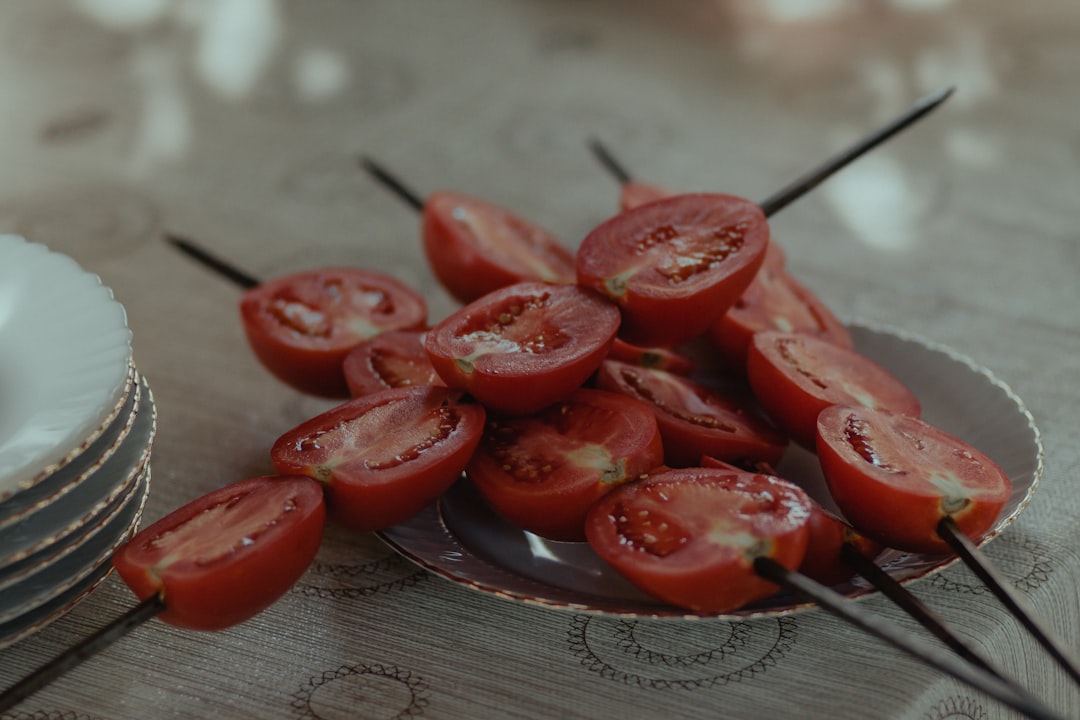
- 2 pints (600g) cherry tomatoes, halved (or 4 large ripe tomatoes, cut into wedges)
- 1 English cucumber, cut into half-moons (about 2 cups)
- 1/2 medium red onion, thinly sliced into half-rings
- 1/2 cup (80g) Kalamata olives, pitted
- 1/2 cup (75g) crumbled feta cheese
- 1 small green bell pepper, sliced into rings (traditional but optional)
- 2 tablespoons capers, drained (optional)
- Fresh oregano leaves or 1 teaspoon dried oregano
Oregano Vinaigrette
- 1/4 cup extra-virgin olive oil (the best quality you can find)
- 2 tablespoons red wine vinegar
- 1 teaspoon dried oregano
- 1 small clove garlic, finely grated
- 1/2 teaspoon Dijon mustard
- 1/4 teaspoon kosher salt
- Freshly ground black pepper
Instructions
- Make the vinaigrette. In a small jar or bowl, combine the olive oil, red wine vinegar, oregano, garlic, Dijon mustard, salt, and pepper. Shake or whisk vigorously until emulsified. The mustard acts as an emulsifier, keeping the oil and vinegar from separating. Set aside — the flavors improve if the vinaigrette rests for at least 10 minutes.
- Prepare the salad components. Halve the cherry tomatoes and place them in a large, wide serving bowl or platter. Add the cucumber half-moons, sliced red onion, Kalamata olives, green pepper rings (if using), and capers. Gently toss to distribute the vegetables evenly. Do not add the dressing yet — we will dress the salad after adding the warm halloumi.
- Soak the red onion (optional but recommended). If raw red onion is too sharp for your taste, soak the slices in ice water for 10 minutes before adding to the salad. This draws out the harsh sulfur compounds while preserving the crisp texture and mild sweetness.
- Grill the halloumi. Pat the halloumi slices completely dry with paper towels — surface moisture is the enemy of a good sear. Heat a non-stick or cast-iron skillet over medium-high heat. Add a thin slick of olive oil. Place the halloumi slices in the pan and cook without moving for 2–3 minutes until a deep golden-brown crust forms on the underside. Flip and cook 2–3 minutes on the other side. The goal is a crispy, caramelized exterior with a warm, squeaky interior.
- Assemble. Arrange the grilled halloumi slices over the salad while still warm. Crumble the feta over the top. Drizzle generously with the oregano vinaigrette and scatter fresh oregano leaves over everything. Serve immediately while the halloumi is warm and the contrast between hot cheese and cool vegetables is at its peak.
Why Halloumi Does Not Melt (and How to Get It Perfectly Crispy)
Halloumi is one of the few cheeses in the world that holds its shape when heated, and the reason is both chemical and structural. Traditional halloumi is made from a mixture of goat’s and sheep’s milk that is heated to a very high temperature during production — around 194°F (90°C) — which causes the milk proteins (primarily casein) to form an extremely tight, heat-resistant matrix. Most cheeses are produced at lower temperatures, resulting in a looser protein structure that collapses and flows when reheated. Halloumi’s high-production temperature means its proteins have already reorganized into their most stable configuration, so applying more heat at home does not cause them to denature further.
The other factor is halloumi’s relatively low acid content compared to meltable cheeses. Acid weakens the calcium bonds between casein proteins, which is why high-acid cheeses like cheddar melt readily. Halloumi’s pH (around 5.8–6.0) is higher than most melting cheeses, keeping those calcium-casein bonds intact even at skillet temperatures. For a comprehensive guide to halloumi cooking techniques, Epicurious covers everything from grilling to baking.
For the crispiest halloumi, three rules apply. First, pat it thoroughly dry before it touches the pan — any surface moisture creates steam, which inhibits browning. Second, use medium-high heat and do not move the cheese for the first 2–3 minutes. The Maillard reaction (the same browning chemistry that sears a steak) needs sustained, direct contact with a hot surface. Third, eat it within five minutes of cooking. Halloumi’s crispy exterior softens rapidly as it cools, and reheating never fully restores the original crunch.
Mediterranean Diet and Heart Health
The Greek salad is not just delicious — it is one of the most nutritionally studied meals on the planet, because its core components are the foundational foods of the Mediterranean diet. The evidence supporting this dietary pattern for cardiovascular health is extraordinarily strong and continues to grow.
The PREDIMED Trial
The landmark PREDIMED study, published in the New England Journal of Medicine, followed over 7,400 participants at high cardiovascular risk for nearly five years. The group assigned to a Mediterranean diet supplemented with extra-virgin olive oil had a 30 percent lower risk of major cardiovascular events (heart attack, stroke, or cardiovascular death) compared to the control group. The olive oil in a Greek salad dressing is not a garnish — it is a clinically validated component of heart health.
Polyphenols and Olive Oil
Extra-virgin olive oil contains over 30 polyphenolic compounds, including oleocanthal, which has anti-inflammatory properties comparable to low-dose ibuprofen. These polyphenols reduce oxidized LDL cholesterol, improve endothelial function, and reduce platelet aggregation. The key distinction is quality: refined olive oils have most polyphenols stripped away during processing. For maximum health benefit, use unfiltered extra-virgin olive oil from a recent harvest.
Lycopene from Tomatoes
Tomatoes are the richest dietary source of lycopene, a carotenoid antioxidant associated with reduced risk of prostate cancer and cardiovascular disease. Lycopene is fat-soluble, meaning its absorption increases dramatically when consumed with dietary fat — which is exactly what happens when you dress tomatoes with olive oil. A study published in the American Journal of Clinical Nutrition found that lycopene absorption increased by 400 percent when tomatoes were consumed with fat versus without. The Greek salad, with its olive oil dressing, is an optimal delivery system for this nutrient.
Research from the American Heart Association consistently ranks the Mediterranean diet among the top dietary patterns for heart health, alongside the DASH diet and plant-based eating patterns.
Dressing Variations
| Dressing | Ingredients | Best Paired With |
|---|---|---|
| Classic Oregano (this recipe) | Olive oil, red wine vinegar, oregano, garlic, Dijon | Traditional Greek salad; lets the vegetables shine |
| Lemon-Herb | Olive oil, fresh lemon juice, fresh dill, mint, honey | Summer salads with grilled seafood or chicken |
| Tahini | Tahini, lemon juice, garlic, water to thin, cumin | Heartier versions with chickpeas or roasted vegetables |
| Balsamic | Olive oil, balsamic vinegar, Dijon, basil, honey | Italian-Greek fusion salads with sun-dried tomatoes |
| Za’atar | Olive oil, lemon, za’atar spice blend, sumac | Middle Eastern-inspired bowls with flatbread |
Storage and Make-Ahead Tips
Greek salad presents a unique storage challenge because its best qualities — crisp vegetables, warm halloumi, vibrant dressing — all deteriorate differently over time. Here is how to handle each scenario.
Same-Day Preparation
You can prepare all the salad components (chop vegetables, make dressing, slice halloumi) up to 4 hours ahead. Store them separately: vegetables in one container, dressing in a jar, halloumi on a plate wrapped in plastic. Assemble and grill the halloumi just before serving. Dressed salad wilts within 30 minutes, so never dress it early.
Storing Leftovers
Leftover dressed Greek salad (without halloumi) keeps for 1 day in the refrigerator. The tomatoes will release juice overnight, creating a flavorful but slightly watery salad that is still delicious over crusty bread. Halloumi should be eaten the day it is grilled — refrigerated grilled halloumi becomes rubbery and loses its crispy exterior permanently.
Meal Prep Strategy
For weekly meal prep, wash and chop the cucumbers and onion on Sunday. Store cherry tomatoes whole (halving them releases juice). Make a double batch of vinaigrette. Each day, halve the tomatoes, toss with the prepped vegetables, dress, and grill fresh halloumi. This takes under 10 minutes and ensures the salad tastes freshly made every time.
For a heartier protein-packed meal, try our high-protein chicken burrito bowl. For more health-focused recipes, explore our healthy recipes collection.
Why This Recipe Works
This Greek salad succeeds because it respects the original philosophy of the dish: a small number of high-quality ingredients, treated simply, with nothing added to dilute or distract. Every component plays a specific role in the composition.
The cherry tomatoes provide sweetness, acidity, and juice — they are the sauce of the salad. The cucumber contributes cooling crunch and water content that lightens the richness of the cheeses. The red onion adds a sharp, pungent bite that cuts through the fat of the olive oil and halloumi. The Kalamata olives bring salinity and a briny, fermented complexity that is impossible to replicate with any other ingredient. And the feta crumbles provide creamy, tangy richness that ties everything together.
The grilled halloumi adds a dimension that traditional horiatiki does not have: warm, crispy, salty protein. The temperature contrast between the hot cheese and the cool vegetables creates a sensory experience that keeps each bite interesting. It also transforms the salad from a side dish into a complete meal with satisfying heft — important for anyone using this as a lunch or light dinner rather than a starter.
The oregano vinaigrette is deliberately minimalist. Extra-virgin olive oil provides the fat base and carries the polyphenol health benefits discussed above. Red wine vinegar adds the acidity needed to balance the richness and brighten the flavors. And dried oregano — the herb most closely associated with Greek cooking — ties the entire composition together with its warm, slightly bitter, intensely aromatic character. Oregano is one of the highest-polyphenol herbs available and has been used in Mediterranean cooking for over three thousand years, not just for flavor but for its preservative properties in the days before refrigeration.
Selecting the Best Ingredients
Tomatoes
If cherry or grape tomatoes are not in season, use the ripest, most fragrant tomatoes you can find — vine-ripened, heirloom, or Roma all work. In winter months, cherry tomatoes from heated greenhouses are typically more flavorful than large supermarket tomatoes. Never refrigerate your tomatoes before using them in salad: cold temperatures destroy the volatile compounds responsible for tomato flavor and create a mealy texture. Leave them at room temperature until you are ready to cut them.
Olives
Genuine Kalamata olives (from the Kalamata region of Greece) are worth seeking out. They have a richer, more nuanced flavor than generic black olives, with notes of wine and a firm, meaty texture. If you cannot find true Kalamatas, any high-quality brine-cured black olive works. Avoid canned black olives (California-style), which are chemically ripened and lack the depth of naturally cured varieties.
Feta
Greek feta made from sheep’s milk (or a sheep-goat blend) has a tangier, more complex flavor than cow’s milk feta. Look for feta stored in brine rather than vacuum-sealed plastic, as the brine keeps the cheese moist and flavorful. French feta tends to be creamier and milder, while Bulgarian feta is sharper — all are acceptable, but Greek feta is the authentic choice for this salad.
Building a Complete Mediterranean Meal
While this Greek salad is satisfying on its own, you can build it into a full Mediterranean spread with minimal additional effort. Serve alongside warm pita bread and hummus for a casual lunch, or pair with grilled lamb chops or lemon-herb chicken for a dinner that covers every element of the Mediterranean plate. A small bowl of tzatziki (yogurt, cucumber, garlic, dill) on the side adds cooling contrast to the salty halloumi.
For meal balance, the halloumi and feta provide approximately 22 grams of protein per serving, the olive oil and olives deliver heart-healthy monounsaturated fats, and the vegetables contribute fiber and micronutrients. If you want additional protein without adding meat, toss in a handful of chickpeas or white beans — both are traditional Mediterranean pantry staples that blend seamlessly into this salad.
Nutrition Facts (Per Serving — 1/4 of salad)
| Calories | 340 kcal |
| Protein | 16g |
| Carbohydrates | 12g |
| Fat | 26g |
| Saturated Fat | 10g |
| Fiber | 3g |
| Sodium | 810mg |
| Potassium | 480mg |
Frequently Asked Questions
Can I use a different cheese instead of halloumi?
Bread cheese (juustoleipa) has a similar high-heat tolerance and works as a substitute. Firm tofu, pressed and sliced, can be pan-fried for a vegan option. Regular feta will not work on the grill — it crumbles and melts. If skipping the grilled element, simply double the crumbled feta for a more traditional horiatiki.
Why does authentic Greek salad have no lettuce?
Traditional Greek horiatiki salad is a village salad that relies on summer vegetables at their peak: tomatoes, cucumbers, peppers, and onions. Lettuce was not part of the original dish and dilutes the flavors. If you prefer greens, add a handful of peppery arugula rather than bland iceberg lettuce.
How do I reduce the sodium in this recipe?
Halloumi and feta are both naturally high in sodium. To reduce it: soak the halloumi slices in cold water for 30 minutes before grilling (this removes surface salt), use less feta, and reduce the olives to 1/4 cup. Skip the capers and reduce salt in the vinaigrette. These changes can cut sodium by roughly 40 percent.
Is this salad suitable for meal prep?
Partially. Prep the vegetables and dressing separately up to 3 days ahead. Cherry tomatoes should be stored whole and halved daily. Grill halloumi fresh each day — it does not reheat well. Assemble within 30 minutes of serving for the best texture.
What makes extra-virgin olive oil different from regular olive oil?
Extra-virgin olive oil is extracted mechanically (cold-pressed) without chemical solvents or high heat. This preserves the polyphenols, antioxidants, and volatile flavor compounds that are destroyed in refined oil production. For a dressing like this where the oil is used raw, the difference in flavor and nutritional quality is significant. Save refined olive oil for high-heat cooking.
Final Thoughts
A Greek salad is a masterclass in simplicity. When your ingredients are excellent, you do not need complicated techniques or long lists of seasonings. Ripe tomatoes, crisp cucumber, briny olives, sharp feta, and the best olive oil you can afford — that is the whole philosophy. The grilled halloumi elevates it from a side dish to a meal, and the oregano vinaigrette ties every element together. This is the kind of food that makes you understand why the Mediterranean diet has endured for thousands of years.
Disclaimer: This article is for informational purposes only and does not constitute medical advice. Nutritional values are estimates. The health claims regarding the Mediterranean diet are based on published research but should not replace guidance from a qualified healthcare professional. Contains dairy. Individuals with milk protein allergies should avoid halloumi and feta.

Rachel Summers
Rachel grew up in a Pacific Northwest kitchen, learning Sunday roasts from her mother and pie crust from a grandmother who never wrote a recipe down. CookingZone began as a way to save her family's cooking before it was forgotten, and grew when her cousins started sending in their own. Her work covers foundational American, Italian, French, and Mexican recipes, with an emphasis on weekend baking, comfort food, and the techniques that span both European and American home kitchens.
Please note: Nutritional estimates in our recipes are derived from the USDA FoodData Central database and may vary based on specific brands and ingredient sizes. If you have food allergies, dietary restrictions, or medical conditions, consult a registered dietitian or healthcare provider before preparing this recipe. Always follow safe food-handling guidelines, including proper cooking temperatures for meat, poultry, fish, and eggs. Nothing in this article should be interpreted as medical, nutritional, or dietary advice.