Introduction: Elevating the Dining Experience Through Visual Appeal
This plating transforming recipe will become a favorite. Alright, let me just start by saying something that might sound obvious, but often gets overlooked: food plating isn’t just about making things look pretty. Nope, it’s a fundamental part of the culinary arts, transforming everyday meals into experiences you remember. You see, a beautifully plated dish does more than catch the eye — it prepares your brain for deliciousness before the first bite even touches your tongue. In my tiny home kitchen (yes, cramped but cozy), I’ve learned that a little effort on presentation can turn a simple chicken breast and roasted veggies from “meh” to “wow”. It’s kind of like setting the stage for a show.
Don’t panic if you’re not naturally artistic — I promise you, plating is a skill anyone can pick up. Here’s the secret: it’s all about understanding some basic principles and then playing with them creatively. So buckle up as we dive deep into this art form that will upgrade your table setting and elevate your dining experience.
Basic Principles of Plating
Balancing Colors, Textures, and Heights
This is where plating gets really fun — colors are your palette! The rule here? Contrast is king. Think about those vibrant reds from roasted bell peppers against creamy whites of mashed potatoes or bright green herbs sprinkled over golden-brown seared fish. But it’s not just color; texture plays its part too. Crunchy elements next to silky sauces add interest—not only visually but also to how satisfying each bite feels.
I remember one disaster in my early days—trying to plate salmon with only similar-colored sides (think beige rice and pale cauliflower puree). The dish looked… well, bland as heck. Every mistake is a lesson: since then I always make sure there’s some pop—whether from fresh greens or colorful microgreens—just enough height so things don’t lie flat like pancakes on a plate.
The Rule of Thirds and Negative Space
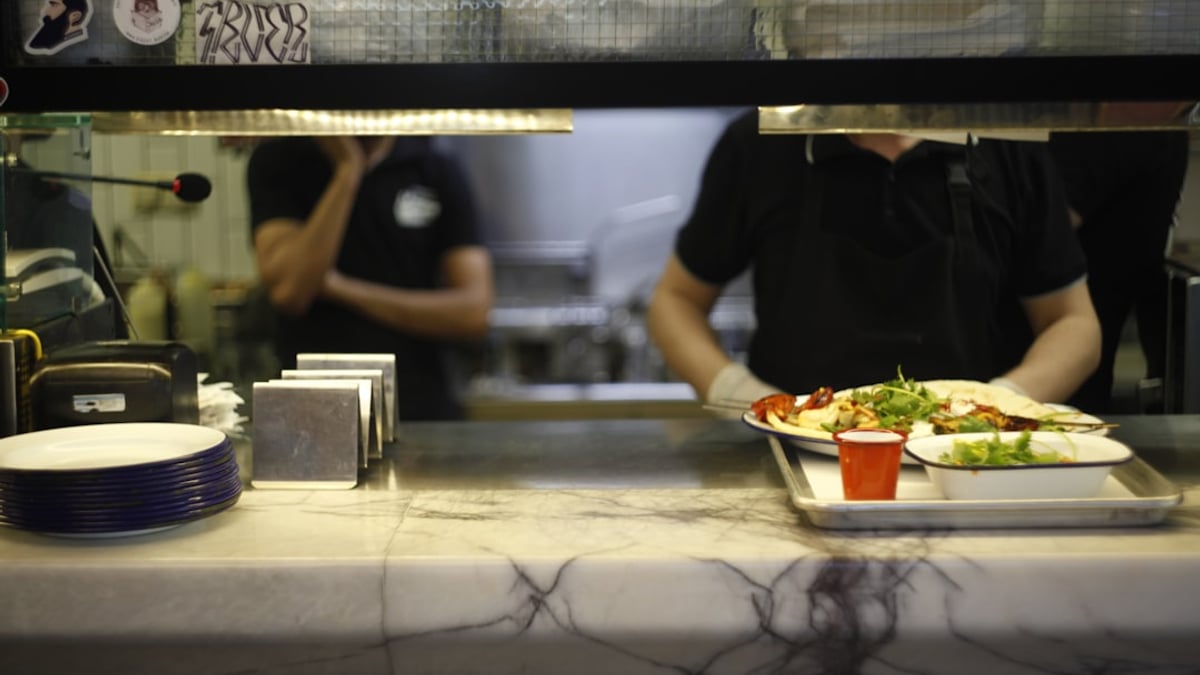
This principle might come from photography or painting but it translates perfectly into food presentation. Imagine dividing your plate into three equal parts—your main protein should occupy one section; sides another; sauce or garnish in the last third (or around strategically). This keeps dishes balanced and avoids overcrowding.
Negative space — aka empty space on your plate — sounds counterintuitive because we’re cooks who want everything edible visible at once—but trust me on this one—it gives breathing room! Overcrowded plates feel messy and rushed; leaving some gaps lets each ingredient shine individually.
Choosing the Right Plate and Tableware
You’d think any old plate works fine but oh no—you gotta be picky here! Size matters (not too big or small relative to portion size), shape influences perception (round plates lend softness while square ones bring modernity). And color? Stick mostly to white or neutral tones so food colors stand out vividly without clashing.
I admit sometimes in my tiny home kitchen I cheat by using wooden boards or slate tiles when hosting friends—it changes vibe instantly without fussing over fancy china every time. Practicality meets aesthetics!
Plating Techniques for Different Dishes
Classic Techniques: Stacking, Layering, and Arranging
The classics never go out of style because they work! Stacking creates height which adds drama; layering different textures like crispy prosciutto atop soft polenta pairs visual appeal with flavor complexity nicely.
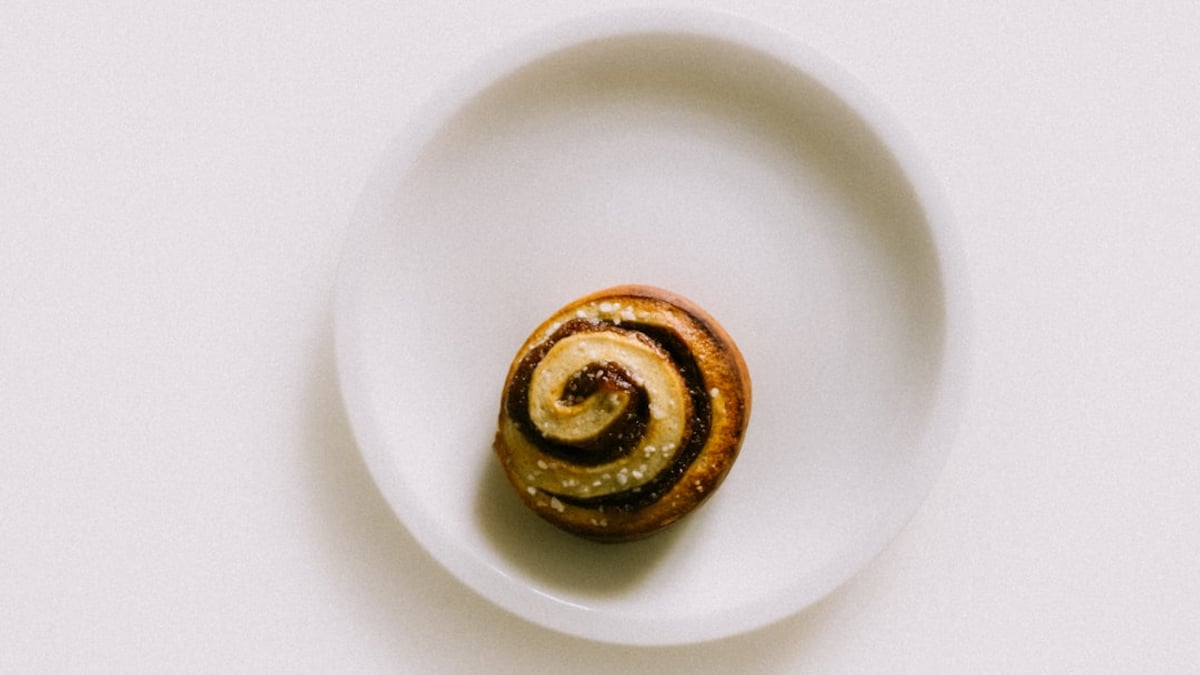
Stacking: Try placing protein at bottom followed by vegetables or grains stacked neatly on top;
Layering: Spread purées or sauces under proteins for colorful base layers;
Arranging: Fans slices evenly spaced (think avocado or citrus segments).
I used stacking during an event last summer where everyone gawked at my humble ratatouille towers – all thanks to well-timed mise en place organizing earlier that morning.
Modern Techniques: Smears, Dots, and Foams
If classic feels safe but boring—or maybe you watched too much Netflix cooking shows—the modern techniques allow serious creativity while staying practical.
Smeared Sauces: Dragging sauce with back of spoon across plate creates movement;
Dots: Use squeeze bottles to place uniform drops strategically around main item;
Foams: Ah yes, foams – tricky but impactful when done right with hand blender whipping air through flavored liquids.
A quick story here—I tried foam once in my tiny home kitchen for date night…and nearly wrecked my immersion blender trying to get perfect bubbles—but hey… don’t panic, we can fix this! Ended up making thick whipped cream instead which actually worked better than intended.
Garnishing: Adding Flavor and Visual Interest
Peppering dishes with garnishes can either make you look like a pro chef—or amateur hour if misplaced badly (“Hey look what I found in garden!” style). Always choose garnishes that complement flavors AND textures rather than just looking pretty for Instagram likes (though hey… I’m guilty sometimes).
Editables like microgreens add freshness;
Crispy shallots provide crunch;
Zests bring brightness;
A drizzle of quality olive oil adds shine plus flavor boost.
Plating for Specific Occasions
Casual Dining vs. Formal Settings
I mean… casual dinners don’t have to be sloppy slaps-on-a-plate meals—you can still impress guests without getting overly complicated. For formal settings though? Precision counts—the right cutlery alignment combined with symmetric plating elevates ambiance dramatically.
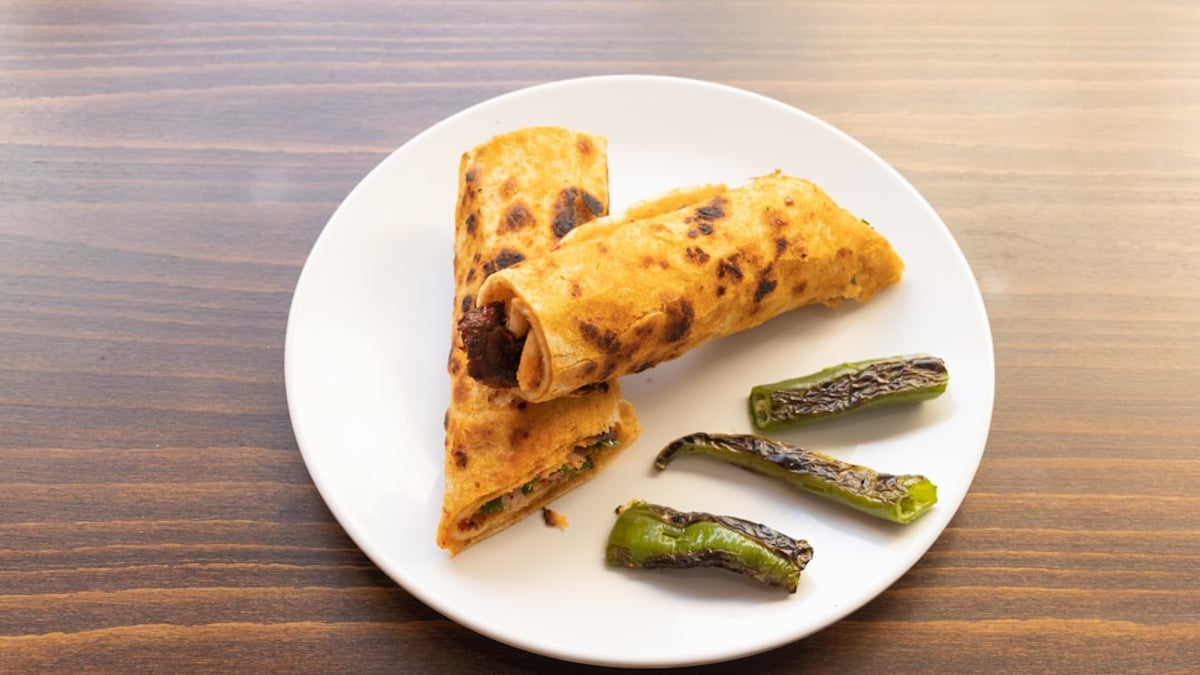
An important tip here: tailor complexity based on occasion so you’re not stressing yourself out 30 minutes before guests arrive scrambling with smears everywhere (trust me—that was me once!). For casual nights at home? Keep it loose but thoughtful: rustic bread torn artistically beside hearty stew looks welcoming yet effortless—a balance worth mastering given how many people underestimate table setting impact overall experience.
Themed Parties and Holidays
This one deserves its own chapter honestly because themes give permission to play wildly creative—even kitschy sometimes—which is refreshing after weeks of minimalist style attempts in my own kitchen sanctuary. Christmas could mean red berry coulis dots swirling over snowy meringues; Halloween brings black sesame dust accents contrasting orange pumpkin soup…you get picture?
Plating for Children
If you think kids won’t care how their peas are arranged—you’re partly right—but making plates playful transforms eating battles into adventures occasionally victorious ones too!
Create faces using vegetables (e.g., carrot sticks as hair);
Add pops of bright fruit colors;
Tiny portions separated distinctly help picky eaters digest meal structure better than mixed mush piles;
Toddler-sized utensils + fun shaped plates boost engagement significantly!
Tips and Tricks for Stunning Presentations
Using Sauces and Dressings Effectively
Sauces aren’t mere condiments—they’re storytellers on plates demanding respect! Consistency matters tons: runny dressings spill everywhere ruining clean edges; thick sauces applied incorrectly appear clumsy instead of elegant.
Spooning neat pools under components anchors composition visually;
Squeeze bottles allow precision dotting control—my go-to tool these days;
Basting brushes smear thin coats creating dynamic backgrounds if practiced gently—watch those fingers though!
A Kitchen Disaster Worth Sharing…
A Story From My Tiny Home Kitchen:
One frantic evening attempting fancy dinner presentation involved caramel sauce drizzle gone rogue—all over white linen napkins guests luckily hadn’t unfolded yet. Lesson? Practice drizzling motions several times off-plate beforehand saves panic moments. Every mistake is a lesson!
Don’t worry—we can fix this.
(And yes sometimes microwaves have saved me emergency reheats without sacrificing texture despite what snobby chefs say.)
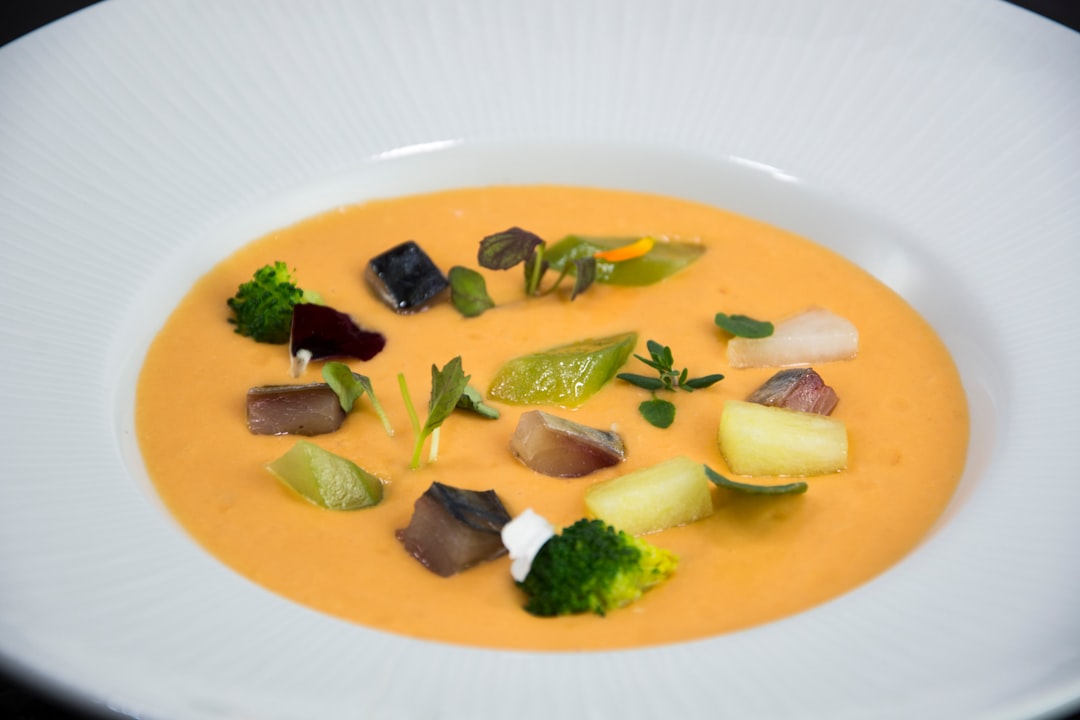
My Take on This:
Why You Can Trust Me:
With over 15 years working hands-on in professional kitchens—from high-end restaurants down to experimenting inside my tiny home kitchen—I’ve faced every plating challenge imaginable including burnt edges during service rushes and imperfect mise en place chaos. Food plating isn’t just technique; it’s storytelling through sight & taste harmonized together.
By: Chef Emily Carter
Pro Tips for Perfect Plating
Plating is an art, and like any art form, it benefits from practice and thoughtful techniques. Here are some pro tips to elevate your plating game:
Invest in Quality Tools: Use a set of high-quality plating tools such as squeeze bottles, tweezers, and small spoons. These tools allow for precision in presentation, enabling you to create clean lines and intricate designs.
Practice Portion Control: When plating, consider the size of your portions. A well-balanced plate looks inviting. Aim for smaller portions that allow each element to shine without overcrowding the plate.
Temperature Matters: Serve hot dishes hot and cold dishes cold. A beautifully plated dish can lose its charm if served at the wrong temperature. Use warm plates for hot foods to maintain their temperature longer.
Layer Flavors: When arranging your dish, think about how flavors will interact. Place components strategically to enhance the tasting experience. For example, layer a flavorful sauce under a protein to allow the flavors to meld as the diner cuts into it.
Experiment with Height: Create visual interest by stacking or leaning elements. This adds a dynamic quality to your dish and can make even simple ingredients look gourmet.
Mind the Lighting: Natural light is best for showcasing your dishes. When photographing or presenting, consider the lighting conditions to highlight colors and textures effectively.
By implementing these tips, you can consistently produce visually stunning plates that complement the flavors of your dishes.
Common Mistakes to Avoid in Plating
While plating can seem straightforward, there are several common mistakes that can detract from your culinary presentations. Avoid these pitfalls to ensure your dishes look as good as they taste:
Overcrowding the Plate: Placing too many elements on the plate can create a chaotic appearance. Aim for simplicity and elegance by focusing on a few key components that allow the essence of the dish to shine.
Ignoring the Plate’s Shape: Different plate shapes serve different purposes. Round plates are versatile, while square plates can give a modern edge. Choose a plate that complements your dish and enhances its presentation.
Neglecting Sauces: Sauce application can make or break a dish’s presentation. Avoid drenching your food; instead, consider using dots, smears, or pools to add visual interest without overwhelming the plate.
Inconsistent Garnishing: Garnishes should enhance the dish, not overpower it. Use fresh herbs or edible flowers sparingly to complement the main components without stealing the spotlight.
Forgetting to Clean the Edges: Always wipe the edges of the plate before serving. A clean plate enhances the overall presentation and gives a polished look to your dish.
Being Afraid to Experiment: Plating is an art form, and creativity is key. Don’t be afraid to try new techniques and styles. Embrace the process of trial and error to find your unique plating style.
By avoiding these common mistakes, you can significantly improve your plating skills and create dishes that are not only delicious but also visually stunning.
Plating Tips Reference
Technique
Description
Tip
Layering
Stacking food items for height
Use stable ingredients like vegetables to support layers.
Negative Space
Leaving areas of the plate empty
Enhances focus on the plated items.
Contrast
Using diverse colors and textures
Aim for at least three contrasting elements.
Garnishing
Adding herbs or decorative elements
Ensure garnishes are edible and complementary.
Frequently Asked Questions
What type of plates are best for plating food?
Choosing the right plate depends on the dish. Generally, white plates are preferred for their ability to highlight colors. However, textured or colored plates can add personality. Consider the dish’s components and the overall aesthetic you aim to achieve.
How can I improve my plating skills?
Improving your plating skills involves practice and experimentation. Start by studying plated dishes from restaurants or cookbooks. Try replicating them at home. Additionally, invest time in understanding color theory and balance to enhance your presentations.
What are some common garnishes I can use?
Common garnishes include fresh herbs like basil or parsley, edible flowers, microgreens, and thinly sliced citrus. Choose garnishes that complement the dish’s flavors and colors, but use them sparingly to avoid overshadowing the main elements.
How important is the temperature of the food when plating?
Temperature is crucial in plating. Hot foods should be served on warm plates to maintain their heat, while cold dishes should be plated on chilled plates. This ensures the food remains at the optimal temperature, enhancing both taste and presentation.
</html
Why You Can Trust Me: I’m a Culinary Arts and Food Presentation and have been exploring the art of plating: transforming everyday meals into culinary masterpieces in my tiny home kitchen for years. Everything I share comes from personal experience—real kitchens and hands-on practice—not just theory.
Beautiful plating begins with understanding what makes food visually appealing. Color contrast draws the eye; height creates drama; negative space prevents overcrowding. Professional chefs think of the plate as a canvas, planning each element’s placement before building. Practice with simple compositions before attempting elaborate designs.
The Rule of Odds
Odd numbers of elements create more visually interesting compositions than even numbers. Three scallops look more appealing than four. Five small dots of sauce work better than six. This principle applies to garnishes, protein portions, and vegetable groupings. The asymmetry creates visual tension that engages viewers.
Using Height Effectively
Height transforms flat plates into dimensional presentations. Stack ingredients strategically rather than spreading them flat. Lean proteins against mashed potatoes or rice. Use ring molds to create neat cylindrical vegetable stacks. A few vertical herbs or microgreens add height without overwhelming the composition.
Essential Plating Techniques Compared
Professional chefs rely on a repertoire of established plating techniques, each suited to different types of dishes and dining contexts. Mastering even a few of these approaches dramatically elevates home cooking presentation.
Technique
Description
Best For
Difficulty
Tools Needed
Classic Center
Main protein centered, starch and vegetable around it
Formal dinners, protein-focused plates
Beginner
Round plate, offset spatula
Landscape
Components arranged horizontally across a rectangular plate
Multi-component dishes, tasting menus
Intermediate
Rectangular plate, squeeze bottles
Stacking
Ingredients layered vertically for height
Composed salads, appetizers
Intermediate
Ring mold, spatula
Swoosh/Smear
Sauce spread artfully with spoon back
Modern fine dining, purees
Beginner
Large spoon, wide-rimmed plate
Scatter
Components artfully scattered across plate
Rustic elegant, seasonal dishes
Beginner
Wide bowl or plate, tweezers
Deconstructed
Classic dish components separated individually
Reimagined classics, creative plating
Advanced
Various molds, squeeze bottles
Nordic/Minimalist
Few elements, extensive negative space
Modern Scandinavian, fine dining
Advanced
White plate, fine tweezers
Family Style
Large platter with components for sharing
Casual dinners, holidays, gatherings
Beginner
Large oval platter, serving utensils
Color Theory in Food Presentation
Color is the first element diners perceive, and it profoundly influences their expectations of flavor and enjoyment before they take a single bite. Research has demonstrated that diners rate identically prepared food as significantly more flavorful and appealing when it is presented with thoughtful color composition.
Complementary colors, those opposite each other on the color wheel, create the most visually striking plates. Orange salmon on a bed of green herbs, purple beet puree topped with orange microgreens, or red tomatoes against green basil all leverage complementary contrast. These combinations appear vibrant and appetizing because the human eye perceives adjacent complementary colors as more vivid through a phenomenon called simultaneous contrast.
Analogous color schemes use colors adjacent on the color wheel for a harmonious, sophisticated look. A plate of roasted golden beets, saffron rice, and turmeric-roasted cauliflower creates a warm, unified composition in yellow-orange tones. These monochromatic or near-monochromatic plates feel elegant and intentional, though they risk appearing monotonous without textural variety to compensate.
White plates remain the professional standard because they function as a blank canvas. White makes food colors appear more vibrant and allows the chef complete control over the color narrative. Dark plates and slate boards create dramatic contrast, particularly effective for light-colored foods like risotto, white fish, or cream-based dishes. Black plates photograph exceptionally well, which is why they have become popular in the social media era.
Avoid monochromatic plating where everything is the same color: beige chicken with beige rice and beige cauliflower reads as bland regardless of how delicious it tastes. Even a simple garnish of green herbs, a drizzle of deeply colored sauce, or a few pomegranate seeds can transform a flat color palette into an appetizing plate.
Pro Tips for Better Results
Preparation is key to success in the kitchen. Read the entire recipe before starting and gather all ingredients. This mise en place approach prevents surprises mid-cooking.
Taste as you cook and adjust seasonings throughout the process. Your palate is the best guide to creating delicious food.
Do not be afraid to make mistakes. Every failed dish teaches something valuable about technique and flavor.
Quality ingredients make a noticeable difference. When possible, choose fresh, seasonal produce and high-quality proteins for the best results.
Embark on a culinary adventure and discover the art of spice blending from around the world. Learn how to create unique and flavorful dishes with this comprehensive guide.
Master the art of meal prep with our comprehensive guide! Learn essential techniques, food safety tips, and delicious recipes for efficient and healthy weekly meals.