
A great tomato basil soup recipe starts with quality ingredients. Few things evoke comfort quite like a steaming bowl of tomato soup, especially when paired with a grilled cheese sandwich on a chilly afternoon. But there’s a vast difference between the canned version many of us grew up with and a truly exceptional homemade tomato soup—one that highlights the natural sweetness of ripe tomatoes, balanced with aromatics, cream, and just the right touch of acidity. Once you experience tomato soup made from scratch, there’s simply no going back.
This comprehensive guide will teach you how to create restaurant-quality tomato soup at home using both fresh and canned tomatoes (yes, canned can be excellent when fresh are out of season). You’ll learn the techniques that transform simple ingredients into a silky, deeply flavorful soup that’s infinitely better than anything from a can.
Fresh vs. Canned Tomatoes: The Great Debate
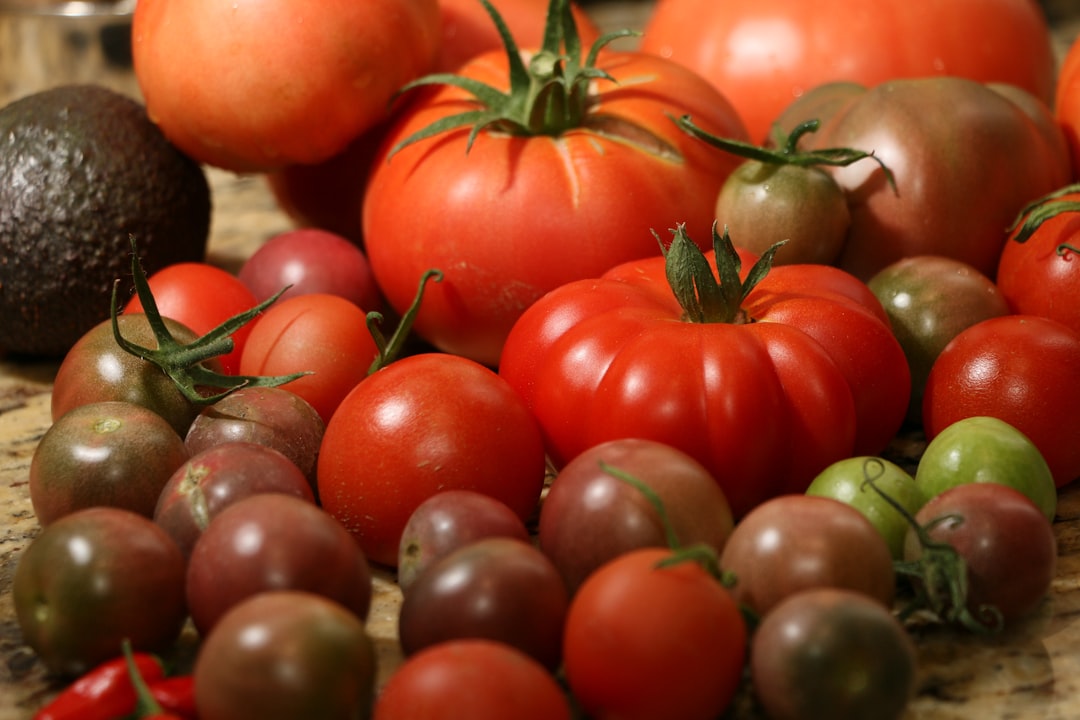
Here’s a truth that might surprise you: canned tomatoes often make better tomato soup than fresh ones. Why? Tomatoes for canning are picked at peak ripeness and processed immediately, locking in flavor and sweetness. Fresh supermarket tomatoes, unless you’re buying heirloom varieties at a farmers market in summer, are often picked underripe and lack the concentrated flavor needed for exceptional soup.
Use fresh tomatoes when: it’s peak tomato season (summer), you have access to vine-ripened heirloom or farmer’s market tomatoes, or you’re roasting them first to concentrate flavors.
Use canned tomatoes when: it’s off-season, fresh tomatoes look pale and tasteless, or you want consistent results year-round. Look for whole San Marzano tomatoes or fire-roasted varieties for depth.
Common Mistakes That Ruin Tomato Soup
- Not balancing acidity: Tomatoes are naturally acidic, and without proper balance (sugar, cream, or both), the soup tastes sharp and one-dimensional.
- Skipping the aromatics: Garlic, onions, and herbs aren’t optional—they provide the flavor foundation.
- Over-blending: This incorporates too much air, creating a foamy, aerated texture instead of silky smoothness.
- Adding cream too early: Cream added during cooking can curdle. Add it at the end, off heat.
- Underseasoning: Tomato soup needs generous seasoning. Taste and adjust salt multiple times during cooking.
- Not straining: For silky texture, strain the blended soup to remove seeds and skin fragments.
Essential Tomato Basil Soup Ingredients
For 4-6 servings, you’ll need: 2 cans (28 ounces each) whole peeled tomatoes (preferably San Marzano) or 3 pounds fresh tomatoes, 1 large onion diced, 4 cloves garlic minced, 2 tablespoons tomato paste, 3 cups vegetable or chicken stock, 1/2 cup heavy cream, 2 tablespoons butter, 2 tablespoons olive oil, 1 tablespoon sugar (adjust to taste), fresh basil (about 1/2 cup packed leaves), salt and freshly ground black pepper.
Optional additions: pinch of red pepper flakes, splash of balsamic vinegar, fresh thyme, bay leaf, or parmesan rind for depth.
Step-by-Step Instructions
Prepare Your Ingredients
If using fresh tomatoes, bring a large pot of water to boil. Score an X on the bottom of each tomato. Blanch for 30-60 seconds, then transfer to ice water. The skins will slip right off. Core and roughly chop. If using canned, simply open and have them ready.
Dice onions finely and mince garlic. Having everything prepped before you start cooking (mise en place) makes the process smooth and enjoyable.
Build the Flavor Base
Heat butter and olive oil in a large heavy-bottomed pot or Dutch oven over medium heat. Add diced onions with a pinch of salt and cook for 8-10 minutes, stirring occasionally, until soft and translucent. The salt helps draw out moisture and prevents browning—you want them sweet, not caramelized.
Add minced garlic and cook for 1-2 minutes until fragrant. Be careful not to burn garlic as it turns bitter. Add tomato paste and cook for 2-3 minutes, stirring constantly. This deepens the color and concentrates the tomato flavor.
Add Tomatoes and Liquid
Add your tomatoes (with their juices if using canned). Using a wooden spoon or potato masher, break up whole tomatoes into smaller pieces. Add stock, sugar, and fresh basil (whole leaves are fine). If using, add red pepper flakes, thyme, or a parmesan rind now.
Bring to a boil, then reduce heat and simmer uncovered for 25-30 minutes. This allows flavors to meld and the soup to reduce slightly, concentrating flavors. Stir occasionally and break up any remaining large tomato pieces.
Blend Until Smooth
Remove from heat and discard any herb stems or parmesan rind. Using an immersion blender, blend the soup directly in the pot until completely smooth. Alternatively, carefully transfer to a blender in batches (never fill more than halfway and vent the lid slightly to allow steam to escape).
Here’s a professional tip: for the silkiest texture, strain the blended soup through a fine-mesh sieve, pressing on solids with a ladle to extract all liquid. This removes seeds and any remaining skin fragments. It’s an optional step but creates restaurant-quality texture.
Finish with Cream and Season
Return soup to the pot if you strained it. Off heat, stir in heavy cream. Taste and adjust seasoning—you’ll likely need more salt than you expect. Tomatoes require generous seasoning to truly shine. Add freshly ground black pepper. If the soup tastes too acidic, add another teaspoon of sugar. If it’s too sweet, add a splash of red wine vinegar or lemon juice.
Gently rewarm over low heat if needed, but don’t boil after adding cream to prevent curdling.
Serving Suggestions
Ladle soup into warm bowls. Garnish with: a drizzle of heavy cream or crème fraîche, fresh basil leaves (torn or chiffonade), croutons (homemade are best), grated parmesan cheese, or a drizzle of good olive oil and cracked black pepper.
The classic pairing is grilled cheese, but also consider serving with crusty bread for dipping, grilled cheese croutons (cut grilled cheese into cubes), or a simple green salad for a complete meal.
Variations to Try
Roasted Tomato Soup
For deeper, caramelized flavor, roast tomatoes first. Halve fresh tomatoes, toss with olive oil, salt, and pepper, and roast at 400°F for 35-45 minutes until charred and concentrated. Use these instead of raw or canned tomatoes. This intensifies sweetness and adds smoky notes.
Spicy Tomato Soup
Add 1-2 chipotle peppers in adobo sauce when blending, or increase red pepper flakes. Finish with a dollop of sour cream to balance heat.
Tomato Bisque
Use more cream (1 cup instead of 1/2 cup) and add 2 tablespoons flour to the onions before adding tomatoes to create a thicker, richer texture.
Vegan Tomato Soup
Omit butter and cream. Use olive oil for cooking and finish with coconut cream or cashew cream for richness. Add nutritional yeast for umami depth.
Make-Ahead and Storage
Tomato soup actually improves with time as flavors meld. Make the soup completely but add cream just before serving. Store base in the refrigerator for up to 5 days or freeze for up to 3 months.
To freeze: Cool completely, portion into freezer-safe containers leaving 1 inch of headspace for expansion, and freeze. Thaw overnight in the refrigerator and reheat gently, adding cream when serving.
Leftover soup can be repurposed in creative ways: use as pasta sauce, base for shakshuka, or add beans and vegetables for minestrone.
Professional Tips
- Taste throughout cooking and adjust seasoning at each stage—flavors develop and change.
- Use whole canned tomatoes, not diced. Whole tomatoes are higher quality with fewer additives.
- Don’t skip the tomato paste—it adds concentrated flavor and rich color.
- If soup is too thick, thin with stock. If too thin, simmer longer to reduce.
- The sugar balances acidity; start with 1 tablespoon and adjust. Different tomatoes need different amounts.
- Blend hot soup carefully—steam creates pressure. Always vent blender lid.
- For the best grilled cheese pairing, butter the bread on the outside and use a combination of cheeses (sharp cheddar + gruyere is excellent).
Frequently Asked Questions
Can I make tomato soup without cream?
Yes. For richness without cream, add extra butter, a parmesan rind while simmering, or finish with a drizzle of good olive oil. The soup will be lighter but still delicious.
Why does my tomato soup taste bitter?
Usually from burned garlic or onions, over-charred tomatoes, or insufficient sugar to balance acidity. Add sugar gradually to balance, or stir in a small amount of baking soda (1/4 teaspoon) to neutralize acidity.
Can I use a slow cooker?
Yes. Sauté onions and garlic first, then transfer everything to a slow cooker. Cook on low for 6-8 hours or high for 3-4 hours. Blend and add cream at the end.
How do I prevent cream from curdling?
Add cream off heat and don’t boil the soup after adding cream. If it does curdle, blend again—usually fixes it. Using full-fat cream rather than half-and-half also helps prevent curdling.
What’s the best way to reheat tomato soup?
Reheat gently over medium-low heat, stirring frequently. Don’t boil. Add a splash of stock or water if it’s thickened too much. Microwave individual portions for 2-3 minutes, stirring halfway through.
Can I make this in an Instant Pot?
Yes. Sauté onions and garlic using the sauté function, add tomatoes and stock, seal and cook on high pressure for 10 minutes. Natural release for 10 minutes, then quick release. Blend and add cream.
Conclusion
Homemade tomato soup is one of those fundamental recipes every home cook should master. It’s simple enough for a weeknight but impressive enough for company. The techniques you learn here—building flavor layers, balancing acidity and sweetness, achieving silky texture—apply to countless other soups and sauces.
Once you’ve mastered the basic recipe, customize it to your preferences. Make it spicy, add roasted garlic, incorporate fresh herbs from your garden, or experiment with different cream alternatives. The foundation remains the same, but the possibilities are endless. For more comforting soup recipes, explore our soup collection.