Few dishes manage to be simultaneously humble and showstopping, but shakshuka pulls it off without breaking a sweat. This North African and Middle Eastern staple — eggs gently poached in a fragrant, spice-laced tomato sauce — has become a global brunch phenomenon for good reason. It is fast, forgiving, and endlessly adaptable. Whether you serve it for a lazy weekend breakfast or a quick weeknight dinner, shakshuka delivers deep flavor with minimal effort and a single skillet.
The dish traces its roots to Tunisia and Libya, though it has been embraced across the Levant, particularly in Israel, where it became a national breakfast icon. The name itself comes from the Arabic word for “mixture” or “shaking,” which perfectly describes the technique: a sauce built from tomatoes, peppers, onions, and warm spices, with eggs cracked directly into the simmering liquid and cooked until just set. The beauty of shakshuka lies in its adaptability — every household has its own version, and yours should be no different.
Why This Recipe Works
Great shakshuka is not about following a rigid formula. It is about understanding the principles that make it extraordinary, then applying them with confidence.
Blooming spices in oil. Cumin, smoked paprika, and harissa paste are toasted in olive oil before the tomatoes go in. This step takes 60 seconds but transforms the entire dish. Fat-soluble flavor compounds in these spices dissolve into the oil, creating a fragrant base that permeates every bite. According to food scientist Harold McGee, dry-heating spices in oil can increase the perception of their aroma by up to 10 times compared to adding them directly to a liquid.
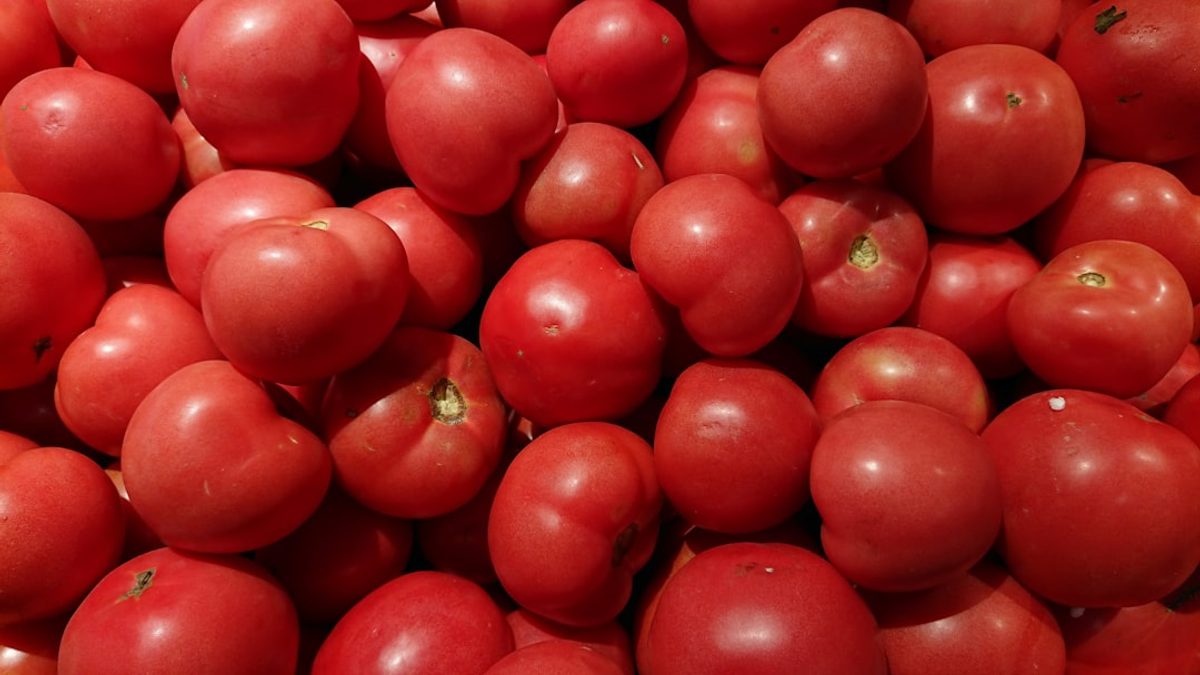
The right tomato ratio. We use a combination of canned whole San Marzano tomatoes (crushed by hand) and a small amount of tomato paste. The whole tomatoes provide bright acidity and texture, while the paste contributes concentrated umami depth. This dual approach avoids the two most common shakshuka pitfalls: a sauce that is too thin and watery, or one that tastes like straight tomato paste.
Controlled egg cookover. The eggs are cracked into small wells in the sauce, then the pan is covered. Steam trapped under the lid cooks the tops of the whites without overcooking the yolks. The target is a fully set white with a yolk that is still runny — around 6 to 8 minutes over medium-low heat, depending on your pan and stove. The residual heat continues cooking for about 30 seconds after you remove the lid, so pull it slightly earlier than you think you should.
Harissa for complexity. Where many recipes rely on generic chili flakes, we use harissa paste, which brings not just heat but also roasted pepper sweetness, garlic depth, and a subtle smokiness. A tablespoon is enough to add intrigue without overwhelming the tomato base. If you prefer less heat, rose harissa is a superb alternative that adds floral notes.
Ingredients
Spiced Tomato Sauce
- 3 tablespoons extra-virgin olive oil
- 1 large yellow onion, diced (about 1 1/2 cups)
- 1 large red bell pepper, seeded and diced (about 1 cup)
- 4 cloves garlic, thinly sliced
- 1 tablespoon harissa paste (adjust to taste)
- 2 teaspoons ground cumin
- 2 teaspoons smoked paprika
- 1 teaspoon sweet paprika
- 1/2 teaspoon ground coriander
- 1/4 teaspoon cayenne pepper (optional)
- 1 can (28 ounces) whole San Marzano tomatoes
- 2 tablespoons tomato paste
- 1 teaspoon granulated sugar
- 1 teaspoon kosher salt, plus more to taste
- 1/2 teaspoon freshly ground black pepper
Eggs and Toppings
- 6 large eggs
- 1/2 cup crumbled feta cheese (about 2 ounces)
- 2 tablespoons fresh cilantro, roughly chopped
- 2 tablespoons fresh flat-leaf parsley, roughly chopped
- Flaky sea salt (such as Maldon), for finishing
- Crusty bread, pita, or challah, for serving
Recipe Overview
| Detail | Value |
|---|---|
| Prep Time | 15 minutes |
| Cook Time | 30 minutes |
| Total Time | 45 minutes |
| Servings | 3 to 4 |
| Difficulty | Easy |
| Cuisine | Middle Eastern / North African |
Step-by-Step Instructions
- Heat the oil and cook aromatics. Set a 12-inch oven-safe skillet over medium heat. Add the olive oil. Once it shimmers, add the diced onion and bell pepper. Cook, stirring occasionally, for 8 to 10 minutes until the onion is translucent and the pepper has softened. Add the garlic and cook for 30 seconds until fragrant.
- Bloom the spices. Push the vegetables to the edges of the pan and add the harissa paste, cumin, smoked paprika, sweet paprika, coriander, and cayenne (if using) to the center of the pan. Stir the spices into the oil and toast for 60 seconds. You should smell a deep, warm aroma. Stir the vegetables back into the spice mixture.
- Build the tomato sauce. Add the tomato paste and cook for 1 minute, stirring constantly, until it darkens slightly. Pour in the canned tomatoes with their juices. Use a wooden spoon or potato masher to crush the whole tomatoes into rough chunks — you want some texture, not a smooth puree. Add the sugar, salt, and pepper. Stir to combine.
- Simmer the sauce. Bring the sauce to a gentle boil, then reduce heat to medium-low. Simmer uncovered for 10 to 12 minutes, stirring occasionally, until the sauce thickens and reduces by about one-third. Taste and adjust seasoning. The sauce should be concentrated, well-spiced, and thick enough that a spoon dragged through it leaves a trail that slowly fills back in.
- Create wells and add eggs. Using the back of a spoon, make 6 evenly spaced wells in the sauce. Crack one egg into each well. Season the eggs lightly with a pinch of salt and pepper.
- Cover and cook the eggs. Reduce heat to low. Cover the skillet with a tight-fitting lid and cook for 6 to 8 minutes. Check at 6 minutes: the whites should be fully opaque and set, while the yolks remain soft and runny when you gently jiggle the pan. If the whites are still translucent, cover and cook for another 1 to 2 minutes.
- Finish and serve. Remove the lid and immediately scatter the crumbled feta, chopped cilantro, and parsley over the top. Finish with a drizzle of extra-virgin olive oil and a pinch of flaky sea salt. Serve the shakshuka directly from the skillet with crusty bread, warm pita, or sliced challah for dipping.
Substitution Guide
| Ingredient | Substitution | Notes |
|---|---|---|
| Harissa paste | 1 tsp chili flakes + 1/2 tsp smoked paprika | Less complex but still adds heat and smoke |
| San Marzano tomatoes | Any good-quality canned whole tomatoes | Avoid pre-diced; they lack body |
| Feta cheese | Goat cheese or labneh | Goat cheese melts more; labneh adds tang |
| Fresh cilantro | Fresh dill or mint | Mint pairs especially well with feta |
| Red bell pepper | Roasted jarred peppers (drained, chopped) | Adds sweetness; skip the 10-minute saute |
| Eggs | Silken tofu cubes (for vegan version) | Nestle cubes in sauce; cover and heat 5 min |
Expert Tips for the Best Shakshuka
Do not skip the spice bloom. Toasting spices in oil is the single most impactful step. Without it, the dish tastes flat. The oil acts as a vehicle for fat-soluble flavor molecules, distributing them evenly throughout the sauce. If you add dry spices directly to wet tomatoes, much of their potential stays locked inside the spice particles.
Use the right pan. A 12-inch cast iron or enameled skillet is ideal. Cast iron holds heat evenly, which means the sauce maintains a steady simmer and the eggs cook uniformly. Avoid thin nonstick pans, which develop hot spots that can overcook eggs near the edges while leaving center eggs raw.
Crack eggs into a small bowl first. This prevents stray shell fragments from landing in the sauce and lets you place each egg precisely in its well. A broken yolk in the bowl is easier to deal with than a broken yolk in the pan.
If you enjoy bold Middle Eastern flavors, you might also appreciate our Lemon Blueberry Muffins, which shares shakshuka’s love of warm spices and slow-built sauces.
Storage and Reheating
Refrigerator: Store leftover sauce (without eggs) in an airtight container for up to 4 days. The sauce actually improves overnight as the spices meld. Reheat the sauce in a skillet over medium heat, then poach fresh eggs in it for the best texture.
With eggs: Leftover shakshuka with eggs can be refrigerated for up to 2 days, but the yolks will firm up. Reheat gently in a covered skillet over low heat for 3 to 4 minutes. Do not microwave — it turns the eggs rubbery.
Freezer: The tomato sauce (without eggs) freezes well for up to 3 months. Thaw overnight in the refrigerator and reheat on the stove. Add fresh eggs when you are ready to serve.
Nutrition Facts (Per Serving, Based on 4 Servings)
| Nutrient | Amount | % Daily Value |
|---|---|---|
| Calories | 312 kcal | 16% |
| Total Fat | 20 g | 26% |
| Saturated Fat | 5.8 g | 29% |
| Cholesterol | 285 mg | 95% |
| Sodium | 820 mg | 36% |
| Total Carbohydrates | 20 g | 7% |
| Dietary Fiber | 5 g | 18% |
| Protein | 16 g | 32% |
| Vitamin A | 62% DV | — |
| Vitamin C | 95% DV | — |
| Iron | 25% DV | — |
Nutrition estimates based on USDA FoodData Central values. Actual amounts may vary based on specific brands and preparation methods. Values do not include serving bread.
For another egg-centric dish that makes an impressive brunch centerpiece, check out our Greek Lemon Chicken and Rice recipe. And if you are looking for a hearty one-pan meal for dinner instead, our Asparagus Pasta follows the same minimal-cleanup philosophy.
Further Reading
For more on the history and variations of this dish, see the Serious Eats shakshuka guide. Nutritional data sourced from USDA FoodData Central. For spice blending techniques, the Bon Appetit harissa primer is an excellent resource.
Frequently Asked Questions
Can I make shakshuka ahead of time?
You can make the tomato sauce up to 3 days in advance and store it in the refrigerator. When ready to serve, reheat the sauce until simmering, then crack in fresh eggs and cook as directed. This actually makes weekday shakshuka faster than starting from scratch.
Why are my shakshuka eggs cooking unevenly?
Uneven cooking usually comes from inconsistent sauce depth or hot spots in your pan. Make sure the sauce is at least 1 inch deep across the entire skillet, and use a heavy-bottomed pan like cast iron. Also ensure all wells are roughly the same size and the eggs are similar in size.
What is the best bread to serve with shakshuka?
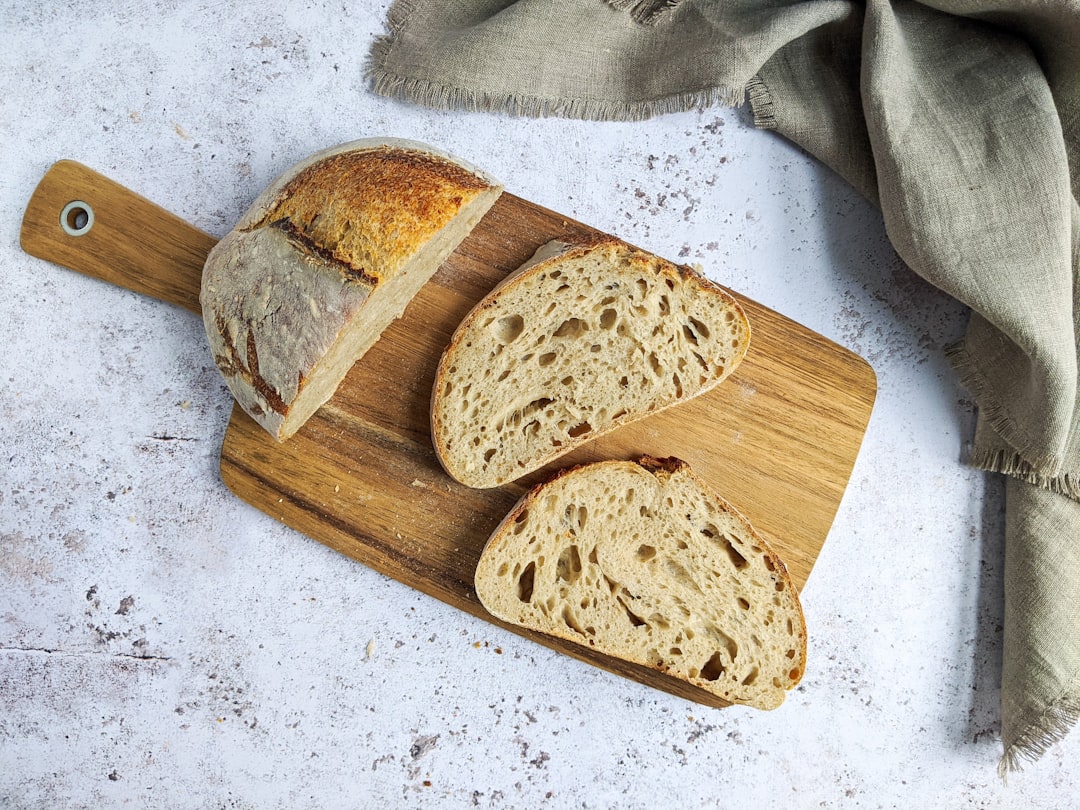
Crusty sourdough, warm pita, or challah are the most traditional choices. The bread serves a functional purpose: you use it to scoop up the sauce and break into the runny yolks. Any bread with enough structure to hold up to a thick sauce works well. Focaccia and ciabatta are excellent alternatives.
Can I add other vegetables to shakshuka?
Absolutely. Spinach, kale, or Swiss chard can be stirred into the sauce during the last 2 minutes of simmering. Roasted eggplant or zucchini can be added with the tomatoes. Chickpeas are another popular addition that adds protein and makes the dish more substantial.
Is shakshuka spicy?
The heat level is entirely under your control. Our recipe uses harissa paste and a small amount of optional cayenne. For a mild version, reduce the harissa to 1 teaspoon and omit the cayenne. For extra heat, add a sliced serrano pepper with the garlic or increase the harissa to 2 tablespoons.
Serving Suggestions and Variations
Green shakshuka: Replace the tomato sauce with a base of spinach, Swiss chard, green chiles, and herbs. The technique is the same — build the green sauce, then poach eggs in it. Finish with feta and a squeeze of lemon.
Shakshuka for a crowd: Double the recipe and use a large roasting pan. Build the sauce on the stove, transfer to the pan, crack in 12 eggs, and finish in a 375 degrees Fahrenheit oven for 12 to 15 minutes. This hands-off method is perfect for entertaining.
Protein boost: Crumble cooked merguez sausage or ground lamb into the sauce before adding the eggs. This transforms shakshuka from a light brunch into a hearty dinner. If you enjoy lamb in Mediterranean cooking, you may want to try our Greek Lemon Chicken and Rice for another warming one-pot meal.
Nutritional Disclaimer
The nutritional information provided is an estimate based on USDA FoodData Central data and is intended for informational purposes only. Values may vary depending on specific ingredients, brands, and preparation methods. This content is not a substitute for professional dietary or medical advice. Individuals with food allergies, intolerances, or specific health conditions should consult a qualified healthcare provider before making dietary changes. CookingZone.org does not assume liability for the accuracy of nutritional data or individual health outcomes.