# Conquer the Kitchen: Essential Techniques for Culinary Triumph
*Welcome to my kitchen, where culinary dreams become reality. I’m Chef Marcus Rodriguez, a James Beard Award winner and former head chef at Le Bernardin, and I’m here to guide you on a journey to conquer the culinary arts. For over 20 years, I’ve honed my skills in Michelin-starred kitchens, exploring the fascinating intersection of modern techniques and flavor science. This isn’t just about following recipes; it’s about understanding the *why* behind every chop, sear, and simmer. Get ready to transform your cooking from ordinary to extraordinary.*
## Introduction: Why This Matters
Have you ever stared at a beautifully plated dish in a restaurant and thought, “I could never do that”? I’m here to tell you, you absolutely can. Cooking isn’t magic; it’s a science, and like any science, it can be learned. This article isn’t just a collection of recipes; it’s a masterclass in the fundamental techniques that will empower you to create culinary masterpieces. Remember that time I was preparing the tasting menu at Le Bernardin, and the fishmonger delivered halibut instead of turbot? Disaster, right? Wrong. That’s when I truly understood the power of adaptability – a skill we’ll dive into later. Halibut has a firmer texture, so I adjusted the cooking time and employed a gentler poaching method instead of the planned pan-sear. The result? A dish so exquisite, even the critics raved. By the end of this guide, you’ll not only be cooking better, but you’ll also be *thinking* like a chef. You’ll learn to improvise, adapt, and create culinary magic even when the unexpected happens.
## Understanding the Fundamentals
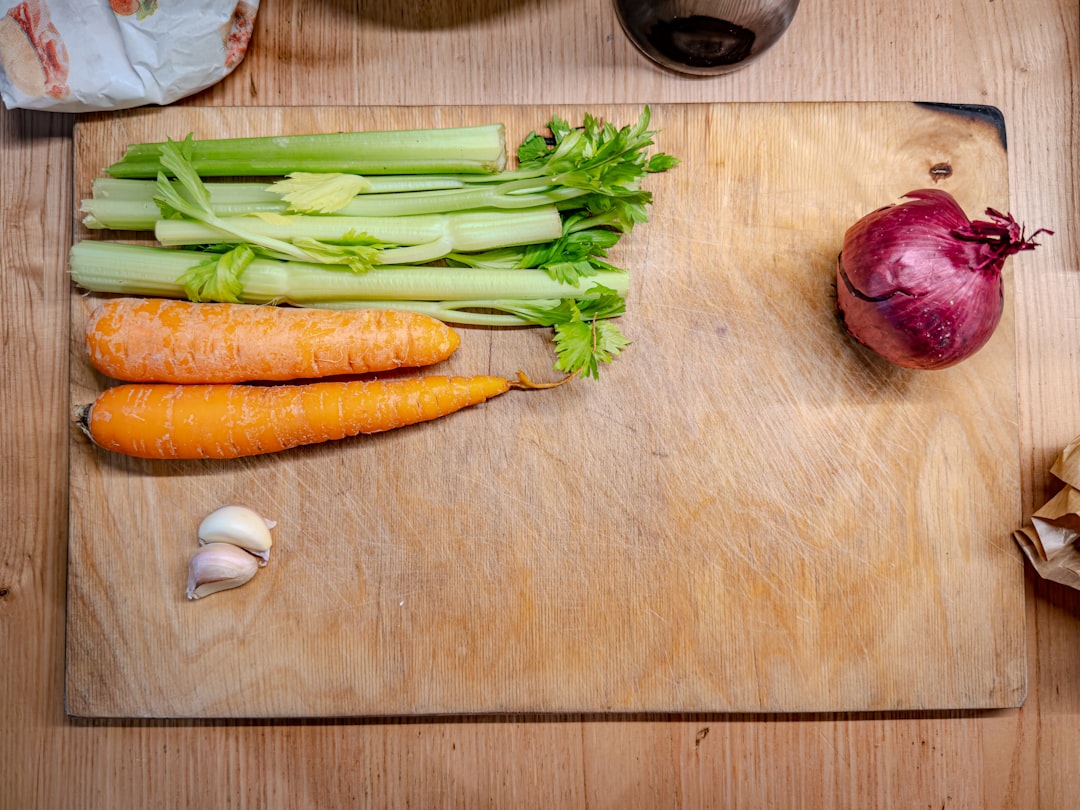
Before we jump into advanced techniques, let’s establish a solid foundation. *Mise en place*, as Chef Thomas Keller wisely emphasizes, is paramount. In professional kitchens, we live by this principle – everything in its place. It’s about having all your ingredients prepped, measured, and organized before you even light the stove. This changes everything. Imagine a symphony orchestra where the musicians haven’t tuned their instruments or arranged their sheet music. Chaos, right? The kitchen is the same. *Mise en place* transforms that chaos into control, allowing you to focus on the art of cooking, not the scramble for the right spice. Dice your onions, mince your garlic, measure your spices, and have them ready to go. This not only saves time but also allows you to execute your dish with precision and finesse.
## Knife Skills Mastery: Dicing, Mincing, and More
Proper knife skills are the bedrock of any successful dish. Inconsistent cuts lead to uneven cooking and compromised flavor. We’ll cover everything from the rock chop to the brunoise dice, demystifying these essential techniques. The science behind this technique lies in understanding the geometry of your ingredients and the mechanics of your knife. A uniform dice ensures that all pieces cook at the same rate, resulting in a harmonious blend of flavors and textures.
* **The Rock Chop:** This technique is essential for quickly and efficiently chopping herbs. Hold the tip of your knife on the cutting board and rock the blade back and forth over the herbs, using your other hand to guide the process.
* **The Brunoise Dice:** This precise dice, measuring about 1/8 inch, is ideal for adding elegance and texture to sauces and garnishes. Start by dicing your ingredient into small sticks, then turn them and dice them again to achieve tiny, uniform cubes.
* **The Chiffonade:** This slicing technique is perfect for leafy greens like basil and spinach. Stack the leaves, roll them tightly, and slice thinly perpendicular to the roll.
### Professional Tips from Chef Marcus Rodriguez
* **Sharpen Your Knives:** A sharp knife is a safe knife. Invest in a honing steel and learn to use it regularly. Dull knives require more force, increasing the risk of slippage and injury.
* **The Claw Grip:** Protect your fingertips by curling them inwards while holding the ingredient, using your knuckles as a guide for the knife. This technique provides stability and prevents accidental cuts.
* **Practice Makes Perfect:** Don’t be discouraged if your first attempts aren’t perfect. Like any skill, it takes practice. Start with potatoes or carrots – they’re inexpensive and great for practice.
## Mastering Heat Control: From Simmering to Searing
Heat is the engine of the kitchen, and controlling it is essential for achieving culinary perfection. Whether you’re gently simmering a delicate sauce or searing a steak to a perfect crust, understanding the nuances of heat application is crucial. Overcooking is a common problem, often due to impatience or improper heat control. I remember once, early in my career, I was so eager to impress the chef that I cranked the heat up too high while sautéing vegetables. They ended up charred on the outside and raw in the middle – a valuable lesson in patience and heat control.
* **Simmering:** A gentle simmer, characterized by small bubbles rising to the surface, is ideal for poaching eggs, cooking delicate sauces, and braising meats.
* **Searing:** Searing involves high heat and a small amount of fat to create a flavorful crust on meats and vegetables. The Maillard reaction, a chemical process between amino acids and reducing sugars, is responsible for the rich brown color and complex flavors.
* **Sautéing:** Sautéing involves cooking food quickly over medium-high heat with a small amount of fat, constantly tossing or stirring to ensure even cooking.
### Troubleshooting Guide
* **Problem:** Food is burning on the outside but raw inside.
* **Solution:** Lower the heat and cover the pan to allow the heat to penetrate evenly. You might also need to add a small amount of liquid to create steam and help with the cooking process.
* **Problem:** Sauce is too thin.
* **Solution:** Reduce the sauce over low heat to concentrate the flavors and thicken the consistency. You can also create a slurry by mixing a small amount of cornstarch or arrowroot powder with cold water and whisking it into the sauce.
* **Problem:** Meat is tough and dry.
* **Solution:** You likely overcooked the meat. Use a meat thermometer to ensure the proper internal temperature. Also, consider using a moist cooking method like braising or stewing for tougher cuts of meat.
## Flavor Building: Balancing Taste and Texture
Flavor building is where the magic happens. It’s about understanding how different ingredients interact and how to create a symphony of tastes and textures on the palate. As J. Kenji López-Alt brilliantly explains in “The Food Lab,” understanding the science behind cooking allows for predictable and delicious results. Think of your palate as a canvas and your ingredients as your paints.
### Industry Secrets
* **Layering Flavors:** Start with a base of aromatics like onions, garlic, and celery. Build complexity with spices and herbs, and finish with a touch of acidity or sweetness to balance the flavors. Think of a classic French mirepoix as a foundation for countless dishes.
* **Texture Play:** Contrast creamy textures with crunchy elements and soft textures with firm ones. Imagine a perfectly seared scallop with a creamy parsnip purée and crispy fried leeks.
* **Umami Bomb:** Incorporate ingredients like Parmesan cheese, mushrooms, or soy sauce to add a savory depth of flavor. Umami, the fifth taste, adds a rich, savory dimension to dishes.
## Kitchen Organization and Efficiency
A well-organized kitchen is a happy kitchen. Implement a system that works for you. In professional kitchens, we utilize specific zones for different tasks – prep area, cooking station, plating area. This streamlines the workflow and minimizes wasted movement. Imagine a dance – every step is choreographed for maximum efficiency. This is what we strive for in the professional kitchen.
* **Zone 1: Prep Area:** This is where you’ll wash, chop, and measure your ingredients. Keep your cutting boards, knives, and measuring tools within easy reach.
* **Zone 2: Cooking Station:** This is where the magic happens. Your stovetop, oven, and essential cookware should be located here.
* **Zone 3: Plating Area:** This is where you’ll assemble your culinary creations. Keep your plates, garnishes, and serving utensils in this zone.
## Essential Cooking Methods: Roasting, Grilling, Braising
From the dry heat of roasting to the moist heat of braising, each cooking method offers unique possibilities. Understanding these methods empowers you to choose the best technique for each ingredient and desired outcome. The current trend towards plant-based cooking requires a deeper understanding of these methods to maximize flavor and texture in non-meat dishes. For example, roasting vegetables at high heat brings out their natural sweetness and creates a beautiful caramelization.
* **Roasting:** Roasting uses dry heat to cook food in the oven, resulting in a crispy exterior and tender interior. Think of a perfectly roasted chicken or a tray of colorful root vegetables.
* **Grilling:** Grilling uses direct heat to cook food quickly, imparting a smoky flavor. From a juicy steak to grilled vegetables, the possibilities are endless.
* **Braising:** Braising involves searing food, then simmering it in liquid until tender. This method is ideal for tougher cuts of meat and hearty vegetables. Think of a classic beef bourguignon or braised short ribs.
## Food Safety and Sanitation
Food safety is non-negotiable. Always practice proper hygiene, use separate cutting boards for raw meats and vegetables, and store food at the correct temperatures. Remember the 2-hour rule: Perishable foods should not be left at room temperature for more than two hours. This is crucial for preventing bacterial growth and foodborne illnesses.
## Understanding Ingredients: Seasonality and Substitutions
Alice Waters, a champion of the farm-to-table movement, rightly stresses the importance of fresh, seasonal ingredients. When possible, source your ingredients locally and seasonally for optimal flavor. A ripe summer tomato, bursting with flavor, is a world away from a pale, out-of-season one. Understanding seasonality not only enhances flavor but also supports local farmers and reduces your environmental impact.
* **Substitutions:** Sometimes you may not have a specific ingredient on hand. Knowing how to substitute ingredients is a valuable skill. For example, if you’re out of lemon juice, you can use vinegar or another acidic ingredient.
## Plating and Presentation: Visual Appeal of Food
We eat with our eyes first. Consider the composition, color, and texture of your dish when plating. A simple garnish can elevate a dish from ordinary to extraordinary. Remember, plating is not just about making your food look pretty; it’s about enhancing the dining experience.
* **Color:** Use a variety of colors to create visual interest.
* **Texture:** Contrast smooth textures with crunchy elements.
* **Height:** Add dimension to your plate by creating height.
* **Garnishes:** Use garnishes to add flavor, color, and texture.
## Baking Fundamentals: Breads, Cakes, and Pastries
Baking is a science of its own, requiring precision and attention to detail. We’ll cover the basics of yeast breads, cakes, and pastries, providing a foundation for your baking adventures. Unlike cooking, which allows for some improvisation, baking is more precise. The ratios of ingredients are crucial for success.
* **Yeast Breads:** Yeast is a living organism that requires warmth and moisture to activate. Understanding the role of yeast is essential for creating light and airy breads.
* **Cakes:** Cakes rely on leavening agents like baking powder or baking soda to create a tender crumb. The proper mixing technique is crucial for achieving the desired texture.
* **Pastries:** Pastries often involve layering butter and dough to create flaky layers. Precision and patience are key to success.
## Recipe Adaptation and Creativity
[Once you](https://seriouseats.com) understand the fundamentals, you can start experimenting with recipes and developing your own culinary creations. Don’t be afraid to break the rules and try new things. Some of the most innovative dishes are born from experimentation and a willingness to push boundaries. I remember once creating a dish inspired by a childhood memory – grilled octopus with chorizo and smoked paprika. It became a signature dish at my restaurant.
## Equipment Essentials: Building a Functional Kitchen
Invest in quality cookware and essential tools. You don’t need every gadget, but a few key pieces will make a world of difference. A good chef’s knife, a sturdy cutting board, a heavy-bottomed pot, and a non-stick skillet are a good starting point.
## Meal Planning and Preparation: Saving Time and Money
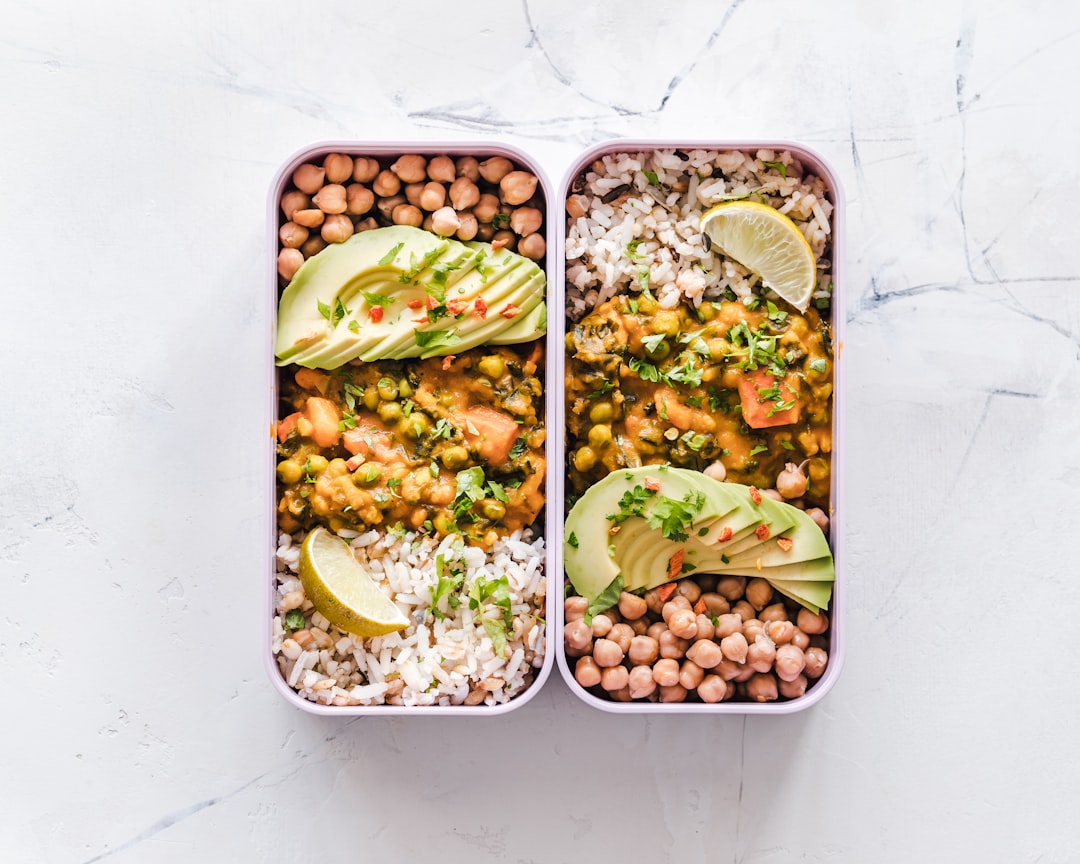
Meal planning is a game-changer for busy individuals. Plan your meals for the week, prep ingredients in advance, and save yourself time and money. This also helps reduce food waste and ensures you have healthy meals readily available.
## Culinary Troubleshooting: Fixing Common Mistakes
We all make mistakes in the kitchen. This section will cover common culinary mishaps and provide solutions to get you back on track. Remember, even the most experienced chefs make mistakes. It’s how we learn and grow.
* **Over-salted dish:** Add a raw potato to absorb excess salt.
* **Burnt food:** Scrape off the burnt parts and try to salvage what’s left.
* **Curdled sauce:** Whisk in a small amount of cold butter or cream to try to emulsify the sauce.
## Exploring Global Cuisines: Expanding Your Palate
Expand your culinary horizons by exploring the diverse flavors and techniques of global cuisines. From the spicy curries of India to the delicate flavors of Japanese cuisine, there’s a world of culinary adventures waiting to be discovered.
## Sustainable Cooking Practices: Reducing Food Waste
In a world facing increasing environmental challenges, sustainable cooking practices are more important than ever. Minimize food waste by planning meals, utilizing leftovers creatively, and composting food scraps. Composting is a great way to reduce food waste and create nutrient-rich soil for your garden.
## Conclusion: Your Path to Mastery
The journey to culinary mastery is a lifelong pursuit. Embrace the process, experiment fearlessly, and never stop learning. Remember, cooking is not just about nourishing the body; it’s about nourishing the soul. Now go forth, conquer your kitchen, and create culinary magic! Don’t be afraid to experiment, make mistakes, and learn from them. Cooking is a journey of constant discovery, and the most important ingredient is passion. So, ignite your passion, embrace the challenge, and embark on your culinary adventure. The kitchen is your canvas, and the ingredients are your paints. Now go create your masterpiece!