Crisp skin over a fully cooked interior is one problem, solved independently in kitchens that never shared a recipe. A Beijing duck restaurant, a Tuscan farmhouse, and a Punjabi tandoor cook arrived at three different mechanical answers to the same question: how do you dry and shatter the outside of a bird without drying out or overcooking what is underneath it.
None of the three methods is a home oven, exactly, which is part of why replicating any of them fully in a standard kitchen is difficult. But each one isolates a specific principle, air movement, direct contact and weight, or extreme radiant heat, that a home cook can borrow in a smaller, imperfect but genuinely useful way.
What follows is how each tradition actually works, what a home oven can and cannot copy from it, and which of the three offers the most realistic upgrade for someone roasting a chicken on a normal Tuesday rather than staging a whole production around it.
- Peking duck: air-drying plus a boiling-water scald separates the skin from the fat below it
- Pollo al mattone: a heavy weight presses the bird flat for even, maximum skin contact with hot metal
- Tandoor: radiant heat well above 900F cooks fast enough that the interior finishes before the surface overcooks
- Common thread: all three remove surface moisture before heat ever gets involved
- Most home-replicable: the brick method, using a cast iron skillet and a second heavy pan
- Least home-replicable: the tandoor’s temperature, which no home oven reaches
Roasting techniques around the world start with the same enemy: surface moisture
Skin that stays crisp has almost no water left in its outer layer by the time real heat hits it. Every one of the roasting techniques around the world covered here begins, in some form, with removing that surface water before cooking starts, whether through days of air exposure, a hot-water scald, or direct dry contact with metal.
Water on the surface of skin has to fully evaporate before that skin can begin to brown and crisp, since the surface temperature cannot climb much past the boiling point of water while moisture is still escaping from it. Anything that gets that moisture gone earlier, before the food is even near heat, shortens the amount of cooking time skin spends in a soggy, unbrowned state.
Peking duck: air-drying and the boiling-water scald
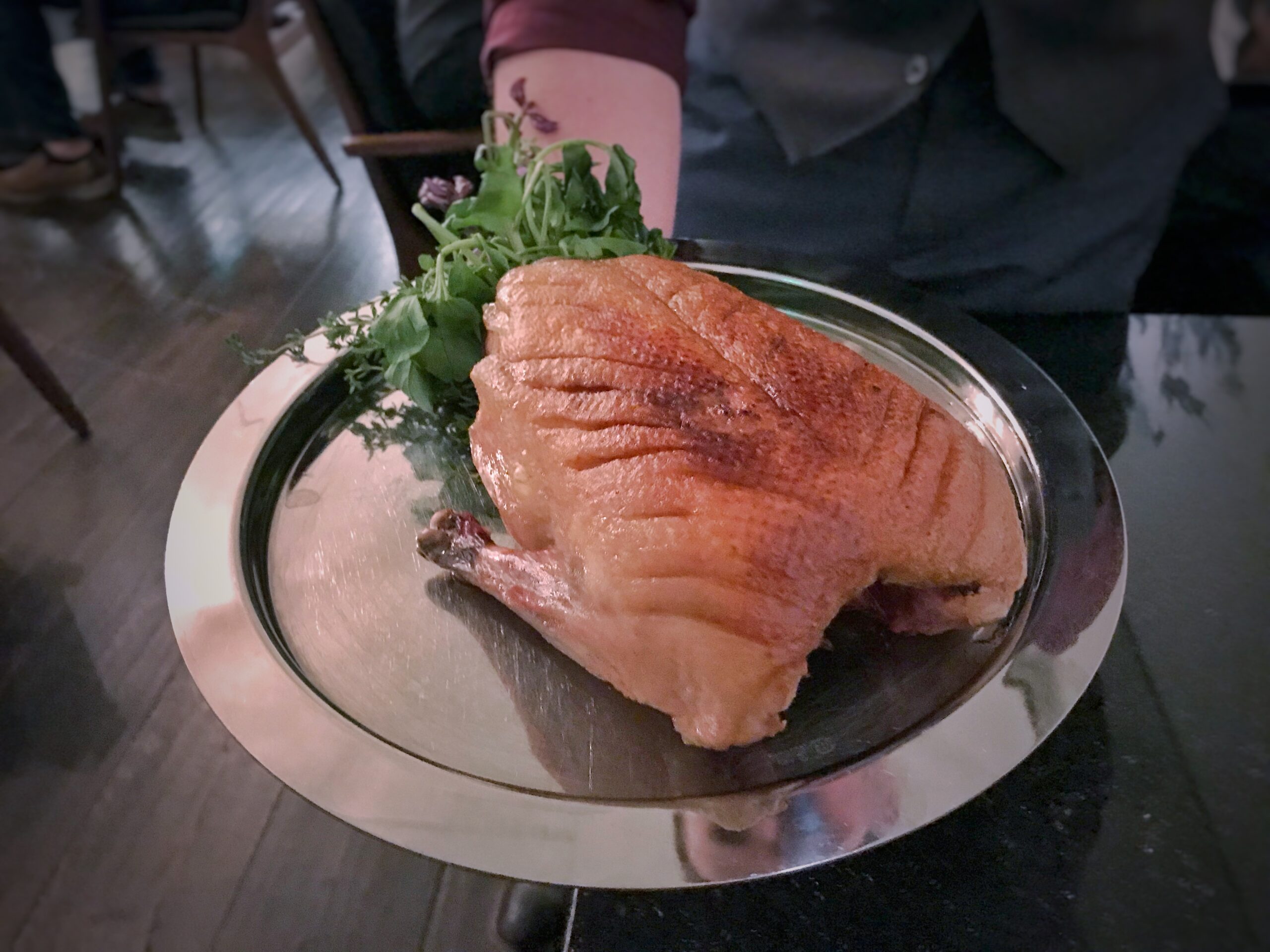
Traditional Peking duck preparation starts with a scald: boiling water poured or ladled over the whole duck’s skin, which tightens the skin and helps separate it slightly from the fat layer beneath. The bird then hangs uncovered, often in a cool, airy space, for a full day or more before it ever sees an oven.
That extended hang time does two things at once. It continues drying the skin’s surface far more thoroughly than a few hours in an open refrigerator could, and the separation from the scald lets rendered fat drain more freely during the eventual roast, rather than pooling directly under skin that is trying to crisp.
A honey or maltose glaze, brushed on during the hang, adds a final layer that caramelizes distinctly during roasting, contributing to the deep mahogany color duck restaurants are known for, on top of whatever crisping the drying itself achieved.
What a home oven can borrow from the duck method
A full multi-day hang is impractical for most home kitchens, but an uncovered rest on a rack in the refrigerator overnight, the same principle behind any properly executed pan-seared duck breast, achieves a meaningfully drier surface than skin cooked straight from its packaging.
A quick scald at home, either pouring boiling water over the bird in the sink or briefly submerging it, is workable in a home kitchen and does genuinely tighten the skin, though the effect is smaller than what several hours of professional hang time produce. Raw poultry handled this way still needs the same care as any raw bird: a dedicated sink cleaning afterward and hands washed before touching anything else.
A light glaze applied only in the final stretch of roasting, rather than throughout, avoids the sugar burning before the interior finishes, which is a real risk given how much less total roasting time a home method spends compared to the original technique.
Pollo al mattone: weight, contact, and a hot skillet

Pollo al mattone, literally chicken under a brick, butterflies a whole chicken flat and presses it under a heavy, often brick-wrapped weight directly onto a hot skillet or grill surface. The weight forces maximum, even contact between the skin and the hot metal beneath it, which is a completely different mechanism from oven roasting, where hot air rather than direct contact does most of the work.
Direct metal contact transfers heat far more efficiently than hot air does, which is why this method crisps skin considerably faster than a standard oven roast of the same bird. The flattened shape also means the whole bird cooks in a more uniform, thinner cross-section, reducing the usual gap between a done breast and an underdone thigh.
Because the process is fast and contact-driven, the same butterflying and flattening technique lends itself well to smaller cuts too, similar in spirit to how a whole chicken roasted for maximum crisp skin already benefits from a dry, well-spaced surface exposed to heat.
Recreating it in a home kitchen
A butterflied chicken, backbone removed and pressed flat, placed skin-side down in a heavy cast iron skillet with a second heavy pan or a foil-wrapped brick set on top, replicates the core mechanism closely. The weight needs to be genuinely heavy, several pounds, to achieve the same even pressure the original brick provides.
A stovetop-to-oven finish, starting on the burner to crisp the skin with direct contact and then transferring to the oven to finish cooking the interior through, splits the two jobs, contact for the skin and even ambient heat for the inside, in a way a home stove and oven combination can genuinely manage.
Tandoor: radiant heat far beyond a home oven
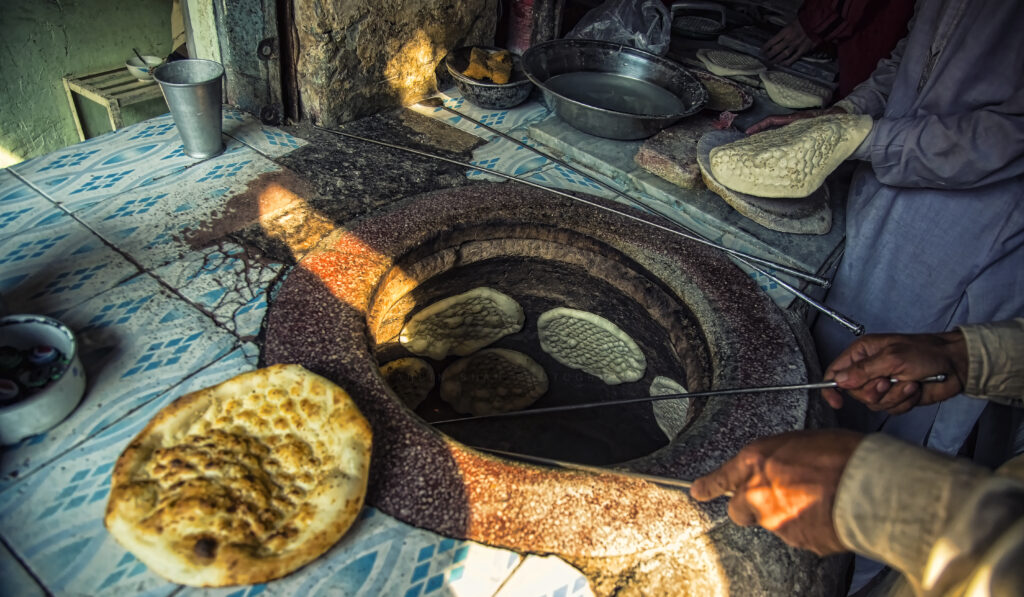
A traditional clay tandoor reaches temperatures well above 900F, generated by charcoal or wood burning at the base of a tall, narrow clay vessel. Food, typically skewered or on a long rod, cooks by radiant heat from the clay walls and the fire below, at a temperature no standard home oven, which tops out around 500 to 550F, can approach.
At that extreme heat, cooking time shrinks dramatically, often to a matter of minutes for a piece of marinated chicken. The surface sears and chars almost immediately, while the interior, protected somewhat by a yogurt-based marinade that also slows moisture loss, finishes cooking through in that same short window rather than drying out.
This is the roasting technique on this list that a home kitchen genuinely cannot replicate at scale, since the temperature gap is not a matter of technique but of equipment a residential kitchen simply does not have access to.
Comparing what each method actually optimizes for
| Method | Primary mechanism | Home-kitchen approximation |
|---|---|---|
| Peking duck | extended air-drying plus a hot-water scald | overnight uncovered fridge rest, quick scald |
| Pollo al mattone | direct metal contact under heavy weight | cast iron skillet with a weighted second pan |
| Tandoor | extreme radiant heat, very short cook time | hottest oven setting plus a preheated pizza stone or steel |
None of the home approximations fully match the original, but each isolates the one mechanism doing most of the work and applies it with equipment most kitchens already own.
A yogurt marinade borrowed from the tandoor
Even without the extreme heat, the yogurt-based marinade behind tandoor cooking is fully usable at home and does real work of its own. Lactic acid in yogurt tenderizes gently without the toughening effect a strong acid like lemon juice can cause over a long marinade time, and the yogurt itself forms a light protective coating that slows surface moisture loss during cooking.
A marinated piece of chicken finished under a home broiler, which comes closer to radiant heat than a standard bake setting does, picks up some of the same char and speed the tandoor relies on, even at a fraction of the actual temperature.
Food safety across all three methods
Extended air-drying, as in the duck method, and marinating, as in the tandoor method, both involve raw poultry sitting in the refrigerator for extended periods before cooking, which is safe as long as the temperature stays reliably below 40F throughout and any surface the raw bird touches gets cleaned immediately afterward.
Fast, high-heat methods like the brick and tandoor approaches can brown a surface quickly while leaving the interior underdone if the piece is thick or the heat source uneven, which makes a thermometer check at the thickest point still necessary regardless of how confidently charred the outside looks. Visual browning is not a reliable stand-in for a 165F reading in poultry.
Which one to actually try first
For most home cooks, the brick method offers the clearest, most reliable upgrade over a standard roast, since it requires no unusual ingredients, no multi-day timeline, and equipment most kitchens already have in a cast iron skillet and a second heavy pan.
The duck method’s overnight dry step is worth adopting even without the full scald, since an uncovered fridge rest before any roast is a low-effort habit that improves crisping regardless of which bird or method follows it. The tandoor’s contribution is really the marinade rather than the heat, and that piece transfers cleanly into a normal oven or broiler.
Where marinating time fits into a weeknight schedule
None of these three traditions rushes the preparation stage, and that patience is part of what makes the final result work. A duck given only an hour of drying, a chicken pressed for only a few minutes, or a tandoor marinade cut short to twenty minutes all deliver a noticeably weaker version of the effect than the fuller timeline allows.
A realistic home version still respects that same relationship between time invested before cooking and result afterward, even at a smaller scale. An overnight fridge rest for skin, or a few hours of yogurt marinade for a tandoor-style preparation, fits into a normal schedule if planned the night before rather than attempted the same afternoon as dinner.
Planning backward from a dinner time, the same way a multi-dish holiday schedule plans backward from serving time, turns what looks like an ambitious technique into a manageable one, since most of the actual hands-on work in all three methods takes only minutes; it is the waiting that does the rest.
Three kitchens, working independently across different centuries and continents, arrived at variations on the same core insight: dry the surface, then apply heat fast and directly. A home kitchen without a tandoor or a hanging rack can still borrow enough of each to notice the difference.
Frequently Asked Questions
Do I need special equipment to try the brick chicken method?
A cast iron skillet and any heavy oven-safe pan or foil-wrapped brick work fine. A dedicated chicken press exists but is not necessary for a good result at home.
Is it safe to air-dry a raw duck or chicken uncovered in the refrigerator overnight?
Yes, as long as the refrigerator stays at or below 40F and the bird sits on a rack over a tray to catch any drips, keeping it separate from other food. This is a standard, safe technique used for crisping skin on any roast bird.
Can I get tandoor-style char without a tandoor at all?
A very hot oven, a preheated pizza stone or steel, and a final minute or two under the broiler get closer than a standard bake setting, though the char and speed will still fall short of true tandoor heat.
Why does yogurt marinade work differently than a citrus-based one?
Yogurt’s lactic acid tenderizes more gently over a longer marinade time without breaking down surface texture the way a stronger acid like lemon or vinegar can if left on too long, which is part of why tandoor marinades often run for several hours or overnight.
How do I know when a fast, high-heat method has actually cooked the interior through?
A thermometer inserted into the thickest part of the meat, reading 165F for poultry, is the only reliable check. A well-charred exterior can still sit over an undercooked center, especially with very high, fast heat.