A cranberry sauce made on Thanksgiving morning competes for a burner with gravy, a vegetable side, and whatever else still needs a pot at the same moment the turkey comes out of the oven. Made on Monday, it competes with nothing.
Not every dish tolerates that kind of head start. A green salad wilts, a soufflé collapses, and fried anything loses its crunch within the hour. But six specific components of a standard Thanksgiving spread hold cleanly for days rather than hours, and knowing exactly how many days each one buys changes how the whole week gets planned.
What follows is that list, with a real refrigerator or freezer window for each rather than a vague “make ahead if you like,” plus the reheating step that brings each one back without losing what made it worth making ahead in the first place.
- Cranberry sauce: up to 10 days refrigerated, improves after the first 24 hours
- Turkey or vegetable stock: 4 days refrigerated, 4 to 6 months frozen
- Pie dough, unbaked: 3 days refrigerated, 2 months frozen
- Dinner rolls, baked: 2 days at room temperature, 1 month frozen
- Casserole bases, unbaked: 2 days refrigerated before the final bake
- Compound butter: 1 week refrigerated, 3 months frozen
- Raw dough caution: keep unbaked flour and egg mixtures refrigerated and never taste raw batter
Make ahead Thanksgiving: six components, six windows
| Component | Refrigerator window | Freezer window | Reheat or finish |
|---|---|---|---|
| Cranberry sauce | 10 days | 2 months | serve cold or gently warmed |
| Stock | 4 days | 4 to 6 months | simmer to reduce for gravy |
| Pie dough | 3 days | 2 months | thaw in fridge, roll cold |
| Dinner rolls | 2 days (room temp, sealed) | 1 month | 10 minutes at 350F |
| Casserole base | 2 days | not recommended unbaked | bake fully on the day |
| Compound butter | 7 days | 3 months | slice cold, melts on contact |
The pattern across all six is the same: anything preserved mainly by sugar, salt, fat, or a fully cooked structure holds well ahead of time, while anything that depends on a fresh, aerated, or crisp texture at the moment of serving does not.
Cranberry sauce: better on day three than day one
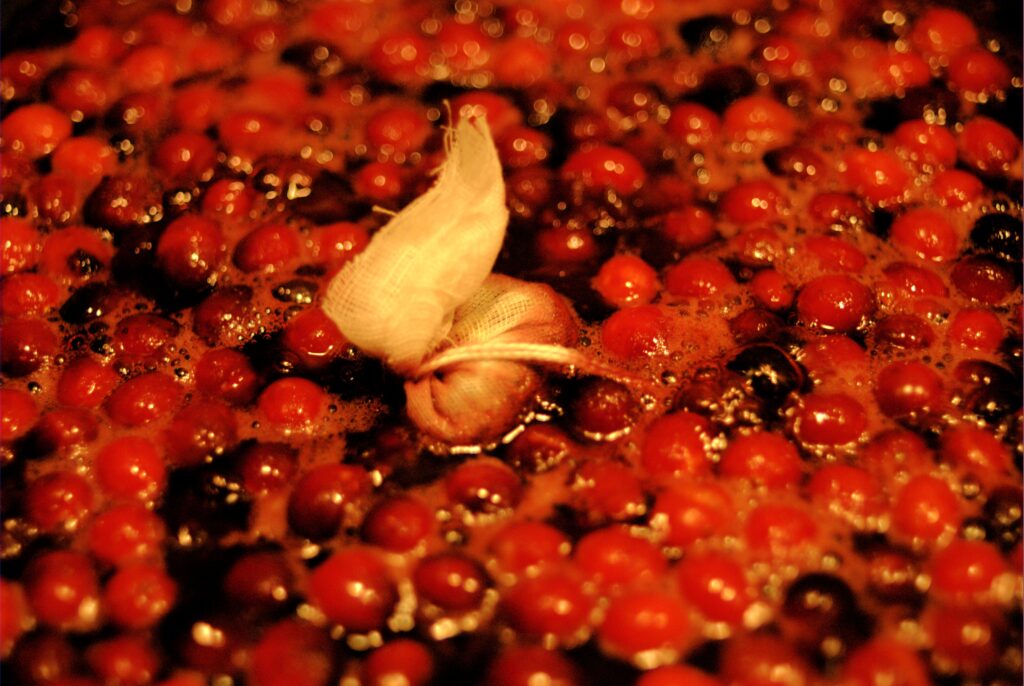
Cranberries carry their own pectin, and a sauce cooked down with sugar sets as it cools, then continues to firm up slightly and meld its flavors over the following days in the refrigerator. A sauce made a week ahead is not a compromise; it is arguably the better version by the time it reaches the table.
Refrigerated in a sealed container, it holds safely for up to ten days, well past the span of even the earliest reasonable Thanksgiving prep schedule. It also freezes cleanly for up to two months, which makes it one of the most forgiving components on this list to make far ahead of the holiday itself.
Serve it straight from the refrigerator or warmed gently; either way, no last-minute cooking step is required once it has been made.
Stock: the four-day fridge limit that matters
A pot of turkey or vegetable stock, once cooled and refrigerated, stays safely usable for about four days before the risk of bacterial growth starts to outweigh the convenience of not having made a fresh batch. Past that window, freezing rather than continued refrigeration is the safer call.
Frozen stock holds its quality for four to six months, which comfortably covers a stock made weeks before Thanksgiving rather than the same week, following the same long-simmer logic behind a slow-built bone broth. On the day itself, it needs only a simmer to reduce and combine with pan drippings, turning what would otherwise be an hours-long process into a twenty-minute one.
Cooling a full pot of hot stock quickly, rather than letting it sit out at room temperature, matters here specifically because a large volume of warm liquid can sit in the temperature range where bacteria multiply fastest for longer than a home cook expects if it is left covered on the counter to cool naturally.
Pie dough: three days raw, longer once it is frozen
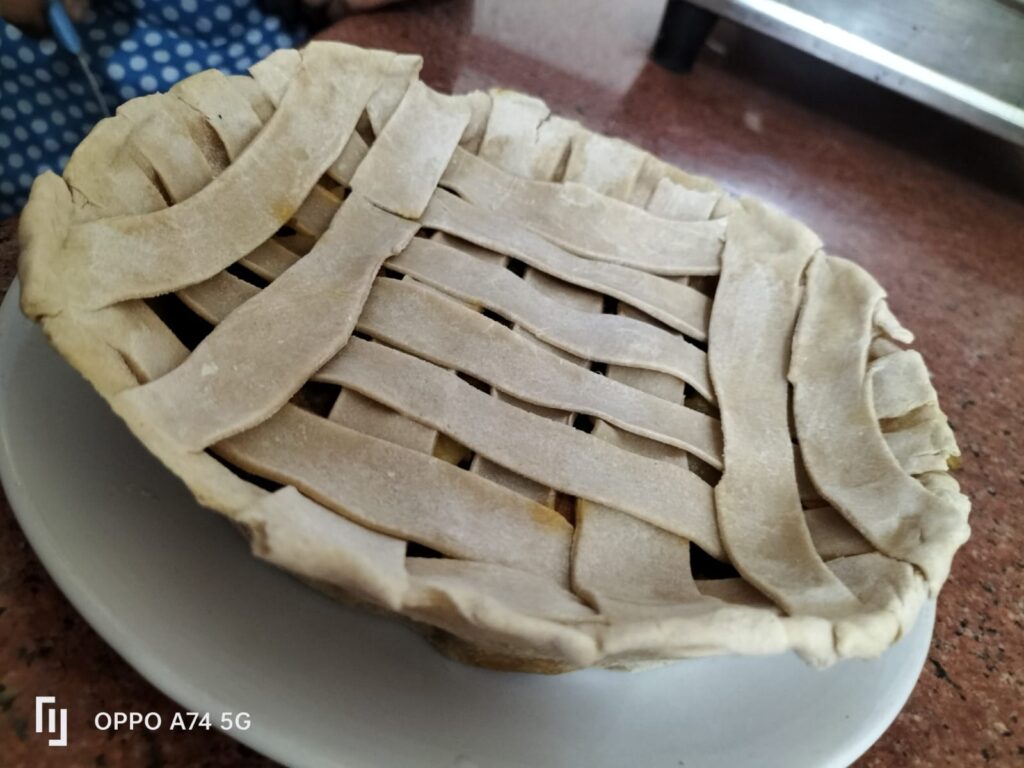
Pie dough wrapped tightly and refrigerated holds for about three days before the gluten relaxes past the point of easy rolling and the fat begins to soften unevenly from repeated temperature swings in a busy refrigerator. Within that window, it rolls out just as well as dough made the same day, arguably better since the fat has had time to firm back up completely after mixing.
Frozen, unbaked pie dough keeps for about two months, and thawing it overnight in the refrigerator before rolling avoids the soft, hard-to-handle texture that comes from thawing on the counter too quickly. A disc of dough flattened before freezing thaws faster and more evenly than a ball.
Raw pie dough contains raw flour, which carries a documented, if uncommon, food safety risk on its own, separate from any egg in the recipe. It should never be eaten unbaked, and any scraps trimmed from the edges are worth discarding rather than sampling straight from the counter.
Dinner rolls: bake ahead, then a short reheat fixes everything
Fully baked yeast rolls hold at room temperature in a sealed bag for about two days without much noticeable staling, and a short reheat, roughly ten minutes at 350F wrapped loosely in foil, brings back nearly all of the just-baked softness that seemed lost by day two.
For longer storage, freezing baked rolls works well for up to a month. Thaw them at room temperature still wrapped, then reheat the same way, and the texture difference from fresh is minor. Freezing unbaked dough is also possible but adds a proofing step back into the day-of schedule that baking ahead avoids entirely.
The reheat step is what makes this component worth doing ahead. Skipping it and serving day-old rolls cold is the version that actually tastes stale; the fix costs ten minutes and an oven that is likely already on for something else.
Casserole bases: assemble ahead, bake once
A green bean casserole, a sweet potato bake, or a stuffing casserole can generally be assembled up to two days ahead and refrigerated unbaked, with the final bake happening fresh on the day itself. This splits the labor without sacrificing the browned top or the just-cooked texture that a fully baked-then-reheated casserole often loses.
Freezing an unbaked casserole is possible for some recipes but risky for others, particularly anything with a dairy-based sauce that can separate on thawing, or a topping meant to stay crisp, which turns soggy after a freeze-thaw cycle. Refrigerating for a short window rather than freezing is the more reliable choice for most casseroles on a standard Thanksgiving table.
Bringing a cold, assembled casserole closer to room temperature for twenty to thirty minutes before it goes into the oven helps it bake through more evenly, since a dish going in refrigerator-cold can leave the center undercooked by the time the top has browned.
Compound butter: the easiest make-ahead component on the list

Softened butter mixed with herbs, garlic, or citrus zest, then rolled into a log and chilled, is one of the most forgiving make-ahead items in any holiday kitchen. It holds a full week refrigerated and up to three months frozen, sliced into coins as needed straight from either.
A slice melting over hot rolls, roasted vegetables, or the turkey itself right before serving delivers fresh flavor without any of the make-ahead components tasting like a shortcut. It is one of the few dishes here where the make-ahead version and the day-of version are functionally identical.
Wrapped tightly in parchment and then plastic wrap, a log of compound butter also takes up almost no space in a refrigerator that is otherwise crowded with a turkey and several other dishes competing for shelf room during the busiest week of the year.
What does not belong on this list, and why
Mashed potatoes hold reasonably well refrigerated for a day or two but lose texture noticeably on reheating, since the starch structure that gives them their initial creaminess degrades with each temperature cycle; they are a partial exception rather than a clean make-ahead win.
Green salads, anything fried, and dishes finished with a crisp top, like a casserole’s final broil, do not belong on a make-ahead list at all. Their appeal depends on a texture that exists for a narrow window right after cooking, and no amount of careful storage recreates it days later.
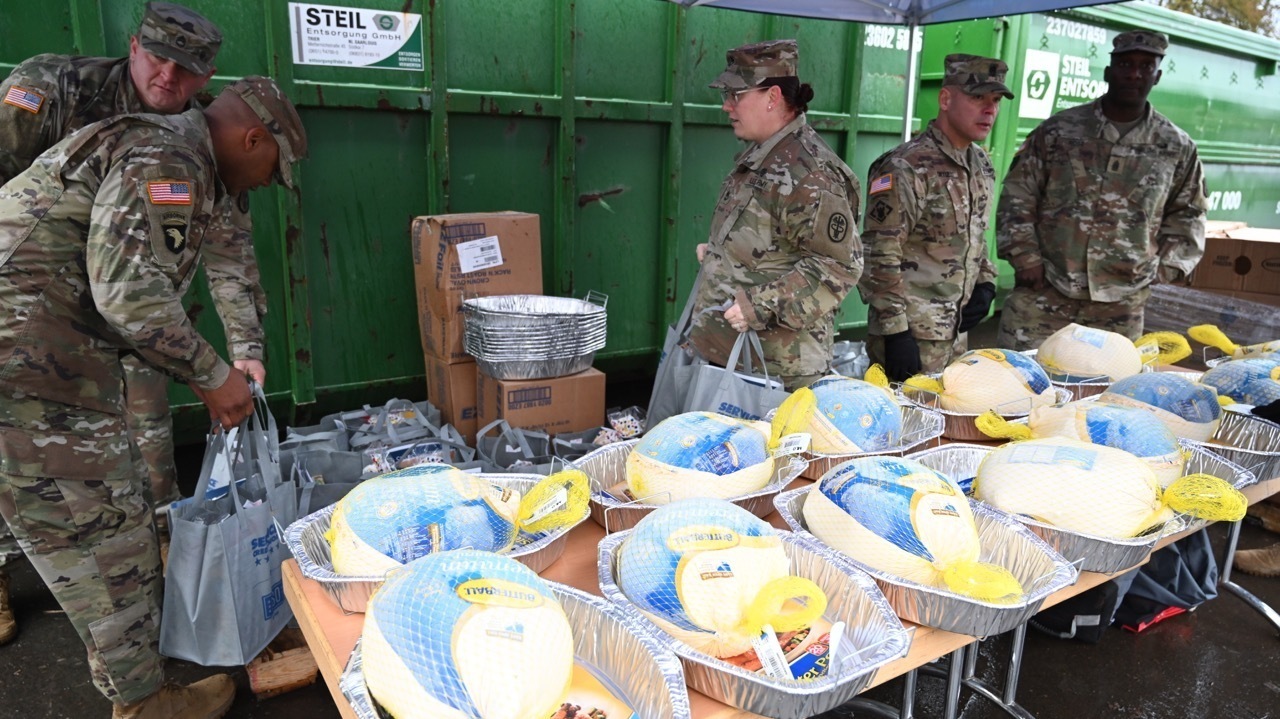
A whole roasted turkey itself is deliberately absent from this list too. It belongs on its own multi-day schedule, the same way any large roast does, rather than being treated as a fully cooked make-ahead component, since a turkey reheated from fully cooked loses far more in texture than it gains in convenience.
Building a prep schedule around these six windows
Working backward from the ten-day window on cranberry sauce and the four-day window on stock gives the earliest safe start dates for the two most forgiving components, which is where a Thanksgiving prep schedule should begin rather than starting with whatever feels most urgent.
Pie dough and compound butter fit comfortably into the same early window if frozen, or a few days later if only refrigerated. Dinner rolls and casserole bases, with their shorter two-day windows, belong on Tuesday or Wednesday of Thanksgiving week rather than the weekend before.
Sequenced this way, nothing on the actual holiday morning requires more than assembly, reheating, or a final bake, which is the entire point of treating these six components as a checklist rather than tackling the whole meal as one undifferentiated task on a single day.
Storage containers and labeling that actually prevent mistakes
A week’s worth of make-ahead components in one refrigerator gets confusing fast without labels, especially once several containers hold similarly colored sauces or doughs that look interchangeable at a glance. A strip of masking tape with the contents and the date written on it takes ten seconds and prevents a genuinely common mistake: reheating the wrong dish, or worse, using a component that has quietly passed its safe window.
Flat, stackable containers make better use of a crowded refrigerator than tall, narrow ones, and clear containers let a quick glance confirm contents without opening every lid during a busy morning when the refrigerator door is being opened and closed constantly.
Keeping raw and ready-to-eat items on separate shelves, with anything raw stored below fully cooked components, avoids any drip contamination during the week these containers are sharing space with each other and, eventually, with the raw turkey itself.
Why treating this as a checklist beats winging it dish by dish
A cook deciding case by case, on the fly, whether a given dish can wait a few days tends to default toward caution, making everything the day of just to be safe, which recreates the exact bottleneck this whole approach is meant to avoid. A written checklist with a specific window attached to each component removes that guesswork entirely.
It also makes delegation easier in a household where more than one person is cooking. A clear list showing which components can be handled a week out and which need to wait until Wednesday lets tasks get distributed by timeline rather than by who happens to be free on any given day, which matters more in a kitchen with several cooks working around each other’s schedules.
The list is also short enough to actually use without a spreadsheet or an app: six items, six windows, checked off as they get made, is a genuinely manageable amount of information to hold in mind through a busy week leading into the holiday itself.
Six components, six different windows, and none of them require the same day as the meal. Working from this list rather than guessing what tolerates advance prep is what actually frees up the holiday morning.
Frequently Asked Questions
Can I make the whole Thanksgiving meal a week ahead and just reheat everything?
No. The six components here are the ones that genuinely hold well; the turkey itself, most vegetable sides, and anything meant to be crisp or fresh at serving still need same-day or near-day cooking to taste right.
How do I know if my cranberry sauce has gone bad before the ten-day mark?
Look for visible mold, an off smell, or a change in texture beyond normal firming. A properly refrigerated sauce in a sealed container rarely shows problems within ten days, but any of those signs mean it should be discarded rather than served.
Is it safe to freeze a fully assembled, unbaked casserole with a cream-based sauce?
It is riskier than freezing the components separately. Dairy-based sauces can separate or turn grainy after a freeze-thaw cycle, so refrigerating for a day or two rather than freezing the whole assembled dish gives a more reliable result.
Can pie dough go straight from the freezer into the oven?
No, thaw it in the refrigerator overnight first. Frozen dough rolled straight from the freezer cracks and tears, while dough thawed slowly in the fridge stays cold enough to handle well but pliable enough to roll evenly.
What is the safest way to reheat frozen stock quickly?
Heat it directly from frozen in a saucepan over low to medium heat, stirring occasionally as it thaws and comes to a simmer. Avoid leaving a frozen block sitting out on the counter to thaw, since the outer layer sits at unsafe temperatures while the center is still solid.