Two pots, ten grams of the same kombu in each, a liter of water apiece. One was brought to a bare 140F and held there for an hour. The other was brought to a rolling boil and simmered for fifteen minutes, which is what happens when a pot is left alone.
The first was pale gold, clean and faintly sweet. The second was cloudy, noticeably slippery on the tongue, and carried a bitter edge at the back that no amount of soy sauce covered. Same kelp, same water, same weight.
Dashi is the shortest stock in any cuisine and it is almost entirely a temperature problem. Below is the ceiling that matters, three grades of dashi from one strip of kombu, and what each grade is actually good for.
- Ratio: 10 g kombu per liter of water, 20 to 30 g katsuobushi
- Ceiling: hold at 140 to 150F, and never let the kombu boil
- Cold brew: kombu in cold water, 3 to 12 hours in the refrigerator, no heat at all
- Ichiban dashi: the first extraction, clear and delicate, for clear soups
- Niban dashi: the second pass from the same solids, for miso and simmered dishes
- Yield: about 800 ml of finished dashi per liter of water
- Keeps: 3 days refrigerated, 3 weeks frozen
Two pots, one strip of kelp
Kombu is dried kelp, and what it contributes to a stock is glutamate, the compound behind savory depth in almost every cuisine that has a stock at all. It also holds a great deal of other material: alginates, mannitol, minerals and the white powder on the outside, which is largely mannitol and is flavor rather than dirt.
Those components come out at different rates and different temperatures. The glutamate leaves early and steadily at moderate heat. The alginates, which are the long-chain polysaccharides that make kelp slippery when it is wet, need more heat and more time.
The whole technique consists of getting the first group out and leaving the second group behind. That is why dashi takes fifteen minutes when a chicken stock takes four hours, and why the most common failure is not undercooking but overcooking.
What kombu gives up, and at what temperature
Glutamate extraction from kombu rises with temperature and with time, and it is already substantial at refrigerator temperature given enough hours. That is the entire basis of the cold-brew method, and it is why a strip of kelp left in cold water overnight makes perfectly good stock.
Above about 140F the extraction speeds up considerably, and so does everything else. Alginic acid and the compounds that read as bitter come out faster with heat, and at a full boil they come out fast enough to dominate within a few minutes.
The practical translation is a narrow band. Hold the water somewhere between 140 and 150F and the glutamate has come out in under an hour with almost none of the rest. Push toward 180F and the clock on the slippery, bitter fraction starts running. Boil it and you have a different liquid.
The ceiling: why the pot never boils
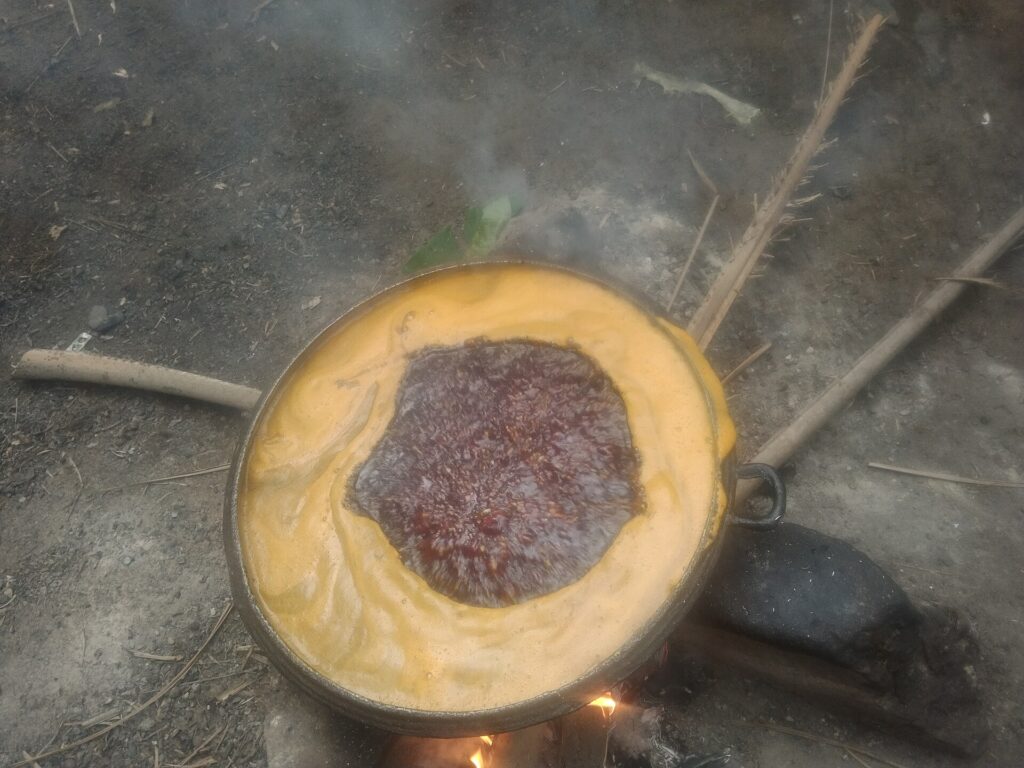
Watching a pot for a temperature it must not exceed is an unfamiliar habit in a kitchen where most instructions are about getting things hot enough. A thermometer removes the guesswork entirely, and 140F is easy to hold on the lowest setting on most burners.
Without one, use the visual cues. At 140F the water moves faintly and there is no visible steam column. At 170F small bubbles form on the bottom of the pot and detach occasionally. When a steady stream of bubbles rises from the base, the pot is already past where kombu should be in it.
The traditional instruction is to pull the kombu just before the water reaches a boil, which is a workable approximation of the same rule. It gets you most of the glutamate and stops short of the bitterness, and it is what most Japanese home kitchens actually do. The long low hold gets more out of the same kelp.
How to make dashi, three grades compared
| Grade | Method | Time | Character | Where it goes |
|---|---|---|---|---|
| Mizudashi (cold) | kombu in cold water, refrigerated | 3 to 12 hours | palest, sweetest, no fish | chilled dishes, dipping sauces, rice |
| Ichiban (first) | kombu held at 140F, then katsuobushi off heat | 1 hour plus 2 minutes | clear, aromatic, delicate | clear soups, chawanmushi, noodle broth |
| Niban (second) | the same solids simmered again | 10 to 15 minutes | darker, stronger, less refined | miso soup, simmered vegetables, braises |
| Shiitake | dried shiitake soaked cold | 4 to 12 hours | deep, earthy, no fish | vegetarian pots, noodle dipping sauce |
| Niboshi | dried sardines steeped or simmered | 30 minutes | assertive, oily, rustic | country-style miso, ramen bases |
The three that come from a single strip of kombu are the first three rows, and a household that makes dashi weekly will use all three. Ichiban goes into the dishes where the stock is the point. Niban goes into everything where something else is.
Nothing is wasted at the end of either. Spent kombu and katsuobushi are traditionally simmered with soy, mirin and sugar into furikake, which takes twenty minutes and gets you a jar of seasoning from what would otherwise be compost.
Mizudashi, the cold brew that needs no burner
Ten grams of kombu, a liter of cold water, a lidded jar, and the refrigerator. Three hours is enough for a light stock and overnight gives a fuller one. Nothing else happens.
The result is the cleanest dashi of the three and the least assertive. There is no risk of overshooting a temperature because there is no heat, and the sliminess and bitterness never appear at all. For anyone who has made a bitter batch on the stove, this is the method to start with.
Keep it under twenty-four hours. Past that the flavor stops improving and the liquid starts to take on a heavier, seaweed-forward note, and it is a low-acid liquid sitting in a jar, which is a reason of its own not to stretch it. Strain the kombu out and refrigerate the dashi separately.
Ichiban dashi, step by step
- Wipe the kombu with a barely damp cloth. Do not wash it. The white bloom on the surface is flavor. What you are removing is dust, and rinsing takes the glutamate with it.
- Put 10 g of kombu in a liter of cold water and leave it 30 minutes. A cold soak before the heat starts gets extraction moving and makes the kelp pliable.
- Set the pot on the lowest heat and bring it to 140F. This takes ten to fifteen minutes on most burners. Use a thermometer if you have one.
- Hold it between 140 and 150F for an hour. Adjust the burner rather than walking away. If it drifts above 160F, lift the pot off for a minute.
- Lift the kombu out and set it aside. It should be soft and pliable. Keep it for the second batch and for furikake.
- Raise the heat and bring the liquid just to a boil, then take it off. With the kelp out, boiling is fine and it is what gets the katsuobushi to release properly.
- Add 25 g of katsuobushi and leave it, off the heat, for 30 seconds to 2 minutes. Do not stir. The flakes will sink as they hydrate.
- Strain through a fine sieve lined with a cloth, and do not press. Squeezing the flakes pushes through fine particles and a bitter, fishy edge. Let it drip.
- Season nothing yet. Dashi on its own tastes thin and faintly sweet. It is a base, and salt, soy and miso all come later.
Katsuobushi and the thirty seconds that matter
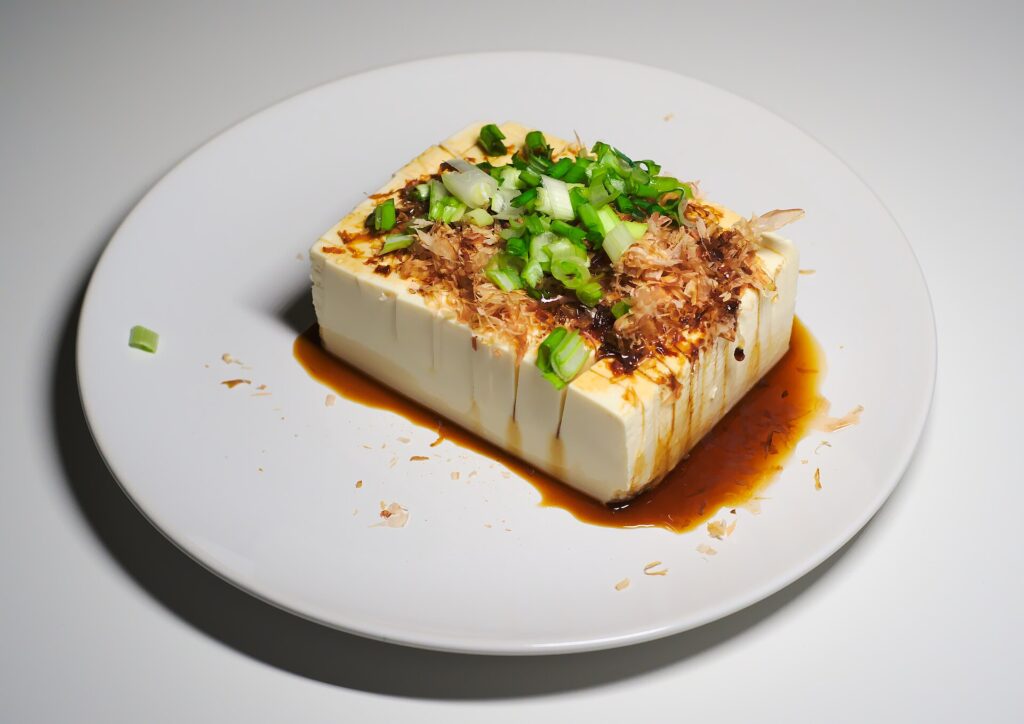
Katsuobushi is skipjack tuna that has been simmered, smoked, dried and often fermented with a mold until it is hard enough to be shaved on a plane. The flakes carry inosinate, which combines with the glutamate from the kombu to produce a savory effect considerably stronger than either alone.
Because the flakes are paper-thin, they give up their flavor almost immediately. Thirty seconds in hot water is enough for a delicate ichiban dashi and two minutes is the outside limit. Past that the stock picks up a heavier, unmistakably fishy character.
Straining without pressing is the other half. The urge to squeeze the last of the liquid out of a sieve full of flakes is strong and it costs you clarity and cleanliness. Let it drain, then use the spent flakes for the second batch.
Niban dashi from the same solids
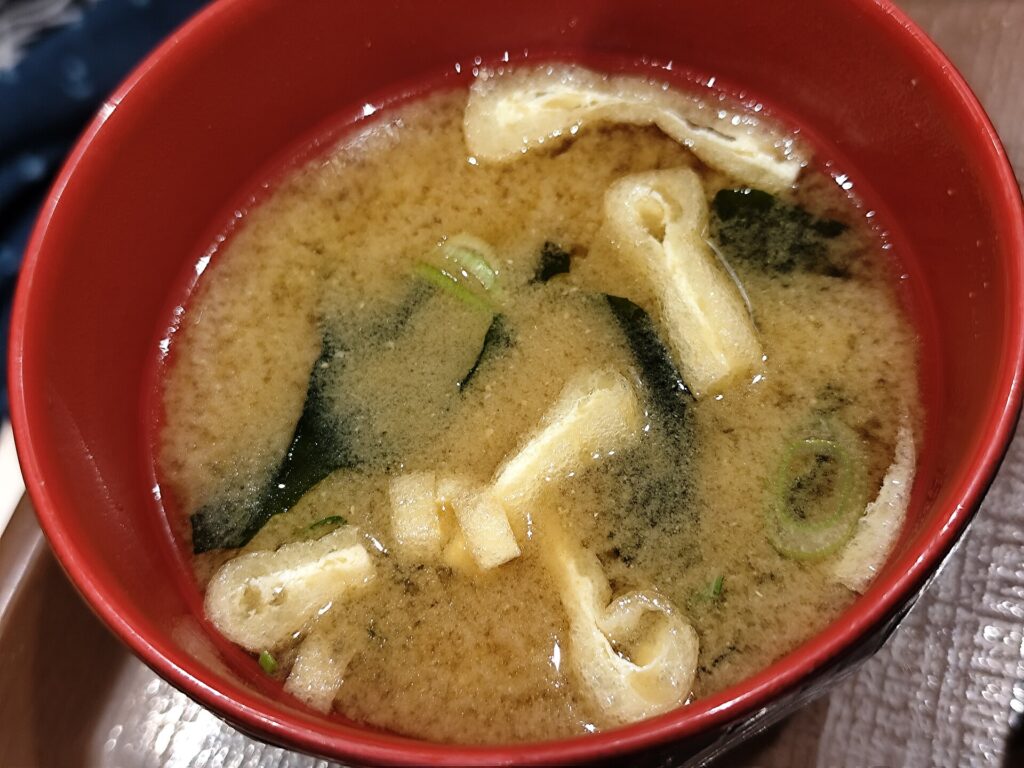
Put the used kombu and the strained katsuobushi back in the pot with another liter of cold water. Bring it to a gentle simmer and hold it there for ten to fifteen minutes, and this time boiling the kombu does not matter much because most of what was going to come out already has.
Add a small handful of fresh katsuobushi at the end, off the heat, for a minute. This is optional and it lifts the second batch considerably. Strain, again without pressing.
Niban dashi is darker, stronger and less refined than the first. It is the correct stock for miso soup, for simmered root vegetables, for braising fish and for anything that is going to carry a lot of soy or miso, since a delicate ichiban would be lost under either.
Shiitake and niboshi, for pots without fish
Dried shiitake soaked in cold water release guanylate, a third savory compound that stacks with glutamate the way inosinate does. Four hours in the refrigerator gives a usable stock and overnight gives a strong one, and the mushrooms are then perfectly good to cook with.
Kombu and shiitake together make a fully plant-based dashi that stands up to miso, and it is the standard base in Buddhist temple cooking. The ratio is around 10 g kombu and 15 g dried shiitake per liter, both soaked cold.
Niboshi, dried baby sardines, make the most assertive version. Pull the heads and the dark viscera out first, since both are where the bitterness lives, then steep the bodies cold for a few hours or simmer them thirty minutes. It is a rustic, oily stock and it makes a very good miso soup.
Storing dashi, iodine, and the sensible limits
Cool finished dashi quickly rather than leaving the pot on the stove. A wide, shallow container in the refrigerator within an hour is the right handling, and it keeps three days cold. Frozen in an ice cube tray it holds about three weeks with no real loss, and cubes go straight into a pan.
Kombu is one of the most iodine-dense foods there is, by a wide margin over anything else in an ordinary kitchen. A bowl of soup made with properly strained dashi is not a concern, but eating the rehydrated kelp itself daily, or drinking large volumes of concentrated kombu stock, delivers iodine at levels well above what a diet needs.
Anyone with a thyroid condition, or on medication for one, should treat kelp as something to discuss with a doctor rather than as an ordinary vegetable. For everyone else the ordinary use of dashi as a stock a few times a week is entirely unremarkable, and the caution is about volume rather than about the ingredient.
Where a batch goes wrong
Slippery and cloudy. The kombu boiled. There is no fix and the next pot needs a thermometer or an earlier removal.
Bitter at the back of the throat. Same cause, or katsuobushi left in too long, or the sieve got squeezed.
Strongly fishy. Too much katsuobushi, or too long in the pot, or niboshi with the heads left on.
Tastes of nothing. Too little kombu, or a cold brew cut short, or old kelp. Kombu keeps for years in a sealed bag away from light and it does eventually fade.
Salty before anything was added. Some kombu carries surface salt from drying. Wipe it rather than washing it, and season the finished dish later than you think you need to. The savory compounds do a lot of the work salt would otherwise be doing.
Frequently Asked Questions
Can I use instant dashi powder instead?
For a weeknight miso soup, yes, and a great many Japanese households do exactly that. It is mostly salt, monosodium glutamate and dried extract, so season the dish afterward rather than before. Where it falls short is in a clear soup, where the whole point is the clarity and delicacy of the stock itself.
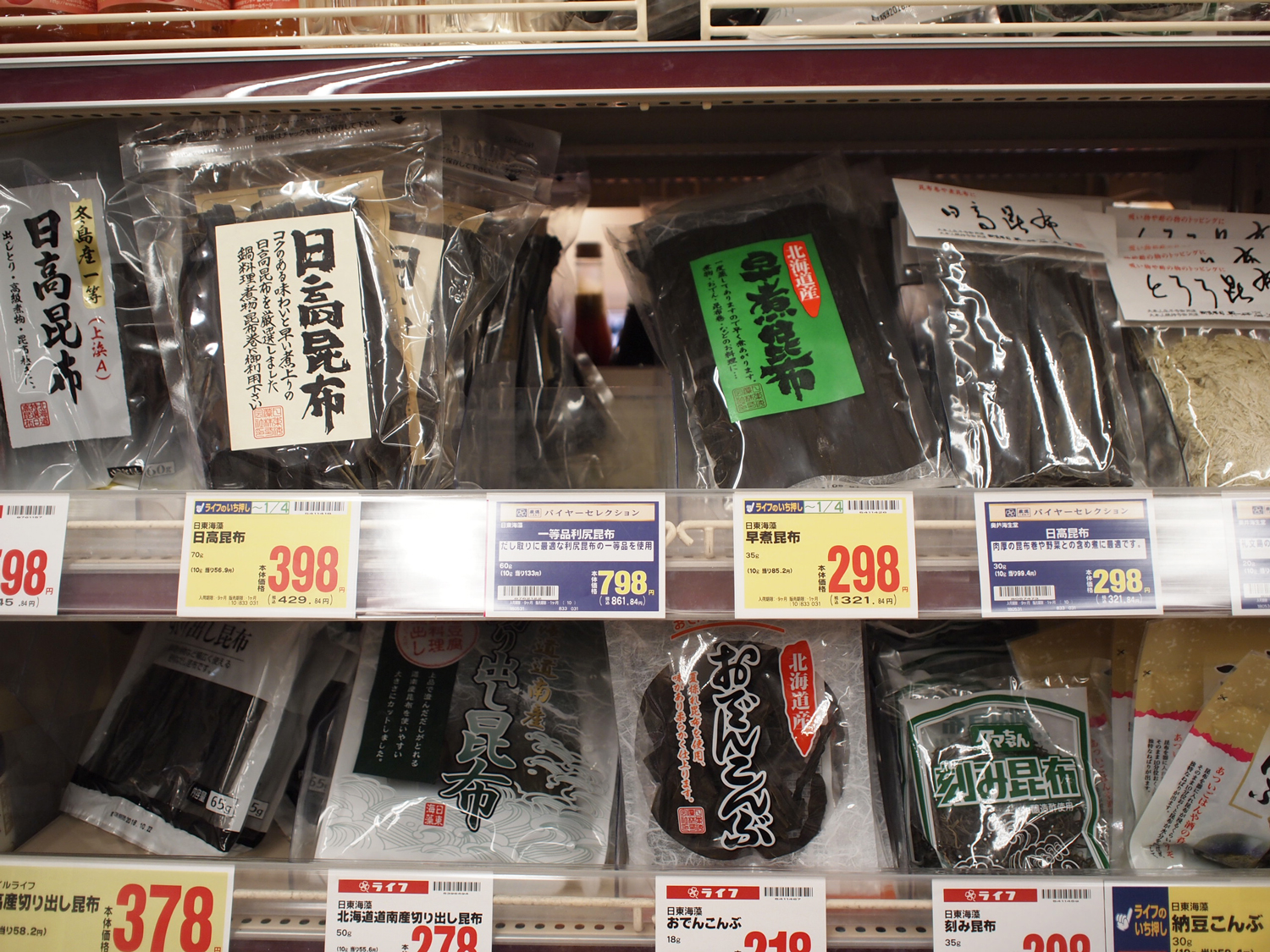
What kind of kombu should I buy?
Any kombu labeled for dashi works. The named grades differ in thickness and sweetness, with the thicker, more expensive types giving a rounder stock and thinner ones a sharper one. Buy the mid-priced bag, keep it sealed and dry, and do not worry about the grade until the technique is reliable.
Should I rinse the white powder off?
No. That bloom is mannitol and it carries a good part of the sweetness. Wipe the strip once with a barely damp cloth to take off dust and leave the rest alone. Rinsing under a tap costs a noticeable amount of flavor.
Can I make dashi in a thermos?
You can, and it holds the temperature better than a burner does. Kombu and water just off 150F into a preheated vacuum flask, sealed for an hour, comes out very close to a carefully watched pot. Katsuobushi still goes into a separate pot afterward.
How much dashi does a bowl of miso soup need?
About 200 ml per serving, with roughly a tablespoon of miso whisked in off the heat. Miso should never boil, for the same broad reason kombu should not: heat drives off the aromatic compounds and coarsens what is left. Add it at the end, with the pot already off the burner.