A wok of hot oil, a handful of dried chiles, a spoonful of pale brown husks. Throw all three in together and the dish comes out harsh, bitter, and flat where it should buzz. Stage them thirty seconds apart and the same three ingredients produce the split sensation the cooking is built on: a cool electrical tingle across the lips, and a separate wave of heat arriving behind it.
The two effects come from unrelated molecules that behave nothing alike in a pan. One is fragile, volatile, and destroyed by the temperature that the other one needs. Cooks who put them in at the same moment are asking a single oil temperature to serve two incompatible requirements.
Below: what each compound does to the nerve endings in your mouth, the oil window that preserves the tingle instead of cooking it off, a ninety-second test for whether a jar of peppercorns is still worth using, and ratios for the dishes that depend on the balance.
- Numbing compound: hydroxy-alpha sanshool, in the husk, fragile above roughly 300F
- Heat compound: capsaicin, in the chile, stable well past frying temperatures
- Order in the pan: peppercorn first at moderate heat, chile second, aromatics third
- Oil window for peppercorn: warm enough to sizzle faintly, never smoking
- Freshness test: crush one husk and press it to your lower lip for thirty seconds
- Discard: the shiny black seeds, which are gritty and bitter
- Shelf life once ground: a few weeks before the tingle is mostly gone
Two sensations, and only one of them is heat
Ask most people to describe a Sichuan dish and they will say hot. Ask them to separate what they felt and the description splits in two: a buzzing, slightly cold vibration on the lips and tongue that arrives first, and a burning warmth that builds behind it and lasts longer.
The first is not a taste and not a temperature. It is a mechanical sensation produced chemically, which is why people reach for words like fizzy, electric, or the feeling of a foot waking up. The second is the familiar chile burn.
Chinese cooking names the pair directly rather than lumping them together, and the two halves are adjusted independently, dish by dish. A cook who wants more buzz and the same heat has a lever for exactly that, which is only possible because the two effects live in different ingredients.
What hydroxy-alpha sanshool does to a nerve
The tingle comes from a group of amide compounds in the husk of the Sichuan pepper, of which hydroxy-alpha sanshool is the most abundant. Despite the name, the plant is not related to black pepper or to chiles at all. It belongs to the citrus family, which is audible in the aroma once you know to look for it.
Sanshool acts on touch-sensitive nerve fibers rather than on the receptors that register heat or taste. The effect the brain reports back is closer to light vibration than to flavor, which is why it registers as a physical event happening to your lips rather than something in the food.
Two practical facts follow from the chemistry. Sanshools are fat-soluble, so oil extracts them far better than water does, which is why the compound turns up in infused oils and rarely in boiled broth. And they are unstable: heat, light and time degrade them, so an old jar looks identical to a fresh one and does nothing.
Capsaicin works on a different receptor entirely
Capsaicin binds to a receptor that normally responds to genuinely high temperatures, which is why the brain interprets the signal as burning even though nothing is hot. That receptor sits on a different class of nerve fiber than the ones sanshool reaches.
Capsaicin is also fat-soluble, and it is far tougher. It survives roasting, frying and hours of simmering with very little loss, which is why chile heat in a braise builds over time while any numbing added at the start disappears.
The durability gap is the whole scheduling problem. Chiles want enough heat and time to toast and release their aroma. Peppercorn husks want the opposite. Two ingredients, two windows, one pan.
How to use sichuan peppercorns without making the dish bitter
Bitterness in this cooking almost always traces to one of three things: seeds left in, oil too hot, or husks left in the pan too long. All three are avoidable in under a minute of attention.
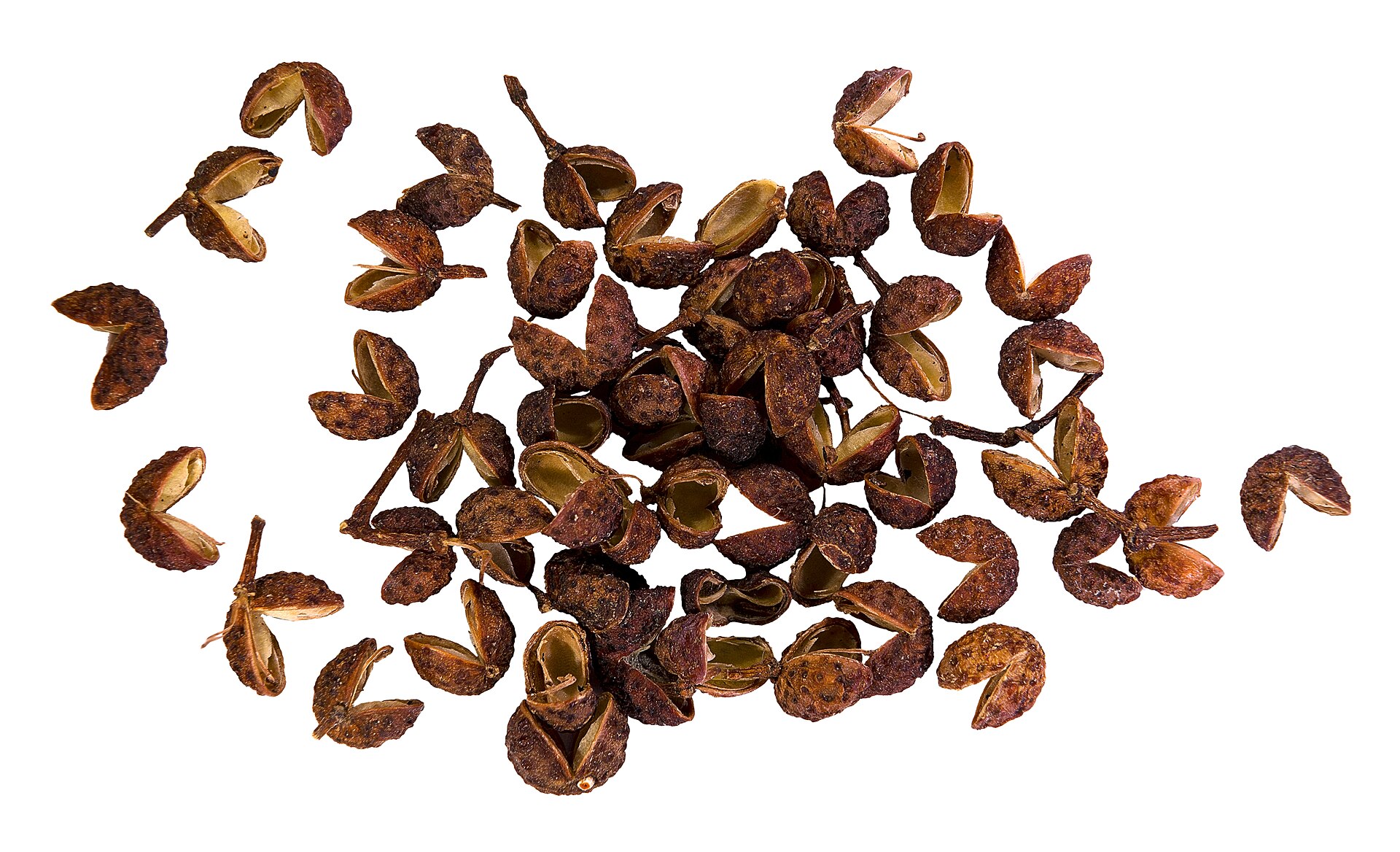
Start by sorting. Tip the peppercorns onto a plate and pick out the shiny black seeds, the thorny stem fragments and any leaf material. The seeds contribute grit and a dull bitterness and no tingle whatsoever. A tablespoon of husks takes about ninety seconds to clean and the difference is not subtle.
Then decide whether the husks are staying or leaving. Whole husks fried in oil and then fished out give aroma and a moderate buzz with no texture. Ground husks stirred in near the end give the strongest tingle and a slight sandiness. Many dishes use both, at opposite ends of the cook.
The oil temperature that ruins a batch
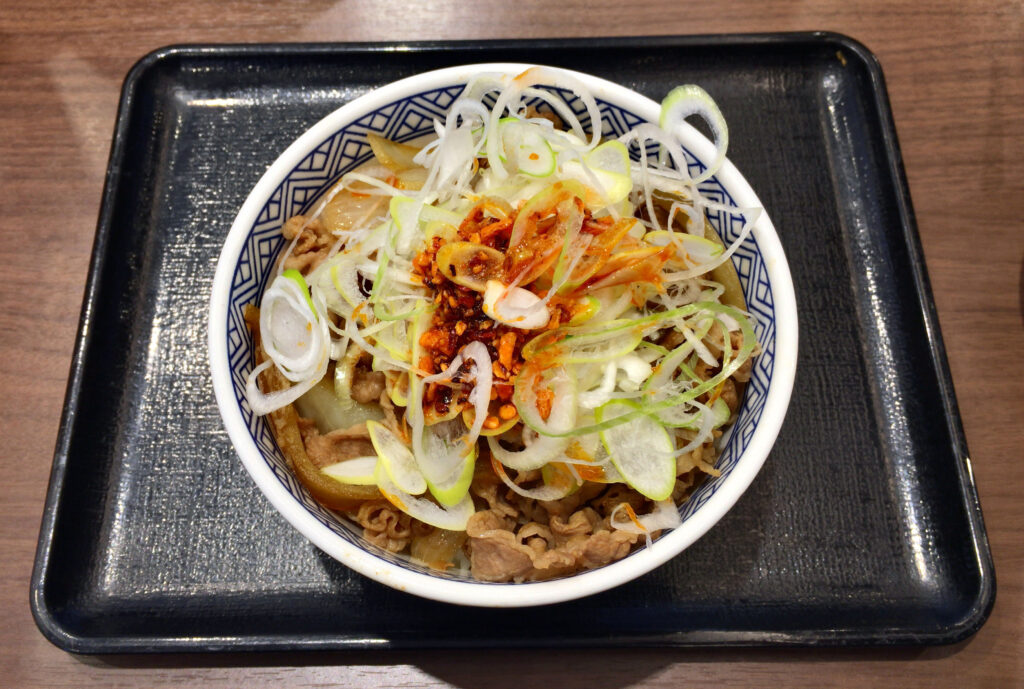
Sanshool starts breaking down noticeably once oil climbs past roughly 300 degrees, and smoking oil destroys it outright. Chiles tolerate more but not much: dried chiles darken from red to brown to black in a matter of seconds at high heat, and black chile is bitter.
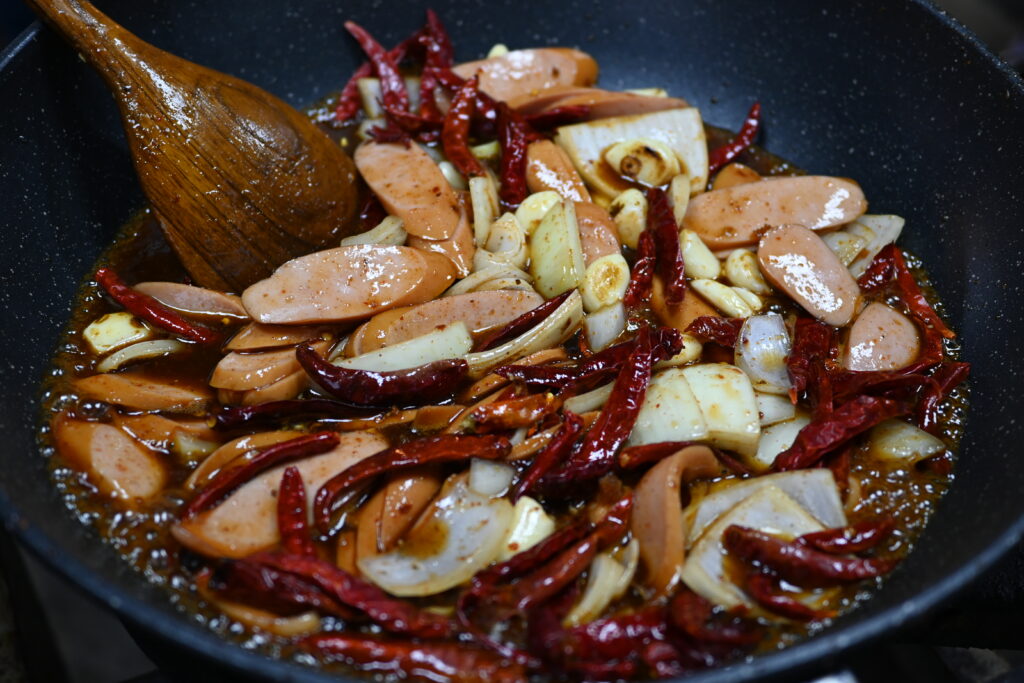
The working window is oil warm enough that a single husk sizzles quietly when it goes in, with no visible shimmer of smoke. In practice that means heating the oil, then pulling the pan off the burner for fifteen seconds before the peppercorns go in. Thirty to sixty seconds is enough.
Hot oil deserves ordinary caution here. Keep water away from the pan, add ingredients from low over the surface rather than dropping them in, keep a lid within reach, and never move a pan that has caught fire or put water on it. A pan of oil going past its smoke point is also a signal to start over rather than to press on.
Order of entry, minute by minute
- Sort and measure everything before the pan goes on. Once the oil is hot the whole sequence takes under three minutes and there is no time to be looking for the ginger.
- Heat the oil to a moderate shimmer, then take the pan off the heat for fifteen seconds. This drops it into the window the husks can survive.
- Whole peppercorn husks in, 30 to 60 seconds. They should sizzle faintly and smell citrusy and floral. Lift them out with a spider if the dish does not want the texture.
- Return the pan to medium heat and add the dried chiles, 20 to 40 seconds. Stop the moment they turn a shade darker and smell toasted. Brown is finished; black is bitter.
- Aromatics next: ginger, garlic, scallion whites, 30 seconds. They need the oil hotter than the peppercorns did and cooler than a full stir-fry.
- Fermented bean paste or chile bean paste, 60 to 90 seconds. This is where the oil turns red and the flavor deepens. Lower the heat if it spits.
- Protein and vegetables, then liquid. The pan is now doing ordinary work and the temperature can go as high as the dish needs.
- Ground peppercorn off the heat, at the end. A quarter teaspoon dusted over the finished dish carries more buzz than a tablespoon fried at the start.
Testing a batch for freshness in ninety seconds
Crush a single husk between your fingers. It should smell bright and citric, closer to grapefruit peel than to pepper, and the color should be a warm reddish brown rather than dull gray. Press the crushed husk to the inside of your lower lip and wait.
A fresh husk produces a distinct tingle within about thirty seconds and it builds for a minute or two. A batch a year past its useful life gives a faint prickle or nothing. Aroma without tingle means the sanshools have degraded while the volatile oils have not, and that batch will season a dish without doing the thing you bought it for.
Sourcing explains a lot of weak jars. For several years in the mid-2000s the United States restricted imports of these peppercorns over concerns about a bacterial disease affecting citrus trees, and imported stock has since been required to undergo heat treatment. That treatment costs some potency, and jars that then sit on a shelf for two years lose more.
Red, green, and the husk you are supposed to throw away
| Type | Aroma | Numbing strength | Best used in |
|---|---|---|---|
| Red husk, standard | warm, woody, citrus peel | moderate to strong | braises, chile oils, dry rubs |
| Red husk, premium grade | pronounced grapefruit | strong | finishing powder, cold dishes |
| Green husk | sharp, herbal, lime leaf | strongest, arrives fast | fish, cold noodles, dipping oils |
| Ground blend from a supermarket | flat, often dusty | weak and short-lived | little, unless recently packed |
| Black seeds | none worth having | none | the bin |
Green husks are not a milder version of red. They arrive faster, buzz harder, and carry a herbal edge that suits fish and cold dishes, while red husks are rounder and hold up better in long cooking. Cooks who keep both use green as a finishing note and red as a base.
Toasting, grinding, and how long the powder lasts
Toast the sorted husks in a dry pan over low heat for two to three minutes, moving them constantly, until the aroma lifts and they feel brittle. They should not darken. Toasting drives off residual moisture so the husks grind to powder instead of smearing, and it wakes up the aromatics.
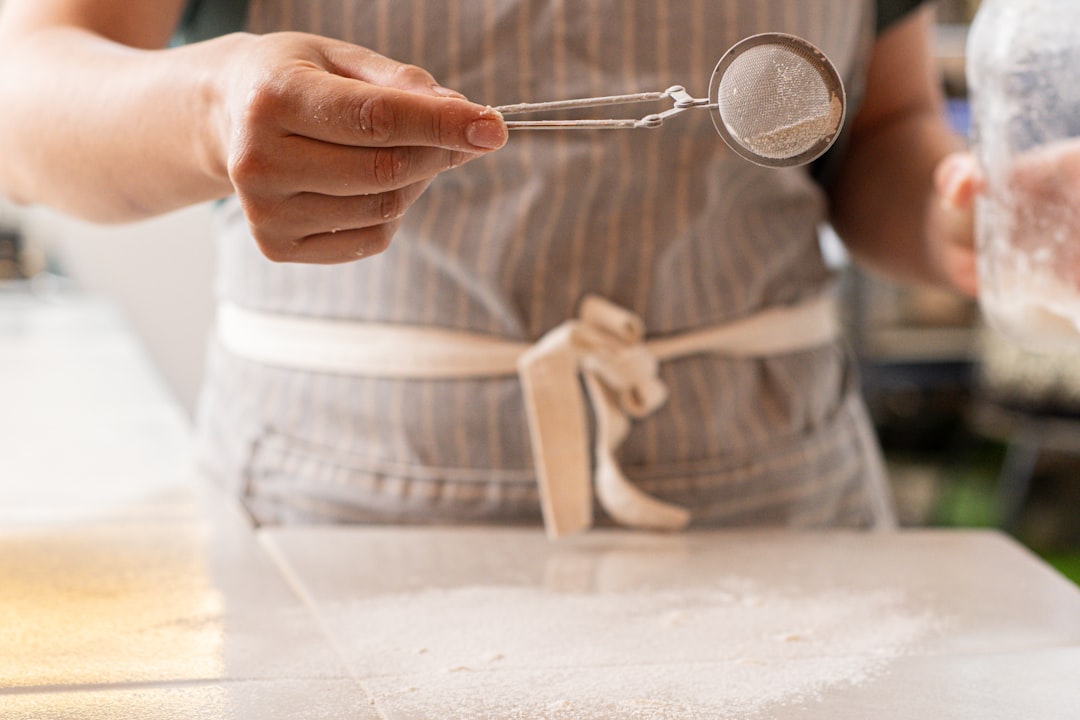
Grind them cool, in a spice mill or a mortar, then sift through a fine strainer. What passes through is the usable powder; what stays behind is fiber and stem, and it is worth discarding rather than stirring in. Expect to lose about a quarter of the weight in the sifting.
Ground husks fade quickly. The aroma holds for a couple of months in a sealed jar away from light, but the tingle drops off within weeks. Grind a tablespoon at a time rather than a jar, and keep the whole husks in the freezer, which slows the decline noticeably. The same logic applies to any blend you mix yourself.
Ma la ratios, by dish
| Dish | Whole husks, fried | Ground, at the end | Dried chiles | Balance |
|---|---|---|---|---|
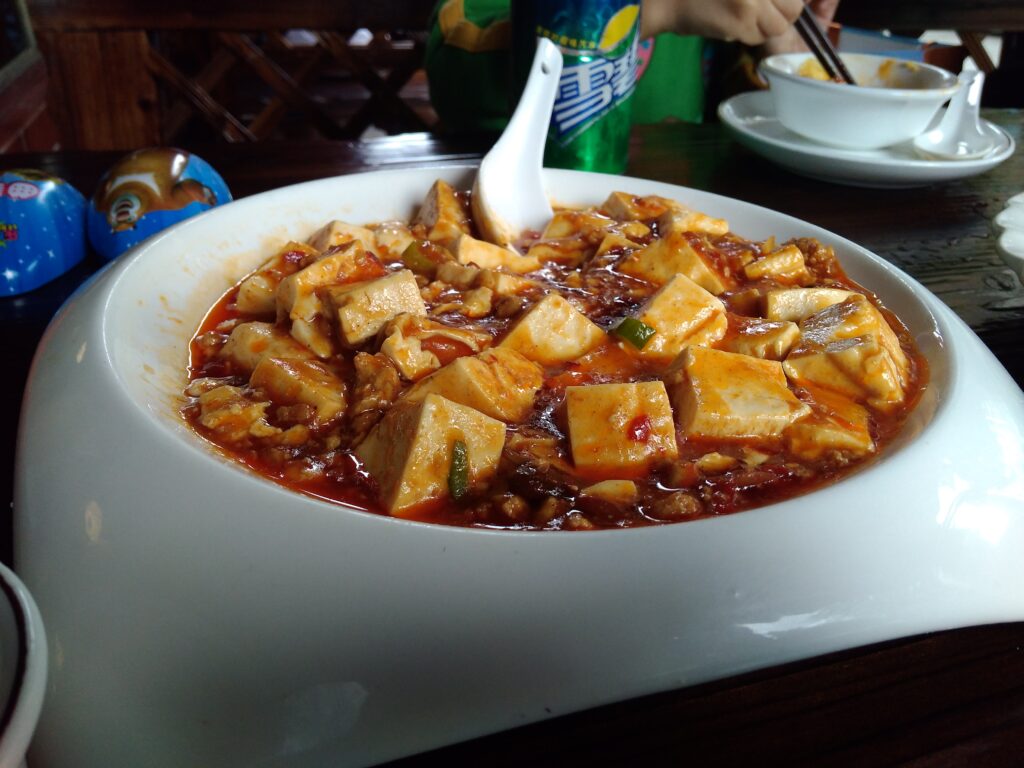
| Braised tofu with bean paste | 1 tsp | 1/2 tsp | 4 to 6 | numbing forward |
| Dry-fried green beans | 1 tsp | none | 6 to 8 | heat forward |
| Cold noodles with sesame | none | 3/4 tsp | chile oil, 1 tbsp | even, tingle prominent |
| Chile oil, 1 cup base | 2 tbsp, removed after infusing | 1 tsp stirred in cold | 1/2 cup flakes | heat forward, long buzz |
| Poached fish in broth | 2 tsp in the oil | 1/2 tsp green husk | 8 to 10 | numbing forward |
| Cucumber salad | none | 1/4 tsp | none | tingle only |
Read the last column and the pattern is that ground husk added late controls the tingle, while fried chiles control the burn, and the two dials barely interfere with each other. A classic braised tofu sits at the numbing end; a fast dry-fried vegetable sits at the other.
Buying and storing, and the safety note on chile oil
Buy whole husks, never ground, and buy from somewhere with turnover. Look for husks that are open and split rather than closed, with few seeds still attached, and a color closer to rust than to gray. Weight is a useful signal too: good husks are light and papery, and a heavy bag is usually full of seeds and stems.
Store whole husks in a sealed jar in the freezer. They do not need thawing and they will hold most of their potency for a year that way, against three or four months in a warm cupboard.
Homemade chile oil needs one specific caution. Fresh garlic, ginger, shallot and herbs are low-acid foods, and submerging them in oil creates the oxygen-free environment that the bacterium responsible for botulism can grow in. If your infusion contains fresh aromatics, keep it in the refrigerator and use it within about four days, or strain them out and discard them once the oil has cooled. Oil infused only with dried spices is a lower risk, but the refrigerator is still the right place for it, and any jar that smells fermented or looks cloudy goes in the bin unopened rather than being tasted.
Where the balance goes wrong
Everything in at once. The husks fry past their window while the chiles are still coming up to temperature. The dish tastes bitter and does not tingle.
Peppercorn added to a finished braise. Water-based liquid barely extracts sanshool. Infuse in oil first, then add the oil.
Old stock, more of it. Doubling a dead spice adds bitterness and dust, not buzz. Test a husk before you decide the recipe was wrong.
Seeds left in. The most common cause of an unpleasant, gritty bitterness that people blame on the peppercorn itself.
Too much, too fast. The numbing effect builds over several minutes and is easy to overshoot. If you are cooking for someone who has never had it, start at half the quantity in the table and offer the ground husk separately at the table.
The technique is really just scheduling. One fragile compound and one durable one, sharing a pan, thirty seconds apart. Get the order right and the peppercorn stops being an ingredient people describe as soapy and starts being the reason the dish is worth making.
Frequently Asked Questions
Is Sichuan peppercorn related to black pepper?
Not at all. It comes from a shrub in the citrus family, and what you buy is the dried husk of the fruit rather than a seed. Black pepper is an unrelated vine, and chiles belong to a third family altogether. The three share a shelf and nothing else.
Can I substitute anything for it?
Nothing reproduces the tingle. If you only need the aroma, a mix of coriander seed and a little grated lemon or grapefruit zest gets somewhere near the citrus and woody notes. Accept that the dish will be a chile dish rather than a two-part one, and adjust the chile down slightly so it does not stand alone.
Why does my mouth go numb for so long afterward?
Sanshool is fat-soluble and clings to the tissue, so the sensation fades over several minutes rather than switching off. Something fatty and cool helps, as does plain rice. Water spreads it around without removing it, and alcohol tends to sharpen it briefly.
Do I have to remove the black seeds?
For anything ground, yes. The seeds are hard, they blunt a grinder, and they contribute a flat bitterness with none of the tingle. For whole husks that get fried and fished out, a few stray seeds do less damage, but sorting is still ninety seconds well spent.
How much chile oil should a home cook make at a time?
About a cup, which is roughly a month of normal use. Larger batches sit long enough that the aroma flattens, and if the oil contains fresh aromatics the refrigerator window is short regardless of volume. Small, frequent batches beat one big jar on flavor and on safety.