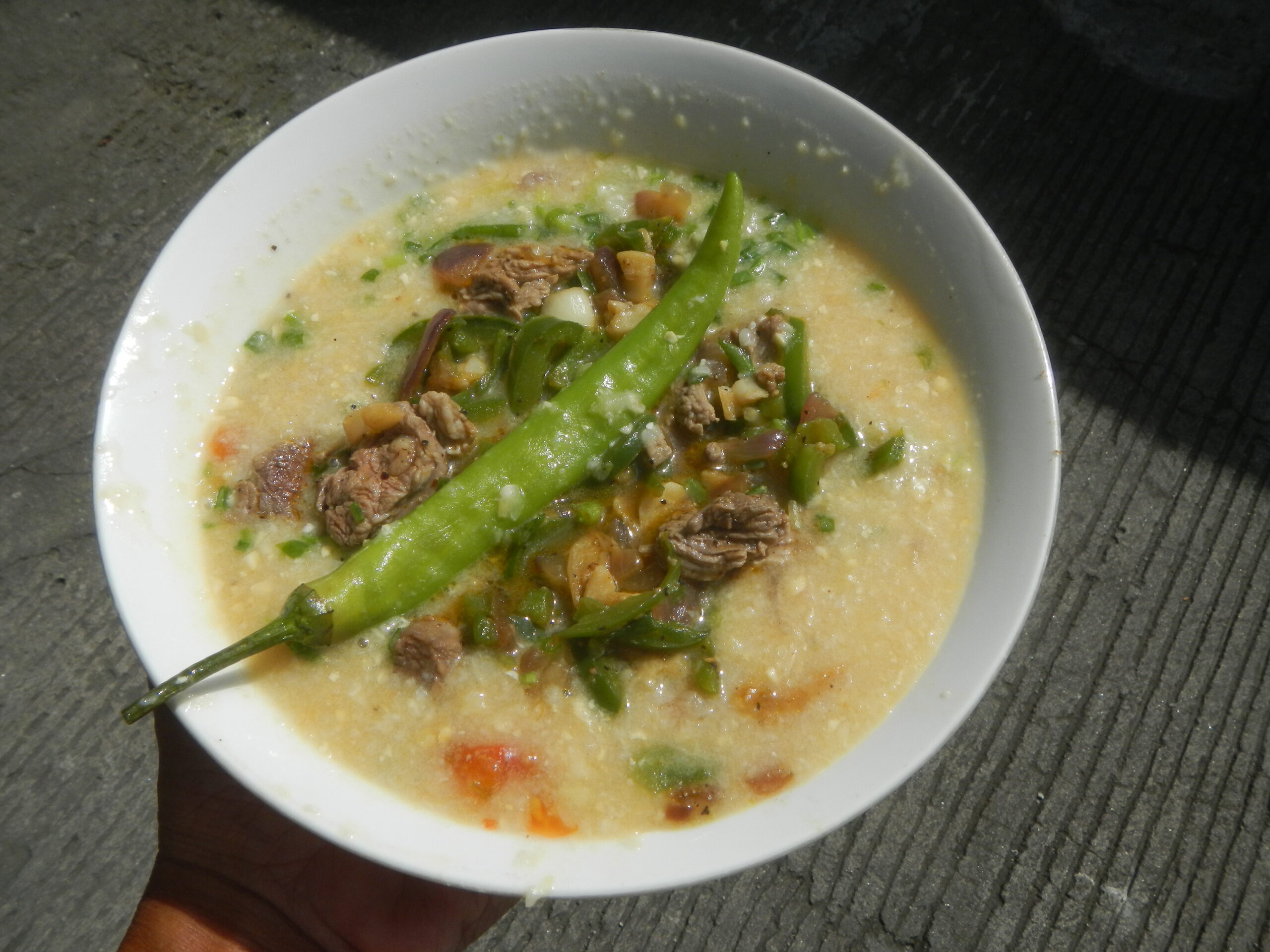
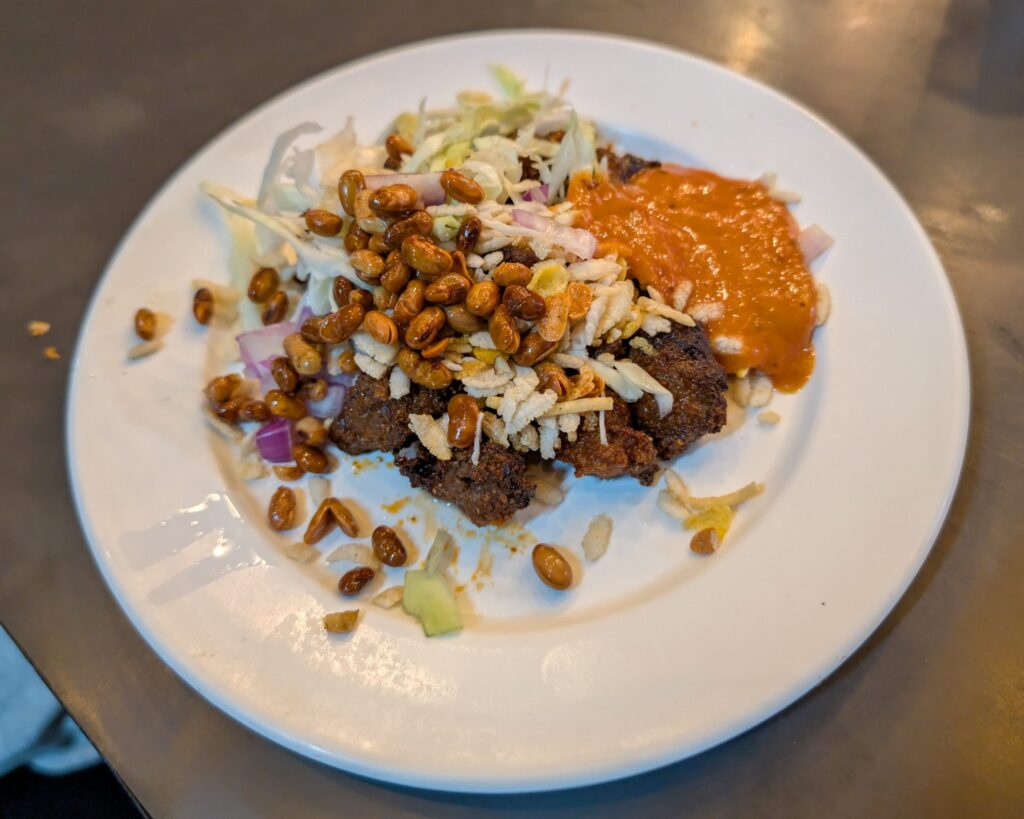
Order chicken with black bean sauce at a Cantonese restaurant and the meat comes out pale, glossy and slippery, in pieces that hold a curve and give way without resistance. Make the same dish at home from the same recipe and the chicken is gray at the edges, tight, and sitting in a puddle of liquid that never reduced.
The recipe is not the difference. The wok is not the difference either, though it gets the blame. The difference is a five-minute step that happens before the wok is lit and that almost no English-language recipe bothers to spell out, because in a Cantonese kitchen it is assumed the way salting a steak is assumed.
The meat is coated in a thin slurry of cornstarch, egg white and a little liquid, left to sit for half an hour, and often given a quick pass through hot water or warm oil before the actual stir-fry starts. Three mechanisms are doing the work, and each one is worth understanding, because knowing which is which tells you when the step can be shortened and when it cannot.
- Per pound of protein: 1 egg white, 1 tablespoon cornstarch, 1 tablespoon water or rice wine, 1/2 teaspoon salt
- Marinating time: 30 minutes refrigerated, and there is no benefit past about 2 hours
- Blanch: 45 to 60 seconds in barely simmering water, or 30 to 40 seconds in 275 degree oil
- Best on: chicken breast, lean pork loin, shrimp, thin-sliced beef
- Pointless on: chicken thigh, pork belly, anything fatty or already tender
- The variation for beef: a quarter teaspoon of baking soda per pound, and no longer than 20 minutes
- What ruins it: a wet surface, which turns the coating into a slurry that slides off
Gray chicken is a water problem, not a heat problem
Naked chicken hitting a hot pan loses water immediately. Muscle proteins contract as they heat, squeezing moisture out of the cells, and that moisture floods the pan. A domestic burner cannot evaporate it fast enough, so the temperature at the surface of the pan drops below the point where browning happens and the meat simmers in its own juice instead of searing.
What comes out is the gray, tight, faintly rubbery chicken everyone recognizes. It is not undercooked or overcooked in the usual sense; it has been boiled in a shallow amount of its own liquid, and the pieces have lost enough water that they read as dry even while sitting in a wet pan.
Restaurant ranges do help, because thirty thousand or more BTUs will drive that liquid off before it accumulates. But a professional kitchen still velvets the chicken, which tells you the coating is not a workaround for weak home burners. It is doing something the heat cannot.
What the coating is actually doing
Three separate mechanisms are at work, and they do not depend on each other.
The starch forms a physical barrier. Cornstarch mixed with liquid gelatinizes when it heats, swelling into a thin gel layer that clings to the surface. Water inside the meat now has to get through that layer to escape, and much of it does not. The gel also takes the direct heat, so the protein underneath cooks in a gentler environment than the pan is providing.
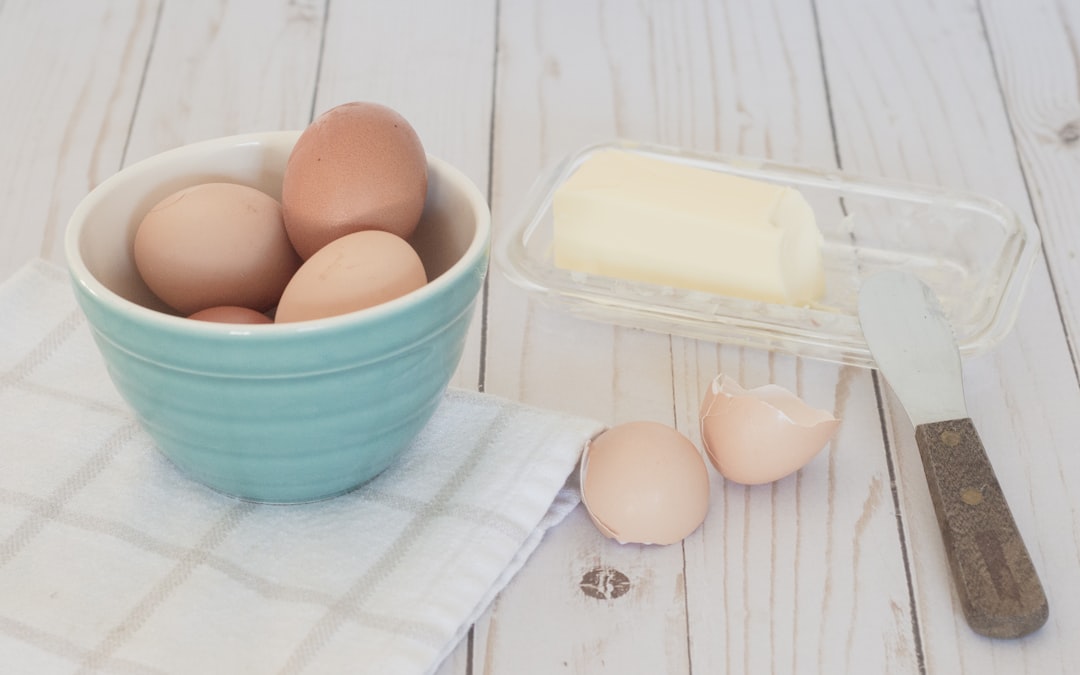
The egg white sets into a second skin. Egg white proteins coagulate at a lower temperature than most muscle proteins, so they firm up first and lock the starch layer in place. The white also holds water itself, and it is why velveted meat has that specific slippery sheen rather than a floury one.
The liquid gets absorbed before cooking starts. The tablespoon of water or rice wine in the marinade is worked into the meat during the mixing, so the pieces go into the pan carrying a small surplus of moisture rather than a deficit.
Together these turn stir frying from a race against water loss into an ordinary cooking process. The pan stays hot, the sauce reduces properly, and the meat comes out the way it did in the restaurant.
The word covers a family of steps, not one recipe
Velveting is an English translation of convenience. In Cantonese kitchens it covers a related group of preparations rather than a single procedure: a starch-and-egg coating applied before cooking, and a quick pass through warm oil or hot water that sets that coating before the dish proper begins. Different cooks use different combinations, and plenty use only part of it.
That is worth knowing because recipes disagree with each other and all of them are right. Some call for egg white and no blanch. Some call for a blanch and no egg. Some add baking soda and some consider it a shortcut. What they share is the principle: put something between the protein and the heat, and set it before the stir-fry starts.
The version below is the one that works most reliably in a domestic kitchen with a domestic burner, which is the only real constraint here. Once it is familiar, dropping the egg white or the blanch is a matter of what the dish needs rather than a compromise.
The velveting meat technique, step by step
- Slice against the grain, thin and even. A quarter inch for chicken and pork, an eighth for beef. Uniform thickness matters more than thinness, because uneven pieces cook unevenly no matter what coats them.
- Dry the meat properly. Paper towels, both sides, until the surface is matte. A wet surface dilutes the slurry and the coating slides off in the pan. This is the step that gets skipped.
- Salt it and work in the liquid first. Half a teaspoon of salt and a tablespoon of water or Shaoxing wine per pound, mixed with your hand for about a minute until the meat has taken the liquid up and feels tacky rather than wet.
- Add the egg white and mix again. One white per pound. Thirty seconds of mixing until every piece is coated and the mixture looks cloudy.
- Sift in the cornstarch last. One tablespoon per pound, added gradually while mixing so it does not clump. The finished mixture should coat the meat in a thin film, not sit in a puddle around it.
- Add a teaspoon of neutral oil and refrigerate for 30 minutes. The oil keeps the pieces from sticking to each other in the bowl and helps them separate in the pan.
- Blanch in water or oil, or skip straight to the wok. The three routes are covered below and each suits a different dish.
- Drain thoroughly before the stir-fry. A colander, thirty seconds. Wet blanched meat brings water back into the pan and undoes the point of the exercise.
Ratios per pound, written down
| Protein | Cornstarch | Egg white | Liquid | Extra |
|---|---|---|---|---|
| Chicken breast | 1 tablespoon | 1 | 1 tablespoon water | 1/2 teaspoon salt |
| Pork loin or shoulder | 1 tablespoon | 1 | 1 tablespoon Shaoxing wine | 1 teaspoon light soy |
| Beef, thin sliced | 1 1/2 tablespoons | 1 | 2 tablespoons water | 1/4 teaspoon baking soda |
| Shrimp, peeled | 2 teaspoons | 1 | none | 1/2 teaspoon salt, drained 20 minutes first |
| Firm tofu, pressed | 2 tablespoons | none | none | dusted dry, not slurried |
| White fish, cubed | 2 teaspoons | 1 | none | handle once, then leave it alone |
Corn starch is the standard, but potato starch and tapioca starch both work and behave slightly differently. Potato starch gelatinizes at a lower temperature and gives a glossier, more slippery result. Tapioca is chewier and holds up better in a sauce that sits. Wheat flour does not work here; it browns and turns pasty rather than clear.
Thirty minutes is enough, and four hours is worse
The coating is a surface treatment, not a marinade in the flavor sense. Once the starch and egg white have hydrated and the meat has absorbed the small amount of liquid, there is nothing further to gain. Half an hour in the refrigerator does the whole job.
Longer is actively worse in two situations. Salt continues drawing moisture out of the meat, which after a few hours starts to thin the coating into a runny slurry that will not cling. And with the baking soda version, an extended sit produces a texture that reads as slippery and processed rather than tender, along with a faint soapy taste.
Meat can be coated in the morning and cooked at night if it is done without salt and without baking soda, adding both twenty minutes before cooking. In practice, thirty minutes while the vegetables get cut is the schedule that fits the dish.
Water blanch, oil blanch, or straight to the wok

| Water blanch | Oil blanch | Straight in | |
|---|---|---|---|
| Temperature | barely simmering, around 190 degrees | 275 degrees | whatever the pan gives you |
| Time | 45 to 60 seconds | 30 to 40 seconds | 2 to 3 minutes total |
| Texture | soft, clean, very pale | silkier, slight surface set | closest to a home stir-fry |
| Effort | a second pot | 2 cups of oil to manage | none |
| Best for | saucy braises and soups | dry-style stir-fries and anything with a glaze | weeknight cooking |
The water blanch is the practical home version. Bring a pot of water to a bare simmer, not a boil, add a teaspoon of oil, drop the coated pieces in loose, and lift them out with a spider the moment they turn opaque. They will be about eighty percent cooked; the stir-fry finishes them.
The oil blanch is what most restaurants do, and it produces a noticeably silkier result because the higher temperature sets the coating faster and adds a whisper of richness. Two cups of neutral oil at 275 degrees, in and out in half a minute, and the oil strains and keeps for the next few times.
Skipping the blanch entirely still works and still beats naked meat by a wide margin. Get the pan properly hot, add the coated meat in a single layer, leave it alone for a full minute before touching it, then stir. This is the version worth using on a Tuesday, and it is what most home cooks mean when they talk about restaurant-style stir-fry at home.
Beef, and the baking soda question
Beef gets a second treatment on top of the coating, because the problem with cheap beef in a stir-fry is toughness rather than moisture loss. A quarter teaspoon of baking soda per pound, worked in fifteen to twenty minutes before the rest of the marinade, raises the pH at the surface. That change keeps the muscle proteins from bonding as tightly when they heat, and the meat stays tender.
The limits are strict. A quarter teaspoon per pound, not more. Fifteen to twenty minutes, not an hour. Rinse the beef under cold water afterward and dry it before the cornstarch and egg white go on. Get any of those wrong and the result is unmistakably off: slippery in an unpleasant way, faintly metallic, with a texture that has crossed from tender into mushy.
Done correctly it turns flank, skirt or plain chuck into something that behaves like a much better cut. The Chinese-Peruvian stir-fries of Lima use the same logic on beef, which is a good reminder that the technique travelled with the cooks who used it.
Where it helps, and where it is a waste of an egg
Worth doing. Chicken breast, which has almost no fat to protect it. Lean pork loin. Shrimp, which go from snappy to rubbery in about fifteen seconds without help. Thin-sliced lean beef. Squid and scallops, briefly. Any lean protein cut small and cooked fast.
Not worth doing. Chicken thigh, which has enough fat and connective tissue to stay juicy on its own. Pork belly, for the same reason. Anything being braised, since a long wet cook makes the coating pointless and it will slough off. Anything you want a hard brown crust on, because the coating actively prevents that.
The tofu exception. Pressed firm tofu dusted dry in cornstarch, with no egg white and no liquid, gets a thin crisp shell that holds sauce well. It is a different technique wearing similar clothes, and it is what makes a crisp tofu stir-fry work.
The coating is one variable out of four
A velveted piece of chicken can still come out badly, because the marinade solves one problem and the other three are down to how the pan is run.
Everything is cut and within reach before the heat goes on. A stir-fry takes four minutes from start to plate and there is no point in it where you can stop and chop a scallion. Sauces mixed, aromatics minced, vegetables cut to a size that cooks in the time available, all in bowls beside the stove.
The pan is hotter than feels reasonable. Preheat dry until a drop of water skitters and vanishes, then add the oil and swirl it. Oil going into a cold pan and heating with it is how food sticks.
Nothing goes in that the pan cannot handle. A pound of meat and a pound of vegetables at once will drop any home burner into steaming. Meat first, out to a plate, vegetables next, then everything back together with the sauce for the last thirty seconds.
The sauce goes in at the end and is already mixed. Including the cornstarch slurry that thickens it, whisked into the cold sauce beforehand rather than sprinkled into a hot pan where it seizes into lumps.
Six ways it comes out gray anyway
The meat went in wet. Coating a wet surface gives you a slurry that slides off in the pan and leaves the meat bare. Dry it first, every time.
The pan was crowded. A pound of chicken in a ten-inch skillet steams regardless of what is on it. Two batches, or a bigger pan.
Too much cornstarch. More than about a tablespoon per pound leaves a gummy, floury layer that tastes of raw starch and thickens the sauce into paste. The coating should be barely visible.
The pan was not hot enough at the start. Coated meat still needs a properly preheated pan. Oil should shimmer and move like water before anything goes in.
The meat was stirred immediately. Give it sixty seconds of contact before the first stir. Constant motion from the start prevents the coating from setting against the metal.
The blanched meat went in dripping. Water blanching adds water back. Drain it properly, and give it a shake in the colander.
Five minutes with an egg white and a spoon of cornstarch is the whole gap between the chicken at home and the chicken at the restaurant. It is not the wok, and it was never the wok.
Frequently Asked Questions
Can I skip the egg white?
Yes, and plenty of restaurant kitchens do. Cornstarch alone gives most of the protection, and the version with just starch, salt and a splash of wine is the everyday one. Egg white adds a distinctly softer, silkier finish that is most noticeable on chicken breast, and skipping it is a small step down rather than a different dish.
What do I do with the leftover yolks?
They keep three or four days refrigerated under a little water in a covered container. Custards, pastry cream, aioli, hollandaise and enriched noodle doughs all take yolks. If a marinade is going to be a weekly habit, a small container of yolks accumulating in the refrigerator is worth planning a dish around.
Does the oil blanch make the dish greasy?
Not if the oil is at the right temperature. At 275 degrees the coating sets fast and seals the surface, so very little oil goes in. Below about 250 the meat absorbs oil instead and the dish does turn heavy. Use a thermometer for the first few attempts.
Can velveted meat be frozen?
Coat it, blanch it, cool it, and freeze it in a single layer. It holds about a month and goes straight into the wok from frozen, adding maybe a minute. Freezing raw coated meat works less well, because ice crystals damage the coating and it comes off during thawing.
Why is my sauce cloudy and thick after adding the meat?
Starch is coming off the coating and into the pan. A little is normal and it is part of how these sauces get their gloss. Too much means the coating was too heavy or the meat was stirred hard before it set. Cut the cornstarch back and let the pieces sit undisturbed for the first minute.