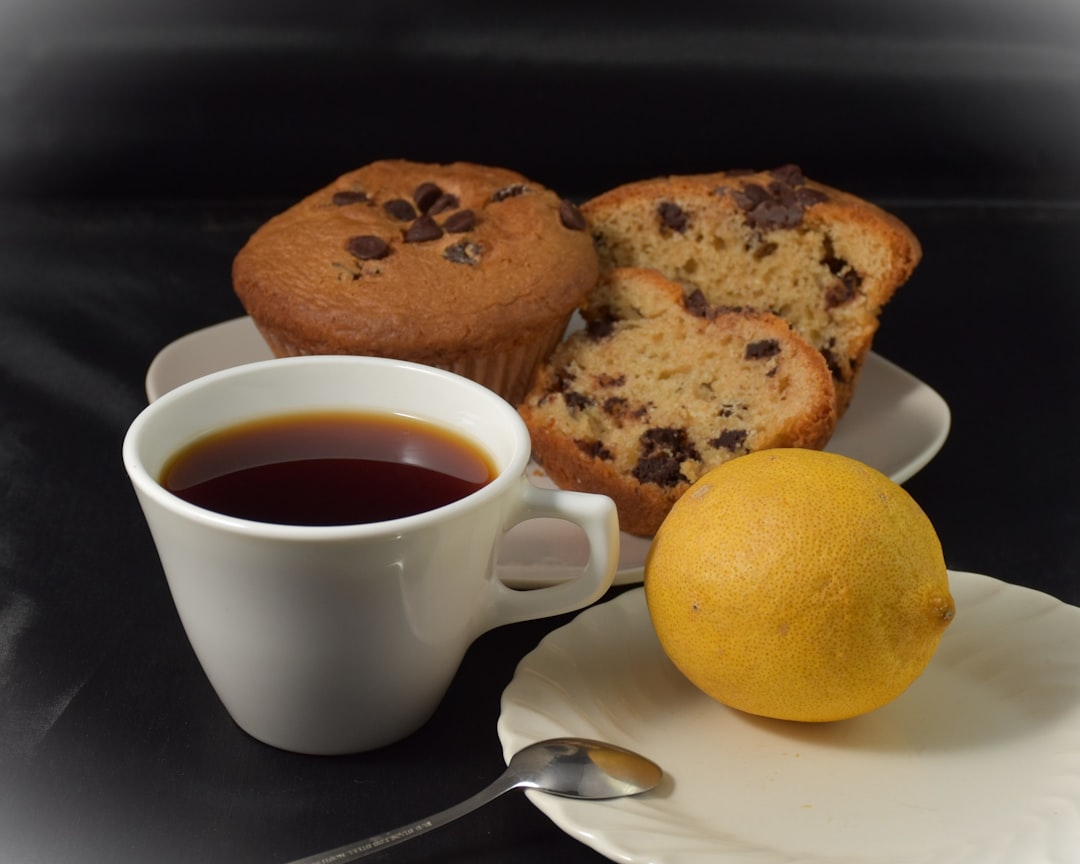
There is a version of blueberry muffins that exists in our collective imagination — tall domed tops, a craggy streusel crust that shatters when you bite into it, a tender crumb studded with berries that burst in your mouth, and a bright lemon fragrance that lifts the whole experience. Most recipes do not deliver that muffin. This one does, and I can tell you exactly why, because the difference between a good muffin and a great muffin comes down to a handful of techniques rooted in baking science.
As a pastry chef and nutritionist, I approach baking with one foot in the kitchen and one foot in the laboratory. Understanding why a muffin rises, why it domes, why blueberries sink, and why overmixing destroys texture transforms you from a recipe follower into a baker who can troubleshoot and adapt. This recipe is not just a set of instructions — it is a baking education disguised as breakfast.
I have baked over 200 muffins while developing this recipe, testing variables methodically: oven temperatures, mixing times, fat types, leavening ratios, and berry prep methods. The version below represents the optimal combination of every variable I tested, producing consistently tall, tender, bakery-quality muffins with a perfect streusel crown.
Lemon Blueberry Muffins with Streusel Topping
Prep Time: 15 minutes
Cook Time: 22 minutes
Total Time: 37 minutes
Yield: 12 standard muffins
Difficulty: Easy
Cuisine: American
Ingredients
Streusel Topping
- 1/3 cup all-purpose flour (40g)
- 3 tablespoons granulated sugar
- 2 tablespoons cold unsalted butter, cut into small cubes
- 1/4 teaspoon ground cinnamon
- Pinch of kosher salt
Muffin Batter
- 2 1/4 cups all-purpose flour (280g)
- 3/4 cup granulated sugar (150g)
- 1 tablespoon baking powder
- 1/2 teaspoon baking soda
- 1/2 teaspoon kosher salt
- Zest of 2 large lemons (about 2 tablespoons)
- 1/3 cup unsalted butter, melted and cooled slightly (75g)
- 1/3 cup neutral oil (vegetable or canola) (75ml)
- 2 large eggs, room temperature
- 1 cup buttermilk, room temperature (240ml)
- 1 tablespoon fresh lemon juice
- 1 1/2 teaspoons vanilla extract
- 1 1/2 cups fresh blueberries (about 8 oz / 225g)
- 1 tablespoon all-purpose flour (for coating berries)
Instructions
- Make the streusel first. Combine flour, sugar, cinnamon, and salt in a small bowl. Add the cold butter cubes and pinch with your fingers until the mixture resembles coarse, pea-sized crumbs. Some larger chunks are desirable — they create the most satisfying crunchy bits on top. Refrigerate the streusel while you prepare the batter. Cold streusel holds its shape better during baking.
- Preheat and prepare. Position a rack in the center of the oven. Preheat to 425°F (220°C) — yes, this is higher than most muffin recipes call for, and it is intentional (see the science section below). Line a standard 12-cup muffin tin with paper liners, or spray with baking spray.
- Combine dry ingredients. In a large bowl, whisk together the flour, sugar, baking powder, baking soda, and salt. Add the lemon zest directly to the dry ingredients and rub it into the sugar with your fingertips for about 30 seconds. This releases the essential oils from the zest and distributes the lemon flavor throughout the batter far more effectively than adding it to the wet ingredients.
- Combine wet ingredients. In a separate bowl or large measuring cup, whisk together the melted butter, oil, eggs, buttermilk, lemon juice, and vanilla until smooth and homogeneous.
- The muffin method (do not overmix). Pour the wet ingredients into the dry ingredients all at once. Fold with a rubber spatula using broad, gentle strokes. Stop the moment no dry flour is visible — the batter should look lumpy and slightly rough. Visible lumps of flour smaller than a pea are acceptable and even desirable. Overmixing develops gluten, which turns muffins tough and dense with a tight crumb and peaked (not domed) tops.
- Fold in the blueberries. Toss the blueberries with 1 tablespoon of flour in a small bowl (this coating prevents them from sinking — see the science section below). Gently fold the coated berries into the batter using no more than 5 to 6 strokes. Some berries will break and create purple streaks. That is fine — those streaks look beautiful and taste delicious.
- Fill the cups generously. Divide the batter among the 12 muffin cups, filling each one to the very top — level with the rim or even slightly mounded above it. This is more batter per cup than most recipes call for, and it is the key to tall domed muffins. A spring-loaded ice cream scoop makes this step fast and even.
- Add the streusel. Press a generous tablespoon of the cold streusel topping onto each muffin, gently pressing it into the surface of the batter so it adheres during baking.
- Bake with the temperature drop method. Place the muffins in the 425°F oven. Bake for 5 minutes at this high temperature, then reduce the oven to 375°F (190°C) without opening the door. Continue baking for 15 to 17 more minutes, until the tops are golden and a toothpick inserted into the center comes out with moist crumbs (not wet batter). Total baking time is 20 to 22 minutes.
- Cool properly. Let the muffins cool in the tin for 5 minutes (this prevents the bottoms from steaming and becoming soggy), then transfer to a wire rack. Resist the urge to eat one for at least 10 minutes — the crumb continues to set as it cools, and the lemon flavor becomes more pronounced.
The Muffin Method: Why Mixing Technique Matters
The “muffin method” is not a suggestion — it is the foundational technique that separates tender muffins from tough ones. Here is the science: wheat flour contains two proteins, glutenin and gliadin, that form gluten when combined with liquid and agitated. Gluten creates an elastic, chewy network — ideal for bread, terrible for muffins.
By combining dry and wet ingredients separately and then mixing them together as briefly as possible, you minimize gluten development. The King Arthur Baking muffin method guide demonstrates that even 10 extra seconds of mixing can increase gluten development enough to noticeably change texture. The ideal muffin batter looks rough, lumpy, and undermixed compared to what most home bakers expect. Trust the lumps.
This recipe uses a combination of melted butter and oil specifically to minimize the need for mixing. Softened butter requires creaming, which involves extended beating that develops gluten. Melted butter and oil blend into the wet ingredients with minimal agitation, allowing you to combine everything quickly.
Fresh vs. Frozen Blueberries
The Sinking Problem
Blueberries are denser than muffin batter, which means gravity pulls them toward the bottom during the first minutes of baking before the batter sets. Fresh blueberries are lighter and drier on the surface, so they sink less. Frozen blueberries carry a coating of ice that melts during baking, releasing extra moisture that lubricates their descent and can create soggy pockets in the crumb.
The Flour Coating Trick
Tossing berries in a tablespoon of flour before folding them into the batter creates a thin, starchy barrier that grips the surrounding batter and slows sinking. This is not a myth — it works because the flour absorbs surface moisture and increases friction between the berry and the batter. It does not guarantee perfectly suspended berries, but it dramatically reduces how far they sink.
How to Use Frozen Blueberries Successfully
If fresh blueberries are out of season or too expensive, frozen berries are an excellent alternative with one critical rule: do not thaw them. Fold the frozen berries directly into the finished batter and immediately transfer to the oven. Thawed frozen berries release a flood of purple juice that turns the batter gray and creates mushy pockets. Frozen berries also hold their shape better during baking, and the cold temperature slightly extends the baking time (add 2 to 3 minutes). Toss them in flour while still frozen for the best results.
Tall Domed Muffins: The Bakery Secret
Bakery muffins have those dramatic domed tops that spill over the liner, and the technique is surprisingly simple: high initial heat and generous filling.
The Temperature Drop Method
Starting at 425°F (220°C) for the first 5 minutes creates a burst of steam inside the muffin that pushes the batter upward rapidly before the structure sets. This initial push creates the dome. Dropping to 375°F (190°C) for the remaining time allows the interior to cook through gently without overbrowning the exterior. According to Sally’s Baking Addiction, this two-temperature method is the single most effective technique for achieving bakery-style domes at home.
Fill to the Top
Most recipes say to fill muffin cups two-thirds full. That produces flat, modest muffins. For domed tops, fill them to the rim or slightly above. The extra batter has nowhere to go but up as the leavening activates. Combined with the high-heat initial burst, this creates muffins that look like they came from a professional bakery.
The Role of Leavening
This recipe uses both baking powder and baking soda. The baking soda reacts immediately with the acid in the buttermilk and lemon juice, creating carbon dioxide bubbles that start lifting the batter the moment mixing is complete. The baking powder provides a second rise when it hits the oven heat (double-acting baking powder reacts twice — once when wet, again when heated). This dual-leavening system ensures maximum lift and a tender, open crumb.
Nutritional Comparison
| Version | Calories | Sugar | Fat | Fiber | Key Changes |
|---|---|---|---|---|---|
| Original (this recipe) | 290 kcal | 18g | 12g | 1.5g | Standard all-purpose flour, full sugar |
| Reduced Sugar | 245 kcal | 11g | 12g | 1.5g | Reduce sugar to 1/2 cup, increase lemon zest |
| Whole Wheat | 275 kcal | 17g | 11g | 3.5g | Replace half flour with whole wheat pastry flour |
| Gluten-Free | 300 kcal | 19g | 13g | 1g | Use 1:1 GF flour blend, add 1/4 tsp xanthan gum |
| Vegan | 265 kcal | 18g | 10g | 2g | Flax eggs, oat milk + vinegar, coconut oil |
| High-Protein | 280 kcal | 15g | 10g | 2g | Replace 1/3 flour with vanilla protein powder, add Greek yogurt |
Why This Recipe Works
Every ingredient in this recipe serves a specific purpose. The buttermilk provides tenderness through its acidity (which weakens gluten and activates baking soda) and moisture that keeps the crumb soft for days. The combination of melted butter and oil gives you the best of both worlds — butter contributes flavor and richness while oil keeps the muffin moist longer (butter-only muffins tend to dry out faster because butter solidifies at room temperature, while oil remains liquid). The lemon zest rubbed into the sugar releases oils that permeate the batter with citrus flavor without adding liquid. And the streusel provides the textural contrast that elevates a good muffin to a great one — that crunch against the soft crumb is what makes you reach for a second.
Storage and Reheating
Room temperature: Store in an airtight container at room temperature for up to 3 days. The muffins actually taste best on day 2, when the flavors have fully developed and the crumb has settled into its ideal texture. Place a paper towel in the container to absorb excess moisture and keep the streusel crunchy.
Refrigerator: Not recommended. Refrigeration accelerates staling in baked goods through a process called starch retrogradation, where the starch molecules recrystallize and the crumb becomes dry and crumbly. If you must refrigerate (due to warm climate), bring muffins to room temperature before eating, or warm them for 15 seconds in the microwave.
Freezer: These muffins freeze beautifully for up to 3 months. Wrap each muffin individually in plastic wrap, then place in a freezer-safe bag. Thaw at room temperature for 1 hour, or microwave from frozen for 30 to 40 seconds. Refresh in a 350°F oven for 5 minutes to re-crisp the streusel.
Reheating: Split the muffin in half and toast it cut-side down in a dry skillet for 60 seconds. This warms the interior while re-crisping the surface — far superior to microwaving, which softens the streusel.
For more breakfast baking, try our overnight oats five ways for a no-bake morning option, or explore the full breakfast collection.
Nutrition Facts (Per Muffin)
| Calories | 290 kcal |
| Protein | 5g |
| Carbohydrates | 40g |
| Fat | 12g |
| Saturated Fat | 5g |
| Fiber | 1.5g |
| Sugar | 18g |
| Sodium | 260mg |
Frequently Asked Questions
Can I use frozen blueberries in this recipe?
Yes, and they work very well with one critical rule: do not thaw them. Fold frozen berries directly into the finished batter and bake immediately. Thawed berries release excess juice that turns the batter gray and creates soggy spots. Toss frozen berries in the tablespoon of flour while still frozen. Add 2 to 3 minutes to the baking time to compensate for the cold berries.
Why are my muffins flat instead of domed?
Flat muffins usually result from one of three issues: (1) the oven was not hot enough initially — make sure you start at 425°F, (2) the muffin cups were not filled enough — fill them to the rim, or (3) the baking powder was expired. Baking powder loses potency after 6 to 12 months. Test yours by adding a teaspoon to hot water — it should bubble vigorously.
Can I substitute the buttermilk?
Make a quick buttermilk substitute by adding 1 tablespoon of lemon juice or white vinegar to a measuring cup, then filling to the 1-cup line with whole milk. Let it sit for 5 minutes until it curdles slightly. This provides the same acidity that activates the baking soda and tenderizes the crumb. Plain yogurt thinned with a little milk also works well.
How do I prevent blueberries from sinking to the bottom?
Three strategies work together: (1) toss berries in a tablespoon of flour before folding in, (2) use fresh berries when possible since they are lighter and drier, and (3) use a thick batter — this recipe’s batter is intentionally thick, which provides more resistance against sinking. If using frozen berries, fold them in last and transfer to the oven immediately.
Can I make these muffins without the streusel?
Absolutely. Without the streusel, you get a cleaner, simpler muffin that is about 30 calories lighter. You can also replace the streusel with a sprinkle of coarse turbinado sugar (also called demerara sugar), which creates a sparkly, crunchy top with less effort. Both versions are delicious.
Final Thoughts
These blueberry muffins represent everything I love about baking — a recipe that looks effortless but is built on a foundation of solid technique and intentional choices. The muffin method, the temperature drop, the buttermilk-and-dual-fat combination, the flour-coated berries — each small decision compounds into a result that is dramatically better than the sum of its parts. Make a batch this weekend, and you will understand why I keep coming back to this recipe above all others in my collection.
Disclaimer: This article is for informational purposes only. Nutritional values are estimates and may vary based on specific ingredients, berry size, and portion variations. Contains wheat, dairy, and eggs. Individuals with food allergies should review the ingredient list carefully. This content does not constitute medical or dietary advice.

Elena Vasquez
Elena learned to bake from her abuela on a family farm in the south of Spain - wood-fired ovens, breakfast bread before sunrise, and a tia who taught her pastry between long lunches with cousins. At CookingZone she develops desserts, pastry, breakfast, healthy recipes, and beverages - from protein-rich morning bowls to classic French patisserie and viral bakery hits. She still tests every dessert on the same crew of family and friends before it makes it onto the site.
Please note: Nutritional estimates in our recipes are derived from the USDA FoodData Central database and may vary based on specific brands and ingredient sizes. If you have food allergies, dietary restrictions, or medical conditions, consult a registered dietitian or healthcare provider before preparing this recipe. Always follow safe food-handling guidelines, including proper cooking temperatures for meat, poultry, fish, and eggs. Nothing in this article should be interpreted as medical, nutritional, or dietary advice.